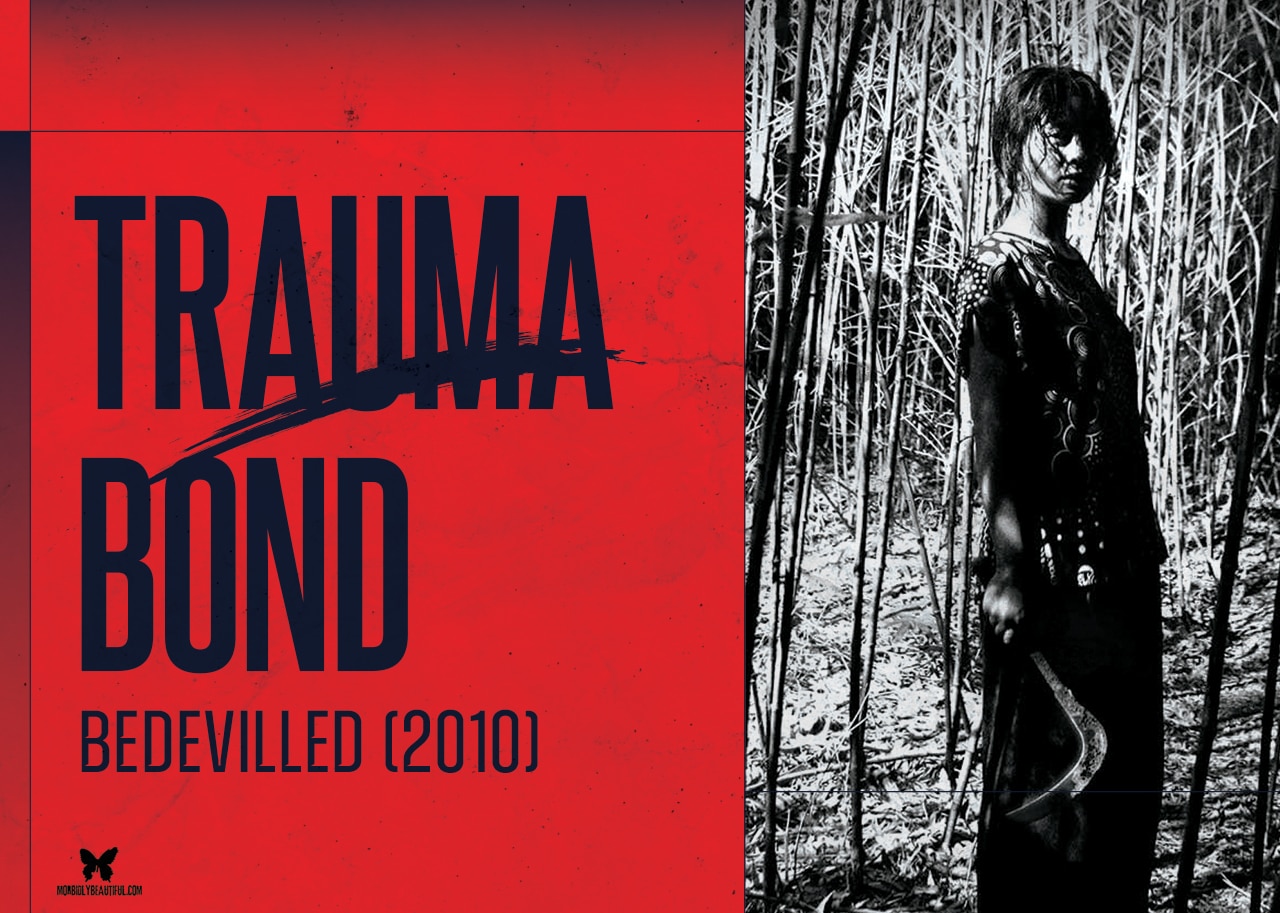
Trauma Bond: Bedevilled (2010)


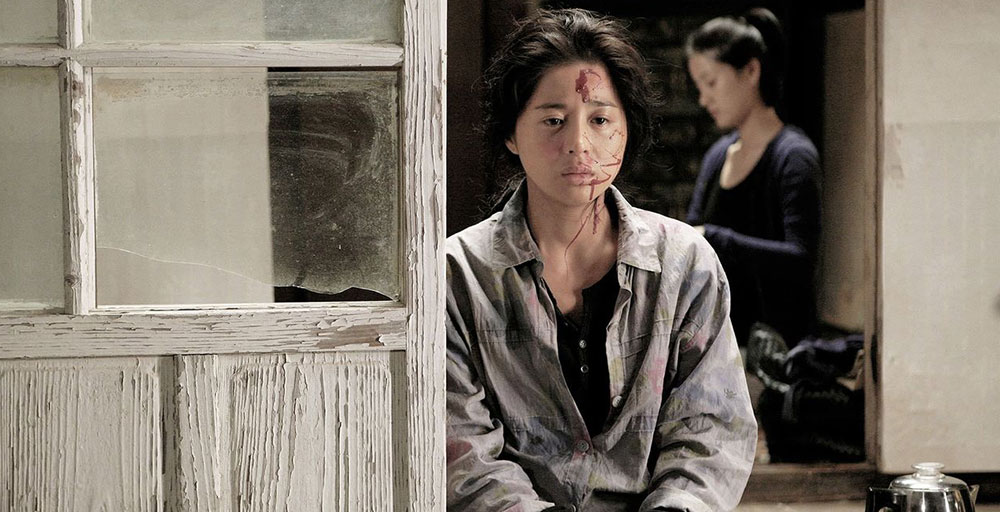
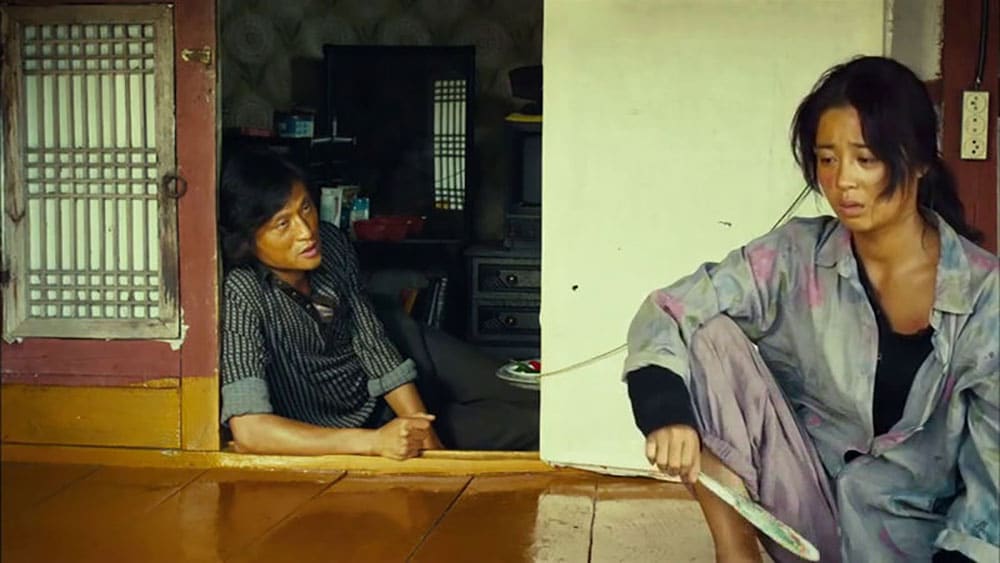
Bedevilled (2010), directed by Jang Cheol-soo, is a gripping and brutal South Korean horror film that’s as mesmerizing and thought-provoking as it is savagely hard to watch. It is a chilling exploration of trauma, the consequences of societal apathy, and the disturbing endurance of misogyny.
The story introduces us to Hae-won (Ji Seong-won), an aloof and detached office worker in Seoul who becomes embroiled in a confrontation after witnessing a brutal assault on a woman. Her refusal to intervene or identify the attackers to the police sets the tone for the entire film.
Hae-won is the personification of urban apathy; she embodies the self-preservation instinct that chooses indifference over moral action. This initial act of inaction is the first sign of her passive complicity in the face of violence.
Seeking respite from her stressful city life, Hae-won retreats to the isolated island of Mudo, where she reconnects with her childhood friend, Bok-nam (Seo Yeong-hie). While Hae-won yearns for an escape from her mundane life, Bok-nam sees her as a lifeline to a better future.
Through its harrowing depiction of suffering and revenge, BEDEVILLED is a visceral and timely reminder of how much evil flourishes while “good” people do nothing.
Mudo, an oppressive microcosm of outdated gender roles and patriarchal tyranny, is a place where Bok-nam is systematically abused. The women of the island are complicit in upholding this brutal system, making the setting a bleak reflection of a society that enforces silence and obedience.
The remoteness of Mudo mirrors the isolation Bok-nam feels.
Her life is a never-ending cycle of physical and sexual abuse at the hands of her husband and his brother. This horror is compounded by the fact that the other women on the island, instead of empathizing with her plight, mock her and pressure her to be a more subservient wife.
They are enforcers of the patriarchal norms, benefiting in their own twisted way from the structure that keeps Bok-nam in her place.
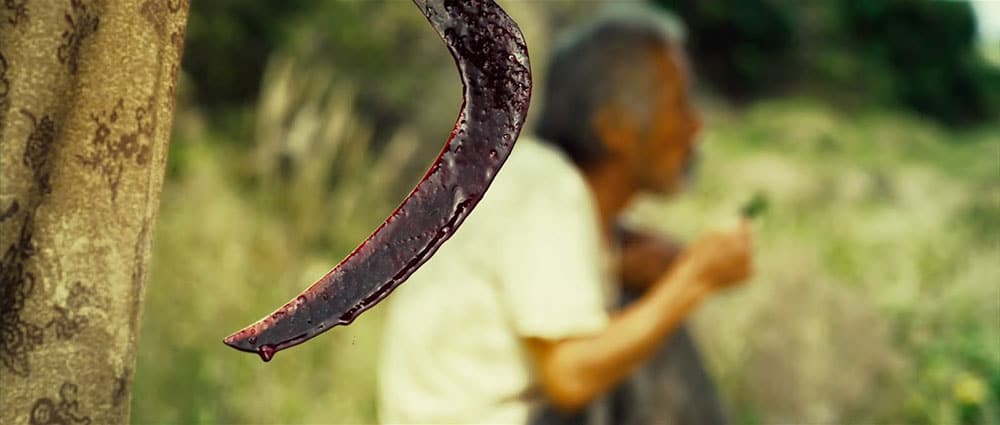
The catalyst for the film’s shift from psychological drama to full-blown horror is an unspeakable loss and a heartbreaking betrayal.
Bok-nam’s attempts to escape the island with her daughter are thwarted when Hae-won, once again choosing self-preservation, refuses to help. This rejection shatters Bok-nam’s spirit and results in tragedy.
The horror here is twofold: the physical brutality of the event and the emotional devastation of betrayal by someone she considered a friend.
The film’s title is realized fully here: Bedevilled refers to being tormented or harassed to the breaking point, and Bok-nam becomes the embodiment of this torment. Her ensuing rampage is cathartic but also deeply unsettling. We see her unleash years of pent-up rage, making her revenge a bloody spectacle that challenges the audience’s sense of justice and morality.
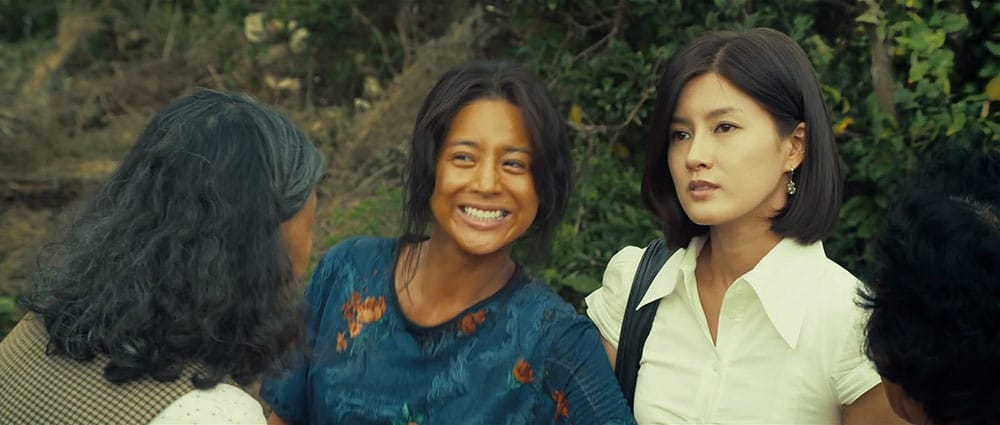
The core of Bedevilled lies in its examination of trauma and the idea of bystander guilt.
Hae-won’s character arc serves as a vehicle for exploring societal apathy. She is consistently confronted with moments where her intervention could alter the course of events, yet she chooses inaction each time. The film sharply critiques this passive complicity, showing how her apathy indirectly contributes to the horrors experienced by Bok-nam.
The consequences of Hae-won’s inaction are severe.
Bok-nam’s descent into madness is framed as a direct result of the repeated betrayals she faces, especially from the one person she thought she could trust. Her revenge is not just against the men who abused her but also against the women who perpetuated her suffering through their silence and complicity.
In this sense, the film reminds us that inaction is often as harmful as action and sharply critiques the failure of anyone, regardless of gender, to act against evil.
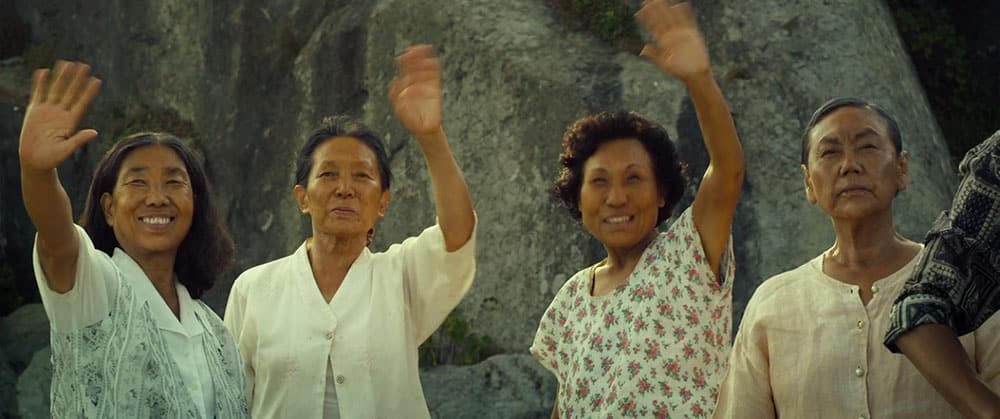
Despite being over a decade old, Bedevilled remains painfully relevant in its portrayal of systemic misogyny.
The film delves deeply into the patriarchal structures that allow such extreme abuse to persist, critiquing not only the abusers but also those who enable them. The women on the island are as much a part of this system as the men, benefiting in small ways from the established order and turning a blind eye to the suffering of others.
This reflects a broader societal issue where marginalized individuals, especially women, often suffer in silence due to the fear of retribution or societal ostracism.
The portrayal of Bok-nam’s suffering is relentless and difficult to watch, making Bedevilled a film that is not easily digestible. It forces the audience to confront the harsh realities of gender-based violence and the complicity that enables it. This mirrors real-world situations where victims of abuse are often ignored, their pleas for help dismissed, and their suffering minimized.
The film’s unflinching depiction of this systemic cruelty makes it a powerful commentary on the current political and social climate, where issues of misogyny and victim-blaming remain distressingly common.
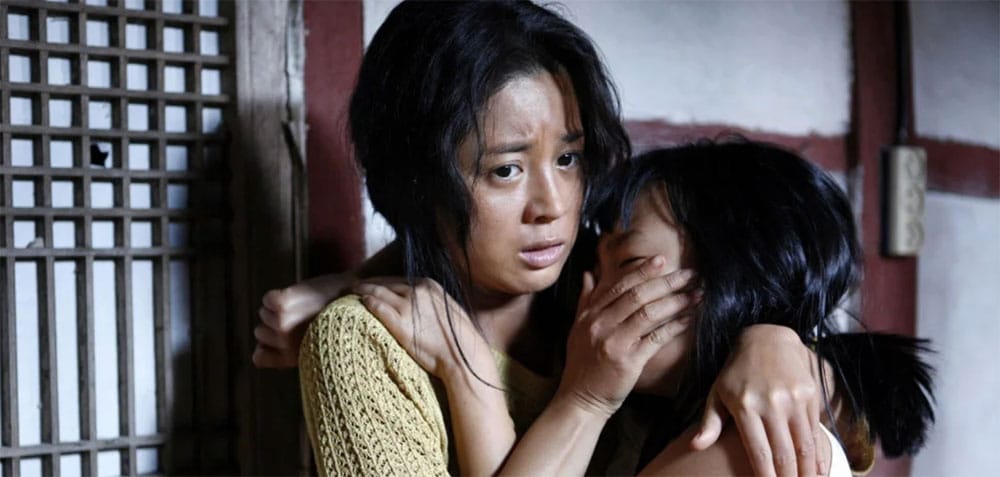
One of the most significant aspects of Bedevilled is its exploration of the repercussions of inaction. It is rare to see a film focus so deeply on the moral consequences of choosing not to act in the face of suffering.
Hae-won’s indifference is a stark reminder of how easily we can become complicit in the suffering of others through our silence.
Her decision to lie to the police and claim she witnessed nothing during Bok-nam’s most vulnerable moment is a betrayal that cuts deeper than any physical wound. It symbolizes the ultimate abandonment and denial of solidarity, pushing Bok-nam over the edge.
The film’s climax is a brutal but inevitable consequence of this inaction. As Bok-nam goes on her revenge-fueled rampage, it becomes clear that her violence is both a manifestation of her trauma and a reaction to the deep-seated apathy she has faced her entire life.
Her actions force the audience to question their own potential complicity in systems of oppression. Would we act differently in Hae-won’s place, or would we, too, turn a blind eye?
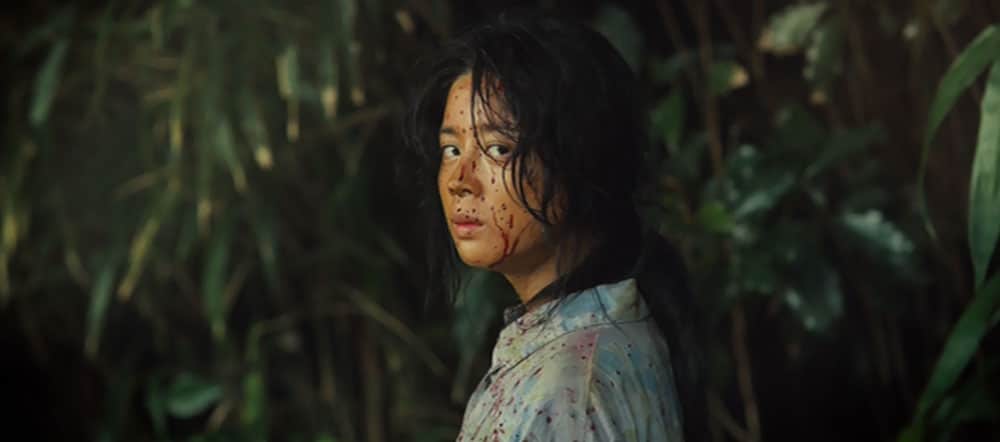
Bedevilled is not a film for everyone. Its graphic depictions of abuse and violence against women are harrowing and can be triggering for many viewers. However, it is also chillingly effective in its commentary on societal apathy and misogyny.
The film confronts us with uncomfortable questions about our role as bystanders in a world filled with suffering. It asks us to consider the true cost of our silence and the consequences of turning a blind eye to the pain of others.
At its core, Bedevilled is a powerful narrative about the horrors of being both the victim and the silent witness. It masterfully uses the horror genre to highlight the deep scars left by trauma and the destructive power of unchecked cruelty.
The film’s final message is clear: the most terrifying monsters are not just those who commit acts of evil but those who do nothing to stop them.

She’s a lover, he’s a fighter. Together, they’re CHEER AND LOATHING. Tune in to hear your hosts, Stephanie (Cheer) and Casey (Loathing), clash over the films they love — and the ones they love to hate.
In this holiday extravaganza episode of Guilty Pleasures, join hosts Stephanie, Kelly, and our newest addition, Jonathan (Jack was tied up in tinsel and couldn't join us), as they unwrap the bizarre and unhinged world of holiday cinema. They dive into the depths of Elves, a film that's as chaotic as it is entertaining. It's a sleigh full of questionable decisions, diabolical dialogue, absurd plot twists, wildly offensive antics, and unhinged holiday mischief.
And that's not all! In the second half of the podcast, join your festive cinephile friends for a look at four more ”nutty as a fruitcake” holiday treats: A New York Christmas Wedding, Elf Bowling, A Medea Christmas, and Jack Frost. Plus, we each offer a bonus Christmas flick guaranteed to make you say, ”Ho, Ho, HO-LY Hell!”
Expect laughter, disbelief, and a spirited debate about what truly makes a movie a guilty pleasure. Don't miss this festive journey through the weirdest corners of holiday films!









Follow Us!