

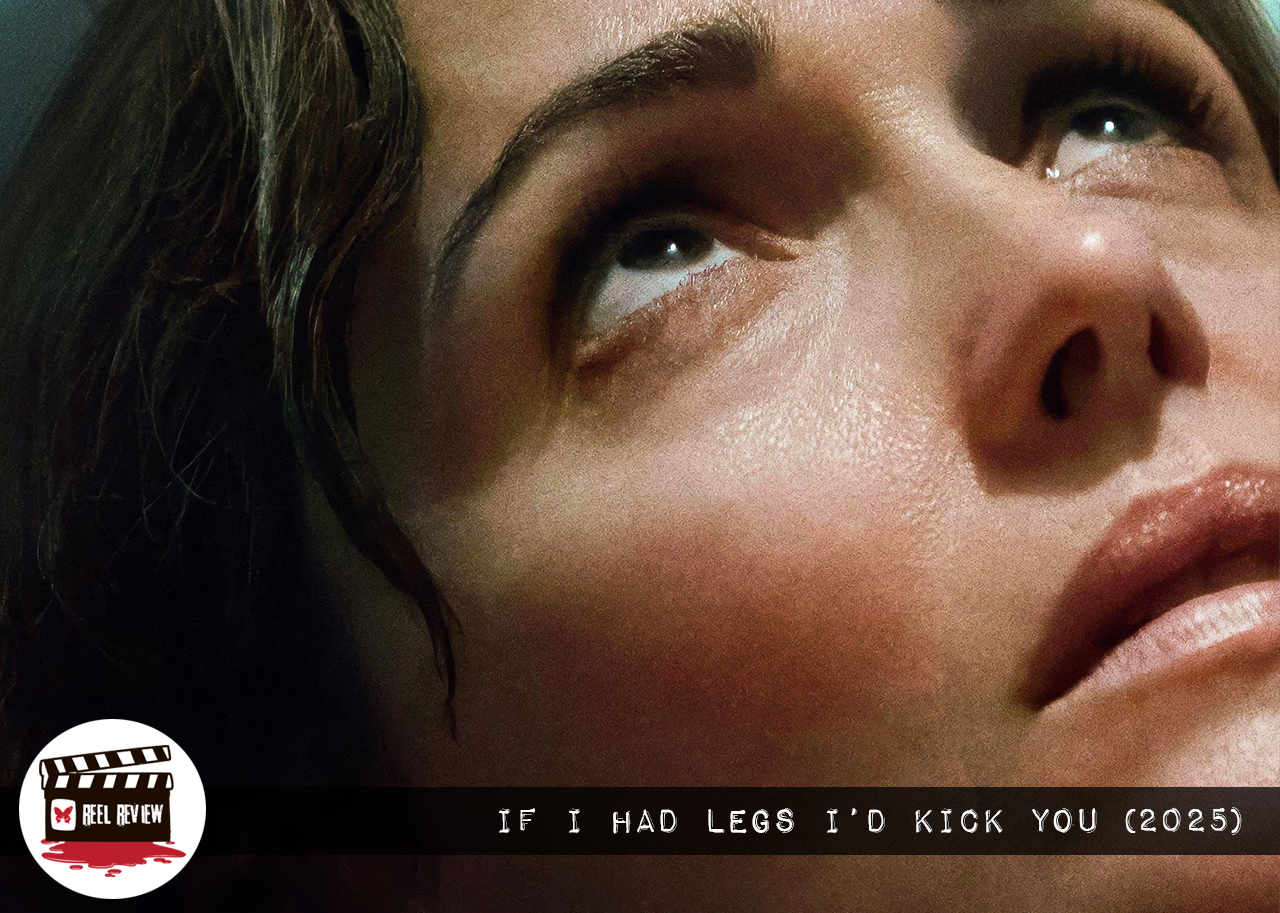
A suffocating, darkly hilarious, and deeply empathetic descent into maternal madness anchored by a transcendent Rose Byrne performance.
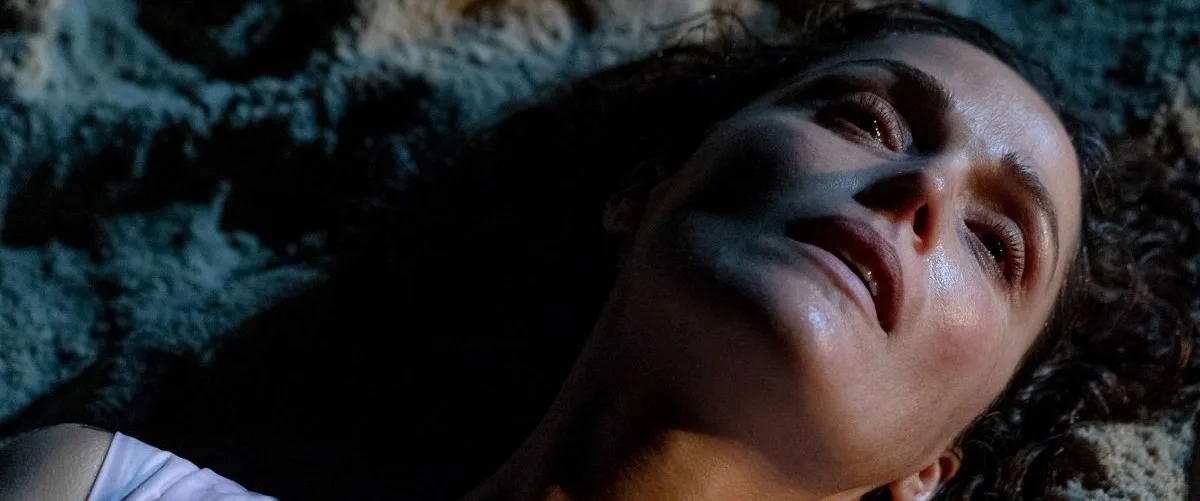
No time to read? Click the button below to listen to this post.

Mary Bronstein’s If I Had Legs I’d Kick You is not an easy film to endure, nor should it be. It’s a feral, anxious, pitch-black comedy about the unbearable labor of love that is motherhood. It’s a film that traps you inside the unraveling mind of Linda (Rose Byrne, phenomenal in a career-defining role), a mother, therapist, and exhausted human being whose ceiling—both literal and emotional—is caving in.
It’s the burden of modern motherhood as a waking fever dream, filtered through Bronstein’s unflinching, sardonic lens. There’s no comforting catharsis, no sanitized lesson about self-care. Instead, it’s relentless, absurd, funny, and suffocating in equal measure.
Linda’s life is a series of small collapses that build to one massive implosion. Her daughter (Delaney Quinn), suffering from a mysterious illness that prevents her from eating, must be fed via a tube. Her husband (Christian Slater) is off working somewhere far away, calling only to remind her that she’s failing.

And then the ceiling of her apartment gives way… a slow, expanding wound in the drywall that becomes the visual and emotional heart of the film.
The leak becomes a black hole. It oozes, groans, and drips into her consciousness, consuming everything. As the ceiling decays, so too does Linda’s grip on reality. The apartment’s destruction forces her into a dingy beachside motel with her daughter, where she finds herself surrounded by strangers.
One of them is a charming but cautious neighbor played by A$AP Rocky, who offers fleeting moments of levity and human connection.
But there’s no saving Linda. The rot has set in too deep.
Rose Byrne’s performance is nothing short of astonishing.
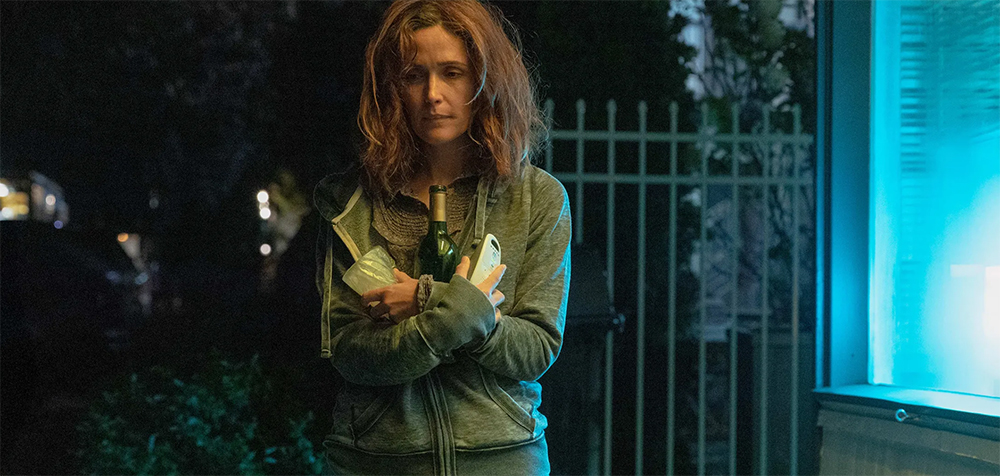
Gone is the polished comedic energy she’s known for. Here she’s raw, brittle, volatile, and terrifyingly real. Her Linda is a woman whose nervous system is on fire. Every sound, every demand, every cry from her unseen daughter is a spark threatening to ignite the whole world. Byrne’s face is a battlefield of micro-expressions, oscillating between care and contempt, love and loathing.
Bronstein and cinematographer Christopher Messina never let us leave her side. The camera crowds her, suffocates her, refuses to look away.
The subjective perspective turns every minor inconvenience—a doctor’s disapproval, a therapist’s sigh, a stranger’s judgment—into a full-scale emotional assault. It’s not melodrama; it’s empathy weaponized.
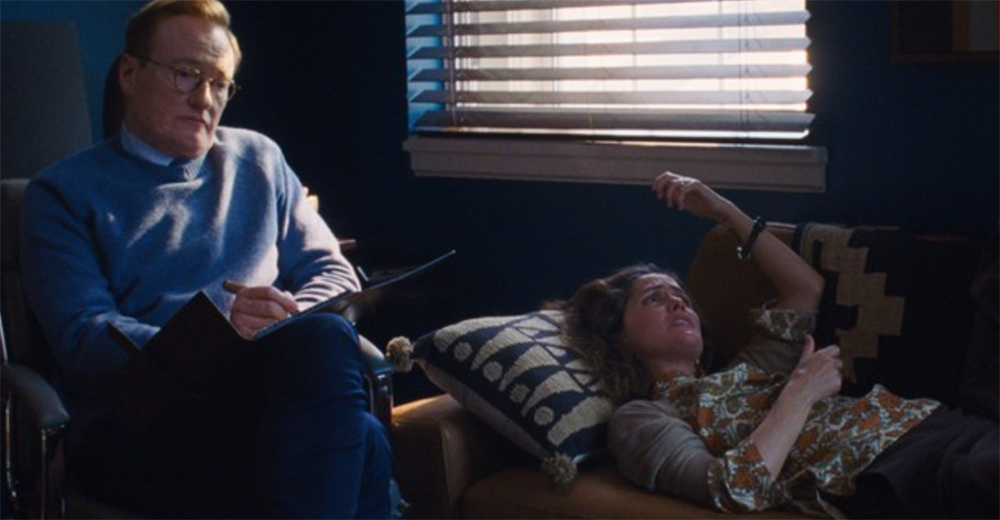
Conan O’Brien, in a brilliant piece of casting against type, plays Linda’s own therapist: a dead-eyed clinician who oozes detached irony. Watching one of comedy’s most extroverted figures suppress every trace of warmth is unnerving, and that’s entirely the point. The exchanges between Byrne and O’Brien are among the film’s best.
Then there’s that damn hole in the ceiling, which becomes much more than just a domestic nuisance.
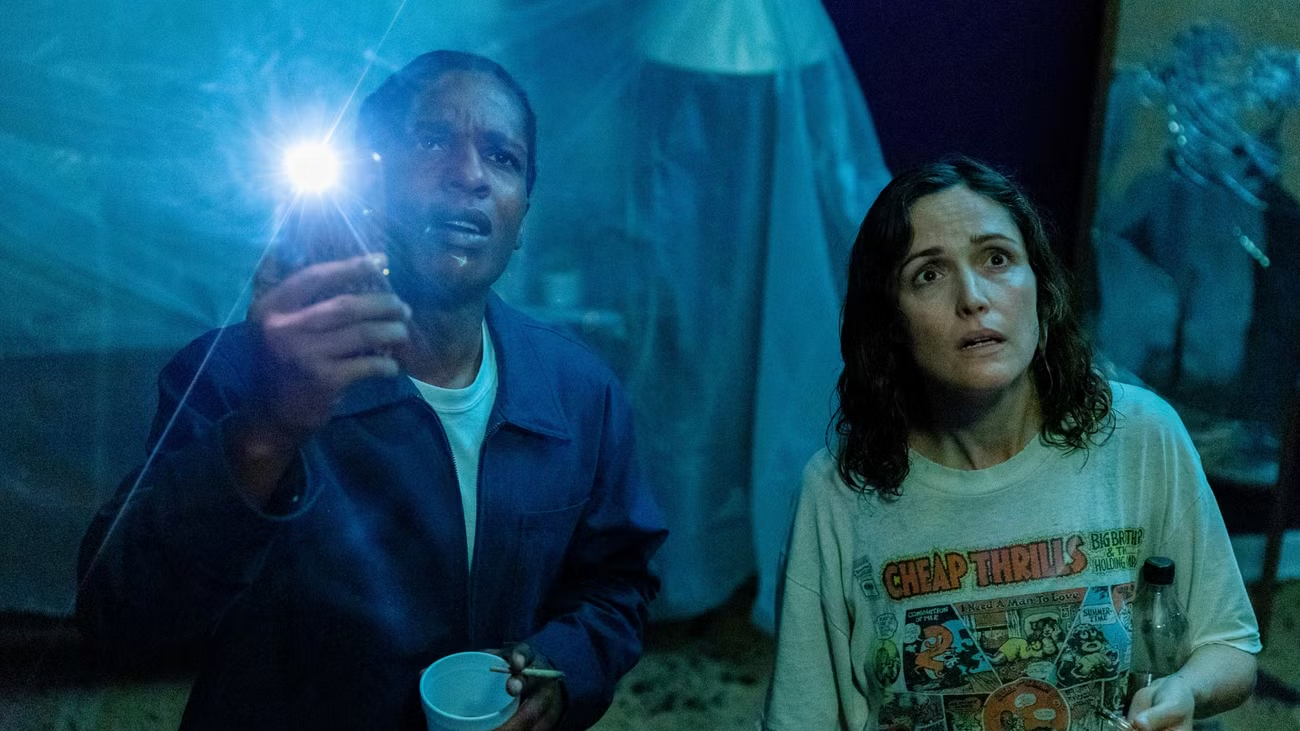
It’s a symbol of rot. It’s the gaping maw of everything Linda’s been told to fix, feed, and hold together all by herself.
When the camera plunges into that hole, it’s like staring into the black heart of modern womanhood: unacknowledged, unsupported, and always one crisis away from collapse.
Bronstein makes motherhood look like a survival horror game where the monsters are expectations, exhaustion, and male indifference. Every phone call from Linda’s husband feels like a dagger of guilt. Every doctor’s reassurance is another impossible demand. Even her patients serve as mirrors for Linda’s own unraveling.
No wonder she runs. No wonder she drinks, smokes, screams, breaks.
If you had legs, you’d kick too.
Bronstein’s script weaponizes the absurdity of motherhood’s expectations. Society demands perfection, even as it strips women of autonomy, support, and sleep. When Linda finally admits she hates her life, the film doesn’t condemn her or applaud her. It just forces us to sit in that raw honesty that’s brutal but relatable.
The humor that surfaces amid the horror is jagged but vital.
There’s a scene involving a hamster that plays like a release valve for the audience’s nerves… until it, too, becomes another metaphor for maternal futility.
By the time Linda reaches her breaking point, the audience has been pushed to that same edge of exhaustion.
In its final act, If I Had Legs I’d Kick You lets its surreal imagery swallow everything. Linda’s daughter remains faceless until the final moments. It’s a devastatingly effective choice that keeps the child symbolic, more presence than person, more need than identity.
It’s Bronstein’s most daring statement: that mothers are often defined entirely by what they provide, until there’s nothing left of them but the void.
If I Had Legs I’d Kick You is a film of nerve endings and raw nerve. It’s brutal, funny, and frighteningly human. It’s not just about motherhood; it’s about the impossible pressure of being everything to everyone when you barely exist yourself.
It’s not for everyone, but it’s a revelation; vital, unsettling, and emotionally honest.
Overall Rating (Out of 5 Butterflies): 5











Follow Us!