

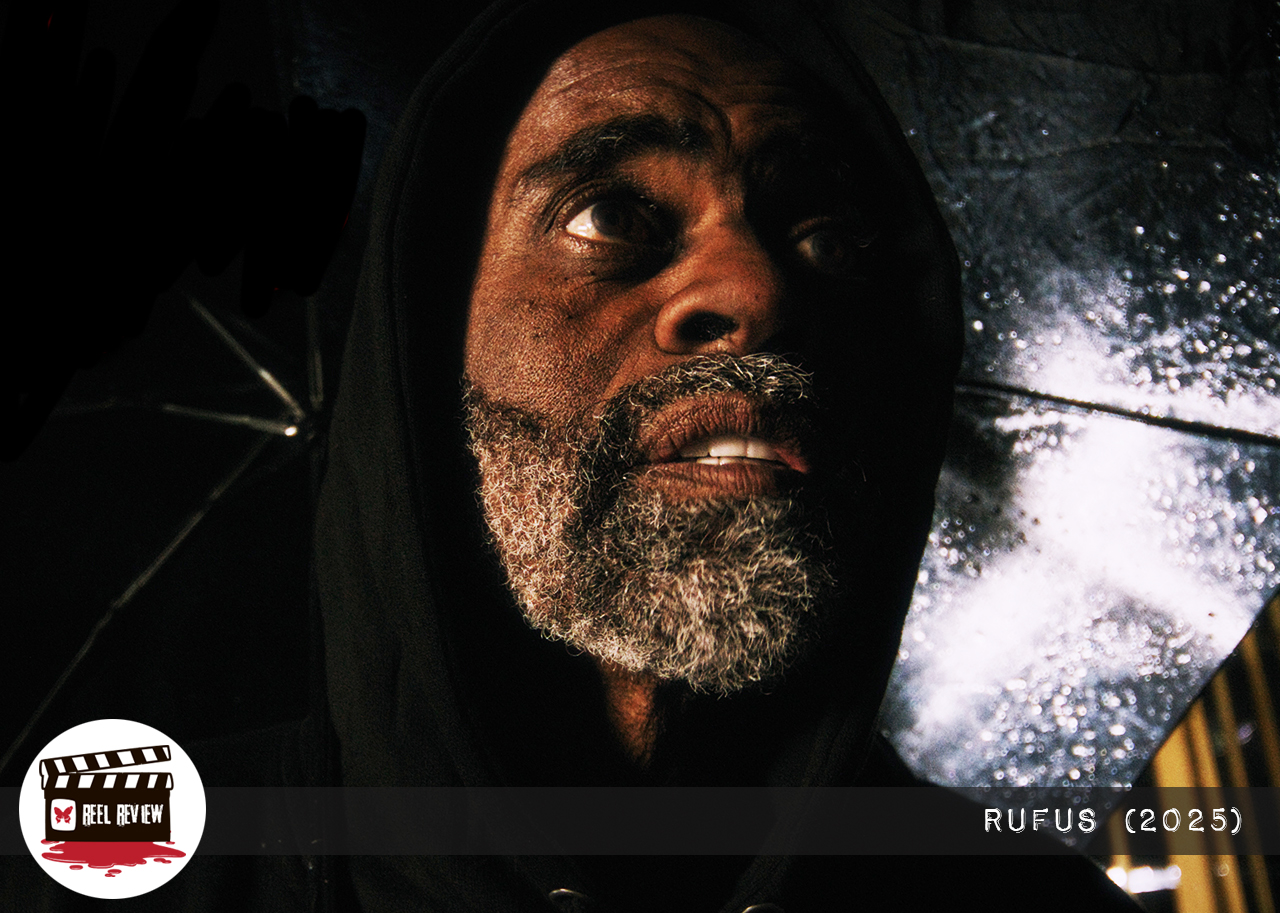
“Rufus” is a low-budget, high-energy anthology that’s campy, chaotic, and proudly weird—a midnight movie fever dream.
No time to read? Click the button below to listen to this post.

Anthology horror has always thrived on scrappy ingenuity and tonal variety, from the grisly pulp of Creepshow to the biting social satire of Tales from the Hood. Mars Roberge’s Rufus proudly joins this tradition, though its feet are planted firmly in the B-movie gutter. That’s not a dig; the film’s charm lies in its willingness to embrace rough edges, outrageous setups, and the kind of “Really Unusual Fucked Up Sh*t” that earns its acronym of a title.
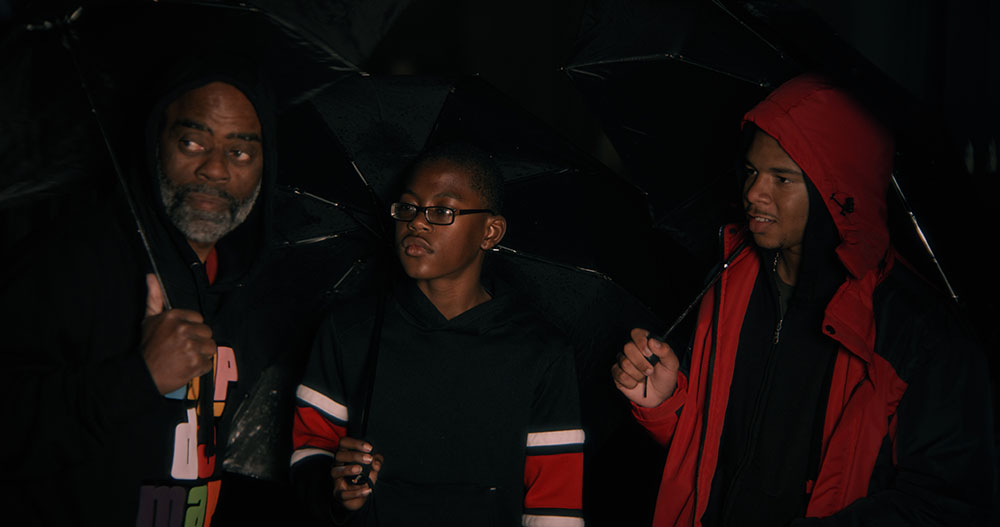
The wraparound sees notorious storyteller Rufus (played with sly charisma by reformed drug kingpin “Freeway” Ricky Ross) holding court with locals, spinning increasingly deranged tales.
From there, the film unspools five short stories that mix body horror, camp, and gonzo humor in equal measure.
Roberge directs with a punk spirit, leaning into cheap FX, hammy performances, and abrupt editing choices that give the project a handmade midnight-movie feel.
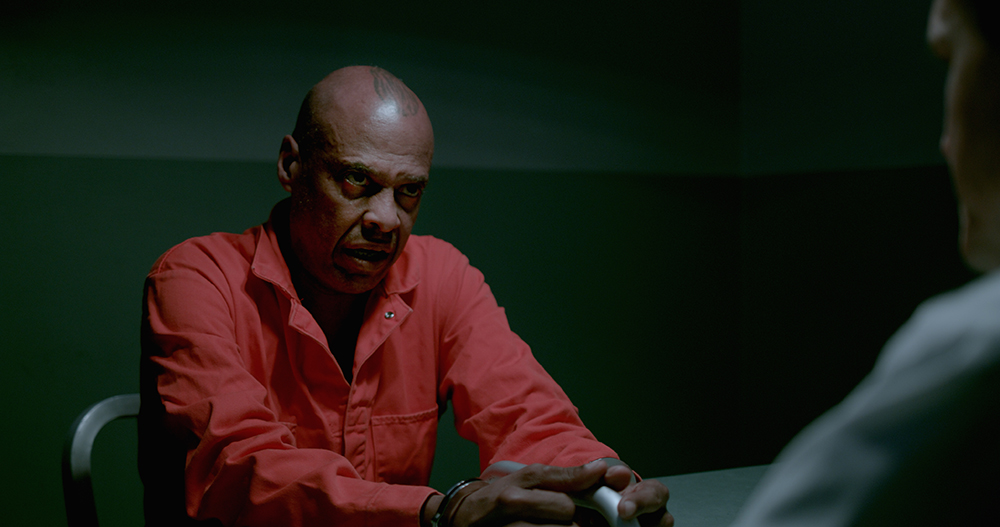
The anthology opens with a twisted tale about Stanley (Angelo Moore of Fishbone), a mortician whose hands become possessed after contact with a serial killer’s blood. Opening in a morgue brought to mind the underrated 1990s horror comedy Body Bags, directed by John Carpenter and Tobe Hooper, for which Rufus shares more than a bit of oddball DNA.
The premise of this solid opener recalls the ’90s cult teen horror comedy Idle Hands with a macabre spin, serving up slapstick, gore, and a twisted punchline that’s both funny and grotesque.
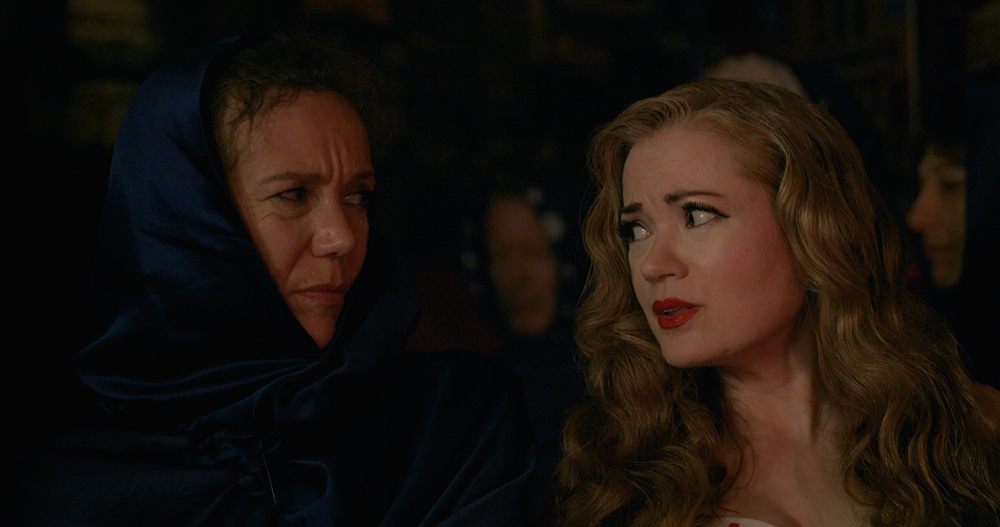
In the second segment, Debra Haden shines as Emily, an aspiring actress who lands the role of a lifetime—only to discover her castmates are more than a little weird… and not just musical theater weird. Campy, operatic, and infused with Phantom of the Opera vibes.
My favorite of the bunch, this short’s devious concept and captivating theatrics make it a standout that begs for expansion into a full-length horror musical.
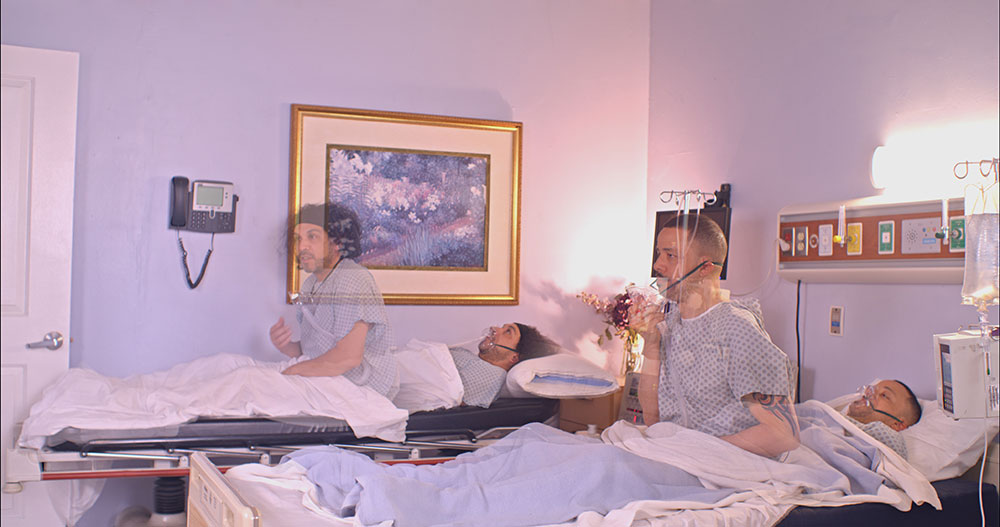
Next up is a kooky hospital tale that doubles down on the weird.
At nearly half the film’s runtime, this surreal segment is either the film’s secret weapon or its Achilles’ heel, depending on how well it lands for you.
Dr. Saul (Spookey Ruben in a deliciously scene-stealing role) and Nurse Ruth (Jennifer Drake) experiment with telepathic patients (played by David Scott Greene and Princess Frank), unaware of the psychic drama unfolding among these surprisingly alert “vegetables”. Everything changes when a gorgeous nurse, Luciana (the mesmerizing Annalisa Guidone), arrives on the scene from Mexico, who just so happens to be the ex-girlfriend of one of the men.
More importantly, she can hear the thoughts of the comatose men and communicate with them—in a very unusual way.
The story spirals into absurdist comedy that may test patience, but its unpredictability keeps it compelling.

Though it ran a bit long, I was invested, wondering where it was going. (Spoiler alert: it didn’t go anywhere I expected!)
The narrative is awkwardly broken into two segments, with the conclusion bookending the film. It’s a strange editing choice, but it makes sense that they wanted to end with their meatiest story and exit on a high note. However, the heft of this story, compared to the lightweight affair offered by the other segments, gives the film a bit of a lopsided structure.
I would have appreciated seeing one or two of the other stories fleshed out somewhat, or for the film to have devoted more time to the entertaining wraparound.
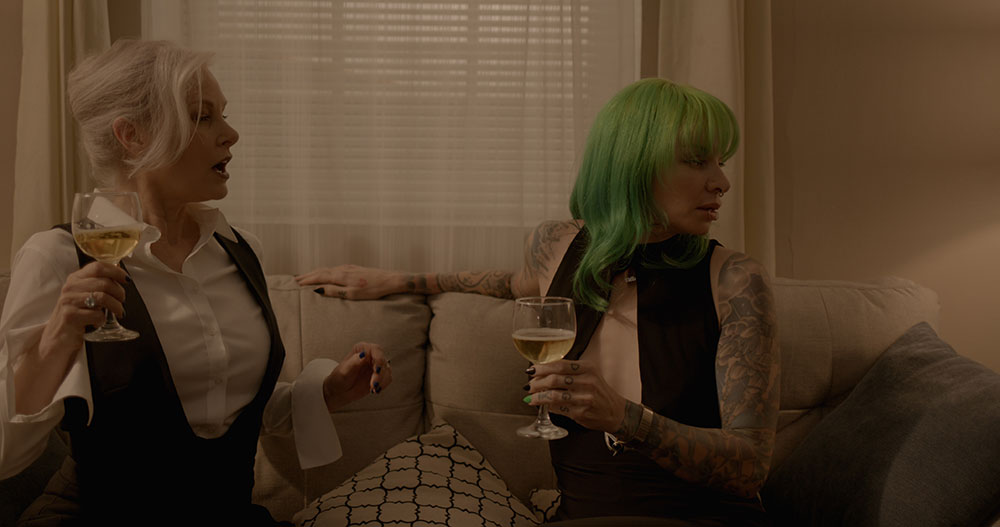
In the fourth story, Monique Parent and Verona Blue star as mothers who adopt a very unusual child. At under three minutes, it’s a barely-there oddity, but it’s so off-kilter that it packs a punch. Think Eraserhead by way of Adult Swim.
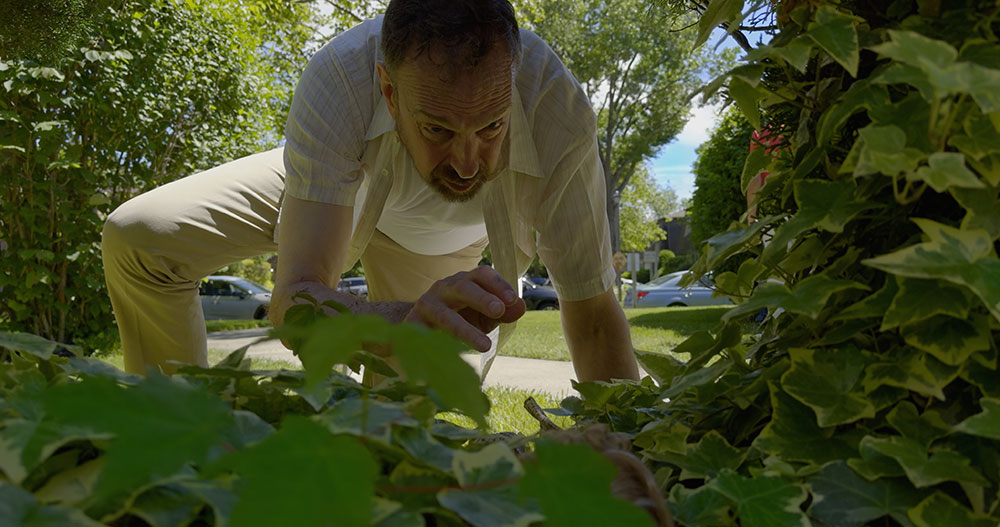
The last segment, before we circle back for part two of the weirdest hospital drama you’ll ever see, features Jim Sclavunos (of Nick Cave & The Bad Seeds) as Roger, a paranoid veteran radicalized by media fearmongering. The segment plays like a grim satire on American violence, plunging us into the fractured psyche of a man convinced his crusade is righteous.
Unfortunately, choppy editing undermines its power, but the concept is haunting in its social relevance, and Sclavunos delivers the requisite simmering menace to give this segment some bite.
Rufus is rough, uneven, and sometimes baffling—but it’s never boring.
Overall Rating (Out of 5 Butterflies): 3







Follow Us!