

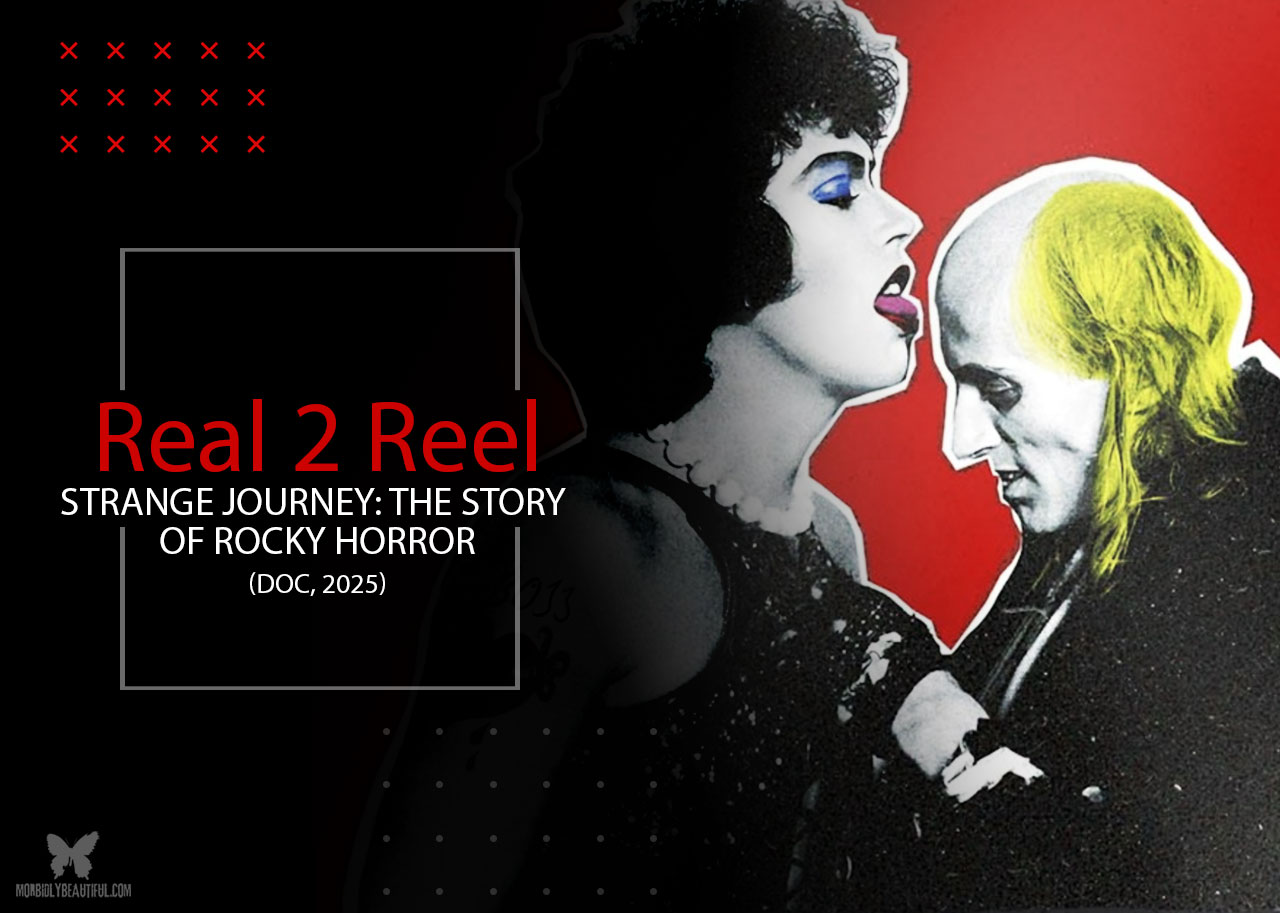
“Strange Journey” honors the legacy of “Rocky Horror”, chronicling its origins and evolution as the ultimate celebration of self-expression.

No time to read? Click the button below to listen to this post.

Fifty years after audiences first shimmied and shouted through The Rocky Horror Picture Show, the world’s most subversive midnight movie gets the love letter it deserves. Strange Journey: The Story of Rocky Horror is a glittering, heartfelt documentary chronicling the rise, fall, and glorious resurrection of a cultural juggernaut that refuses to die — or to sit quietly in the dark.
Directed by Linus O’Brien, son of Rocky Horror creator Richard O’Brien, the film is both deeply personal and exuberantly celebratory. It honors the creative misfits who built Rocky Horror and the generations of fans who turned it into the longest-running theatrical release in history.
From Richard O’Brien’s New Zealand roots to the raucous stages of London, Strange Journey revels in the wild evolution of an idea that began as a punk-rock parody of B-movies and morphed into a global declaration of queer joy, sexual liberation, and radical self-expression.
Linus O’Brien’s approach is rooted in both reverence and revelation.
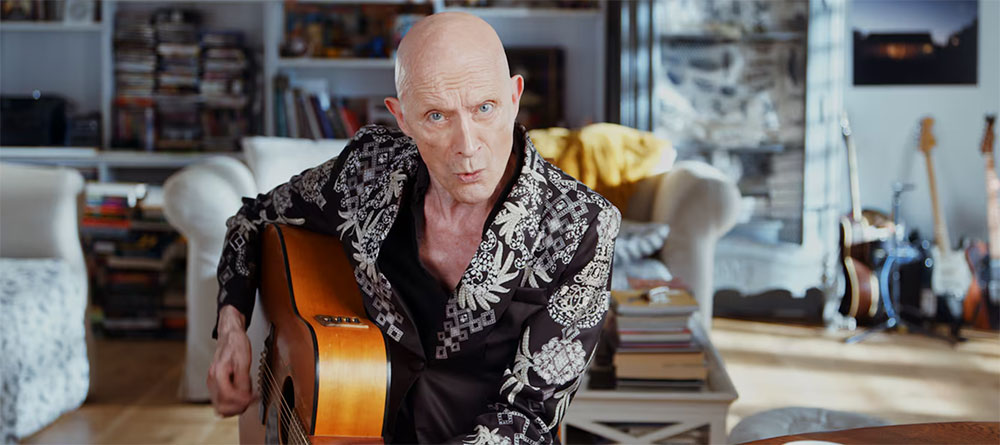
The film begins in Richard O’Brien’s hometown of Tauranga, New Zealand, where he visits a statue of himself in fishnets and stilettos—a perfectly surreal image for a man whose art forever blurred the line between the conventional and the transgressive.
From there, Linus traces the unlikely evolution of Rocky Horror: from its humble 1973 stage debut in a cramped London theater, to its cult resurrection after a disastrous box office flop, to its current status as the longest-running theatrical release in history.
Along the way, we’re treated to priceless anecdotes from the stars that became legends: Tim Curry, Susan Sarandon, Barry Bostwick, Patricia Quinn, and Nell Campbell. We also hear from director Jim Sharman and producer Lou Adler, along with reflections from modern icons like Trixie Mattel and Jack Black, who embody the film’s enduring influence.
The film’s thesis is as simple as it is profound: RHPS no longer belongs to its creators; it belongs to its fans.
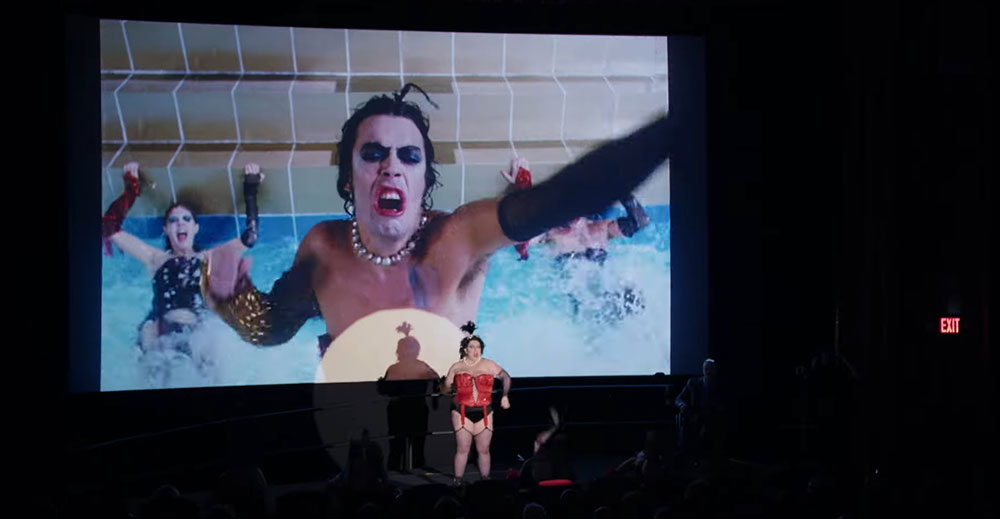
Through decades of midnight screenings, audience participation, shadow casts, and glitter-smeared rituals, the community transformed Rocky Horror from a movie into an ongoing act of communal creation.
Linus captures this evolution with infectious energy.
Archival footage of the first “Time Warps” gives way to contemporary fan testimonies, including a moving segment where Sal Piro (one of the most prominent fans in the movie’s early years, who died in 2023 and to whom the film is dedicated) recounts surviving the AIDS crisis because his Friday and Saturday nights were spent “out of circulation” at a Greenwich Village screening.
It’s a reminder that Rocky Horror wasn’t just entertainment; it was sanctuary.
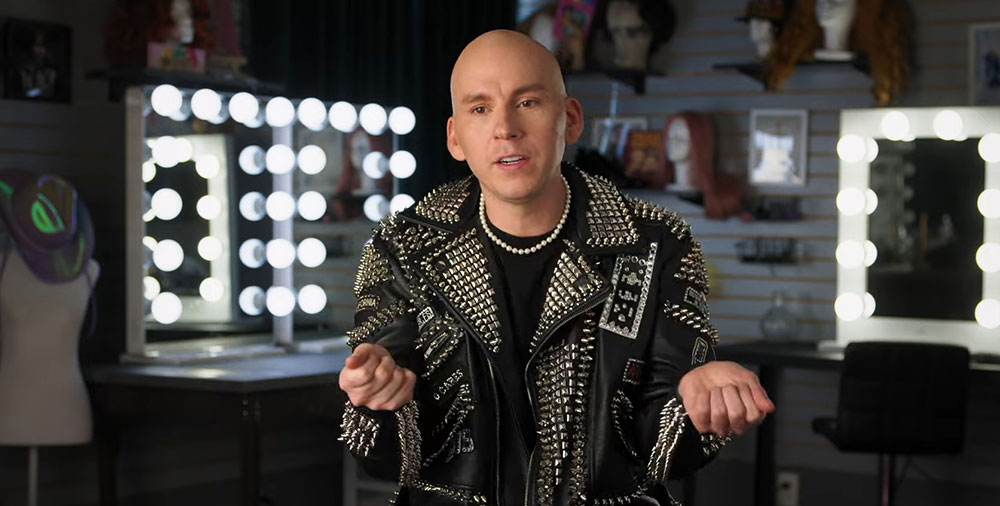
The documentary also delves into the queer politics that have always pulsed beneath the fishnets.
Richard O’Brien, who identifies as “70% male and 30% female,” speaks candidly about finding identity and acceptance through the creation of Dr. Frank-N-Furter — a “sweet transvestite” who dared to be everything society told him not to be.
In one of the film’s most emotional moments, O’Brien tears up discussing the sense of belonging countless fans discovered through this strange, shimmering world.
The beauty of Strange Journey lies in how it embraces the duality of RHPS: its camp excess and its emotional sincerity. It celebrates the humor and chaos but also honors the vulnerability at its core.

As Susan Sarandon astutely notes during one of the film’s most compelling interviews, “Films that are challenging are political. Rocky Horror is challenging. It’s political.” She contextualizes Janet’s sexual awakening within the 1970s feminist movement, distilling the film’s moral to its purest essence: “Say yes to life — to everything.”
Through this lens, Linus O’Brien’s documentary becomes not just a celebration of a film, but of a philosophy.
It’s a reminder that joy, defiance, and queerness are revolutionary acts.
Half a century later, The Rocky Horror Picture Show continues to warp time and expectations.
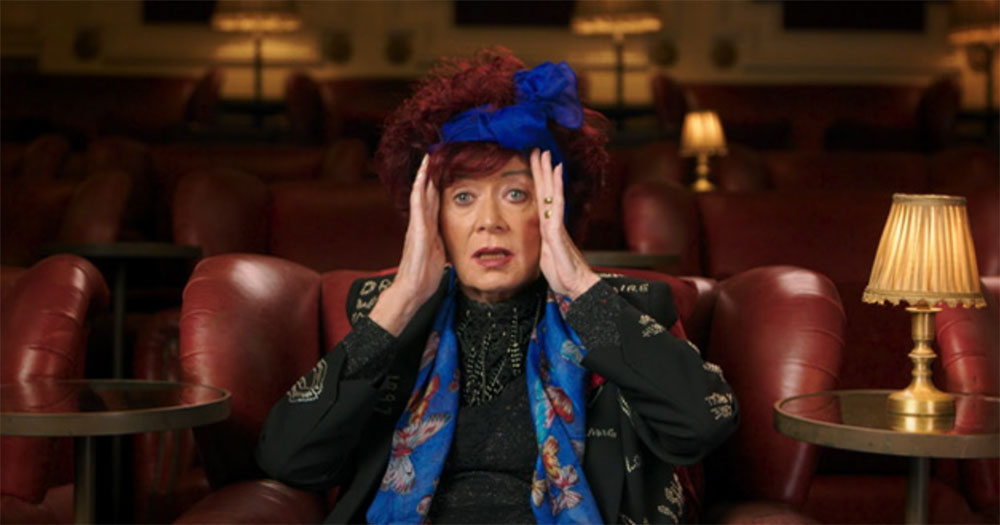
It has survived backlash, censorship, and shifting cultural tides. Yet, it remains as vital as ever. The heart of the film resonates powerfully in 2025, when the fight for gender expression and bodily autonomy rages louder than ever. “Gender has become a political football,” Richard O’Brien laments, “which is really just global ignorance.”
As much as this is a jubilant and touching celebration, the absence of several beloved cast members is felt, including Jonathan Adams, Charles Gray, and Meat Loaf. And it’s impossible not to feel a pang of heartbreak seeing the once larger-than-life Tim Curry, now wheelchair-bound, his body frail but his wit and spark undimmed.
His presence remains magnetic, his voice rich with warmth and mischief, reminding us that though time has altered his form, it hasn’t dulled his light.
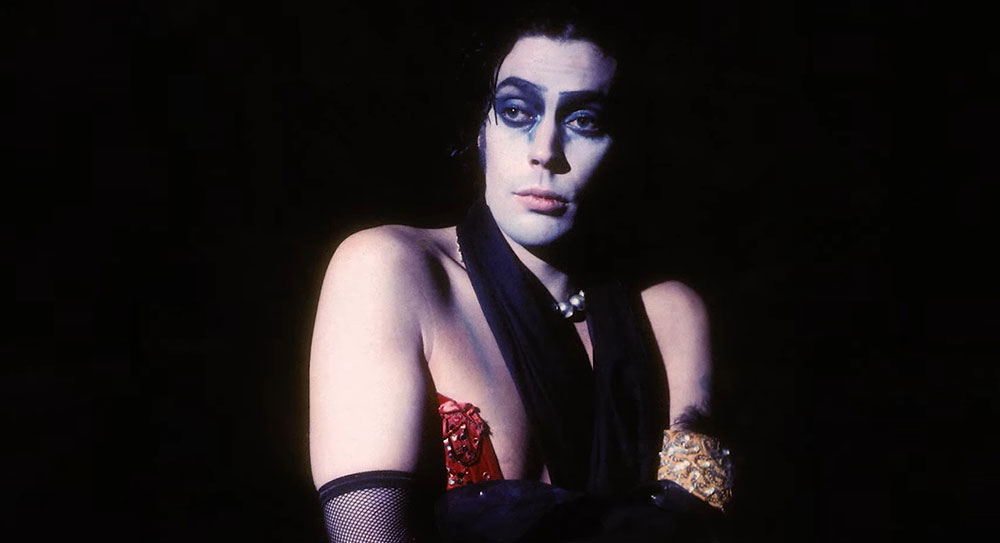
In one of the most bittersweet moments, Richard O’Brien sings to the camera (as he does throughout the documentary). After being called out for speeding up the tempo of one of the RHPS songs, he remarks wryly, “I’ve not got much time left.” It’s both funny and heartbreaking, a reminder of the fleetingness of life and the permanence of art.
In the end, Strange Journey is as much about the future as the past. It’s a call to keep the spirit of Rocky Horror alive—not just in midnight screenings but in every act of fearless authenticity.
As the documentary notes, it changed the lives of its creators and gave legions of outsiders a chosen family and a salvation. It endures because it dares to be unashamedly itself, in an era when identity is still politicized and joy itself feels radical.
“Don’t dream it, be it” wasn’t just a lyric. It was a manifesto. And this documentary reminds us why we still need to hear it.







Follow Us!