


We head to Denver Film Festival 2025 for animal attack mayhem, crime-fueled terror, haunting animation, and more; let’s recap the highlights.
No time to read? Click the button below to listen to this post.

Now in its 48th year, the Denver Film Festival once again takes over the Mile High City with an impressive and diverse lineup. This season, join us as we explore the darker side of storytelling at DFF 2025. From animal attack terror to a creative conversation panel, DFF 2025 delivered a stacked lineup of emotionally charged and masterful genre filmmaking. Here are a few titles that left their legacy.
Primate
A heartfelt take on the slasher formula that blends family, comedy, and chimpanzee carnage.
Set in the lush yet isolated landscape of Hawaii, Primate shapes paradise into a bloody nightmare.
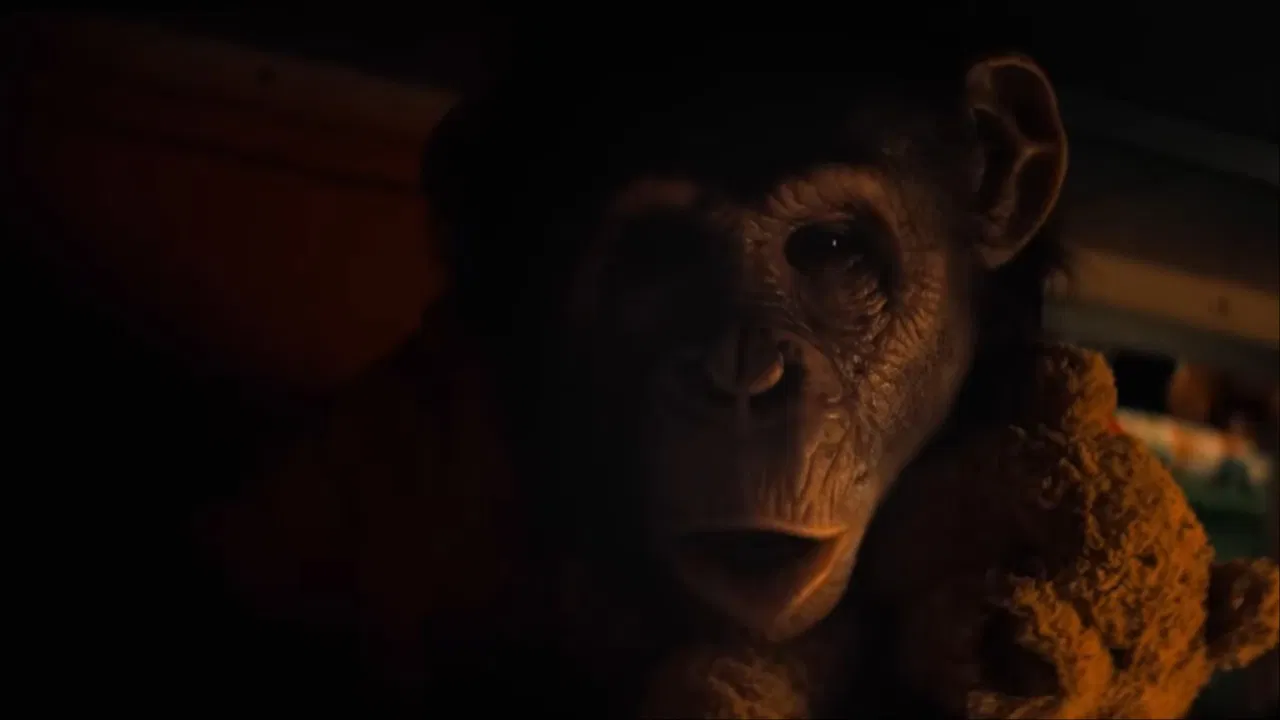
What begins as a carefree weekend for a local family and their friends quickly turns into madness when their infected “pet” chimpanzee, Ben, escapes containment and unleashes carnage. The opening sequence wastes no time letting the viewer know what kind of ride they’re in for. A violent attack, followed by newspaper clipping montages about viral rabies and creepy music, sets the tone for this animal terror slasher.
It’s a stylized descent into madness that carries impressive emotional weight.
Primate reads like a love letter to the classic slasher genre. The synth-heavy soundtrack echoes the dread of Halloween, while manic moments (like Ben smashing through a pantry door) suggest the unhinged energy of The Shining. The film flirts between horror and black comedy, moving from flesh-shredding brutality to absurdly hilarious chaos from one sequence to the next.
That tension between terror, humor, and visceral practical effects is what makes the experience unsettling and fiercely entertaining.
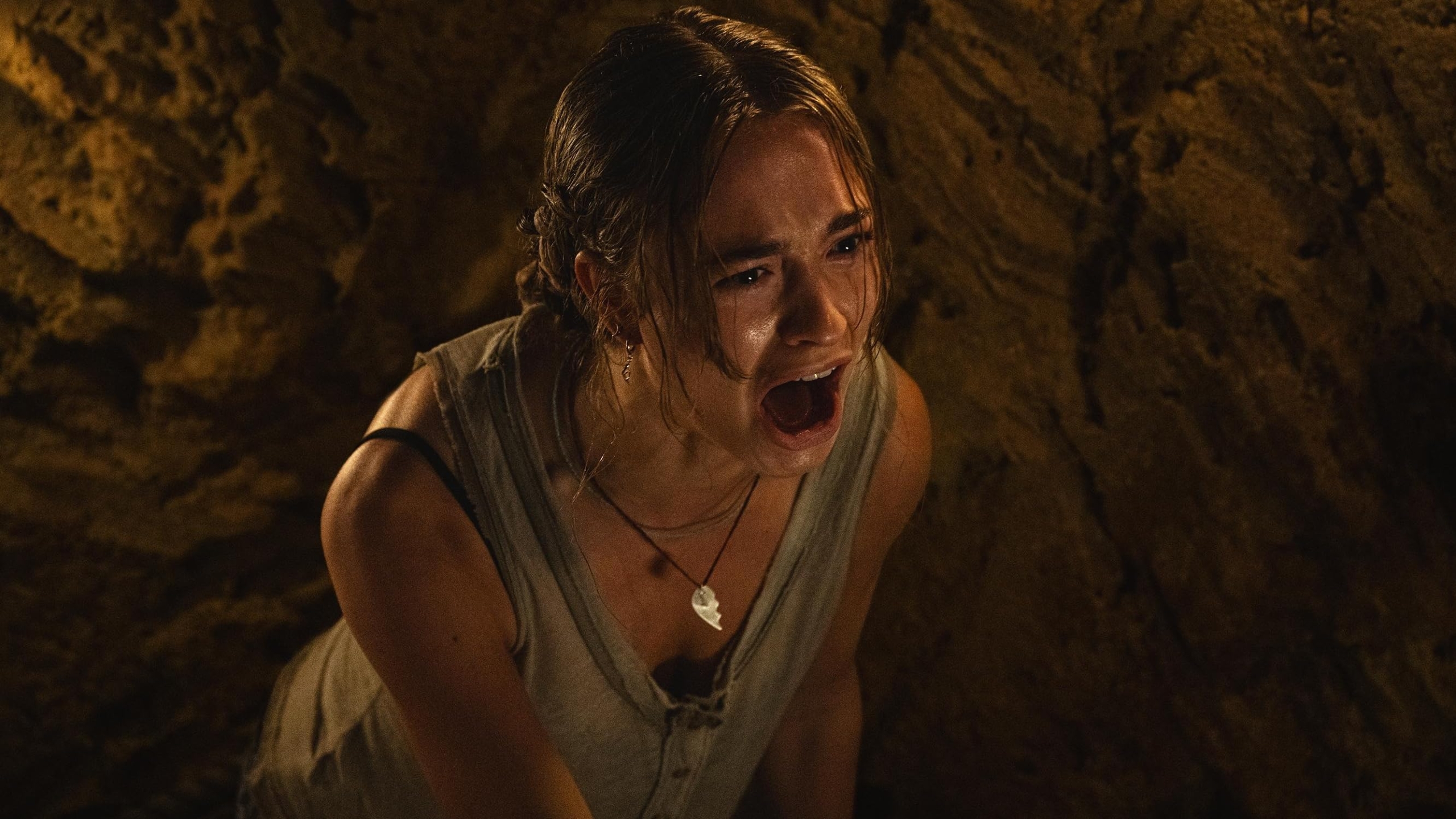
In terms of social commentary, the film reflects humanity’s complex relationship with animals and the thin line between compassion and control.
There are subtle nods to animal testing and the moral gray zones of “curing” versus exploiting nature. It also cleverly advocates accessibility, featuring characters who communicate through sign language—a narrative trope that emphasizes both the silence and isolation of the setting. Here, communication becomes just as important as survival itself.
There’s also much to be discussed about the bond between Ben and the family. Early scenes portray him not as a mere pet but more as an integral member of the family, which makes his infection and transformation even more tragic. Once loving and playful, he turns into an unstoppable beast consumed by rage, forcing his family to confront the reality between empathy and survival.
It’s a bizarre yet deeply moving dynamic that the film captures with surprising sensitivity.
Visually, Primate delivers.
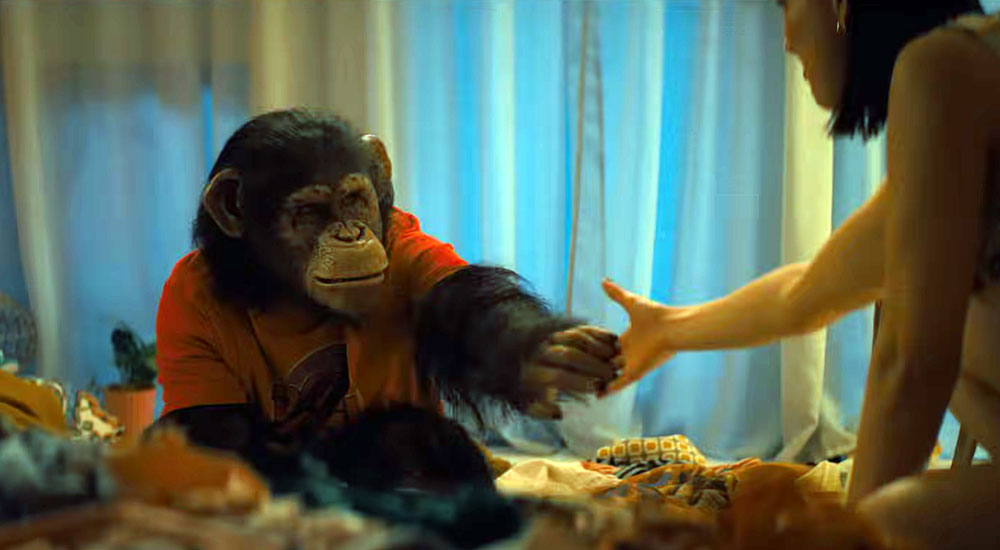
The creature effects are so realistic that it’s easy to question whether a live chimp was used (spoiler: the film relies entirely on practical and special effects, and they’re phenomenal). Every flesh-ripping, screeching, and rage-fueled fight lands with grotesque satisfaction.
The soundtrack deserves equal praise, mixing high-energy beats (hello, Charli XCX) with haunting, string-heavy dread to keep the viewer on edge from start to finish.
Still, not everything was glorious. The pacing slows in the middle act, lingering too long on a pool sequence that stalls the narrative. The characters’ decisions sometimes stretch believability, and as the film approaches its climax, the tension wanes, ultimately leaving the audience in predictability mode.
Primate can’t always decide whether it wants to be a tragic creature story or a campy black comedy, ultimately affecting the viewer’s experience.
Even so, Primate stands out as a creature feature with a slasher spirit. It’s funny, bloody, and unexpectedly empathetic.
Honoring genre tradition while adding something refreshingly wild, this is one memorable “when animals attack” horror that is not to be missed.
Dead Man’s Wire
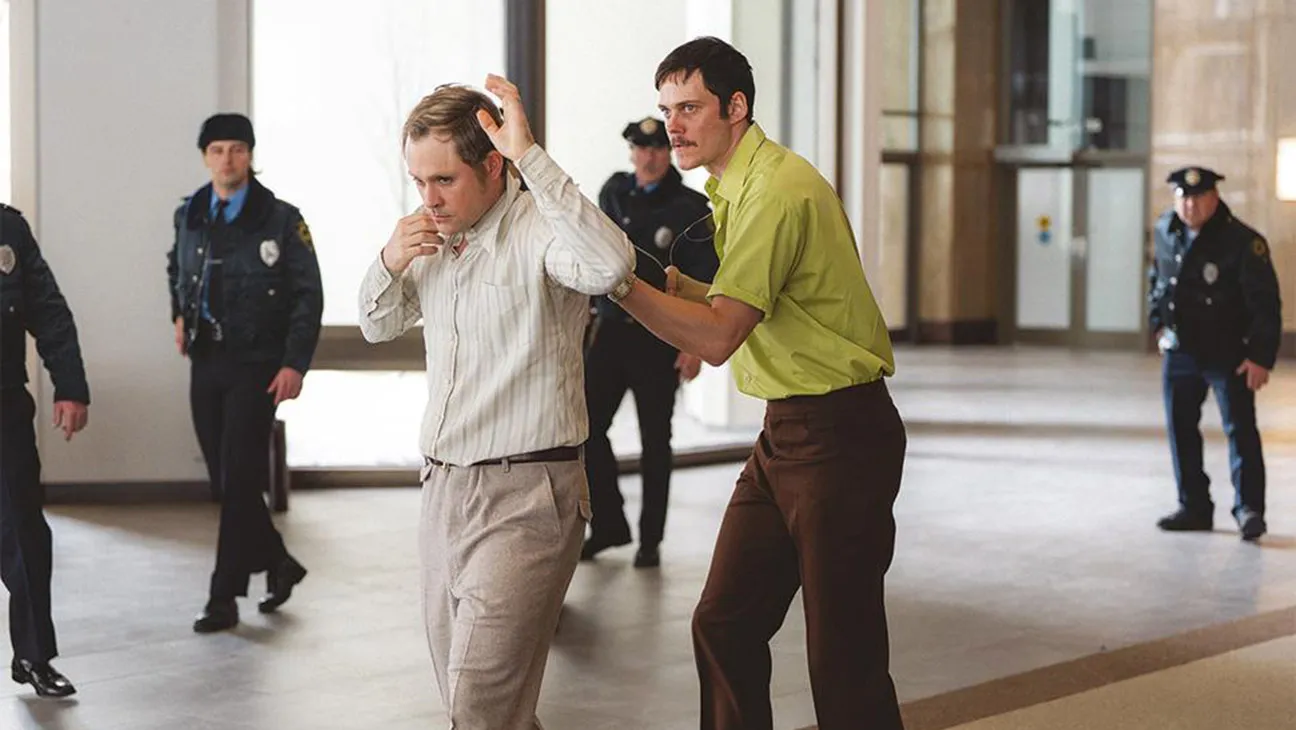
A tense, comedic, and fully immersive crime thriller that grips from start to finish.
Based on true events from the late 1970s, Dead Man’s Wire is Gus Van Sant at his best.
The film follows Tony Kiritsis (Bill Skarsgård), who wires a shotgun to the neck of his mortgage broker, Richard Hall (Dacre Montgomery), creating a 63-hour hostage crisis that escalates into a national media frenzy. What begins as a desperate act of justice becomes an absurd and terrifying spectacle, resulting in a tale of true-crime horror and satire that exposes how tragedy can be transformed into entertainment.
Skarsgård and Montgomery deliver powerhouse performances, reviving their real-life counterparts with authenticity and emotional nuance.
Van Sant recreates the era with precision: from the groovy beats to the lingering cigarette smoke close-ups, every detail sends the viewer straight into the late ’70s. The film’s visual language and sound design intensify the absurdity while maintaining tension, delivering chaos in a calculated approach.
What makes Dead Man’s Wire particularly fascinating is how it slips between fact and fiction.

Van Sant had access to the actual 911 call and original broadcast footage from the event, using those archival resources to bridge the gap between the recorded media experience and the “real” lived one. The effect is masterful and reminds the audience of that line between performance and truth. By the film’s closing sequence, Van Sant anchors his story in raw authenticity.
Before the screening, I had the chance to connect briefly with Van Sant on the red carpet, where he described Dead Man’s Wire as “a story about the little man fighting the big man—a desperate bid to be heard.”
Later, he spoke about drawing from archival recordings to explore how media shapes perception, and how empathy and spectacle can coexist uncomfortably within the same story. That vision clearly resonated, as Van Sant was honored with the Denver Film Festival’s 2025 Excellence in Directing Award.
It was a well-deserved recognition for a filmmaker who continues to share stories with empathy, experimentation, and cultural commentary, all with a creative vision.
If there’s one element that could have elevated Dead Man’s Wire even further, it would be leaning more into the thriller energy that Skarsgård serves during Richard’s dream sequence.
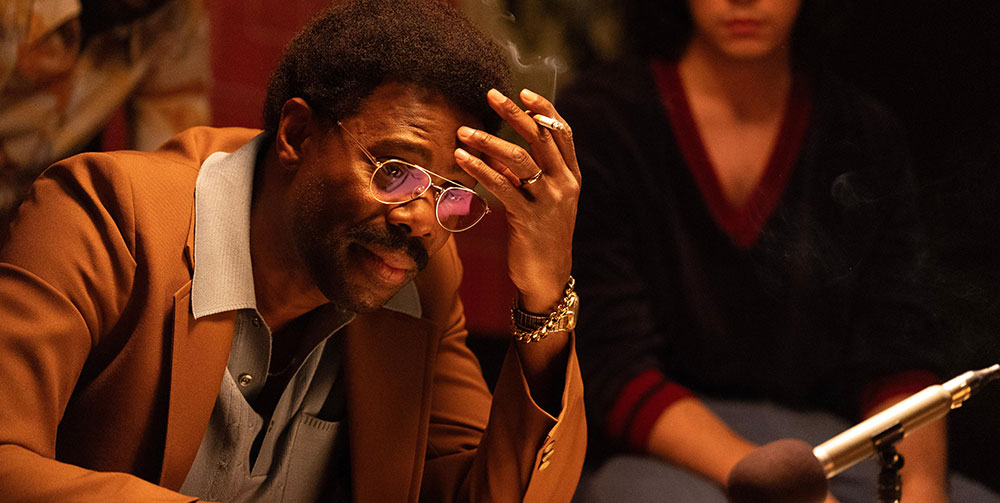
There’s a surreal glance into Tony’s unhinged perspective that deserves a deeper dive. It’s brief but unsettling, and a touch more of that psychological build-up could have enhanced the film’s edge without sacrificing realism.
Dead Man’s Wire is both hilarious and horrifying. It’s a true-crime thriller that doubles as cultural commentary.
The film frames Tony as the flawed antihero of a rigged financial system; a man pushed past his limits in a space where outrage is broadcast as entertainment. After speaking with Van Sant and screening the film, it’s clear this isn’t just a retelling of a crime; it’s an observation on how society consumes spectacle.
Dead Man’s Wire is a bizarre and brilliant revival of a moment that permanently changed the way the media covers breaking news.
Short Film Standout: A Knock in the Dark (dir. by Estee Fox)
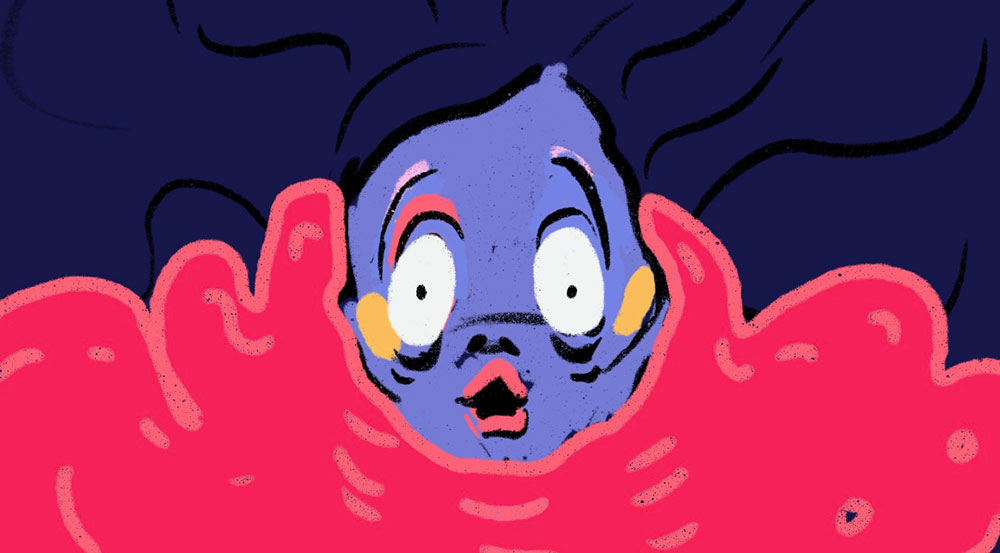
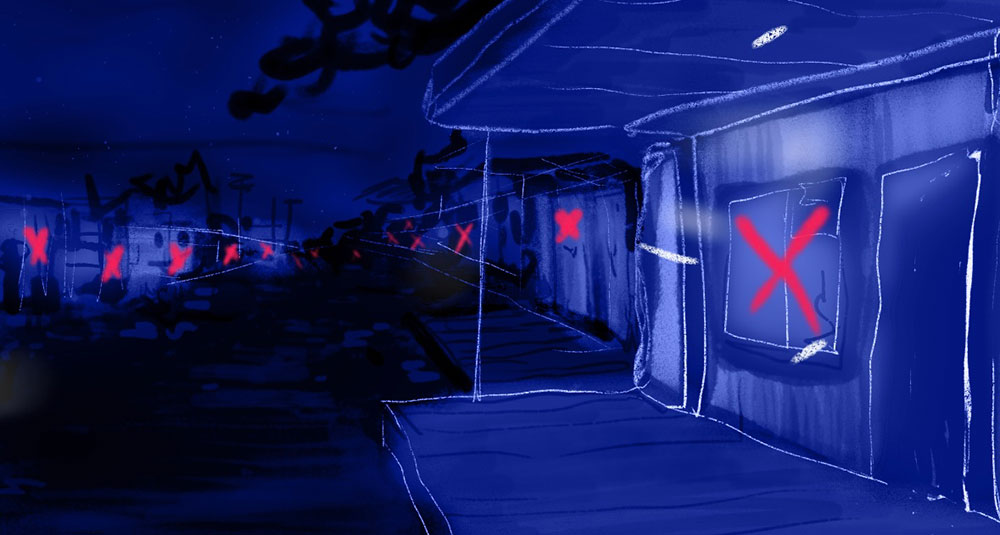
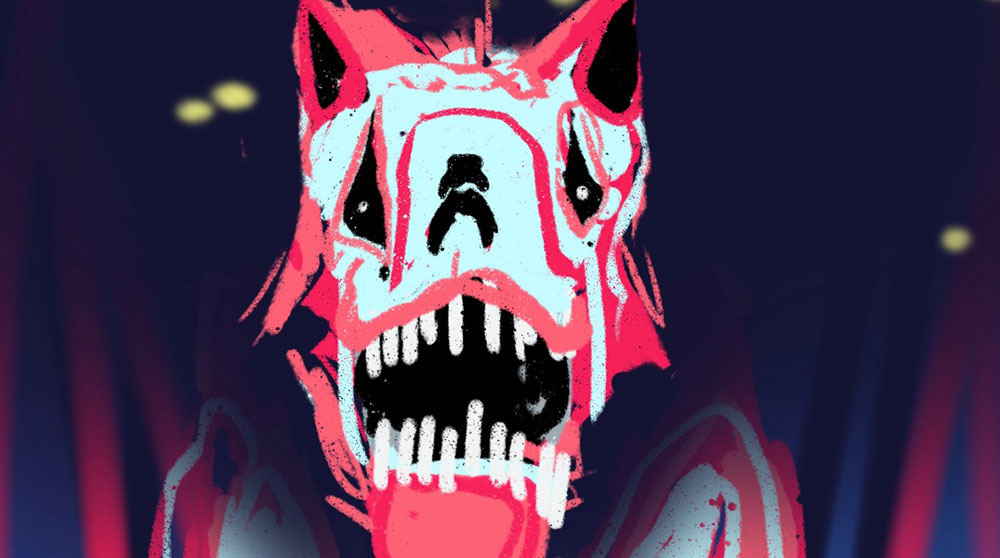
Some of the most thoughtful stories across festivals emerge from the short film category. This season at DFF, A Knock in the Dark (a hauntingly beautiful hand-drawn animation) stood out the most. Viewed from the perspective of an observer, the film presents an atmospheric presence as the viewer is transported to a moody, cold mountain landscape, where the only company is the full moon and the distant cries of wolves.
Quickly, we witness an unsuspecting woman who meets an unfortunate fate at the mercy of a grisly beast, while another onlooker quietly shies away from helping her. These complex dynamics force the viewer to consider whether they might act differently in a similar situation or turn away just the same.
The finale leaves little to the imagination as the wronged soul returns to haunt the bystander who did nothing—an eerie commentary on our contemporary society’s complicity, especially when given the opportunity to act.
The sound design is exceptional, as the tension builds slowly and dreadfully, making it essential to the film’s emotion as the choices of its characters.
After speaking with the filmmaker, it became clear how voices like hers are to the evolving landscape of genre cinema, especially among female filmmakers who continue to reach through horror and animation as spaces for emotional truth and moral complexity.
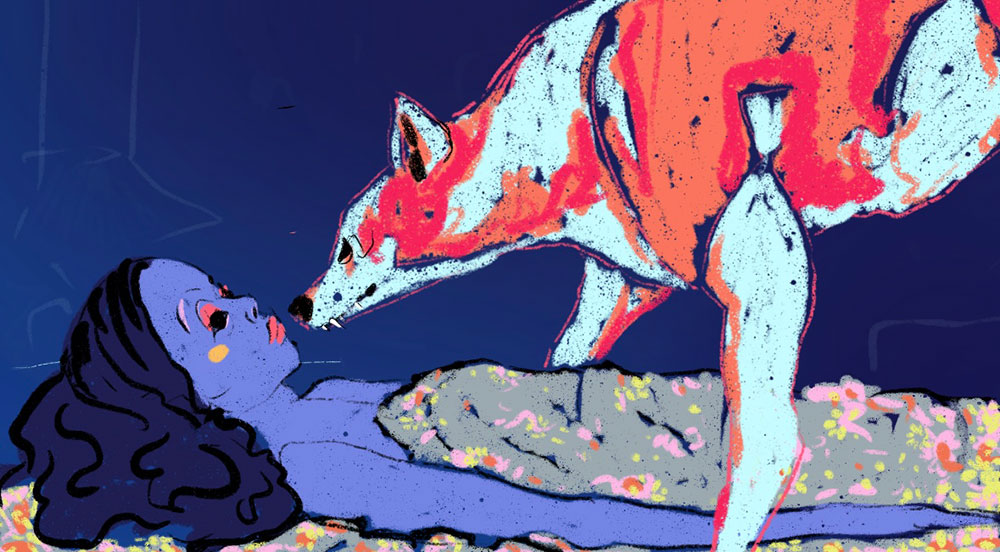
Fox described her process as deeply instinctive and embodied, constructing the film entirely by hand with thousands of individual drawings animated at 12-24 frames per second. She explained that her work begins not from storyboards or plans, but from emotional fractures in her life, and so the act of drawing becomes a physical response to tension, breath, and pulse.
She likened her approach to the expressive intensity of Egon Schiele and Gustav Klimt, imagining that if painters like them had the means, they might have turned to animation as a way to make “the body’s instinct visible.”
A key influence for her is Belladonna of Sadness, a film she called both “beautiful and repulsive.”
That duality of awe and violation forms the emotional core of her own work, where horror becomes a visual language for exploring the psychological and moral violence of art that confronts cruelty while resisting the urge to fetishize it.
Creative Conversations: Monsters, Myths & Mountain Tales (Genre Filmmaking in Colorado)
For this intimate Creative Conversations panel, attendees gathered in a room filled with both established and emerging filmmakers to discuss the evolving role of genre storytelling. The discussion was insightful, offering a thoughtful look at the importance of genre filmmaking and how artists see their function within the industry. From personal experiences to hilarious behind-the-scenes moments, the event created a safe space for creatives to connect and reflect on their craft.
Panelists also discussed how Colorado’s unique landscape and folklore inform their work.
Especially considering the state’s long history of ghost stories and frontier mythology that continue to shape its cinematic identity. As noted on the festival’s website, this conversation was designed to celebrate “Monsters, Myths, and Mountain Tales,” discussing how regional stories inspire a new generation of filmmakers.
FINAL THOUGHTS
The Denver Film Festival continues its legacy with another fantastic year, celebrating a dynamic mix of international features, award-worthy contenders, and locally produced gems. The festival’s thoughtful programming and community spirit establish its place as one of Colorado’s most essential cultural events.



Follow Us!