Witch Wednesday: The Last Thing Mary Saw (2021)


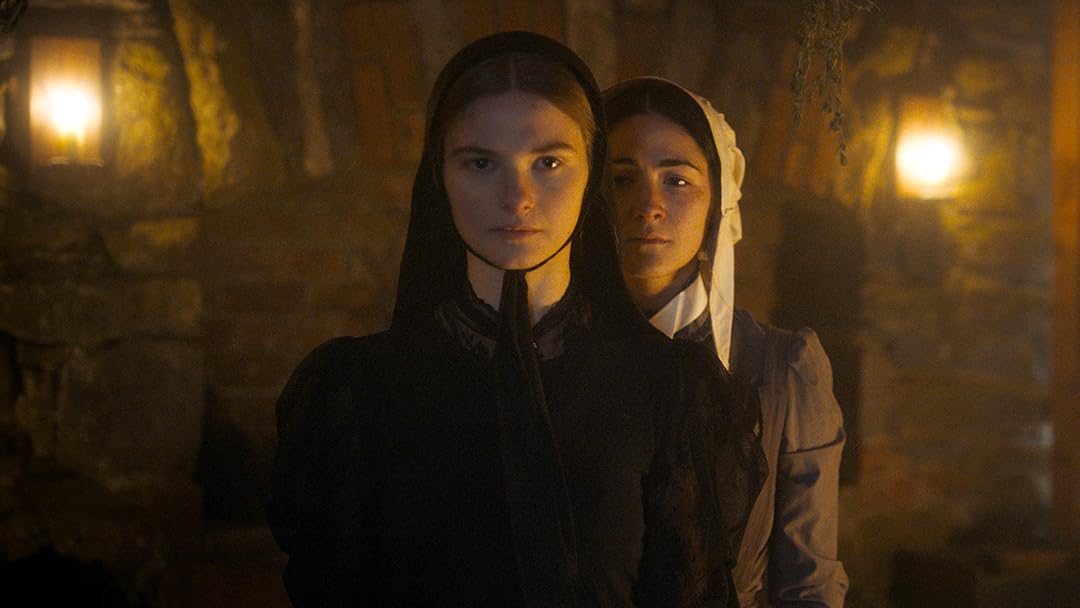

“Fear and weakness keep us here. Not devotion.”
For as long as horror has had witches, it has had a language for women who refuse to behave.
The witch is rarely just a woman with power. She is a woman who wants too much, knows too much, feels too much, survives too much, or loves in a way the world cannot control. She becomes a warning label slapped onto female autonomy. She is a convenient monster made from fear of desire, knowledge, sexuality, and disobedience.
In horror, witchcraft has always been one of the genre’s sharpest metaphors for repression.
It’s the violence of being watched, judged, silenced, punished, and told that your body and your heart belong to someone else. And it’s what makes Edoardo Vitaletti’s feature directorial debut, The Last Thing Mary Saw, a quietly devastating Pride Month selection.
The film is set in a rigidly religious 19th-century household where love between two young women is treated as a sin, a dangerous threat, and a contamination.
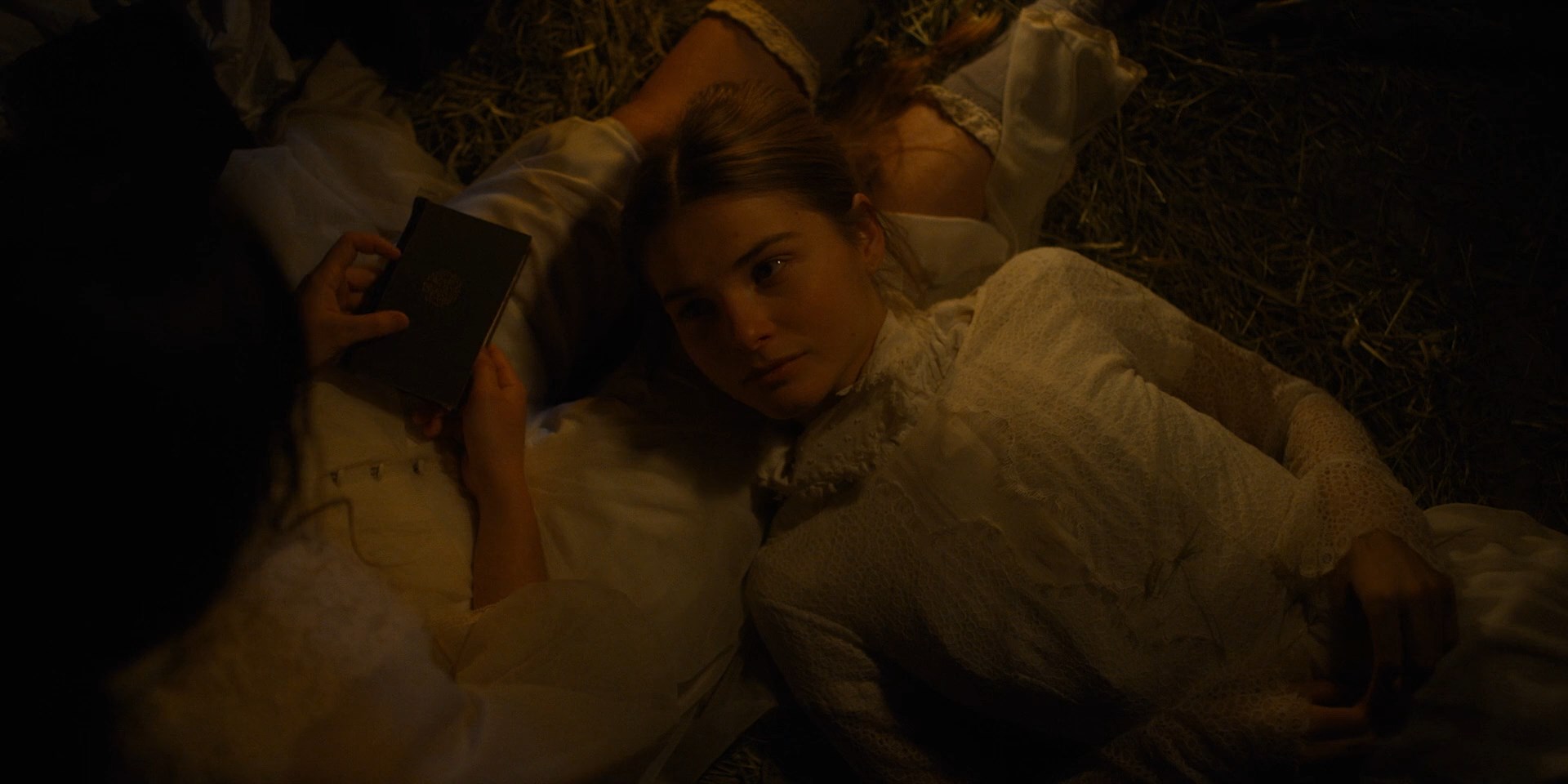
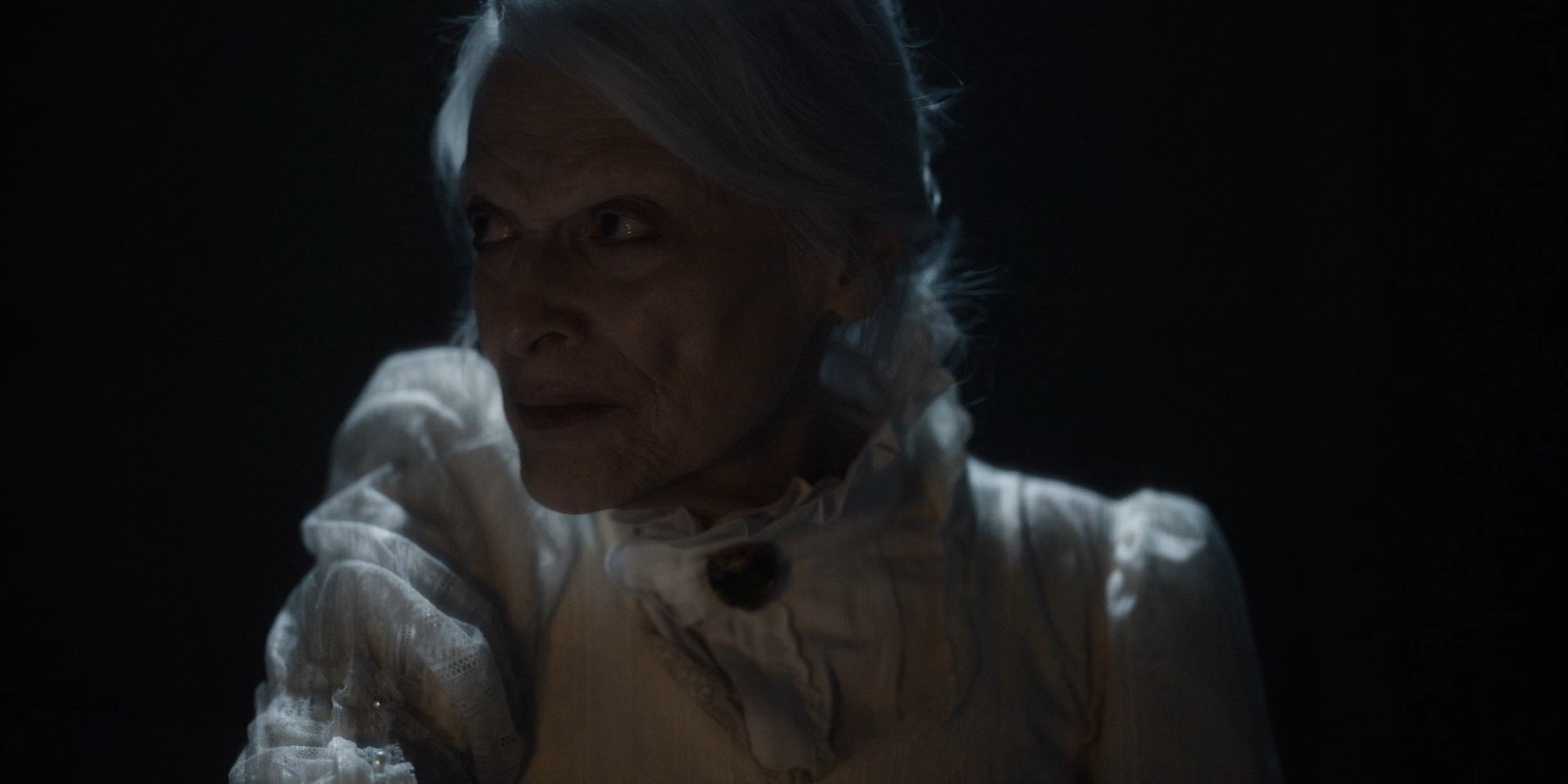
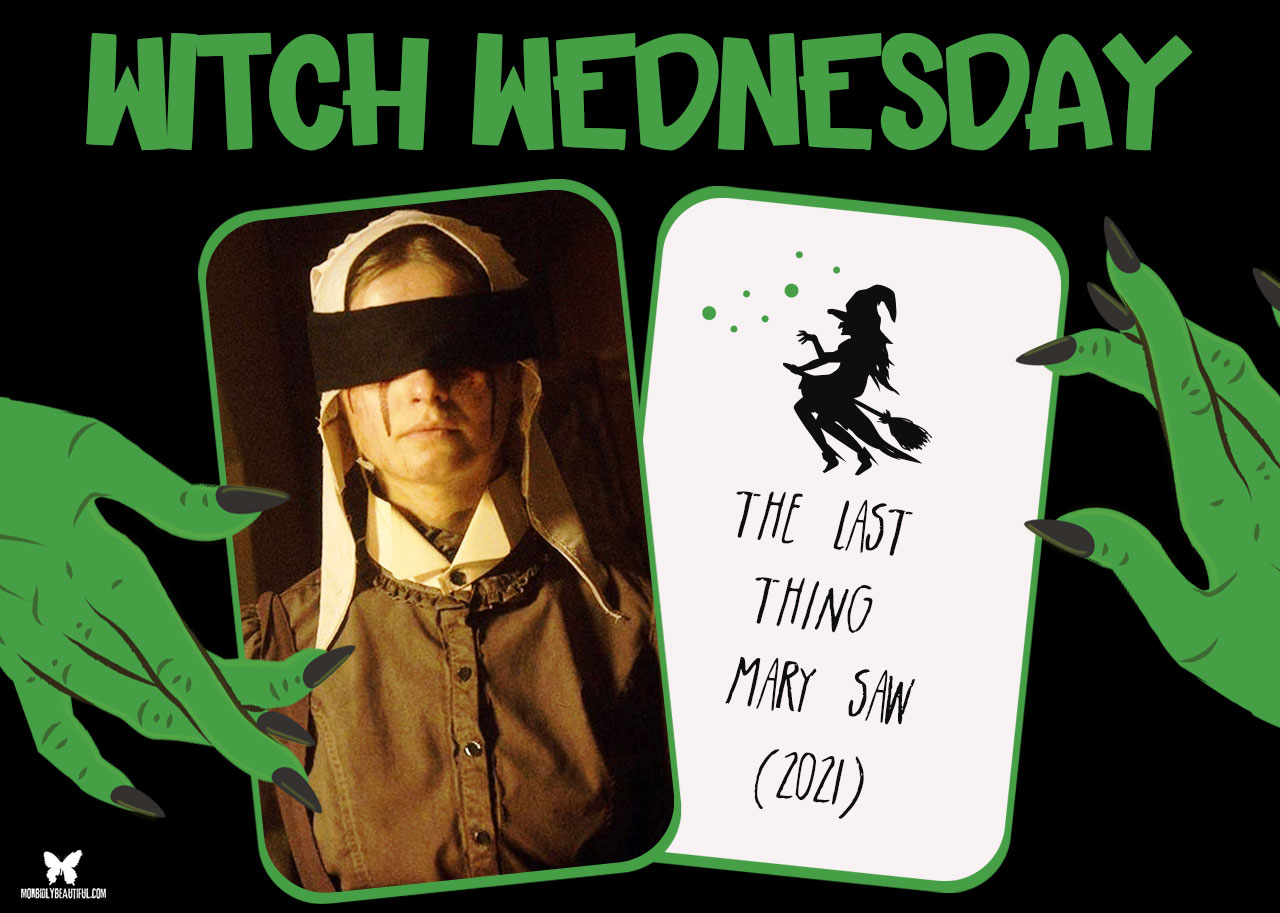
Mary (Stefanie Scott) sits blindfolded, blood trickling from her eyes, as authorities question her about the mysterious, violent deaths of her wealthy, hyper-religious family. As the film slips into flashback, we see the suffocating reality of Mary’s upbringing under the draconian rule of the family’s matriarch, played with icy severity by Judith Roberts.
Mary finds fleeting, passionate solace in her secret relationship with Eleanor (Isabelle Fuhrman), the estate’s housemaid. When the family discovers their love, they deem it an abominable sin.
What follows is a cruel series of psychological and physical punishments designed to force the girls back into obedience.
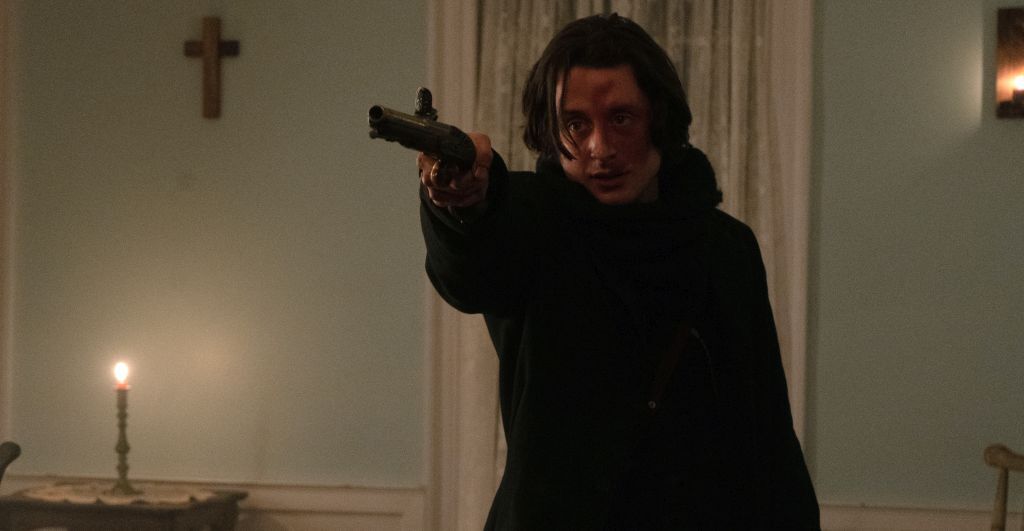
Then an enigmatic, scarred intruder (Rory Culkin) arrives, and the house begins its dark escalation into violence, reckoning, and something more supernatural.
Mary’s love is not merely forbidden. It is treated like evidence of her corruption. Her longing becomes something that must be disciplined, exorcised, or buried.
In that sense, the film belongs firmly in the long, haunted lineage of witch horror, where the accusation often says more about the accuser than the accused.
At its core, The Last Thing Mary Saw functions as a historical allegory for conversion therapy and the policing of queer bodies. When Mary and Eleanor’s relationship is exposed, the family’s response feels almost clinical in its cruelty. The girls are subjected to savage experiments, including forcing them to kneel on raw blocks of wood and pray for hours. It’s as if pain can realign desire, and suffering can produce salvation.
That is the horror. It’s not monsters creeping in from the woods. It’s scripture weaponized into cruelty. It’s a family so terrified of a woman’s desire that it would rather call her cursed than let her be free.
Candlelight, lanterns, and darkness are not just used for pretty period aesthetics. They serve the story in a meaningful way.
Mary and Eleanor are denied the right to be seen. Their love has to exist in both the literal and figurative dark to survive the family’s constant gaze. Their intimacy lives in stolen, muffled moments. They cannot escape the walls of the house. These are walls designed to trap them, suffocate their spirits, and keep them small.
The supernatural elements are tightly bound to the oppression at the heart of the film.
In traditional folk horror, witchcraft or pagan darkness is often framed as the corrupting evil invading a pure space. Here, the darkness feels less like an outside force than a manifestation of trauma, rage, and confinement.
Scott and Fuhrman are both excellent in deeply restrained performances. With minimal dialogue, they rely on glances, stillness, and physical tension to communicate the intensity of Mary and Eleanor’s profound and heartbreaking bond.
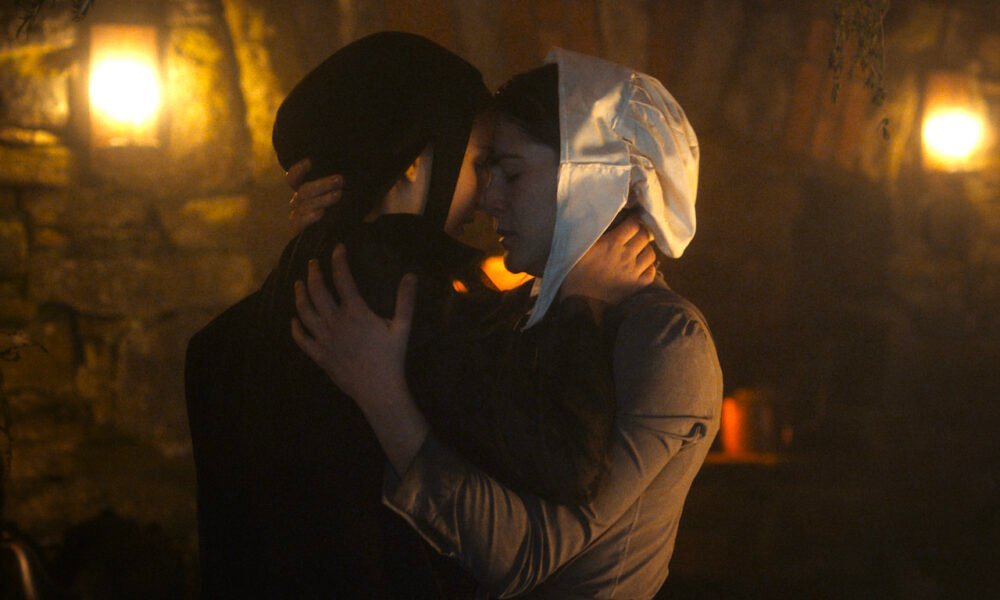
Reminiscent of Robert Eggers’ The Witch, the historical detail is thoughtful and immersive. The meticulous attention to costuming, language, and production design places viewers deep inside this grim reality.
This is a slow burn in the truest sense. It weaponizes creeping dread, silence, and an overwhelming sense of existential doom rather than an overt horror spectacle. For some viewers, that will feel too sluggish and restrained. For others, the quiet devastation will crawl under the skin, seep into the veins, and linger long after the final scene.
Your mileage may vary, but the right audience will know who they are.
If you enjoy austere period horror more than big witchy spectacle, this is very much worth seeking out.
It is bleak, cruel, and mournful. But it is also deeply resonant. It effectively uses the language of witch horror to expose how easily blind devotion to doctrine, fear, and the desire to control can turn forbidden love into evidence of evil.
The Last Thing Mary Saw is a beautifully told nightmare about the devastating toll of religious persecution and the cost of defying conformity.
And for those willing to sit in its quiet darkness, it leaves a mark.

She’s a lover, he’s a fighter. Together, they’re CHEER AND LOATHING. Tune in to hear your hosts, Stephanie (Cheer) and Casey (Loathing), clash over the films they love — and the ones they love to hate.
In this holiday extravaganza episode of Guilty Pleasures, join hosts Stephanie, Kelly, and our newest addition, Jonathan (Jack was tied up in tinsel and couldn't join us), as they unwrap the bizarre and unhinged world of holiday cinema. They dive into the depths of Elves, a film that's as chaotic as it is entertaining. It's a sleigh full of questionable decisions, diabolical dialogue, absurd plot twists, wildly offensive antics, and unhinged holiday mischief.
And that's not all! In the second half of the podcast, join your festive cinephile friends for a look at four more ”nutty as a fruitcake” holiday treats: A New York Christmas Wedding, Elf Bowling, A Medea Christmas, and Jack Frost. Plus, we each offer a bonus Christmas flick guaranteed to make you say, ”Ho, Ho, HO-LY Hell!”
Expect laughter, disbelief, and a spirited debate about what truly makes a movie a guilty pleasure. Don't miss this festive journey through the weirdest corners of holiday films!




Follow Us!