

Long before Kane Parsons made waves with “Backrooms”, young filmmakers were reshaping horror, indie cinema, and Hollywood history.
No time to read? Click the button below to listen to this post.
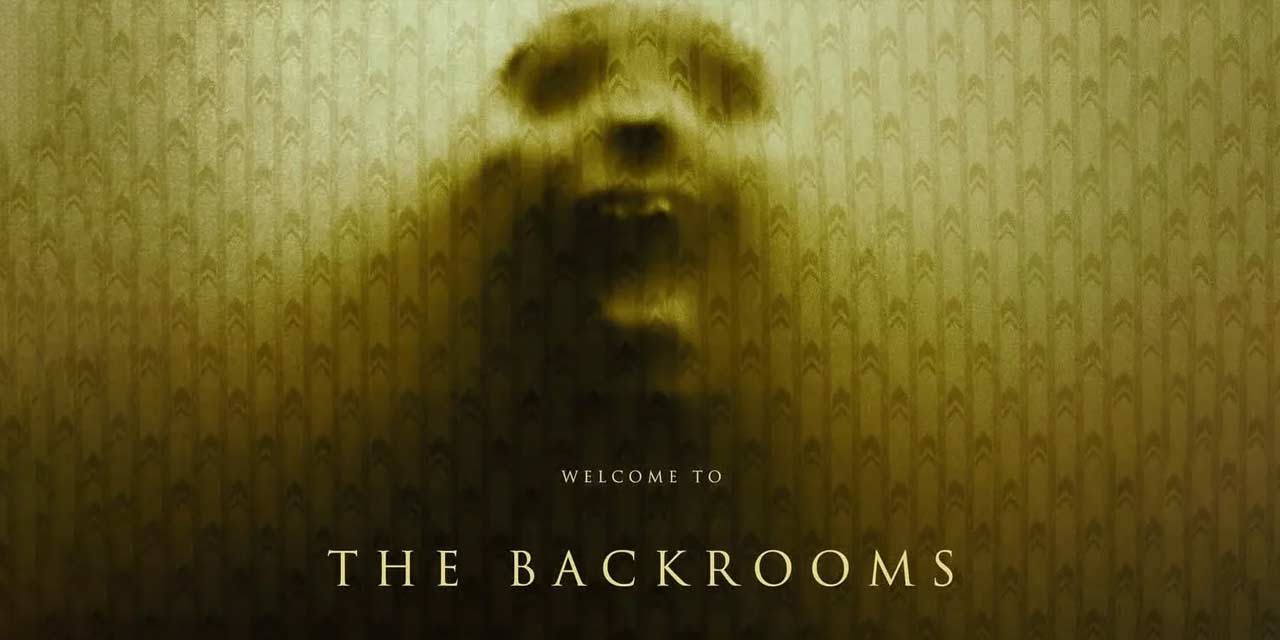
The conversation around Kane Parson’s age has dominated much of the discourse around the mind-blowing success of his feature directorial debut, Backrooms.
Many have been dismayed that a twenty-year-old could make something capable of shattering multiple box office records during its opening weekend, making Kane the youngest filmmaker in history to debut a film at the top of the domestic box office.
Mark Duplass even felt compelled to defend Parsons against those who think the young filmmaker did not actually direct Backrooms.
It’s an impressive achievement, to be sure. But Kane is far from the first young gun to make a major mark on the horror and cinematic landscape.
Film has always belonged, at least in part, to the young, the reckless, the hungry, the obsessive, and the people who did not yet know enough to be scared out of trying.
This is especially true of horror, a genre that has long thrived on outsiders, shoestring budgets, nervous energy, and raw invention.
Young filmmakers have been making bold, influential, culture-shifting work for decades. Some made scrappy horror films that became sacred texts. Some redefined independent cinema. Some walked into Hollywood with a first feature and left behind a permanent dent in the art form.
1. Sam Raimi — The Evil Dead (Age: 20-22)
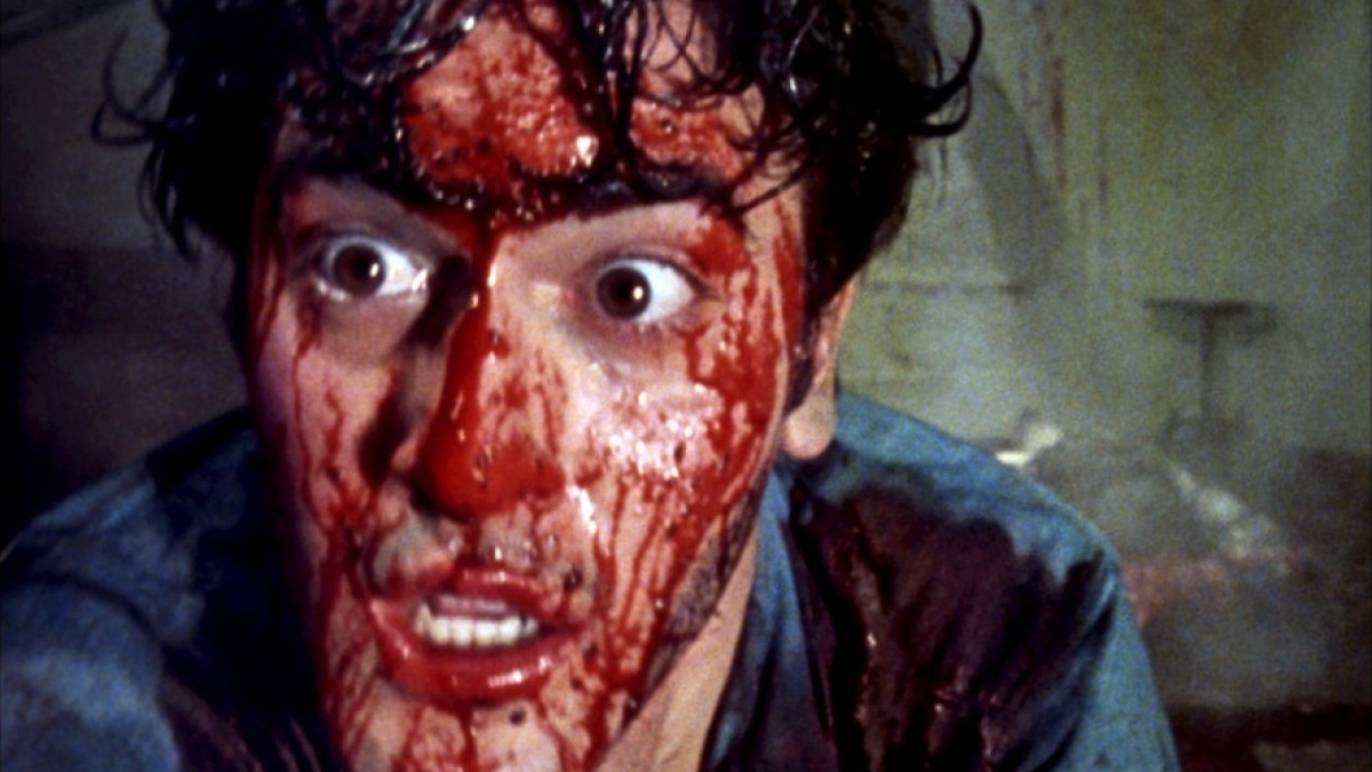
If there is a patron saint of young horror directors with more enthusiasm than money, it might be Sam Raimi. Raimi was barely in his twenties when he helped unleash one of horror’s most enduring cult landmarks.
The Evil Dead redefined modern horror by proving that immense creativity, raw kinetic energy, and inventive camera work could overcome a microscopic budget. It essentially created the blueprint for the “cabin in the woods” subgenre and established Raimi’s signature “shaky cam” technique, inspiring generations of independent filmmakers to grab a camera and make their own nightmares a reality.
2. Don Coscarelli — Phantasm (Age: 23)
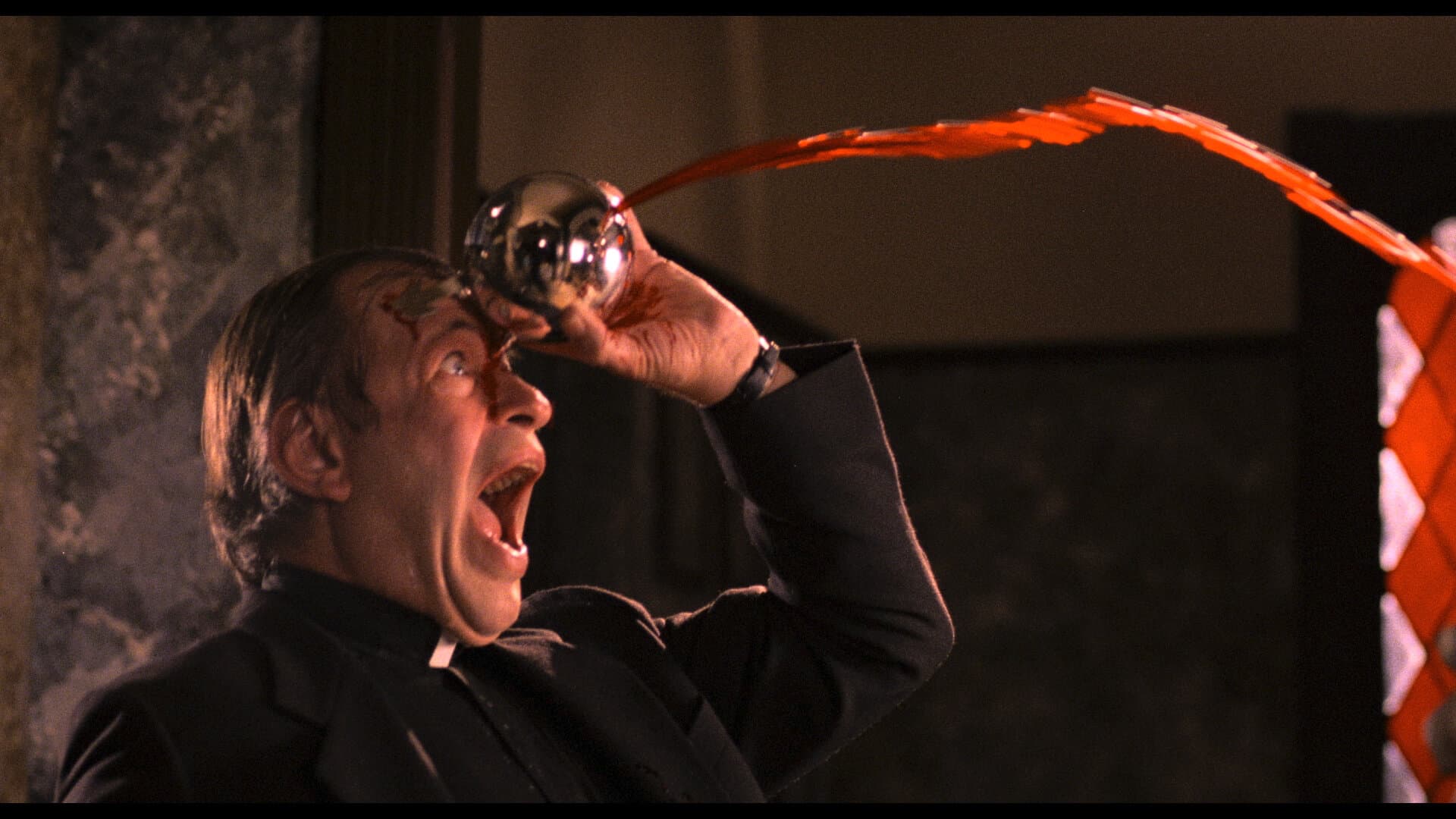
Don Coscarelli was only in his early twenties when he directed Phantasm, and that youth is part of what makes the film so singular. The film taps into the terror of losing family, losing safety, and realizing the adult world is not only unknowable but possibly monstrous.
It does not behave like a conventional horror movie. It moves according to nightmare logic, emotional instinct, and adolescent fear. It is messy, strange, and sometimes confusing, but its weirdness is what makes it awesome.
3. Richard Kelly — Donnie Darko (Age: 25)
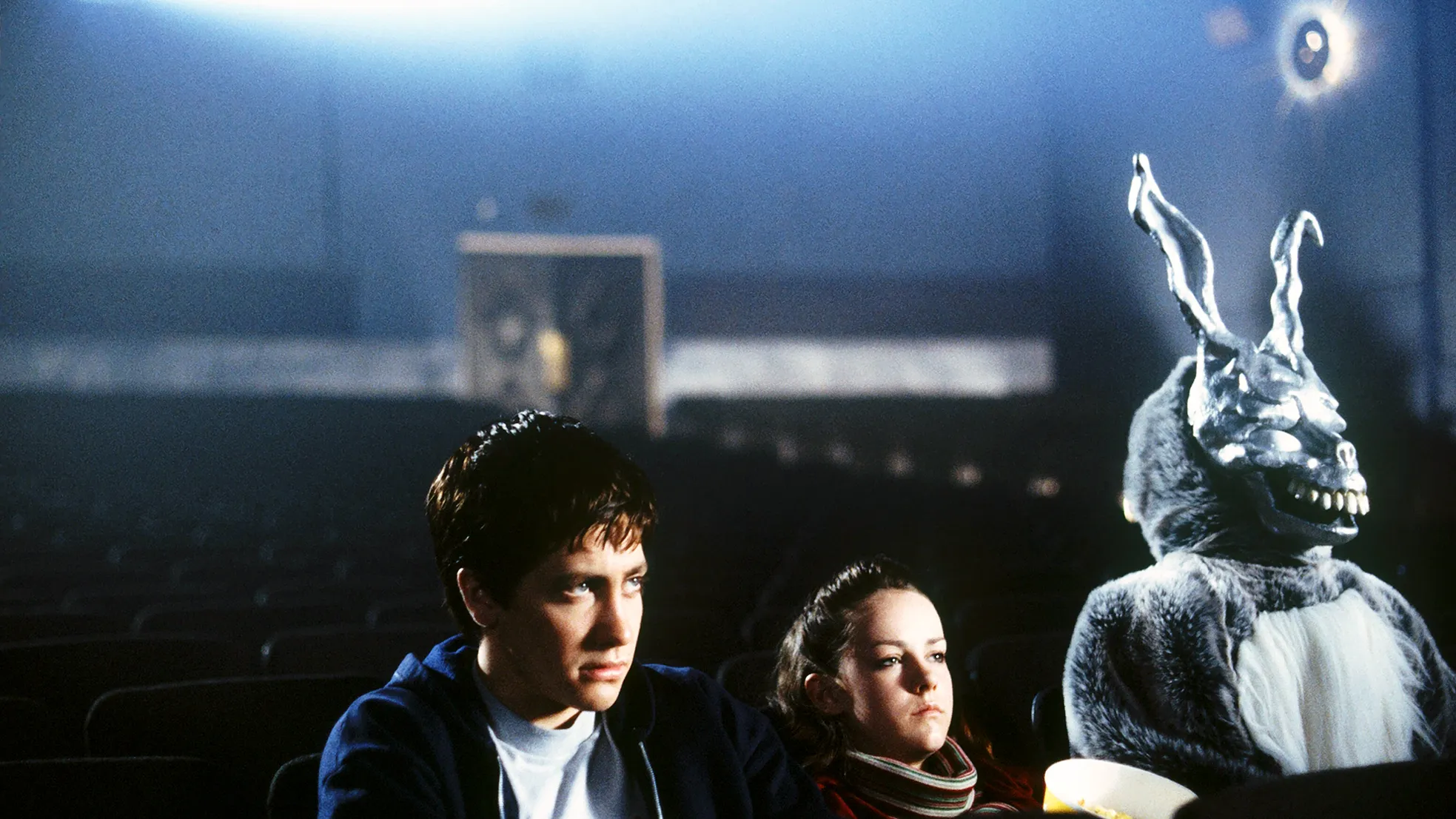
Donnie Darko is not easily contained by genre, which is exactly why it has endured. Richard Kelly was in his mid-twenties when Donnie Darko premiered, and the film feels like a young person’s existential crisis given mythic proportions.
It captures that awful adolescent sensation that something is deeply wrong with the world, but no one in authority is honest enough, smart enough, or brave enough to name it.
4. Rose Glass — Saint Maud (Age: 29)
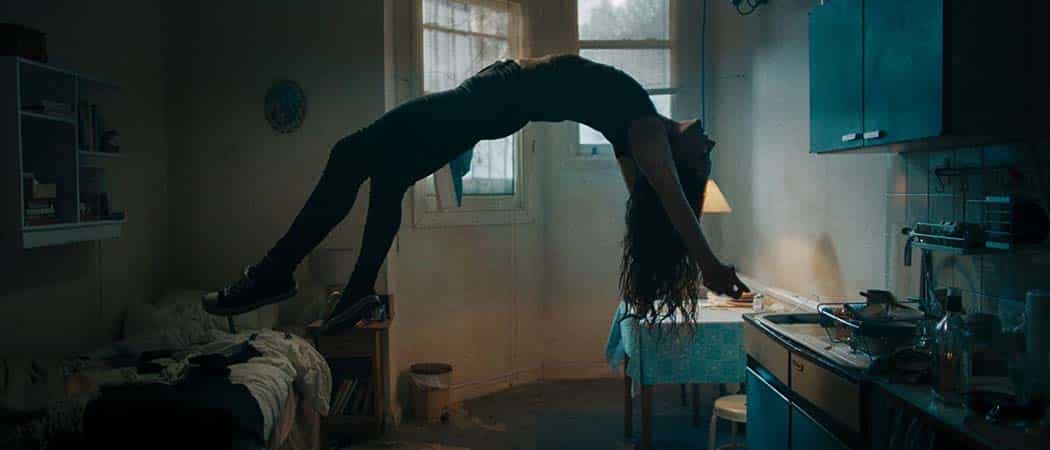
Rose Glass’s Saint Maud made a massive impact on the modern horror landscape by revitalizing the psychological and religious horror subgenres with an uncommonly restrained, deeply intimate approach. The film builds a suffocating sense of dread through its profound exploration of religious obsession, isolation, and the dangerous need to feel chosen—culminating in one of the most unforgettable, shocking final frames in genre history.
Glass was just under thirty when Saint Maud arrived with the confidence and restraint of a far more seasoned filmmaker. She lets the tension simmer slowly, and it’s masterful.
5. Peter Jackson — Bad Taste (Age: 26)
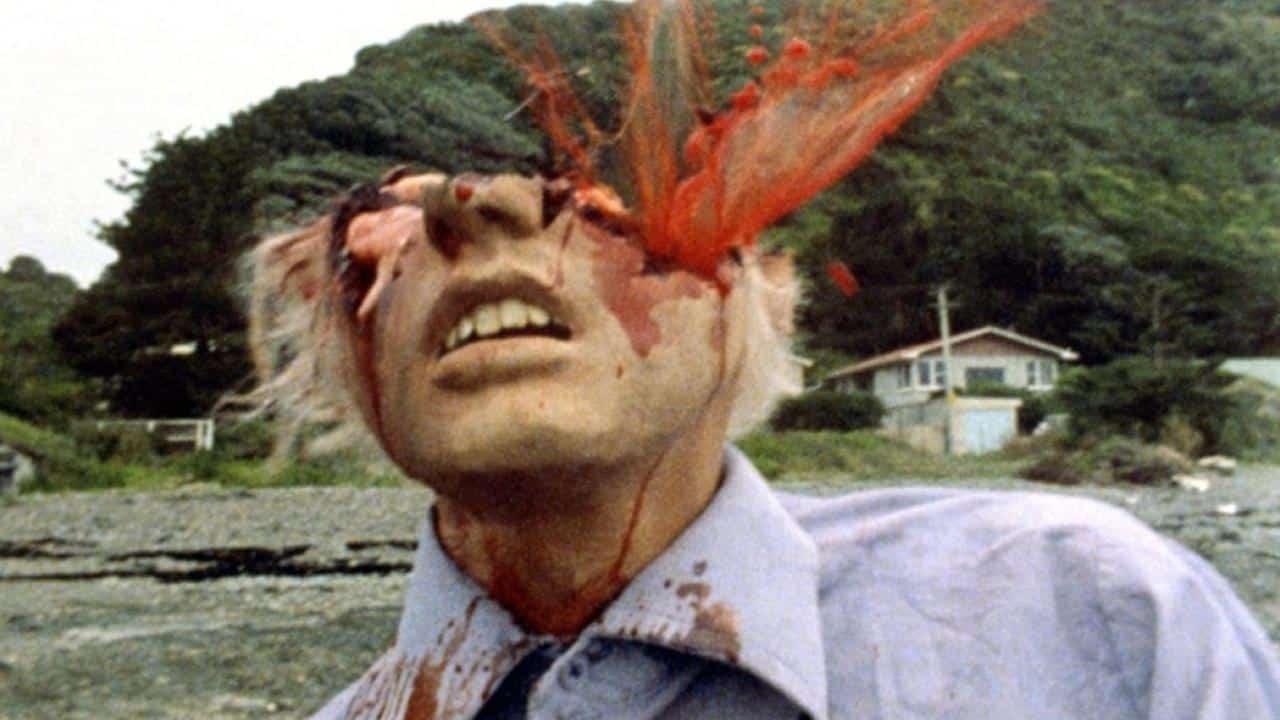
Long before Middle-earth, Peter Jackson was making aliens explode in one of the great monuments to backyard splatter cinema.
Bad Taste is crude, chaotic, gleefully disgusting, and very much the work of a young filmmaker pushing practical effects, absurd comedy, and low-budget ingenuity as far as they can possibly go. Jackson proved that sometimes the path to epic fantasy begins with projectile vomiting and exploding heads.
6. George A. Romero — Night of the Living Dead (Age: 28)
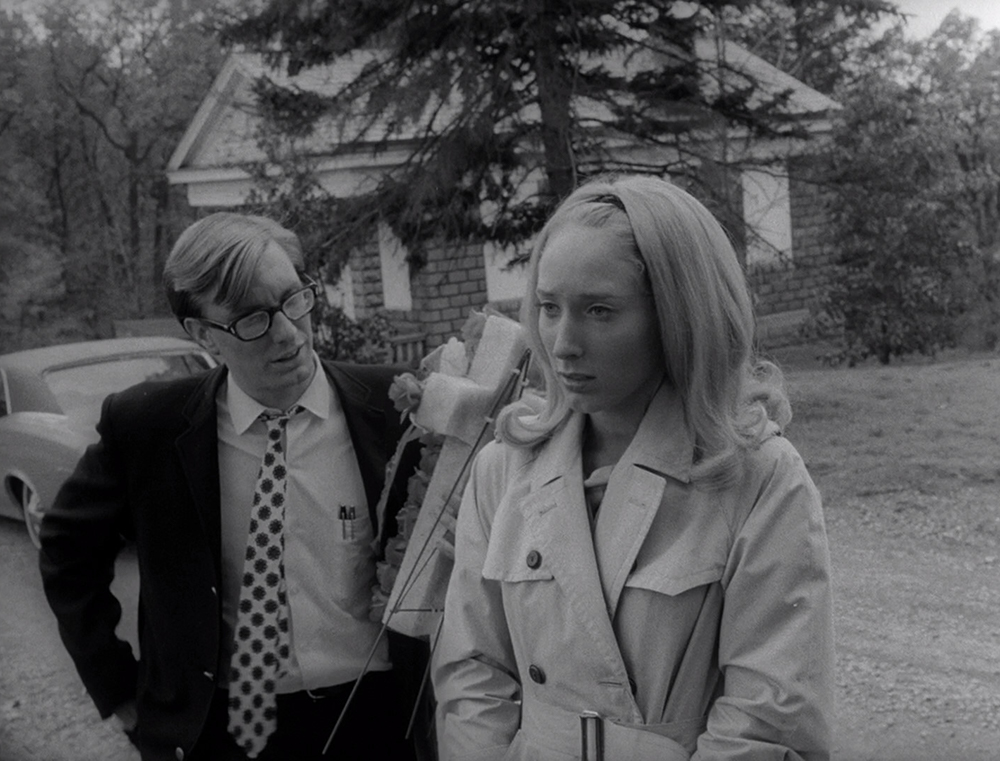
George A. Romero was not yet thirty when Night of the Living Dead changed horror forever.
He did not merely make an effective low-budget horror film. He helped create the modern zombie film, reshaped independent horror, and delivered one of the bleakest endings in American cinema.
Night of the Living Dead is raw, claustrophobic, and politically charged in ways that still feel painfully relevant. It has the urgency of someone looking at the world around him and refusing to soften what he sees. The dead are terrifying, but the living are often worse.
Horror never recovered. Thank God.
7. John Carpenter — Dark Star (Age: 26)
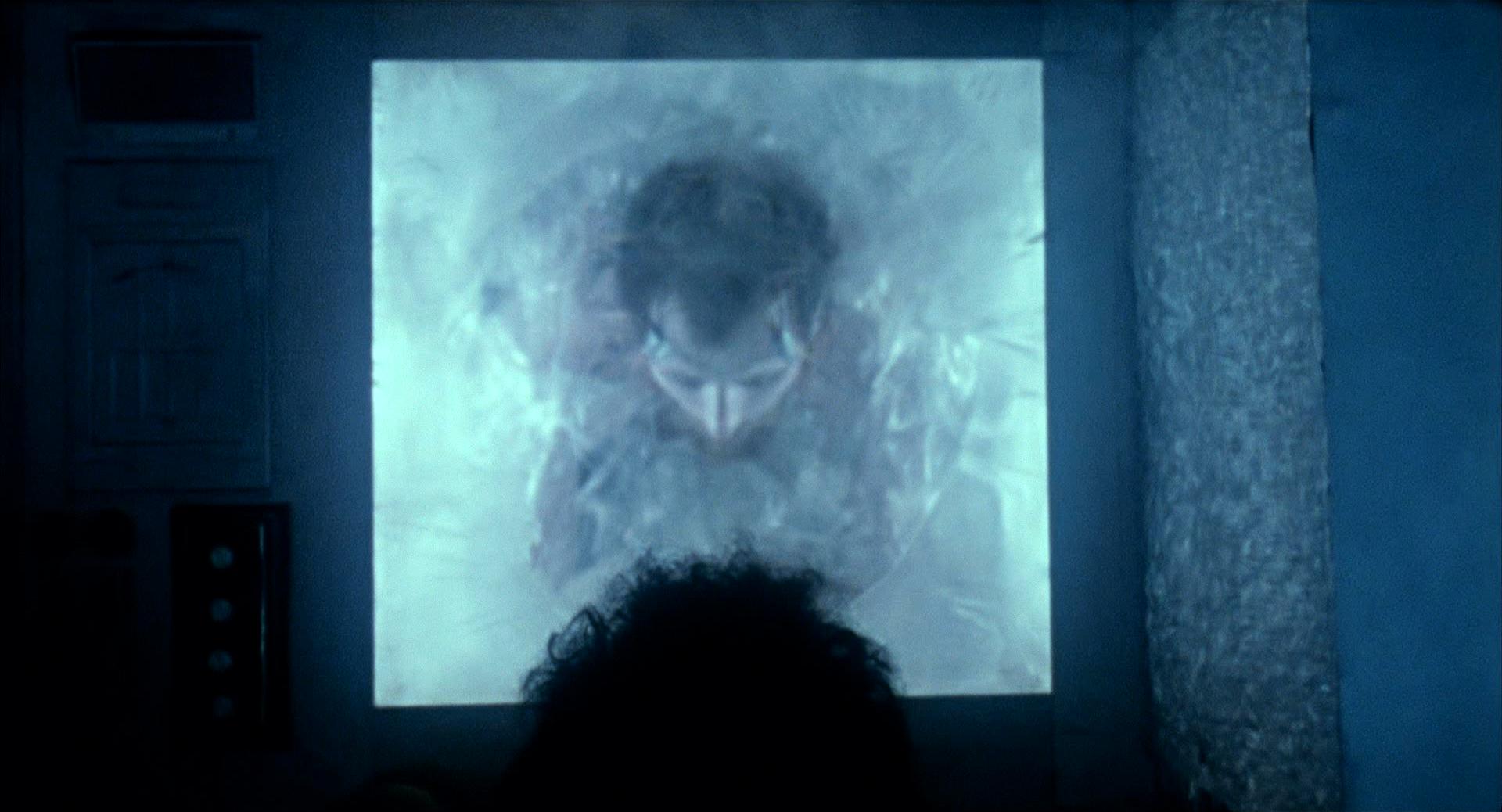
John Carpenter’s Dark Star is not the film most people think of when they think of Carpenter. Halloween would come later (at the age of 30) and permanently alter the slasher landscape. The Thing would become one of horror’s great masterpieces. But Dark Star is where you can already see the shape of a genre mind at work.
It began as a student project and grew into a feature-length oddity. It is funny, low-budget, and strange. But there’s considerable depth below the surface. It shows a young filmmaker already drawn to confinement, paranoia, deadpan doom, and the terrifying possibility that the universe does not care if we survive the joke.
8. Darren Aronofsky — Pi (Age: 28-29)
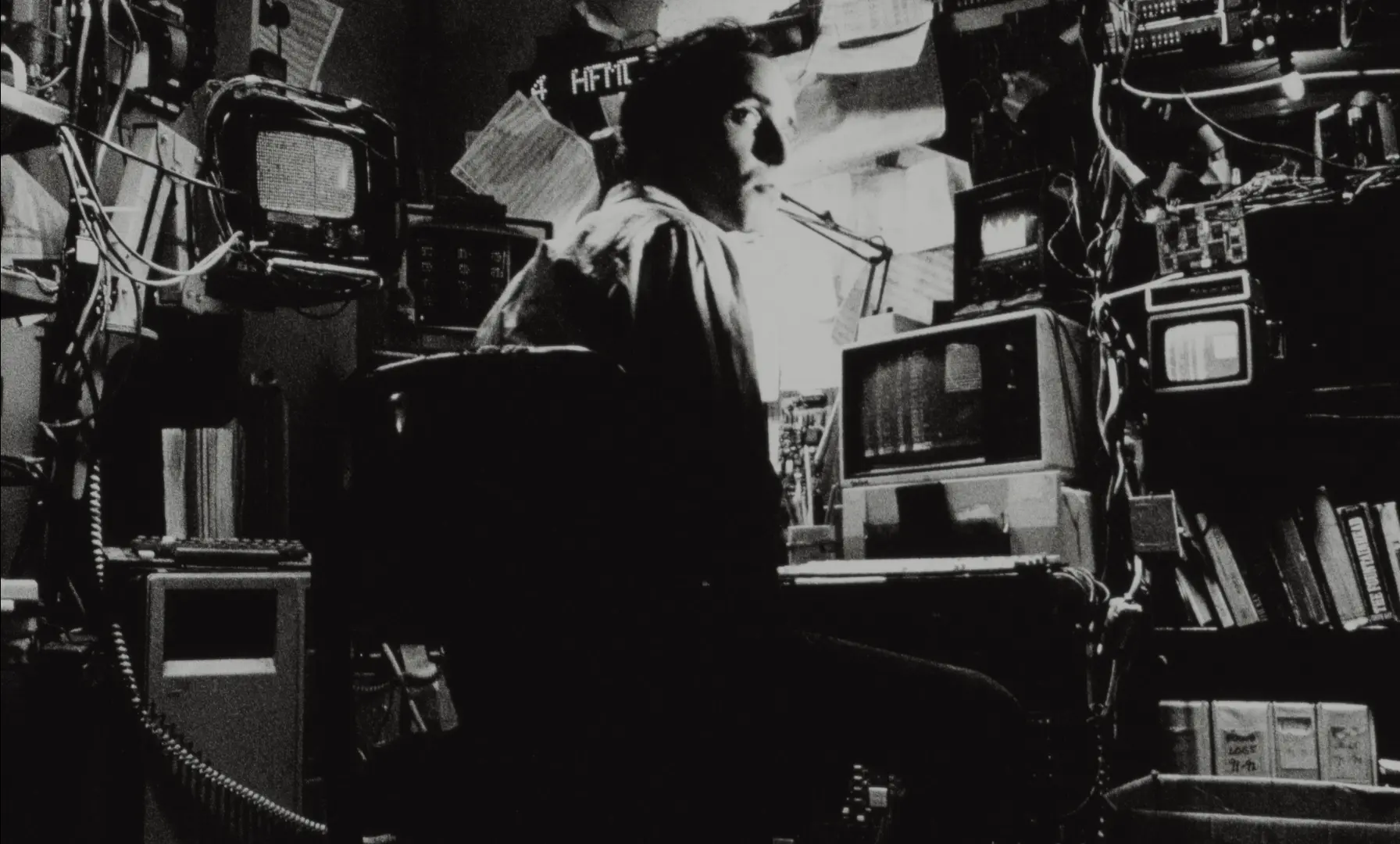
Pi proved that a compelling, high-concept psychological thriller could be executed with style on a shoestring budget of just $60,000, inspiring a wave of psychological, micro-budget genre filmmaking. The feature directorial debut of Darren Aronofsky instantly established his signature thematic obsessions with obsession, self-destruction, and the fragile line between genius and madness.
With frantic editing and a pulsing industrial score, it feels like a panic attack shot in black-and-white. Blending complex mathematical theories, religious mysticism, and a cyberpunk aesthetic, it’s an intellectual and deeply challenging film. Yet, it impressively still maintains the visceral momentum of a techno-thriller.
9. John Singleton — Boyz n the Hood (Age: 23)
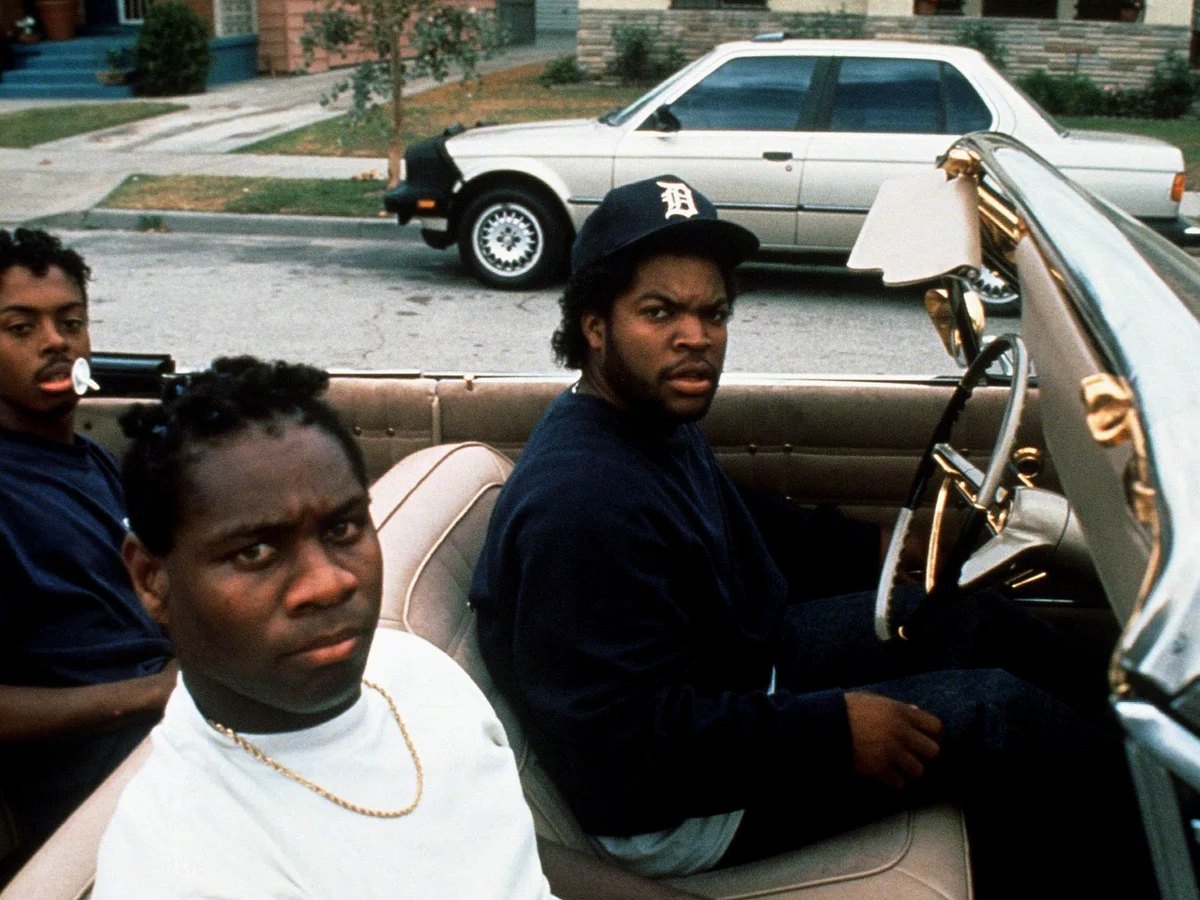
John Singleton was in his early twenties when he wrote and directed Boyz n the Hood, a debut so assured it still feels almost impossible. It’s not horror, but it is haunted. Haunted by systemic neglect, violence, and the knowledge that young Black men are being forced to come of age in a world that has already decided how little their lives are worth.
Singleton became the first Black filmmaker nominated for the Academy Award for Best Director and the youngest person ever nominated in that category. That milestone matters, but the film matters more. Boyz n the Hood did not feel like a young filmmaker asking for permission. It felt like one insisting that Hollywood look at a world it had too often ignored, exploited, or misunderstood.
10. Kevin Smith — Clerks (Age: 23-24)
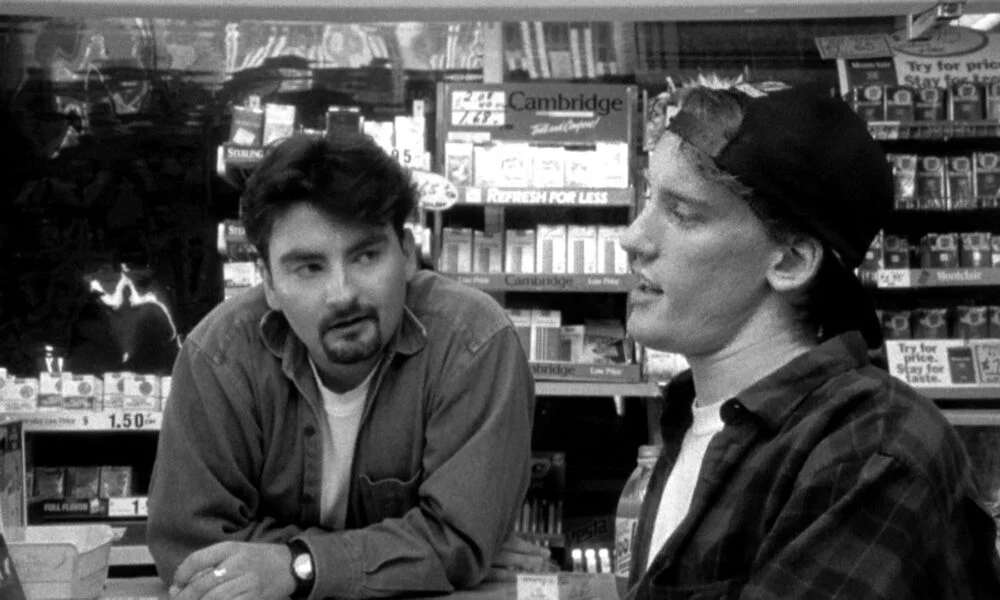
Before Kevin Smith gave us memorable horror films like Red State and Tusk, his debut film helped change what a generation of filmmakers believed was possible. Shot in black and white on a tiny budget, Clerks is scrappy, talky, profane, and deeply rooted in a very specific kind of dead-end young adulthood.
Smith’s breakthrough helped define a particular era of American independent cinema, where personality, voice, and resourcefulness could matter as much as money. Clerks proved that a film did not need polish to connect. It needed a point of view.
11. Robert Rodriguez — El Mariachi (Age: 24)
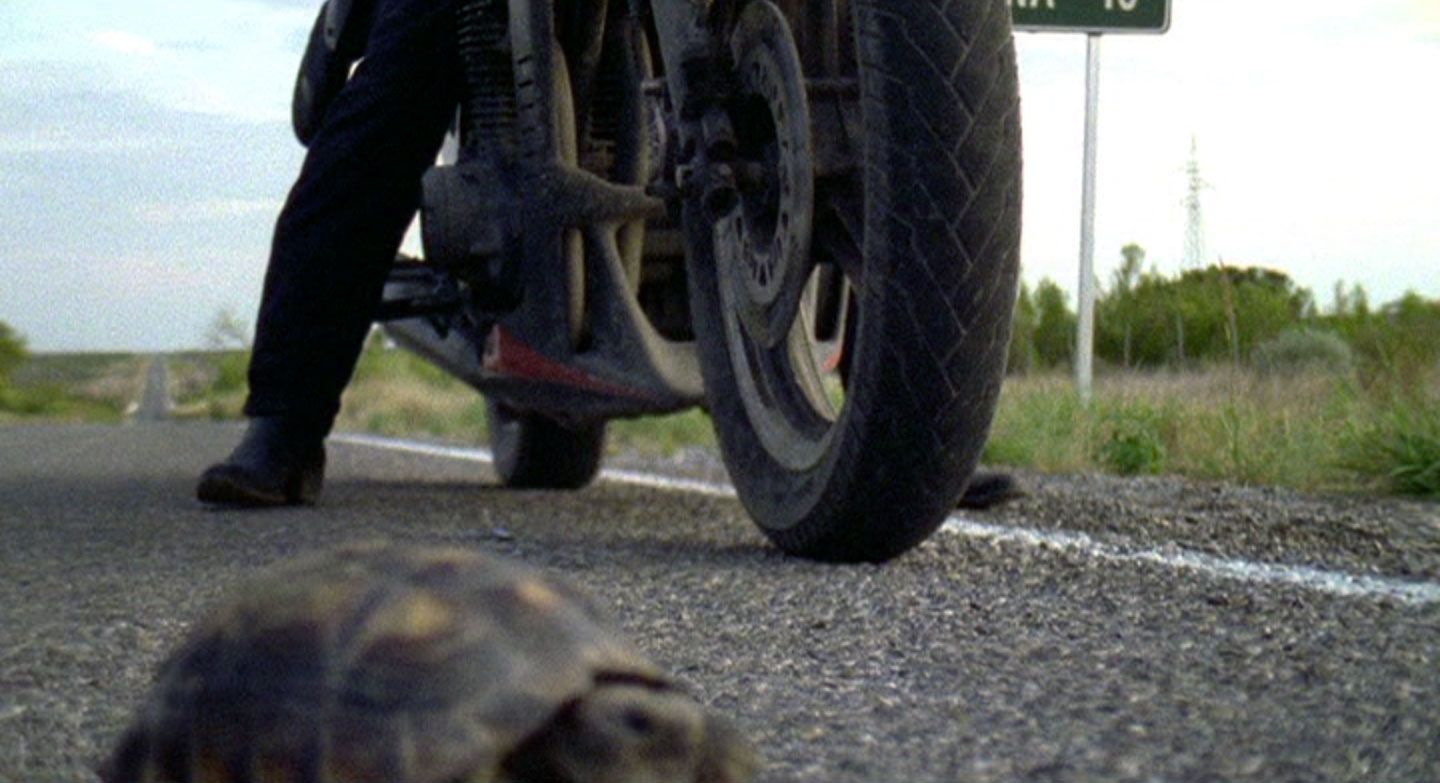
Robert Rodriguez’s El Mariachi is one of the great DIY filmmaking legends: a microbudget action film made with almost absurd resourcefulness that became a calling card for a major career. It’s proof that limitation can become style when a filmmaker is inventive enough to turn necessity into momentum.
Though it’s not a horror film, Rodriguez would go on to be a major genre player, directing horror and sci-fi films like From Dusk till Dawn, The Faculty, Planet Terror, and Predators (2010).
12. Dario Argento — The Bird with the Crystal Plumage (Age: 29)
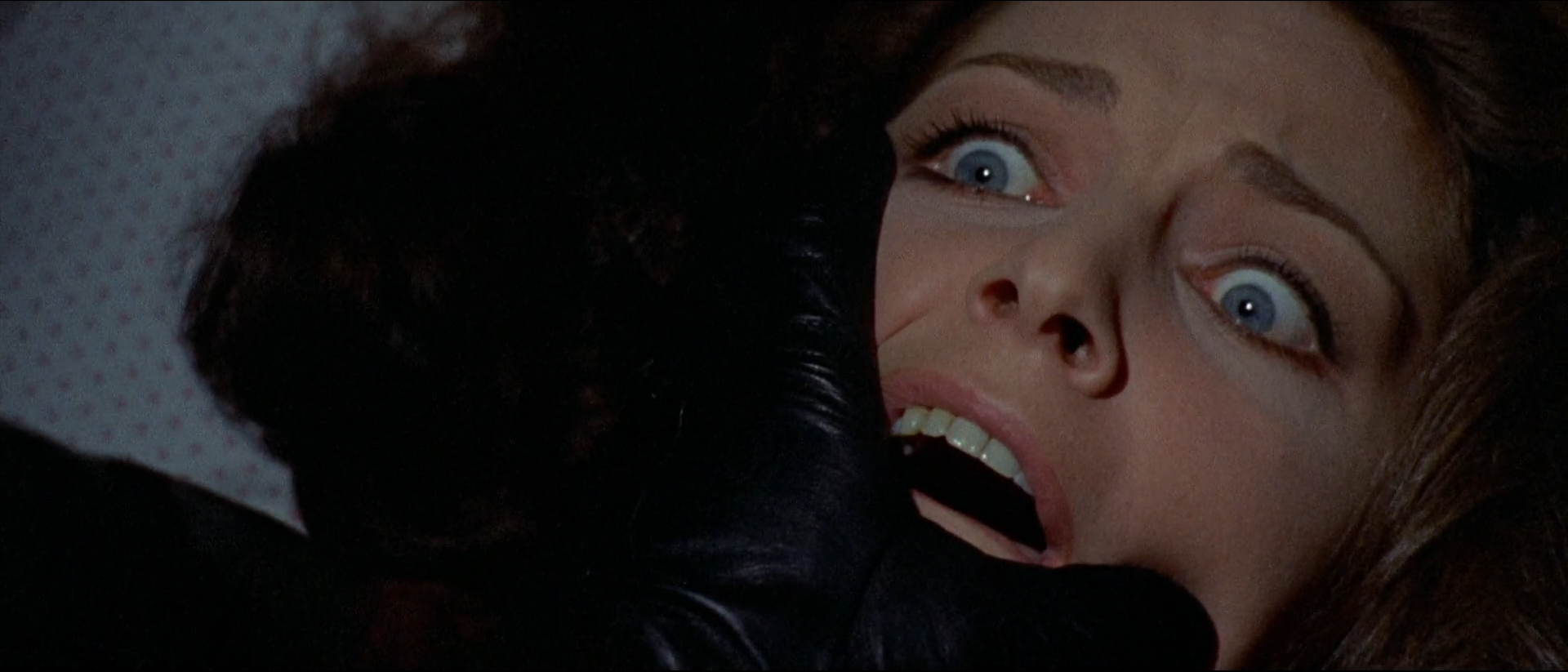
Dario Argento was not yet thirty when The Bird with the Crystal Plumage helped define the visual and psychological language that would make him one of horror’s most recognizable stylists. His debut is a sleek, stylish giallo built on voyeurism, violence, memory, and perception.
Argento would go on to make more famous and more feverish work, including Deep Red and Suspiria, but his debut already has the fingerprints of an artist who understands that murder can be staged like an art installation and fear can be choreographed.
13. Joel and Ethan Coen — Blood Simple (Age: 27 and 25, production and 29 and 27, premiere)
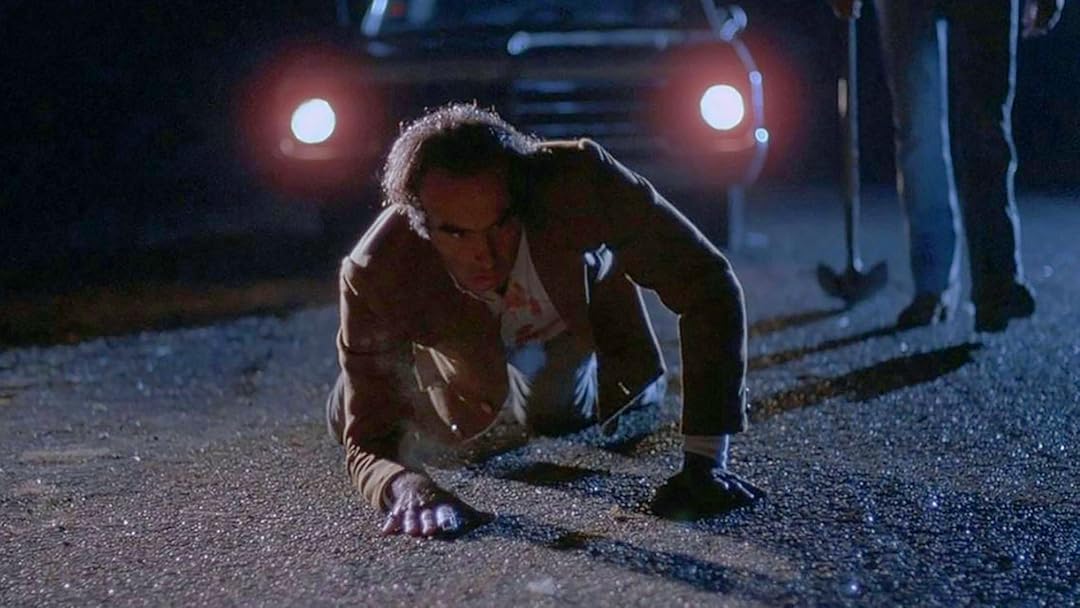
Blood Simple announced the Coen brothers as two of American cinema’s most precise and mischievous new voices. This bleak neo-noir treats misunderstanding as a kind of monster. It’s pure existential panic.
The Coen brothers have not yet released a traditional, standalone horror film, but their filmography frequently dances on the edge of the genre—with intense dread, visceral violence, and monstrous characters.
14. Tim Burton — Pee-wee’s Big Adventure (Age: 26)
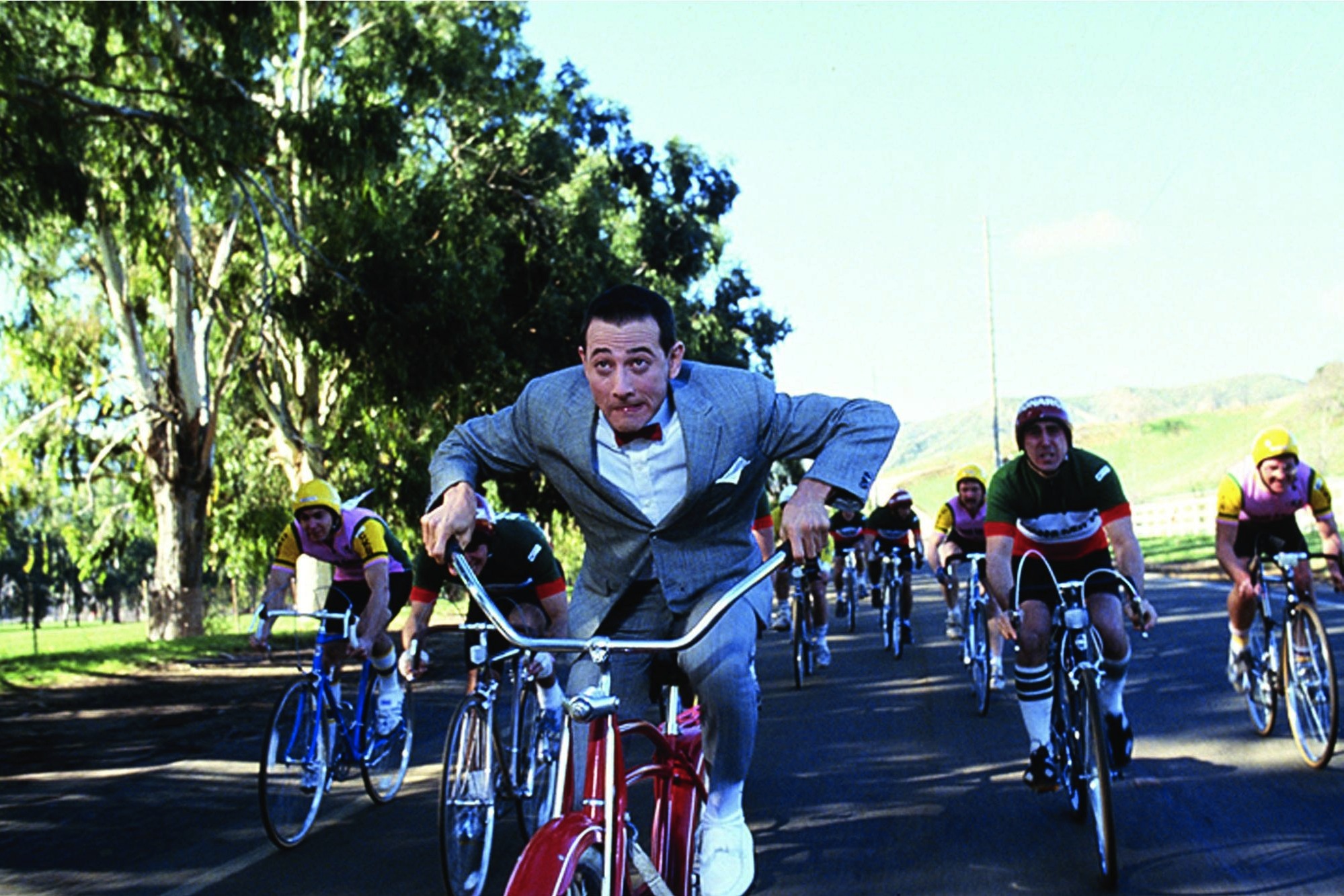
Tim Burton was only 26 when he directed the pop culture phenomenon Pee-wee’s Big Adventure. It may not be horror, but it introduced a filmmaker whose imagination would help make the macabre feel accessible to generations of strange kids.
Burton would go on to become one of the most recognizable architects of goth-pop cinema, helping bring horror imagery, monster-kid melancholy, German Expressionist influence, and outsider romance into the mainstream. His broader visual language has had a massive impact on how audiences understand “spooky” as not just frightening, but beautiful, lonely, funny, romantic, and deeply human.
15. Orson Welles — Citizen Kane (Age: 25)
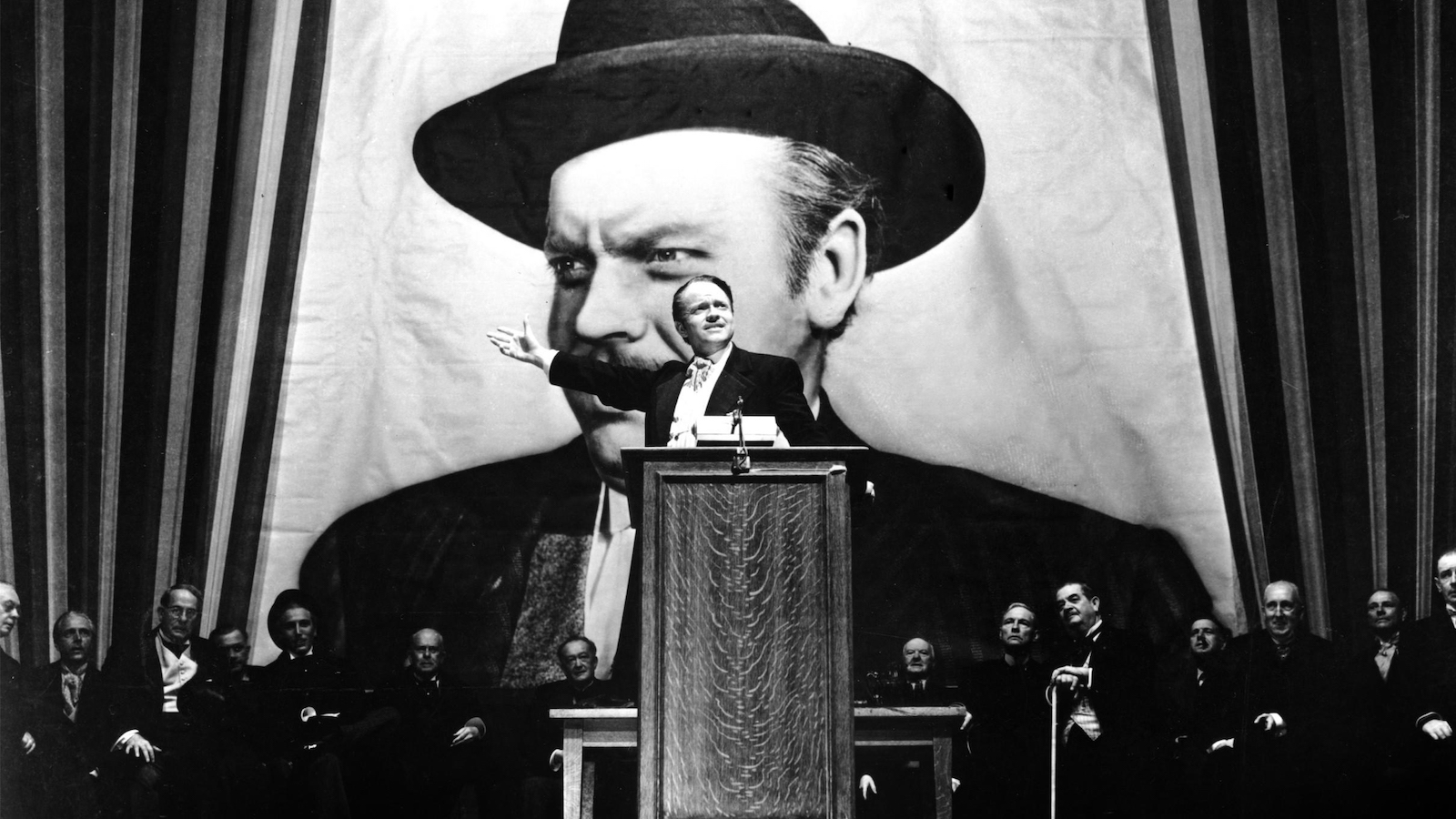
There is no version of this list without Orson Welles.
At 25, Welles directed, co-wrote, produced, and starred in Citizen Kane, a film that has been praised, argued over, dissected, parodied, and canonized for generations. It is the kind of film people invoke so often that it can start to feel more like a monument than a movie.
But strip away the reputation, and the central fact remains ridiculous: a 25-year-old walked into Hollywood and made one of the most influential films in cinema history.
That does not happen because youth is automatically genius. It happens because talent, opportunity, arrogance, experimentation, collaboration, and timing sometimes collide in extraordinary ways.
Sometimes, the person too young to know better is exactly the person willing to break the form open.








Follow Us!