Cinematic Love Letters: The Conversation (1974/2024)


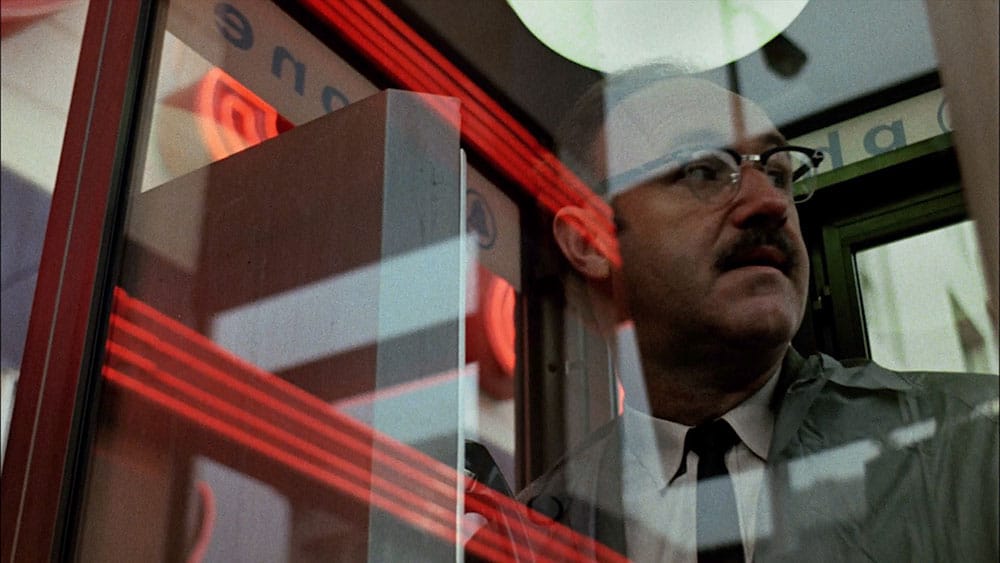
I had never seen Francis Ford Coppola’s much-heralded masterpiece, The Conversation. As the film celebrates its 50th anniversary with a stunning 4k re-release, I was finally able to experience the film Coppola himself exalted as the favorite of all his films.
In an era where our digital footprints are constantly tracked, and our every move is potentially monitored, Francis Ford Coppola’s 1974 masterpiece feels more relevant than ever.
The Conversation explores the rampant invasion of privacy, not through a speculative and fantastical sci-fi lens but through a simple yet terrifying infusion of powerful technology into everyday reality. It uses the backdrop of the exploding surveillance industry in the wake of Watergate to exploit our innate paranoia and fear of being observed in our most intimate and private moments.
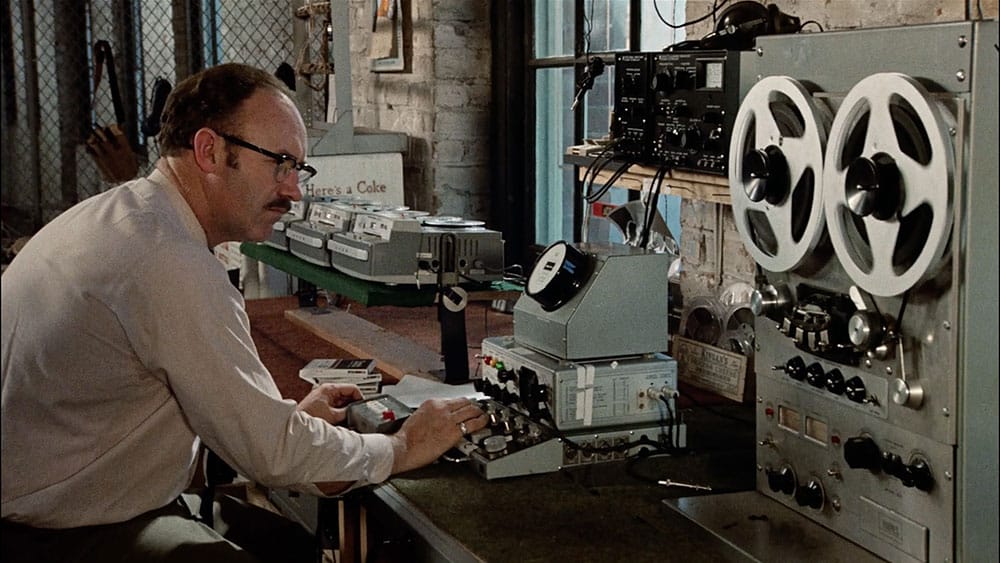
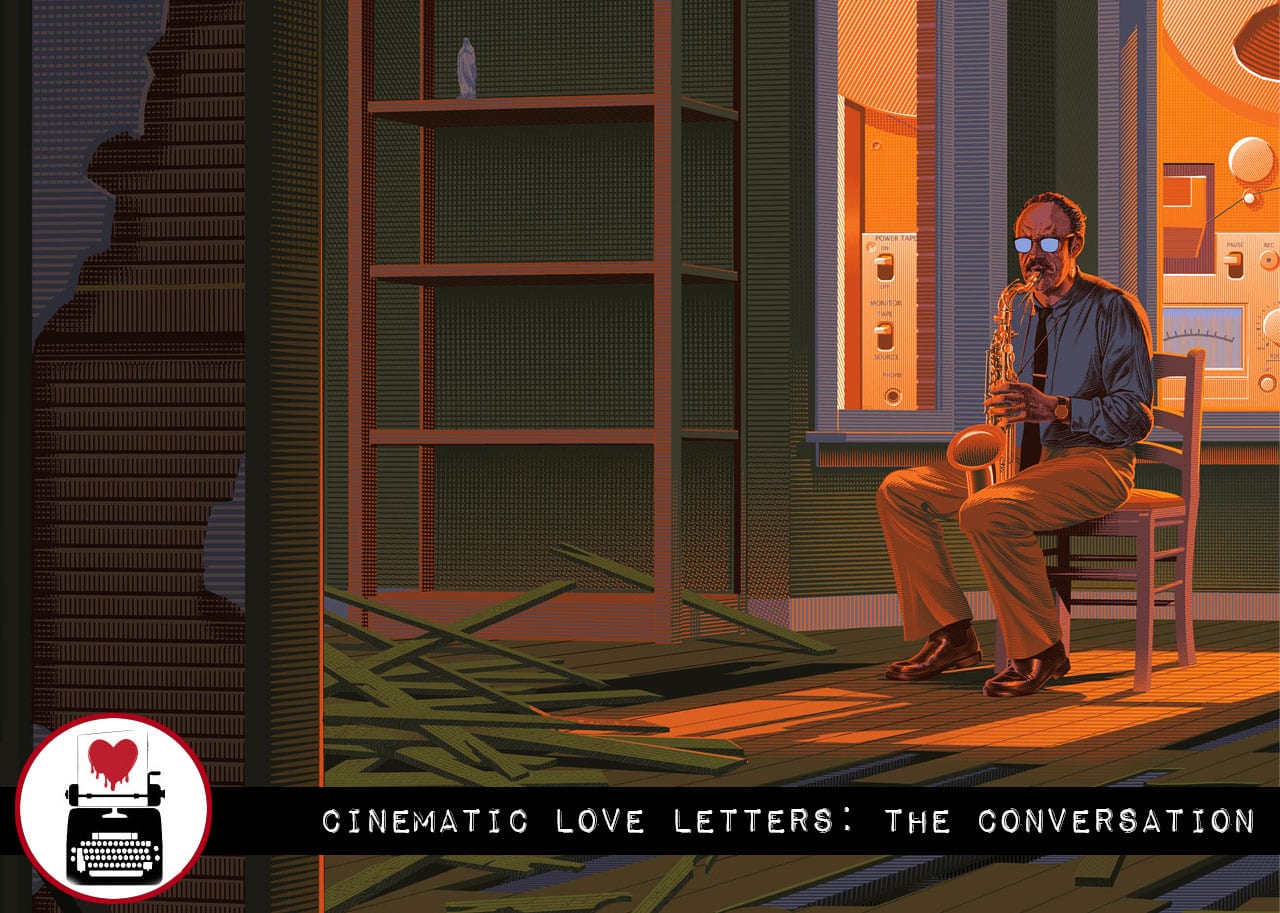
Gene Hackman delivers a career-defining performance as Harry Caul, a surveillance expert whose obsession with personal privacy clashes with his professional calling that has him regularly invading the privacy of others.
Caul is brilliant at what he does, one of the undisputed best, but he’s haunted by memories of a past job that resulted in dire consequences.
To combat his guilt and continue his work, he puts up impenetrable walls and does his damnedest to distance himself from his subjects emotionally. He claims not to care about the conversations he is recording — all that matters is technical mastery and getting the recording, regardless of what is being said.
Ultimately, however, that’s easier said than done, and pretending not to care isn’t the same as truly not caring.
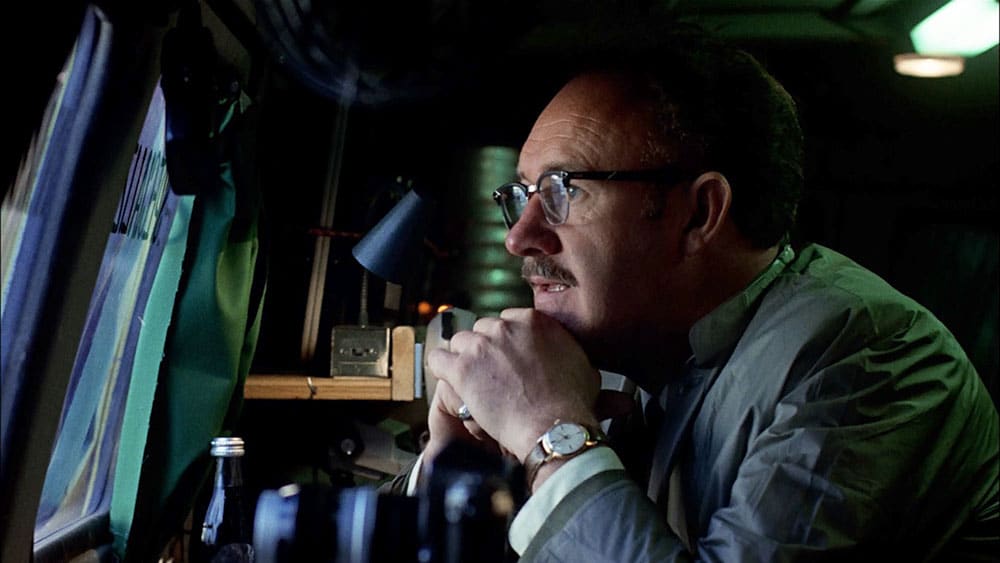
He carries the film with remarkable aplomb, selling complex emotions and conflicts.
Harry is torn between his career and his conscience, between his mistrust of others and his longing for human connection. He’s defined by his work but simultaneously tortured by it. And despite the film’s title, much of his depth is conveyed in silence.
Though Harry can be off-putting at times, aloof and closed off, he never stops feeling like a real and relatable person. He’s a deeply sympathetic character who tries to escape reality but is consistently confronted with its ugly truth.
He’s convinced himself that his special skills make him immune to the kind of exposure he regularly exploits. However, there’s a decisive moment when he realizes he’s as vulnerable as everyone else, and it’s devastatingly effective.
The plot of The Conversation revolves around a seemingly innocuous conversation Harry records between a young couple in a crowded square. Harry has been hired to monitor the conversation by a powerful client (Robert Duvall). When Harry goes to hand over the tapes, it’s not his client but his client’s assistant (a young Harrison Ford) waiting for him, violating the terms of their contract. The unexpected change in plans rattles the stoic surveillant, and he refuses to make the drop-off.
As Harry obsessively dissects the audio, he becomes convinced he’s uncovered a murder plot.
The entire narrative pivots on a single word and Harry’s misunderstanding of the situation — a brilliant commentary on the power of context and perspective that resonates loudly in our increasingly disconnected digital world.
Coppola’s direction is methodical and measured, building tension through repetition and subtle moments of profound character development. The film moves at a deliberate pace that may challenge modern audiences accustomed to rapid-fire thrills, but it rewards patience with one of cinema’s most potent and chilling climaxes.
It’s a film less concerned with narrative and more focused on exploring the fragility of the human psyche in a world where technology outpaces our ability to process its implications.
David Shire’s mesmerizing score perfectly complements the growing sense of unease, while the subjective audio puts us squarely in Harry’s headspace, allowing us to experience his shifting perceptions firsthand.
The film’s exploration of surveillance culture, corporate power, and the ethical implications of advancing technology feels eerily prescient in our post-9/11 social media-saturated world. It taps into our shared vulnerability and reasonable paranoia about data breaches, AI, and the constant erosion of personal boundaries.
Coppola weaves Harry’s Catholicism into the narrative, creating an ironic parallel between an all-seeing God and the omnipresent eye of surveillance technology.
Terri Garr and Elizabeth MacRae deliver strong supporting performances as Harry’s uneasy romantic interests, further emphasizing his isolation and inability to form meaningful connections. This struggle feels painfully relatable in our current era of curated online personas and digital relationships, where nothing can be taken at face value, and an inherent but justifiable mistrust taints every interaction.
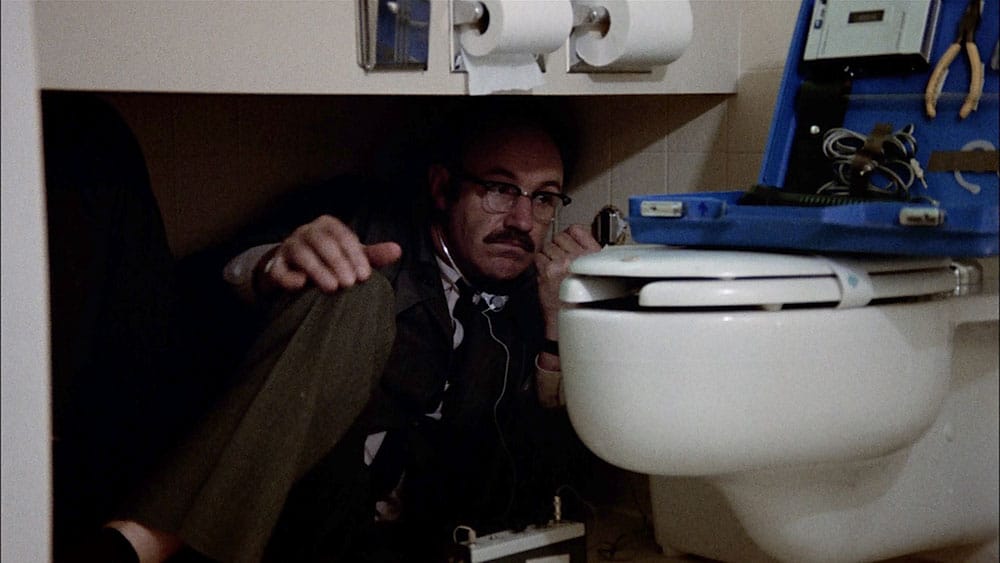
In Harry’s world, he’s forced to reckon with the horror that the only absolute path to protecting his privacy is through social isolation and extreme loneliness.
The Conversation keeps viewers on the hook and pulls the rug out from under them in the final minutes, better than just about any film I’ve seen. The film’s psychological depth and unsettling atmosphere make it a worthy addition to any genre enthusiast’s watchlist.
It’s a cinephile’s dream that has aged remarkably well. Its stripped-back narrative still delivers an emotionally grandiose film about the human condition.
The Conversation demonstrates how easily our perceptions can be manipulated, which is just one of the many reasons why it’s as impactful and relevant today as it was in 1974.

She’s a lover, he’s a fighter. Together, they’re CHEER AND LOATHING. Tune in to hear your hosts, Stephanie (Cheer) and Casey (Loathing), clash over the films they love — and the ones they love to hate.
In this holiday extravaganza episode of Guilty Pleasures, join hosts Stephanie, Kelly, and our newest addition, Jonathan (Jack was tied up in tinsel and couldn't join us), as they unwrap the bizarre and unhinged world of holiday cinema. They dive into the depths of Elves, a film that's as chaotic as it is entertaining. It's a sleigh full of questionable decisions, diabolical dialogue, absurd plot twists, wildly offensive antics, and unhinged holiday mischief.
And that's not all! In the second half of the podcast, join your festive cinephile friends for a look at four more ”nutty as a fruitcake” holiday treats: A New York Christmas Wedding, Elf Bowling, A Medea Christmas, and Jack Frost. Plus, we each offer a bonus Christmas flick guaranteed to make you say, ”Ho, Ho, HO-LY Hell!”
Expect laughter, disbelief, and a spirited debate about what truly makes a movie a guilty pleasure. Don't miss this festive journey through the weirdest corners of holiday films!



Follow Us!