Fantastic Fest 2024: What Happened to Dorothy Bell?


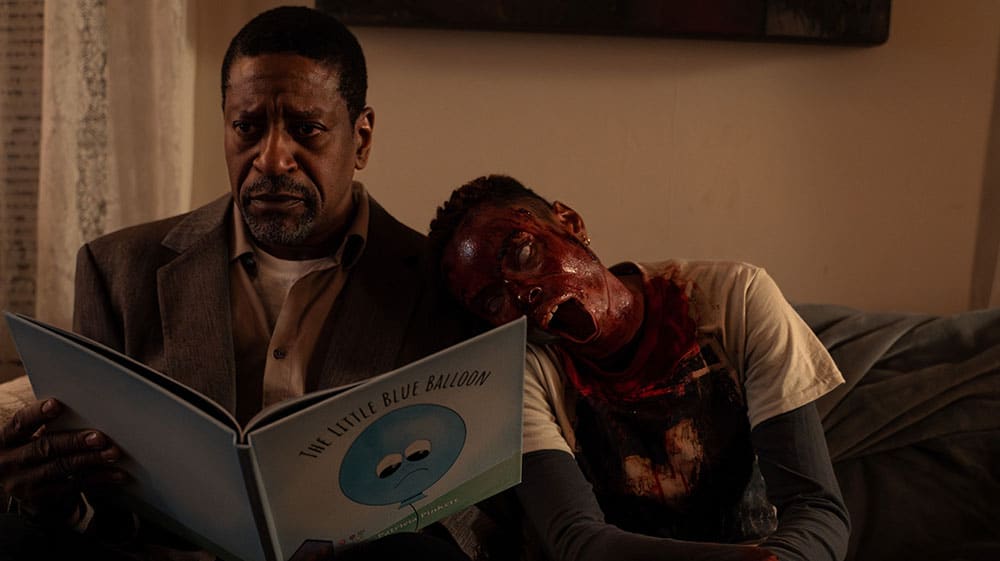
In an era where horror increasingly serves as a vessel for examining personal trauma, Danny Villanueva Jr.’s What Happened to Dorothy Bell? emerges as a standout entry that proves there’s still fertile ground to explore in this well-trodden territory.
Through its masterful use of found footage and a revelatory performance by relative newcomer Asya Meadows, the film crafts a deeply affecting narrative about the ripple effects of family trauma and the sometimes painful journey toward healing.
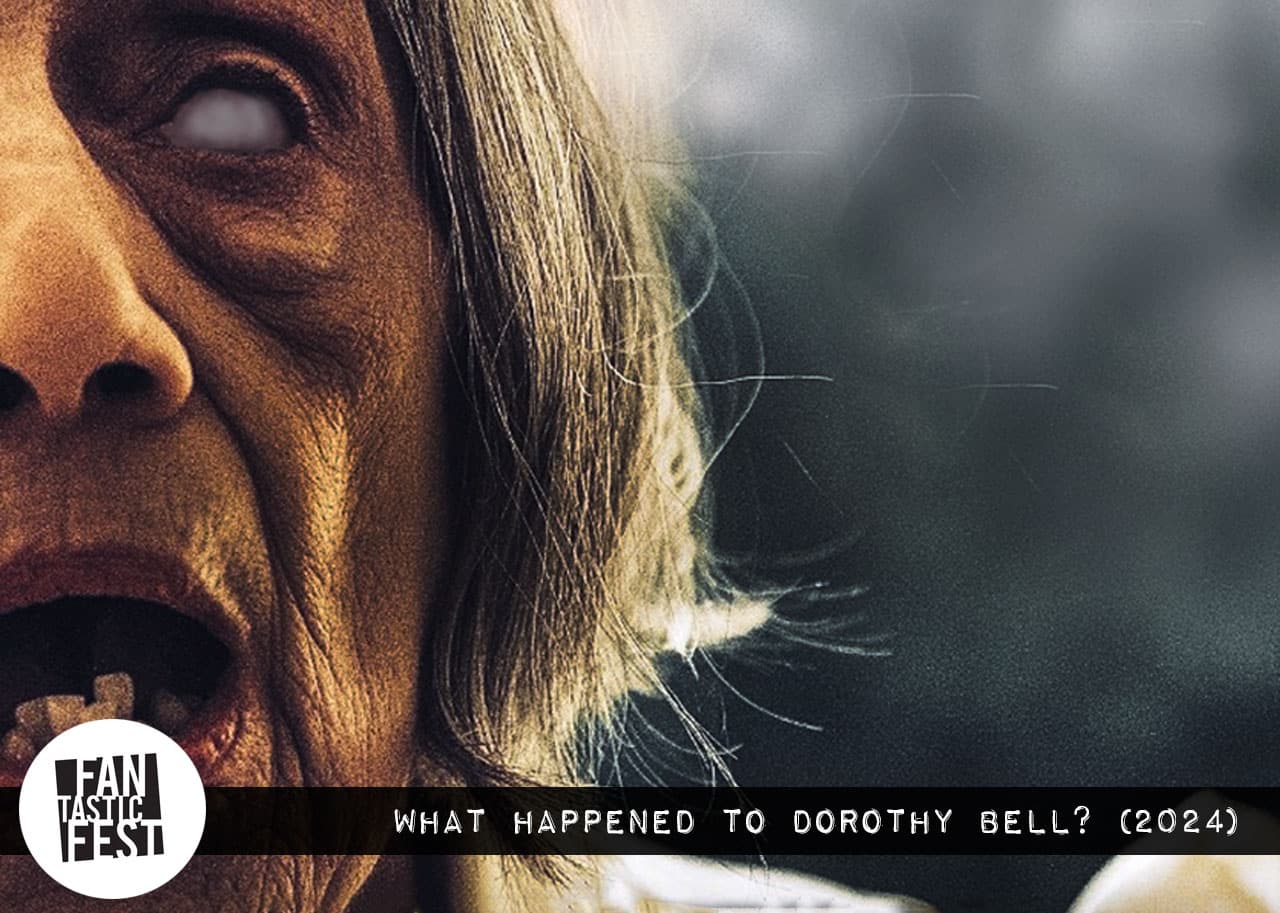
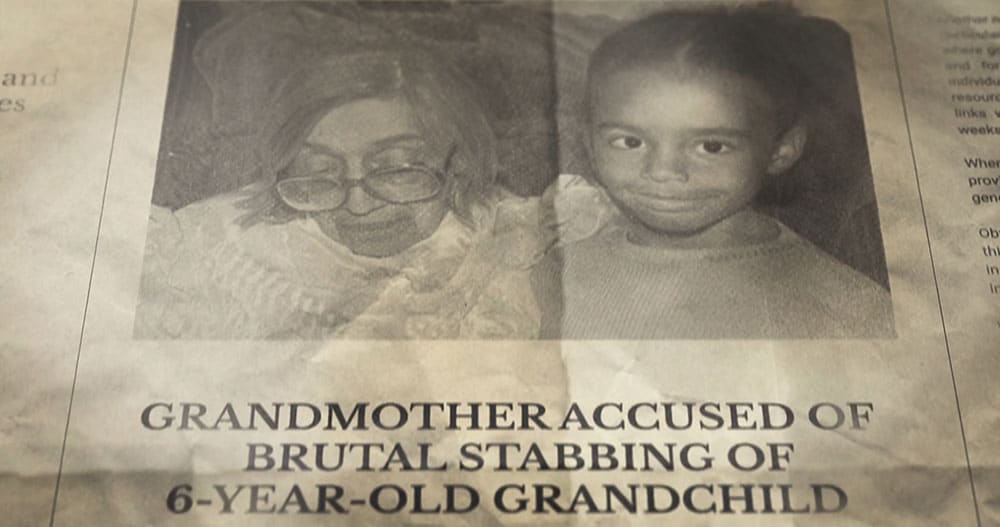
The story follows Ozzie Gray (Meadows), a young woman grappling with childhood trauma inflicted by her grandmother, Dorothy Bell (portrayed with chilling intensity by Arlene Arnone Bibbs).
As Ozzie delves into her past through a documentary project, what begins as an attempt at catharsis evolves into a haunting exploration of family secrets and possibly supernatural forces.
The library where Dorothy once worked, and where she took her own life, becomes both sanctuary and battleground as Ozzie conducts late-night investigations, hoping to commune with her grandmother’s spirit—a spirit many believe still haunts the library as the “Witch Librarian of Spellbound”.
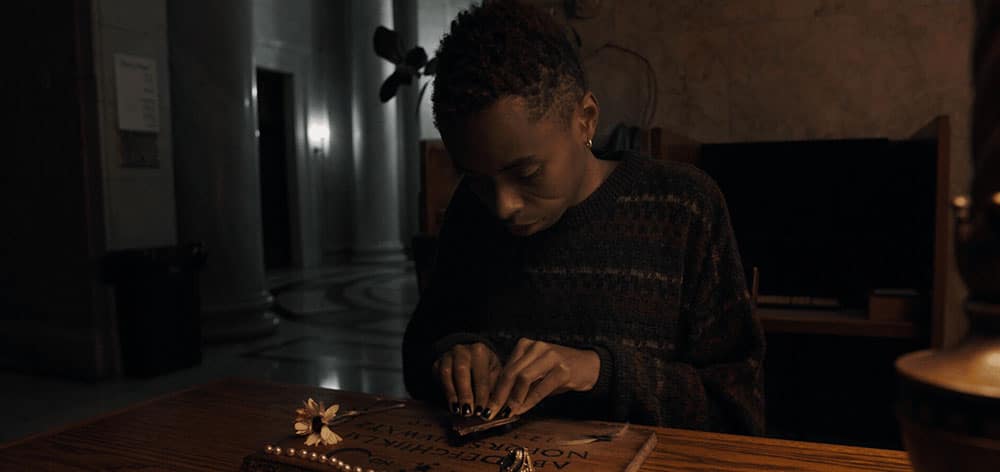
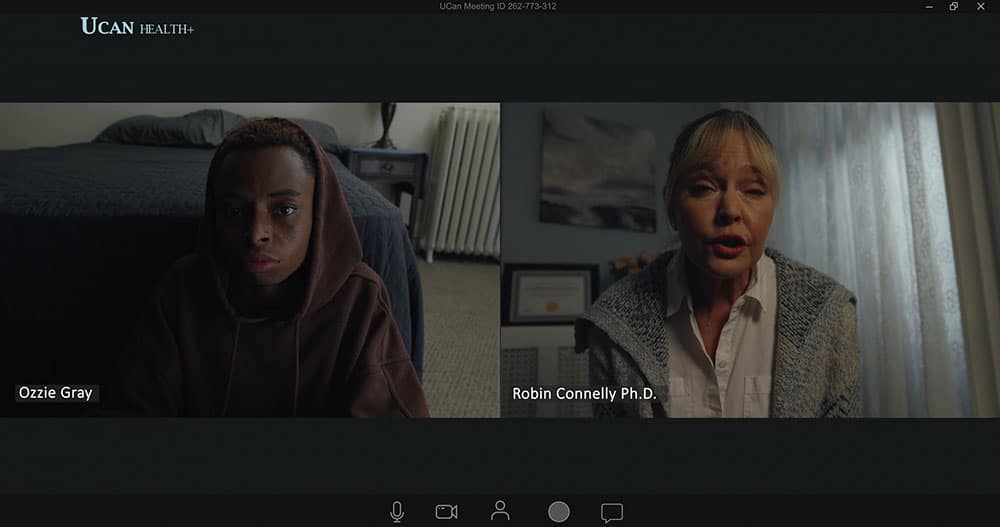
Through a tapestry of video diaries, security footage, and telehealth sessions with Dr. Robin Connelly (horror veteran Lisa Wilcox), we witness Ozzie’s gradual isolation and descent into obsession.
The library scenes, in particular, are masterfully crafted, building tension through what isn’t shown as much as what is.
Asya Meadows carries the film with remarkable skill. Her portrayal of Ozzie’s journey from cautious exploration to full immersion in her grandmother’s dark legacy is both nuanced and devastating.
Michael Hargrove (Nia Costa’s Candyman), as Ozzie’s concerned father, provides strong support in limited screen time, embodying the helplessness of a parent watching their child potentially succumb to the same demons that claimed a loved one.
While the film delivers its share of effective jump scares and creeping dread, its true horror lies in its exploration of inheritance – both of trauma and possibly mental illness.
The ambiguity Villanueva Jr. maintains regarding the supernatural elements elevates the narrative, forcing viewers to question whether Ozzie is uncovering genuine paranormal activity or following her grandmother’s footsteps into delusion.
The film’s focus on a Black family dealing with mental health and generational trauma adds layers of cultural significance often absent from mainstream horror. It tackles the intersection of race, family legacy, and mental health with nuance and sensitivity, never letting its themes overshadow the human story at its core.
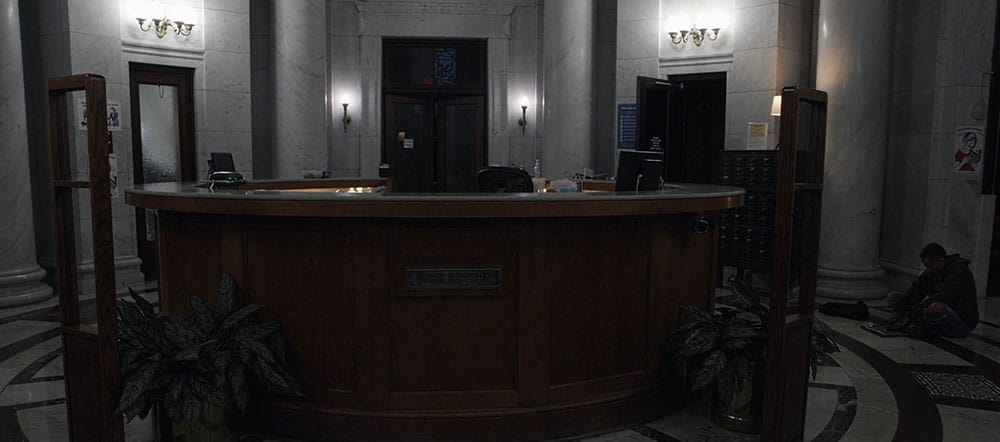
Cinematographer Michael Thomas Determan transforms the library into a character itself, with darkened rows of books holding untold secrets.
The sound design is particularly noteworthy, using silence and subtle audio cues to maximize tension.
At a lean 80 minutes, What Happened to Dorothy Bell? never overstays its welcome, but
Villanueva Jr. packs a lot into that runtime.
The film has been compared to The Taking of Deborah Logan (if you haven’t seen that film, do yourself a favor and seek it out immediately), primarily due to the use of found footage and the centering of an aging relative.
Both films explore the terror of watching someone you love becoming someone you don’t recognize… someone who no longer recognizes you.
Of all the things that terrify us most, nothing compares to death and its close cousin, aging—which only reminds us of the certainty and rapidly encroaching specter of death.
WHAT HAPPENED TO DOROTHY BELL? exploits that fear with a well-crafted narrative that’s as creepy and hair-raising as it is thought-provoking and relatable.
There are some genuinely frightening and cleverly constructed scenes. The opening scenes of what happened the fateful night Dorothy violently attacked Ozzie—leaving a permanent physical scar and ample psychological scars—are mighty effective at hooking horror fans from the start.
The scenes of the darkened library, where Ozzie conducts her investigation and attempts to contact her grandmother’s spirit via a homemade Ouija board, are atmospheric and dread-inducing.
While the ending may feel slightly underwhelming compared to the build-up, the journey there is compelling enough to forgive any shortcomings.
Villanueva Jr. has marked himself as a filmmaker to watch, crafting a memorable and haunting debut that lingers in the mind like a ghost unwilling to be exorcised.

She’s a lover, he’s a fighter. Together, they’re CHEER AND LOATHING. Tune in to hear your hosts, Stephanie (Cheer) and Casey (Loathing), clash over the films they love — and the ones they love to hate.
In this holiday extravaganza episode of Guilty Pleasures, join hosts Stephanie, Kelly, and our newest addition, Jonathan (Jack was tied up in tinsel and couldn't join us), as they unwrap the bizarre and unhinged world of holiday cinema. They dive into the depths of Elves, a film that's as chaotic as it is entertaining. It's a sleigh full of questionable decisions, diabolical dialogue, absurd plot twists, wildly offensive antics, and unhinged holiday mischief.
And that's not all! In the second half of the podcast, join your festive cinephile friends for a look at four more ”nutty as a fruitcake” holiday treats: A New York Christmas Wedding, Elf Bowling, A Medea Christmas, and Jack Frost. Plus, we each offer a bonus Christmas flick guaranteed to make you say, ”Ho, Ho, HO-LY Hell!”
Expect laughter, disbelief, and a spirited debate about what truly makes a movie a guilty pleasure. Don't miss this festive journey through the weirdest corners of holiday films!



2 Comments
2 Records
Earl Martin wrote:
Stephanie Malone wrote:
Thank you so much for the wonderful feedback. I loved this film and felt honored to have caught it on the festival circuit. I hope it continues to gain momentum and gets a lot of attention when it opens to wide release.