

2024 delivered a stellar slate of women-directed horror films, pushing boundaries while exploring personal themes through a feminine lens.
No time to read? Click the button below to listen to this post.
According to the Center for the Study of Women in Television and Film at San Diego State University, women accounted for just 16% of directors working on the 250 highest-grossing domestic releases. That’s not great news. Still, 2024 gave us some stellar women-directed horror films. These diverse offerings push the boundaries of the genre while bringing fresh perspectives to familiar tropes. Here’s a rundown of thirteen must-watch horror (and horror-adjacent) films directed by women this year that you can stream right now.
Blink Twice
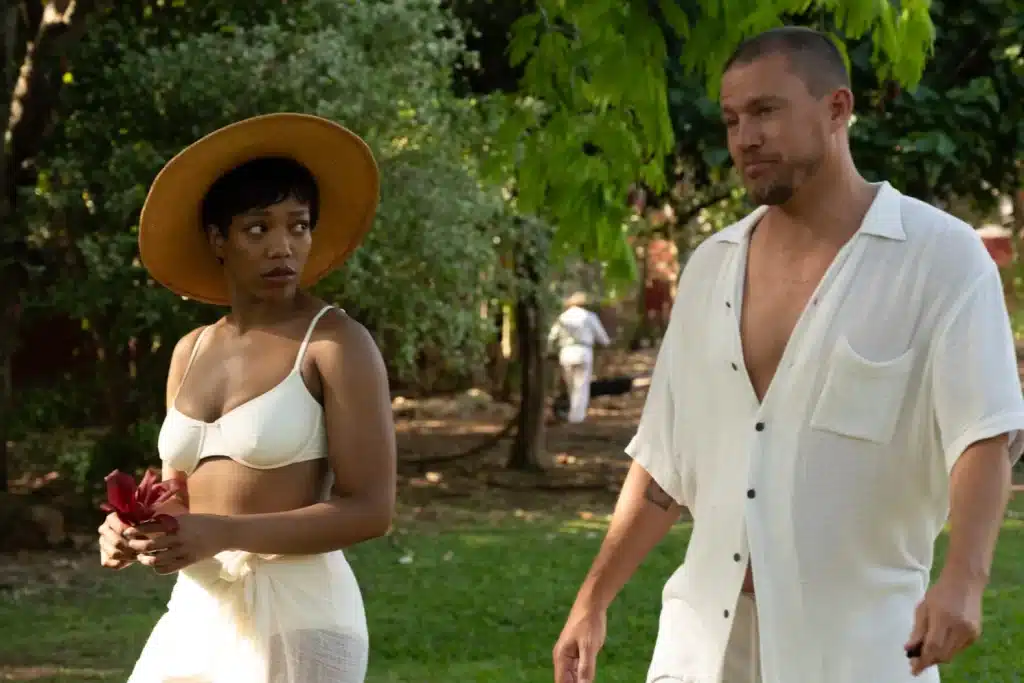
In Zoë Kravitz’s assured directorial debut, Channing Tatum stars as a tech billionaire who invites a cocktail waitress (Naomi Ackie) to join him on a dream vacation that gradually transforms into a nightmare. While Blink Twice plays in the familiar territory of power dynamics and isolation horror, Kravitz brings a fresh perspective to the tech thriller subgenre, crafting a taut psychological horror that explores themes of consent, surveillance, and control. Ackie delivers a compelling performance as a woman caught in an increasingly sinister web, while Tatum subverts his usual charismatic persona to a chilling effect.
The film’s sophisticated approach to building tension through subtle character dynamics rather than overt scares demonstrates Kravitz’s promising command of psychological horror techniques.
Lisa Frankenstein
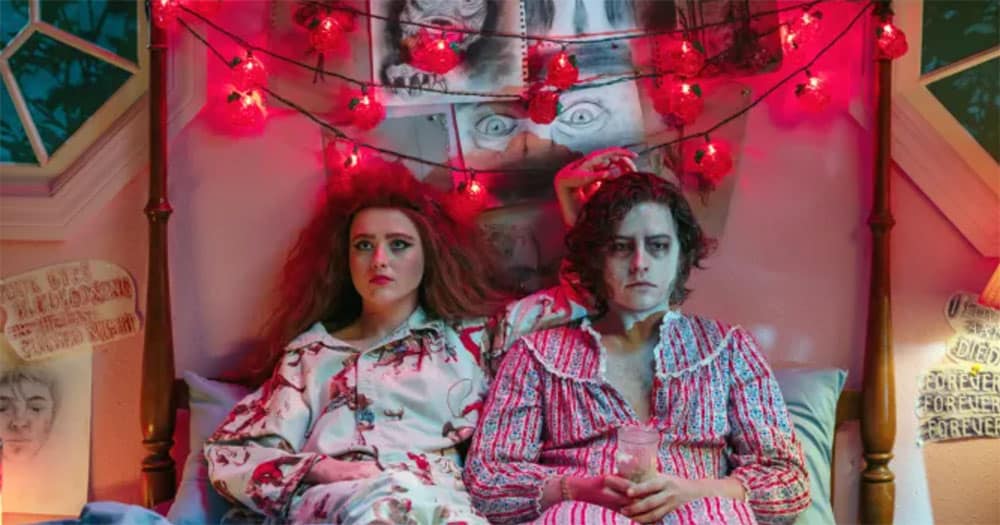
Zelda Williams’s directorial debut (working from a script by Diabolo Cody, crafting a tale that takes place in the same universe as Jennifer’s Body) brings a fresh twist to the teen horror-comedy genre, reimagining Mary Shelley’s classic tale in a 1989 high school setting. The endlessly endearing Kathryn Newton stars as a goth misfit who reanimates her dream date (a charming Cole Sprouse) from a Victorian-era corpse. Lisa Frankenstein‘s strength lies in Williams’s ability to balance camp humor with genuine emotional stakes.
With a clever blend of rom-com tropes, body horror elements, and practical effects, this delightful, sweet, funny romp deserves more love.
The First Omen
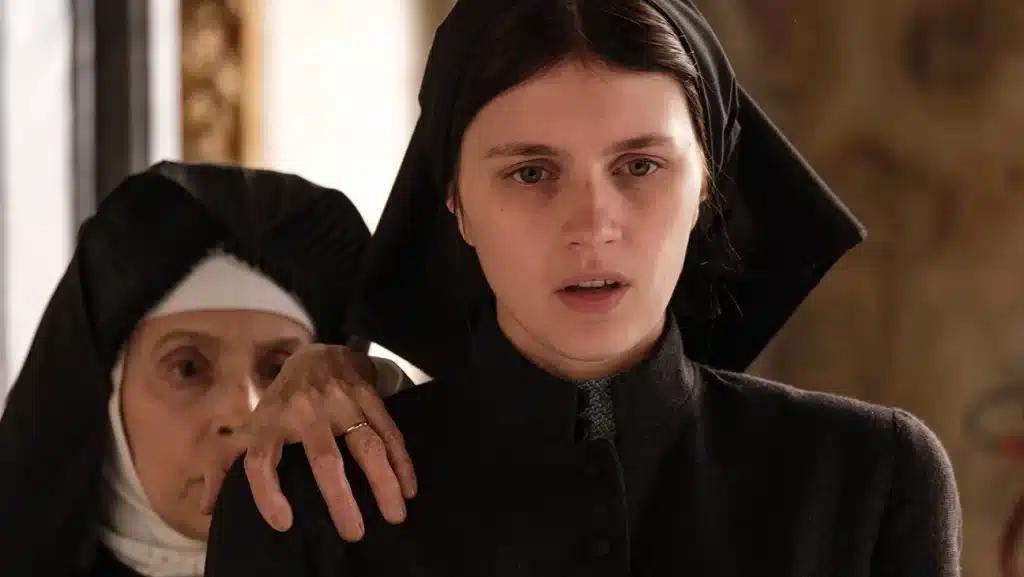
Arkasha Stevenson’s prequel to the 1976 classic delivers a bold feminist reimagining of the Antichrist mythology. Set in 1970s Rome, the film follows a young American nun uncovering dark conspiracies within the Catholic Church. Stevenson dazzles in her directorial debut, while Nell Tiger Free’s powerhouse performance anchors the supernatural elements in emotional reality. The film’s exploration of religious patriarchy and bodily autonomy adds contemporary resonance to its traditional horror framework.
A masterful blend of psychological dread, stunning visuals, and an unrelenting sense of doom, The First Omen redefines the origin story by delving into the haunting roots of evil with chilling precision and atmospheric elegance.
I Saw the TV Glow
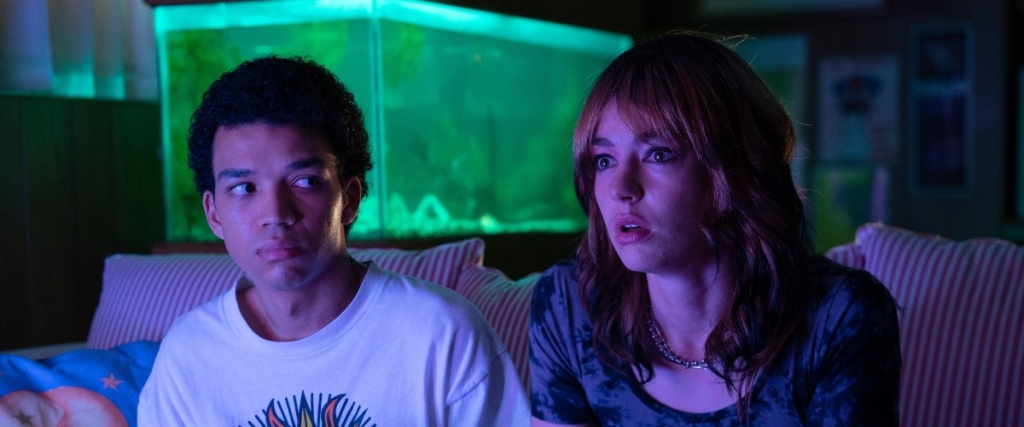
Jane Schoenbrun’s (We’re All Going to the World’s Fair) sophomore feature defies easy categorization, straddling the line between coming-of-age drama and cosmic horror. Following two teens obsessed with a mysterious late-night TV show, the film creates an atmosphere of unreality that grows increasingly unsettling. Justice Smith and Brigette Lundy-Paine deliver haunting performances in this meditation on gender identity, nostalgia, and the power of media to shape reality. While some viewers might find its pace deliberately slow, the payoff is worth the wait.
Blurring the lines between reality and imagination, I Saw the TV Glow is a hauntingly beautiful exploration of connection, loneliness, and the dark allure of escapism, leaving an indelible emotional imprint with its poignant storytelling and dreamlike visuals.
The Substance

Coralie Fargeat follows up her potent revenge thriller Revenge with this hallucinatory body horror film about an aging Hollywood starlet who takes an experimental drug with horrific consequences. The film deftly deals with themes of aging, insecurity, and identity. Fargeat’s visceral direction and striking visual style elevate visceral horror into a savage critique of beauty standards and consumer culture. Demi Moore is astonishingly good in this grotesque yet gorgeous exploration of vanity and transformation.
By blending high production values, sharp cinematography, and nuanced performances with elements of body horror and dark comedy, The Substance subverts traditional genre boundaries, earning critical acclaim and mainstream award recognition for its sophisticated yet sensational storytelling.
Woman of the Hour
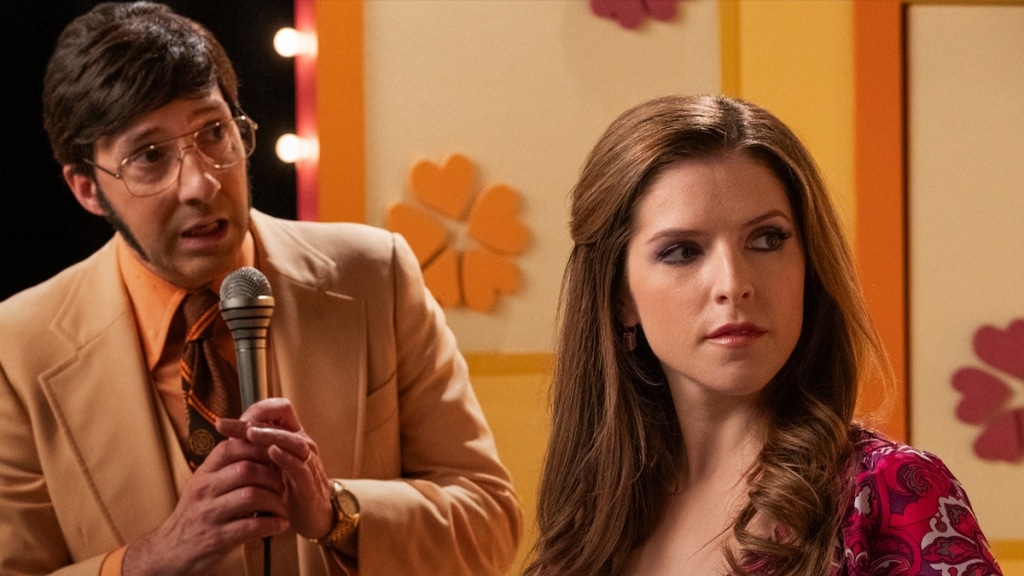
Anna Kendrick pulls double duty as the director and star in this true-crime horror hybrid based on the real-life case of a Dating Game contestant who turned out to be a serial killer. Kendrick’s direction shows remarkable restraint, building tension through subtle character moments rather than explicit violence. The film’s strength lies in its examination of how society’s expectations of female politeness can be weaponized against women, making it as much a social horror film as a true-crime thriller.
Woman of the Hour is a gripping exploration of intuition, industry sexism, and the chilling duality of evil as it unravels a true-crime story that is as captivating as it is unsettling.
Humanist Vampire Seeking Consenting Suicidal Person
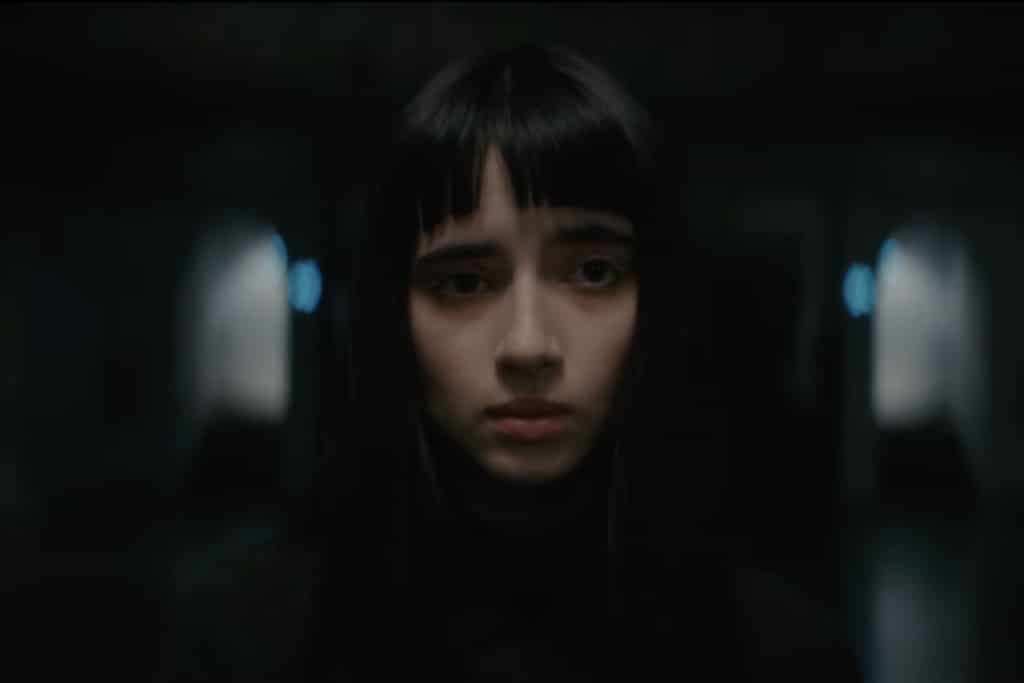
Ariane Louis-Seize’s debut feature brings mordant humor and surprising depth to its high-concept premise. This French-Canadian film follows a young vampire who refuses to kill unwilling victims, instead seeking out willing participants through online forums. While more dark comedy than straight horror, the cleverly titled Humanist Vampire Seeking Consenting Suicidal Person blends vampire mythology with contemporary mental health discussions to create a unique and memorable genre hybrid. Sara Montpetit delivers a standout performance.
Love Lies Bleeding
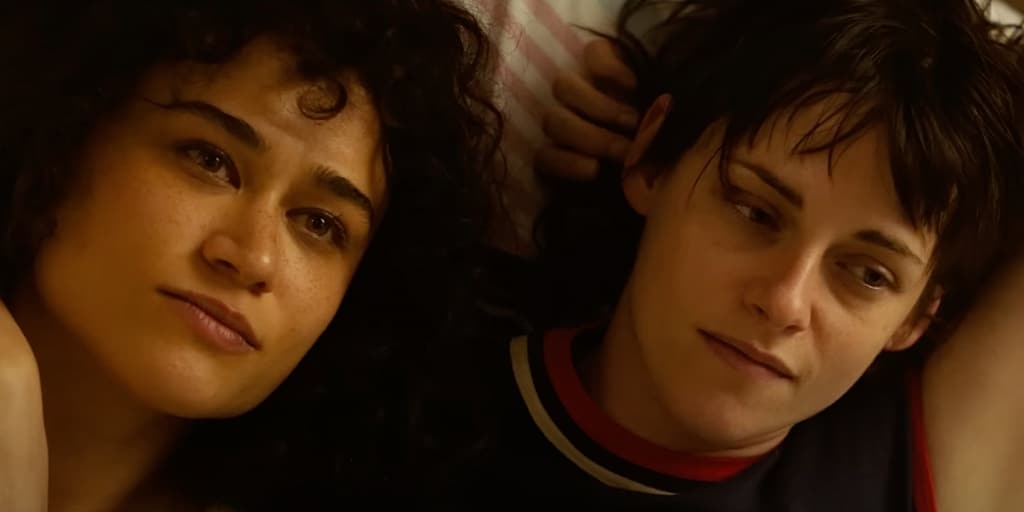
Rose Glass’s follow-up to the stunning religious horror Saint Maud proves equally ambitious and unsettling. Kristen Stewart and Katy O’Brian generate electric chemistry as they navigate a relationship that blends romance, bodybuilding, and increasingly surreal criminal elements in a small desert town. Glass crafts a unique vision that feels like what might happen if the late-great David Lynch directed a 1980s muscle magazine photoshoot. The film revels in both the beauty and grotesquerie of the human body while exploring themes of power, desire, and transformation.
What sets Love Lies Bleeding apart is its fearless blend of genres—equal parts erotic thriller, crime drama, and body horror—all held together by Glass’s confident direction and a deep appreciation for both the allure and danger of obsession.
Humane
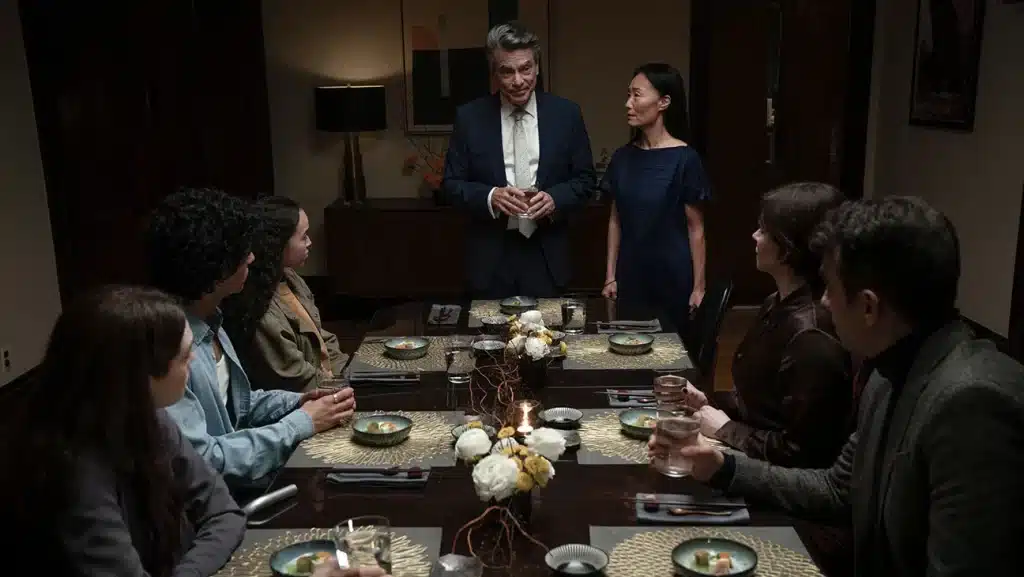
Humane marks an assured directorial debut from Caitlin Cronenberg, delivering a wickedly satirical take on climate crisis response through the lens of a dysfunctional family that devolves into a pressure cooker of moral compromise and survival instincts. The film excels in its careful balance of pitch-black comedy and genuine dread, powered by sharp ensemble performances. Cronenberg demonstrates a confident command of tone, allowing the horror to build naturally from the premise’s inherent absurdity while never losing sight of the deeper questions at play about privilege, sacrifice, and who bears the burden of societal collapse.
It’s a film that manages to be both darkly entertaining and deeply uncomfortable in its implications, suggesting that Cronenberg has inherited some of her father’s talent for provocative genre storytelling while establishing her own distinctive voice.
Tarot
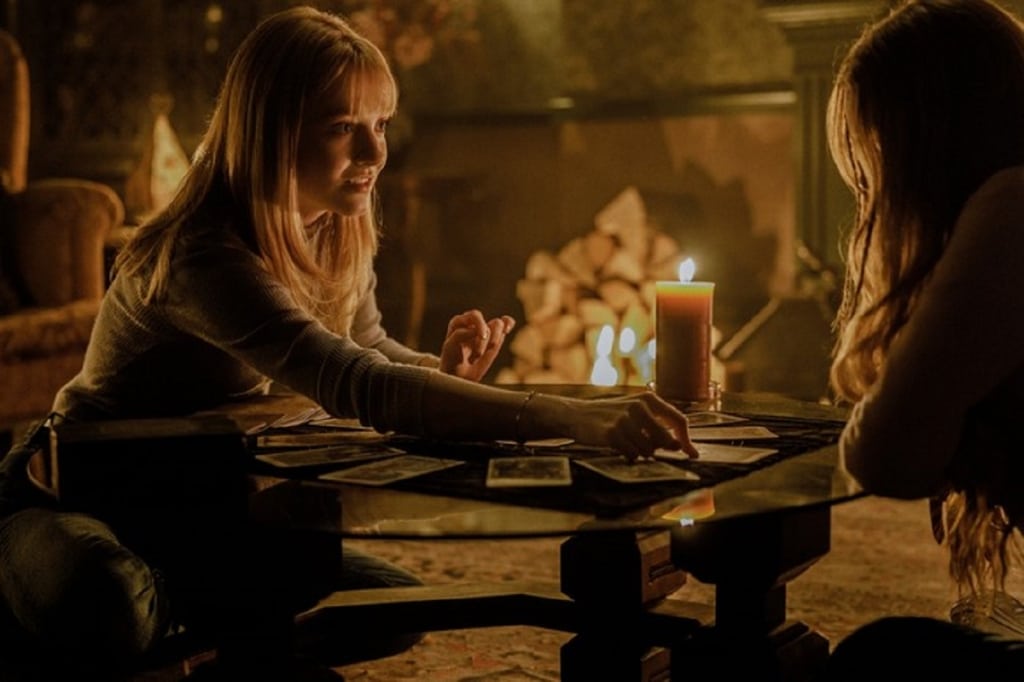
Written and directed by Spenser Cohen and Anna Halberg, this supernatural horror film offers a clever take on the “curse” subgenre. The story follows a group of teenagers who, after doing a seemingly harmless Tarot card reading using a mysterious deck, discover they’ve unleashed a malevolent force that kills its victims according to their drawn cards. Cohen and Halberg get creative with the death sequences, using the Tarot imagery as inspiration for some memorably staged scares and decent practical effects work. Tarot particularly shines when it leans into the visual possibilities of its premise, though budget limitations occasionally hamper the effectiveness.
While the plot hits familiar beats from other curse-based horror films, the Tarot element adds an engaging layer of mysticism and fatalism to the proceedings.
Your Monster
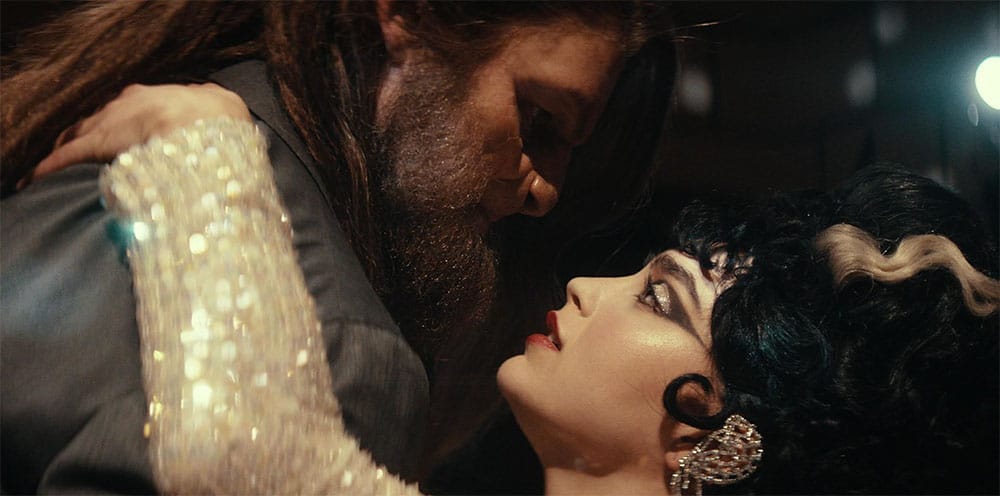
Caroline Lindy’s genre-bending romantic horror-comedy follows a struggling actress (a positively luminous Melissa Barrera in a career-best) who forms an unusual relationship with the cranky-turned-charming monster under her bed (Tommy Dewey). What could have been merely quirky becomes something more profound in Lindy’s hands, exploring themes of self-acceptance and creative expression through a horror lens. The story, which is based on Lindy’s experience of a longtime boyfriend jilting her in the middle of cancer treatment, shares some DNA with Lisa Frankenstein—another stellar exploration of feminine rage and unlikely romance.
Lindy’s script cleverly subverts expectations about both monster movies and rom-coms. The chemistry between Barrera and Dewey transcends the potentially odd nature of their pairing, making their unconventional relationship feel surprisingly genuine. The film succeeds in balancing its tonal shifts between sweet romantic moments, character comedy, and darker elements that emerge as Laura begins to embrace her own inner monster.
Refreshingly original, it’s an endearing exploration of finding one’s voice—and sometimes needing a monster in your corner to help you do it.
The Watchers
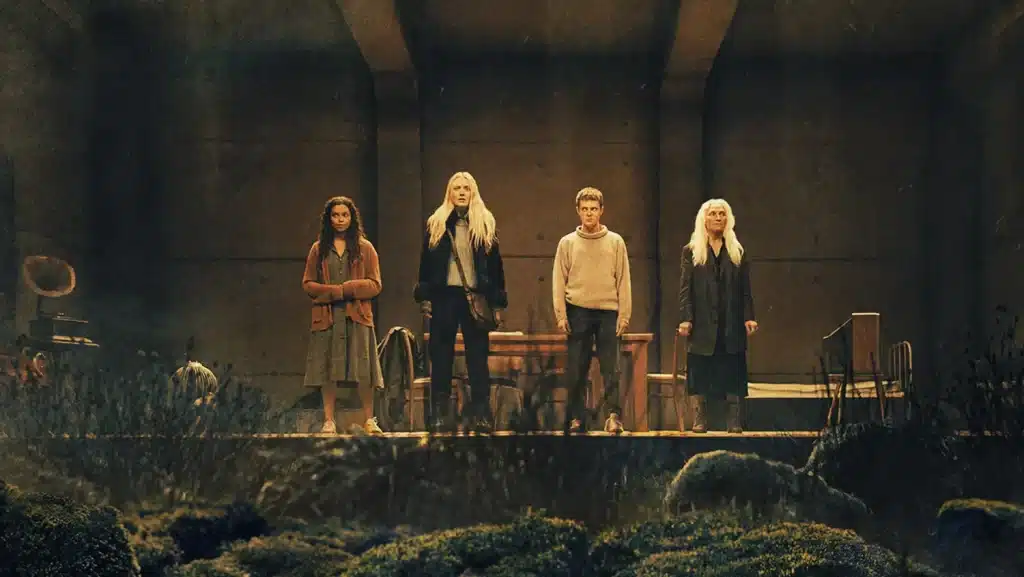
Ishana Night Shyamalan’s directorial debut may not have completely blown away critics and audiences, but it certainly showcased her talent and made her one to watch as a potential rising star. Set in the Irish countryside, this folk horror tale—adapted from A.M. Shine’s novel— is a claustrophobic creature feature that shows promise despite some familiar beats. Dakota Fanning leads as Mina, an artist who becomes trapped in a strange facility deep in a forest with three others, forced to endure eerie nightly visits from mysterious entities.
The film’s strongest elements come from its atmosphere and sound design, creating genuine tension through what lurks just beyond the edges of visibility. Shyamalan demonstrates a skilled hand at building suspense through restraint, clearly influenced by but not merely imitating her father’s style. The contained setting of the concrete bunker becomes increasingly oppressive as the story unfolds.
The film works best as a study in sustained dread and isolation, even if its mythology doesn’t quite pay off with the same impact as its atmospheric first two acts.
Nightbitch
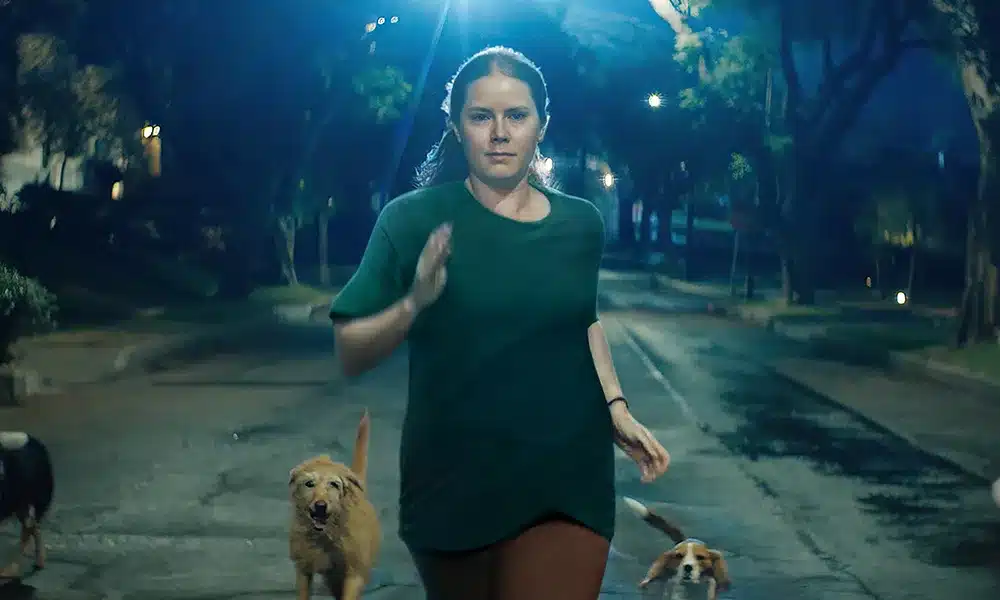
Nightbitch showcases Amy Adams in one of her most transformative roles as a former artist turned stay-at-home mom who becomes convinced she’s turning into a dog. Director Marielle Heller adapts Rachel Yoder’s novel with a perfect balance of psychological horror, dark comedy, and sharp social commentary about the all-consuming nature of motherhood. What makes the film particularly striking is how it uses its supernatural elements to explore the raw, primal feelings of identity loss and isolation that can come with early motherhood. Heller’s direction brings both humor and humanity to scenes that could have easily tipped into pure absurdism, while Adams fearlessly commits to both the physical and emotional demands of the role.
The film excels in maintaining ambiguity about whether its protagonist is actually transforming or experiencing a psychological break, using this uncertainty to dig deeper into questions about societal expectations of mothers and the loss of self that can come with full-time caregiving. The moments of body horror are effectively unsettling precisely because they feel so grounded in real maternal anxieties and frustrations.
Scathingly funny one moment and deeply unsettling the next, it’s a bold, feminist work that’s unafraid to bare its teeth at the sanitized version of motherhood often presented in popular culture.




Follow Us!