


In “Lord of War”, Nicolas Cage plays a charismatic arms dealer in a morally complex satire that dares to sell you a dose of global truth.
No time to read? Click the button below to listen to this post.
It’s True Blue Cage this week, as we explore Cage’s work in films based on true stories, starting with the random number-generated pick, USS Indianapolis: Men of Courage. After two rounds of voting, we ended up in a deadlock with the vote split 50/50 for our audience pick. As a result, we decided to cover both the WWII drama Windtalkers and a story about a morally conflicted arms dealer, loosely based on the real-life Merchant of Death, Lord of War. One film left us ready to wage war ourselves, and the other was a surprising gem amidst the rubble.
IN THIS CORNER: KELLY MINTZER
The Lowdown
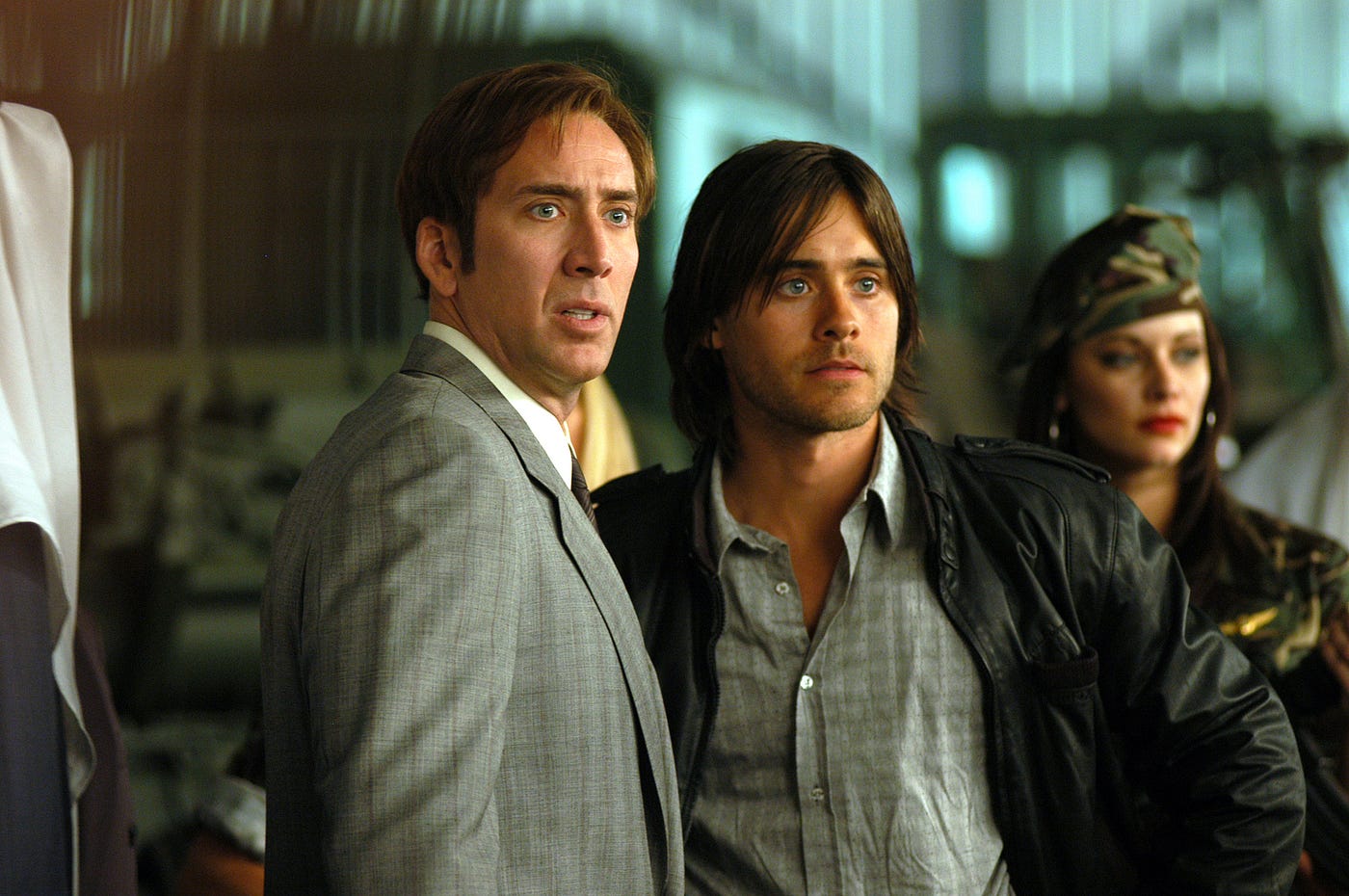
Finally, after a brutal series of pretty genuinely abysmal watches, we’re back in the Cage Match sweet spot with Lord of War: I genuinely kind of enjoyed watching this movie.
I know that sounds like damning with faint praise-a real Krusty Ribwich “I don’t mind the taste” of a compliment. But you’ve got to understand: something like 800 movies and 7,000 years into this experiment, I’ve come to accept that when you say “yes” as often as Nicolas Cage does, unfortunately a lot of what you’re saying “yes” to is going to be shit.
So while maybe it IS faint praise, watching a relatively clever satire about the arms trade-and the corrupt nature of the governments who benefit from it-and not wanting to turn it off felt like a goddamn revelation. Particularly after the sort of rah-rah jingoistic bullshit we watched last week.
LORD OF WAR has a point of view and a relatively clear thesis. It also has some bite to it—a dark sense of humor keeps it from feeling too didactic.
I’ve read that some critics felt it was scolding; I did not. Perhaps it’s because I, too, come from a platform of abject contempt for the arms trade and think that we are better when wiser about that particular industry, but I actually felt the movie was relatively level in its approach.
I did find Nicolas Cage’s American-ness a little distracting. He is playing a Ukrainian-American named Yuri, and he has not the slightest hint of an accent. In most circumstances, I am extremely on the side of an actor not attempting an accent they cannot manage. However, Yuri’s Eastern European heritage feels important to me; perhaps it’s the idea that he is both Ukrainian and American and, as such, feels no particular fealty to any one nation.
Or, perhaps it is because an Eastern European accent would help to more deeply deliver the message of the venomous American dream; the idea that we tell immigrants they can come here and become rich and successful, and then provide them with few resources to do so legally.
Yuri becomes wildly rich and successful; he is, you could argue, incredibly self-made, really pulled himself up by the bootstraps. But at what cost?
The Cage Factor:
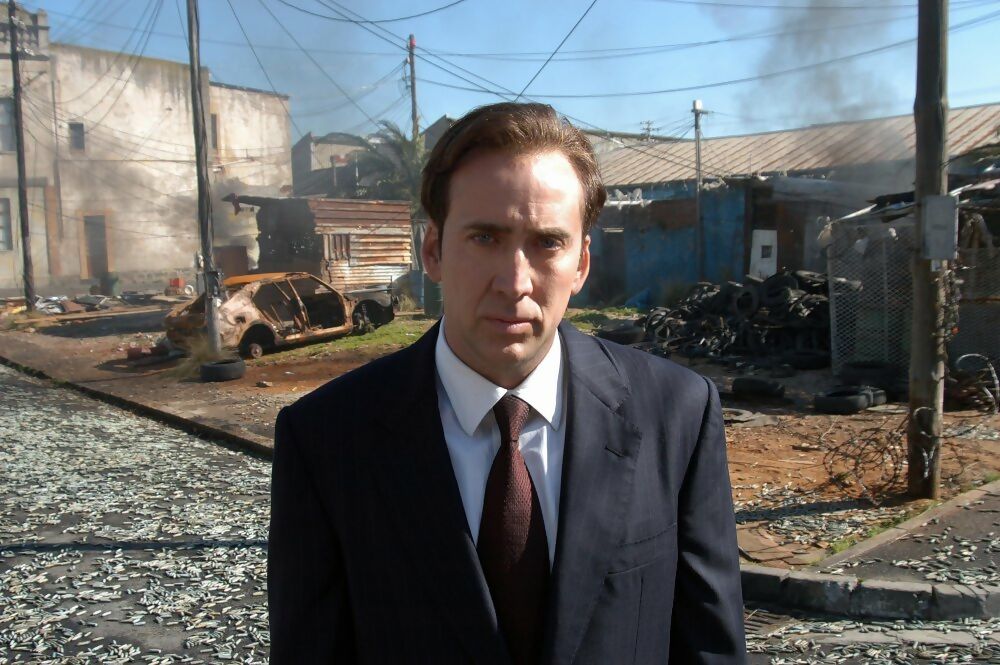
I want to give this a Cage Fighter, simply because it was fun. But in my attempt to maintain a level and reasonable (and honest) grading metric, I can’t call this essential just because the last few movies were such dogshit that this now feels like a masterpiece. This is Cautious Cage. It’s enjoyable, it’s smart, and it’s pretty funny in parts. It’s not his best performance—in fact, this is one of those movies where he is not the strongest component (though he is still very good).
AND IN THIS CORNER: STEPHANIE MALONE
The Lowdown
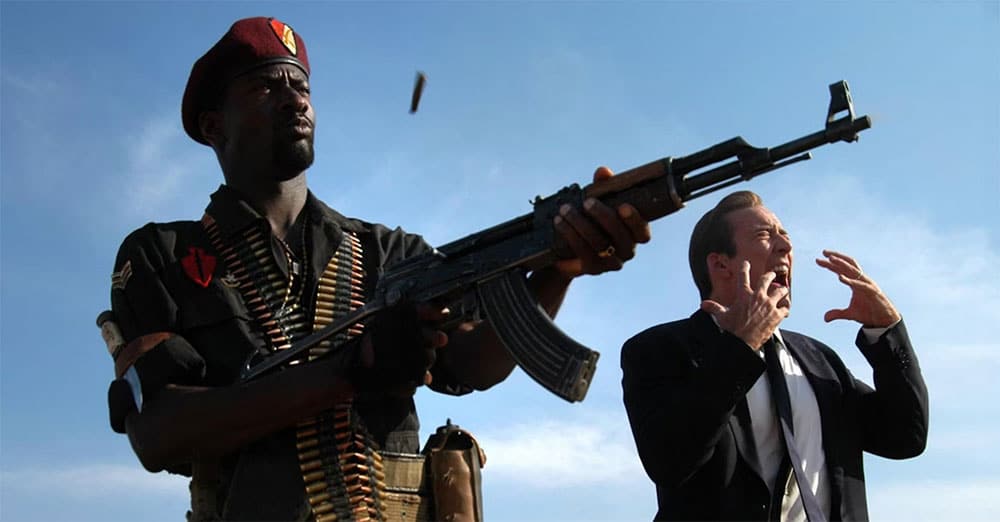
In Lord of War, Nicolas Cage plays a man who sells death for a living—and somehow makes you root for him while doing it. That, in itself, may be the most audacious accomplishment of Andrew Niccol’s 2006 arms-dealing exposé: it dares to ask if you’ll follow a charismatic criminal around the globe, through blood-soaked warzones and ethically barren transactions, and still come away entertained.
The answer, at least for me, is a resounding YES.
It opens with a stunning sequence: a hypnotic montage following the literal life of a bullet—from factory floor to forehead. It’s visceral, bold, and a beautiful stage-setter for a biting satire that skewers the global arms trade.
The film deserves praise for having the guts to wade into this morally murky terrain, highlighting the faceless nature of warfare profiteering, the bureaucratic complicity of world powers, and the seductive pull of power over people.
But while the film’s ambitions are sky-high, the execution isn’t always as precise as its bullet-centric cold open. Its tone wobbles, and the sardonic voice-over quips and humor in the face of genuine human horror won’t be everyone’s cup of tea. The constant narration from Cage has been criticized as lazy by some, and supporting characters are undercooked.
There’s no real reckoning for Yuri, only resignation. While that may be thematically on point, it will leave some viewers cold.
But if you’re in the mood for a morally queasy journey into the underbelly of capitalism, led by the cool hand of Cage, you’ll find much to appreciate here.
The Cage Factor:
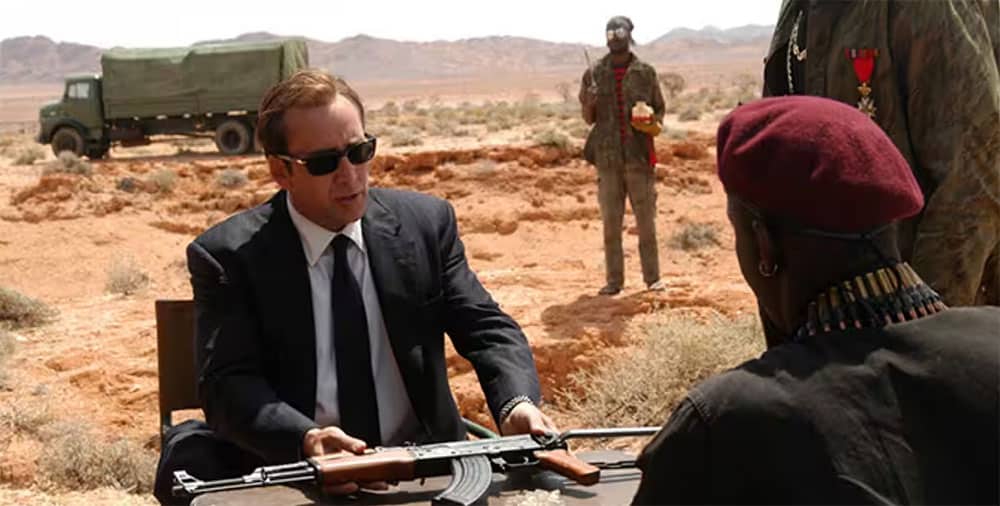
This is one Nic’s performances where he doesn’t scream, cry, or melt down in the operatic way fans have come to fetishize—but make no mistake, it’s still quintessential Cage. As Yuri Orlov, he’s cold, compelling, and disconcertingly charming, sliding through moral compromise like a well-oiled bullet casing. Cage crafts Yuri as the ultimate unreliable narrator: suave but hollow, insightful yet evasive, as slippery as the geopolitical mess he profits from.
Cage’s Yuri becomes a cipher for the modern antihero. His dry delivery makes Yuri’s most disturbing observations go down like a shot of fine vodka—cold, clear, and stinging.






Follow Us!