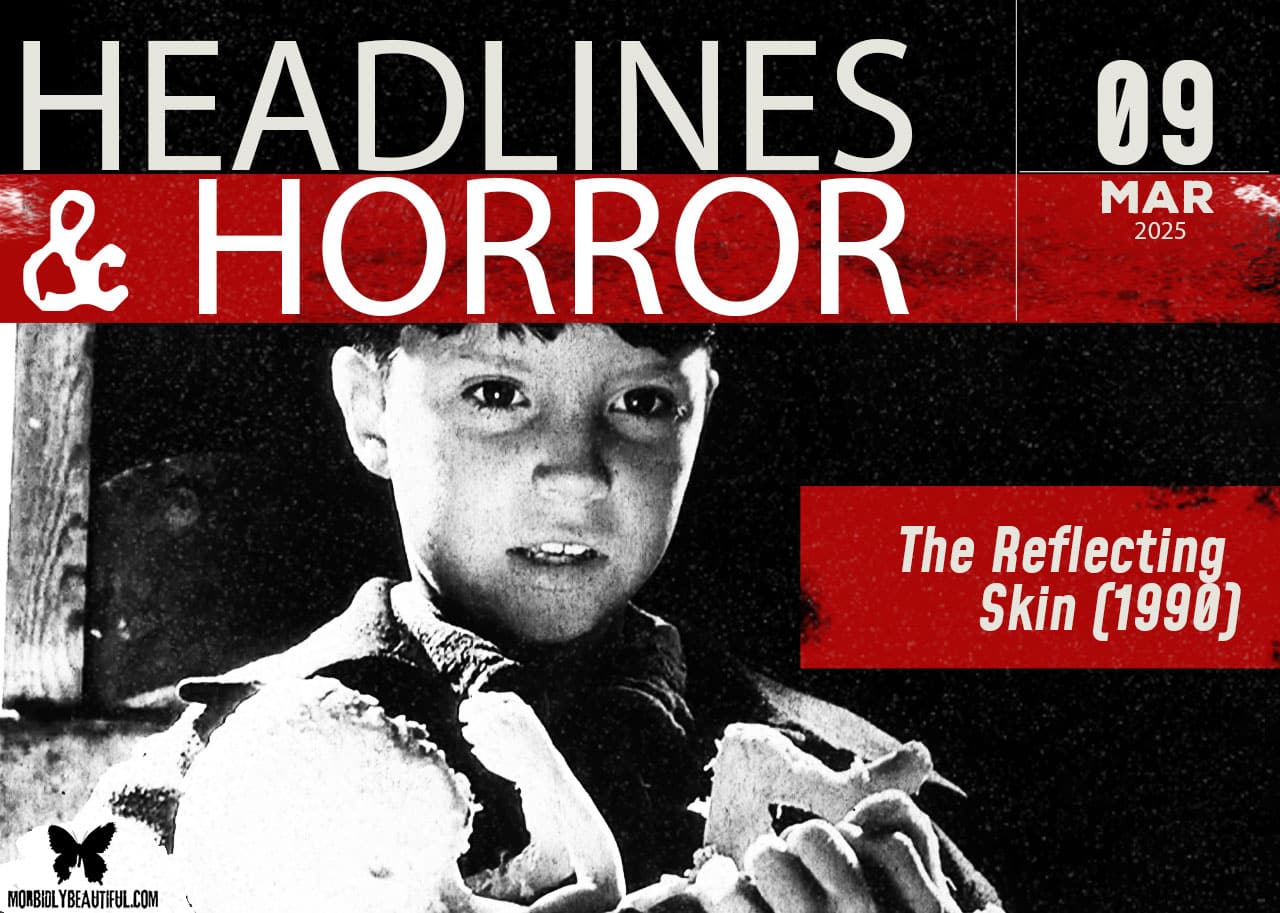
Headlines and Horror: The Reflecting Skin


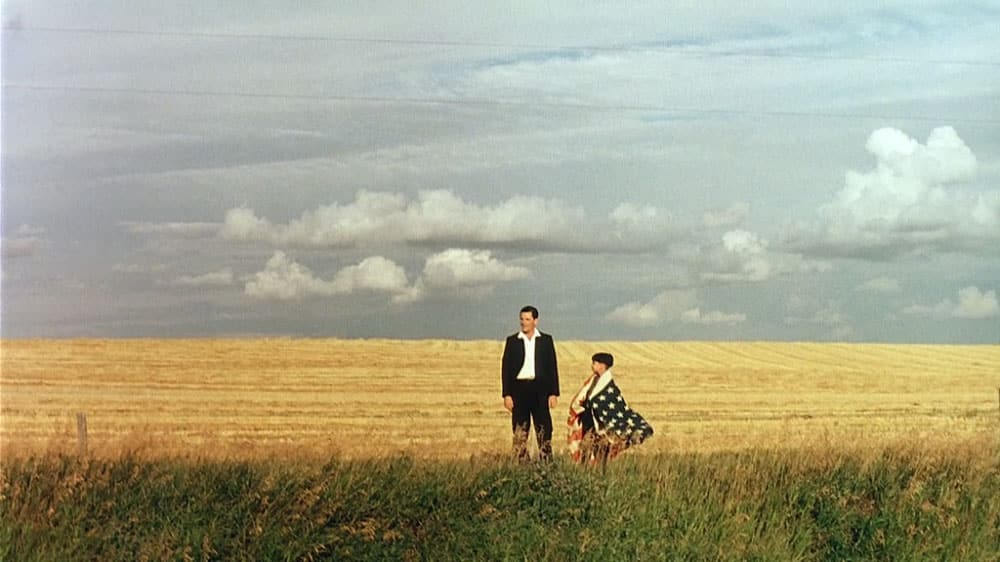
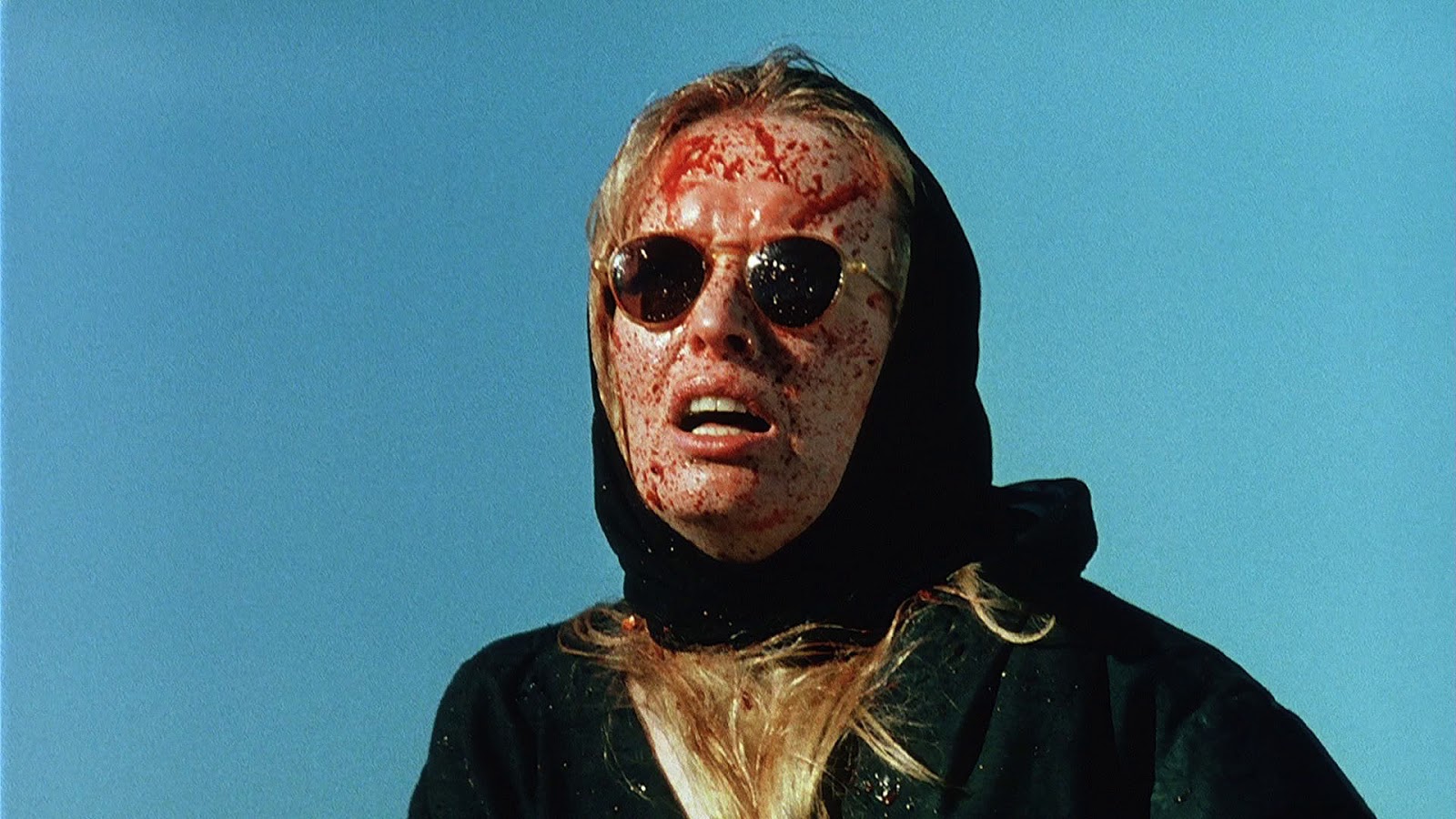
In Philip Ridley’s haunting 1990 masterpiece, The Reflecting Skin, a young boy growing up in the oppressive rural heartland of 1950s America witnesses a series of tragedies that fracture his fragile understanding of the world. Amidst the sun-bleached beauty of golden wheat fields and endless skies, paranoia festers. When local children begin to vanish, the boy—immersed in the violent mythology of his community—scapegoats his mysterious, reclusive neighbor as a vampire.
What follows is a descent into both literal and metaphorical horror, where fear of the outsider eclipses any search for truth.
More than three decades later, The Reflecting Skin feels eerily prescient. Today, in the midst of a rising tide of anti-trans legislation, weaponized moral panic, and far-right crusades against bodily autonomy, the film’s eerie meditation on manufactured monsters and communal scapegoating could not be more relevant.
As American culture once again finds itself obsessed with policing the boundaries of identity, gender, and purity, The Reflecting Skin offers a potent lens through which to understand this terrifying cycle.

At its core, The Reflecting Skin is a child’s eye view of adult cruelty, repression, and the communal urge to invent convenient villains. Eight-year-old Seth Dove lives in a stifling, isolated farming town, raised on a steady diet of religious dogma, stunted masculinity, and fear of contamination from outsiders. When Seth’s friends start disappearing, he fixates on his neighbor Dolphin Blue, a grief-stricken woman living alone after the suicide of her husband.
Seth, echoing the fears and prejudices of his town, declares her a vampire—the perfect monster to fit the void where reason and empathy should exist.
The film also grapples directly with the stigma surrounding homosexuality. Seth’s father is heavily implied to be a closeted gay man whose repression and self-loathing have curdled into bitterness and alienation. His torment culminates in a horrific act, a searing indictment of what happens when a society forces individuals to deny and destroy their true selves.
This stands in stark contrast to Seth’s brother Cameron, a soldier who returns from the Pacific theater deeply scarred by the violence he witnessed and participated in—including the othering and dehumanization of Japanese people during the war.
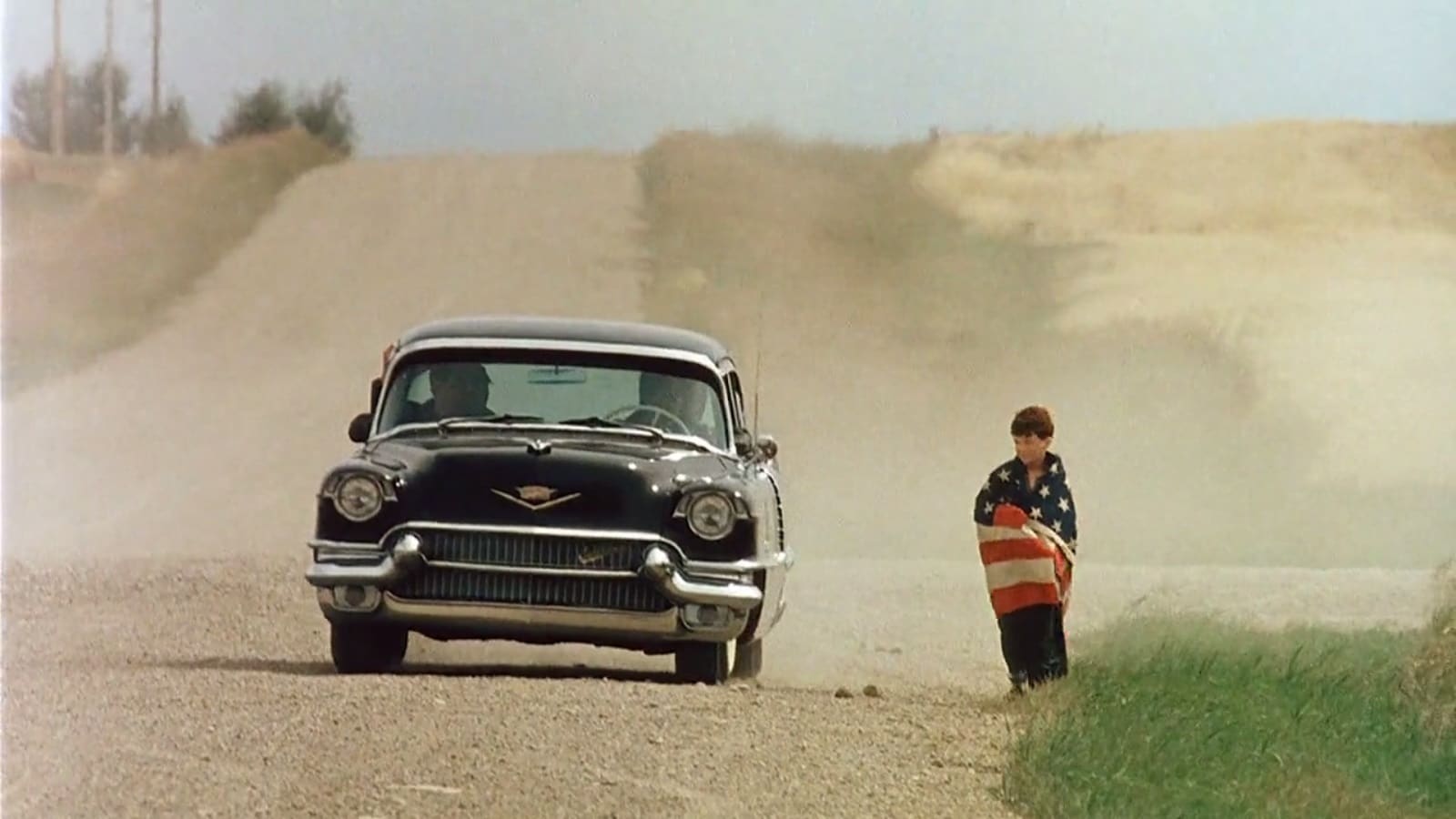
Throughout the film, a sinister black car roams the town, its teenage occupants abducting and murdering children. But because these killers are white, male, and familiar—local boys, not outsiders—the community never suspects them. They are not the monsters of legend or whispered fear; they are the boys next door.
When people are conditioned to fear marginalized groups—be they trans people, immigrants, or queer neighbors—they become unable to recognize actual threats posed by systemic violence, corporate greed, and political corruption. By fixating on the invented horror of the ‘other,’ they miss the real dangers lurking behind friendly faces.
Cameron’s return from war introduces another crucial thread: the ease with which entire populations can be othered, dehumanized, and brutalized. War doesn’t just breed violence—it demands the creation of monsters to justify it.
This same process fuels today’s domestic culture wars. Trans people, like wartime enemies, are cast as existential threats. Their very existence is framed as an attack on family, faith, and the future. Once dehumanized, any cruelty—from denying healthcare to state-sanctioned violence—becomes not just permissible but patriotic.
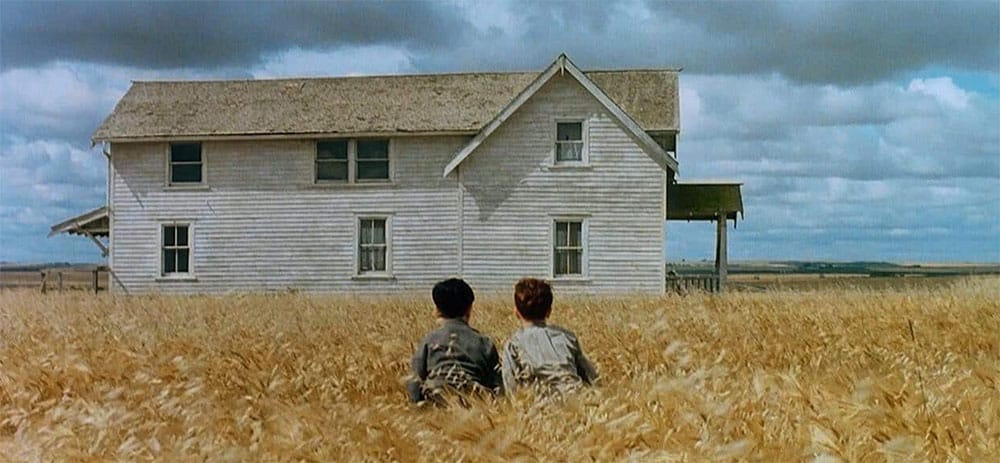
One of The Reflecting Skin’s most unforgettable qualities is its visual beauty. Every frame shimmers with painterly perfection—golden fields, sapphire skies, angelic faces. But this beauty masks unspeakable rot: abuse, repression, violence, and bigotry. This is the horror of small-town America, where picturesque streets hide family abuse, religious zealotry, and violent intolerance.
In today’s America, the same applies to the sanitized language of “protecting children” and “preserving women’s sports” used to rationalize brutal anti-trans legislation. The surface seems clean, but the truth beneath is monstrous.
The echoes between Ridley’s pastoral nightmare and today’s political climate are deafening.
In 2025, trans people have become one of the most convenient scapegoats for right-wing moral panic. Much like Dolphin Blue, trans bodies are painted as both predatory and contagious, a threat to the imagined purity of childhood, family, and nation. Headlines are saturated with bills banning gender-affirming care, preventing trans people from serving in the military (Military Times), and criminalizing parents who support their children’s transitions.
This moral panic extends to absurd new levels—with libraries banning books that feature trans characters (CBS News), states proposing laws to forcibly detransition youth (NBC News), and a national climate where the very existence of trans people is reframed as a cultural contagion.
Just as Seth’s town clings to the vampire myth to avoid reckoning with its own rot, today’s transphobic legislation serves a purpose beyond mere bigotry—it redirects attention away from the real crises: economic injustice, environmental collapse, and the erosion of democratic rights.
Scapegoating trans people offers an easy enemy, a simple monster onto which a terrified populace can project its fear.
In The Reflecting Skin, Seth’s fear of Dolphin allows him to make sense of a chaotic, grief-stricken world. In reality, trans people have become the sacrificial offering that allows the powerful to maintain control while avoiding accountability.
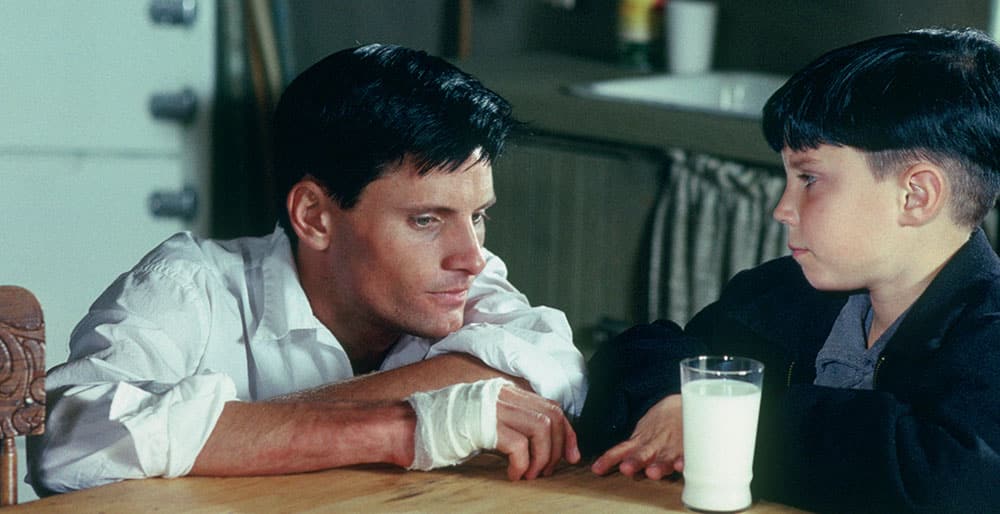
The Reflecting Skin ultimately reveals that the true horror is not Dolphin Blue’s otherness, but the community’s need to destroy her in order to preserve its own fragile mythologies. This same pattern undergirds today’s war on trans people, where gender nonconformity becomes the monster used to frighten a population into submission.
By revisiting The Reflecting Skin through this lens, we confront an uncomfortable truth: Moral panics are never really about protecting anyone. They’re about control. They’re about redirecting rage toward the powerless. And they rely on communities—neighbors, families, voters—becoming willing participants in the creation of monsters.
In the end, the film leaves us with a chilling warning. When we allow fear to write our stories, we become the monsters ourselves.

She’s a lover, he’s a fighter. Together, they’re CHEER AND LOATHING. Tune in to hear your hosts, Stephanie (Cheer) and Casey (Loathing), clash over the films they love — and the ones they love to hate.
In this holiday extravaganza episode of Guilty Pleasures, join hosts Stephanie, Kelly, and our newest addition, Jonathan (Jack was tied up in tinsel and couldn't join us), as they unwrap the bizarre and unhinged world of holiday cinema. They dive into the depths of Elves, a film that's as chaotic as it is entertaining. It's a sleigh full of questionable decisions, diabolical dialogue, absurd plot twists, wildly offensive antics, and unhinged holiday mischief.
And that's not all! In the second half of the podcast, join your festive cinephile friends for a look at four more ”nutty as a fruitcake” holiday treats: A New York Christmas Wedding, Elf Bowling, A Medea Christmas, and Jack Frost. Plus, we each offer a bonus Christmas flick guaranteed to make you say, ”Ho, Ho, HO-LY Hell!”
Expect laughter, disbelief, and a spirited debate about what truly makes a movie a guilty pleasure. Don't miss this festive journey through the weirdest corners of holiday films!








Follow Us!