
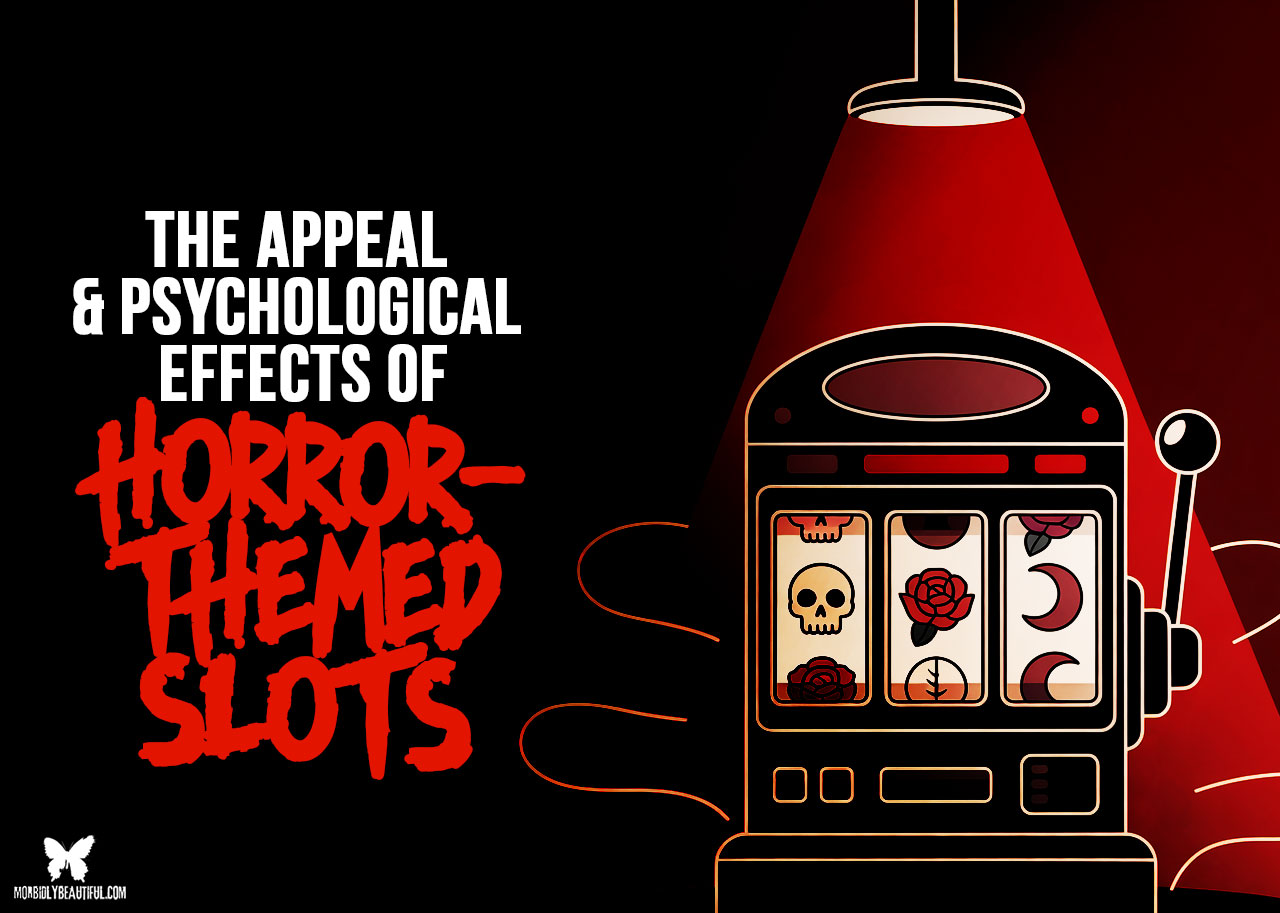
From safe scares to spooky sound design, horror-themed slots are booming online for good reason, but responsible play is essential.

No time to read? Click the button below to listen to this post.

Once upon a time, horror-themed slot machines were more of a curiosity—tucked away in some forgotten corner of the casino, overshadowed by neon fruit machines and glitzy jackpots. Now? They’ve muscled their way into the spotlight. You’ll find them everywhere: on buzzing casino floors and, even more aggressively, online.
Developers aren’t shy about blending psychological tricks with classic gothic imagery. Creepy visuals, eerie sound design, and familiar genre tropes all work together to tap into our fascination with the unknown. It’s that “just one more spin” urge, not unlike watching just one more horror movie when you know you should probably go to bed.
As more games move online, the reach of horror slots continues to expand, with designers updating old scare tactics into slick, clickable experiences. Some estimates suggest that over 30% of new online slot titles released in 2023 incorporated horror or suspense themes. Whatever the exact number, it definitely says something about how hungry players are for spooky, high-adrenaline gameplay… even if the meaning behind that appetite is up for interpretation.
Psychological Effects

Designers of horror-themed slots lean heavily on the concept of a “safe scare.” It’s the same basic appeal as watching a horror film with the lights off: your heart races, your palms sweat, but you’re still on the couch—no real monsters, no actual danger—just a carefully controlled dose of fear.
Games are engineered to raise your pulse and keep you engaged, while still maintaining the illusion of safety. That tension between adrenaline and distance is familiar to anyone who has willingly walked into a haunted house attraction or queued up a scary movie, knowing they’ll be jumping at shadows later.
There’s also some academic chatter that brings in concepts like schema theory. In eerie, unpredictable environments, our expectations start to fray. Sudden crashes of sound, strange outcomes, and chaotic gameplay push our emotions to the surface. That emotional intensity doesn’t just keep people watching; it keeps them feeling every spin.
For some players, that heightened state can extend their sessions far longer than they’d spend on a cheerful, low-stakes theme. Of course, not everyone reacts the same way — but for those who do, horror slots are essentially a rollercoaster built into a reel.
Design Principles
Horror slots run on a visual and sonic toolkit of tension. You’ll usually notice a moody color palette right away: deep blacks, bruised purples, acidic greens, and lots of uneasy reds. These tones lay the groundwork for that creeping sense of dread.
Research shows that the genre’s greatest hits refuse to die. Many games borrow directly from recognizable horror franchises or familiar archetypes, making it instantly clear what kind of nightmare you’re stepping into.
Sound design is just as important as the visuals. Music and effects often mix low, ghostly drones with sudden stingers, distorted whispers, or disembodied voices. It’s all designed to crank up suspense and keep you slightly on edge.
Animations complete the package: flickering candlelight, shadows that dart across the screen, symbols that twitch or deform without warning. It’s a controlled chaos meant to create steady unease. When everything clicks—visuals, sound, and motion working in sync —horror slots stand out starkly from classic fruit machines. It’s not just “spin and win”; it’s “spin and survive the vibe.”
Technical Innovations

Under the hood, horror slots have been riding the wave of recent tech upgrades. Developers are experimenting with features that sound like they belong more in a sci-fi movie than a casino lobby.
Some newer concepts include heart rate tracking to adjust a game’s intensity in real time, ramping up scares if you’re too calm, and easing off if things get a little too intense. Horror creators have demonstrated how spatial audio (sound that envelops you) can make players feel as though they’re trapped inside a haunted environment, rather than just watching one.
Modern horror slots also lean on real-time lighting engines that cast moving shadows and dynamic highlights over the reels. It all adds to that “anything could jump out at any second” feeling.
Gameplay itself is evolving, too. Some titles subtly adjust difficulty or volatility as you play, keeping things tense but not overwhelming for casual players while giving thrill-seekers a more intense ride. Bonus rounds are becoming more elaborate and cinematic, blurring the line between traditional slots and story-driven horror games.
Engaging Gameplay and Emotional Connection
The newest generation of horror slots isn’t just about jump scares and spooky set dressing; it’s about immersion. Bonus sections often feel like mini horror scenes: maybe you’re wandering a ghost-filled graveyard, creeping through a gloomy mansion, or poking around a cursed lab.
The background soundtrack shifts and twists in response to your actions, so the atmosphere never fully settles. Some games let you collect items, unlock lore, or uncover character backstories. It’s a surprising level of emotional investment for a genre traditionally built around quick spins and flashing lights.
To keep things from going stale, some titles even toss in mid-session jump scares, especially if a player’s on a losing streak or has fallen into a repetitive pattern. The idea is to jolt them out of monotony and re-engage their senses.
Data suggests that horror slots with layered storytelling and more varied gameplay retain a noticeably larger chunk of their audience—around 22% more over a six-month span—than more generic titles. Whether that points to deeper emotional engagement or just our collective love of being spooked is, again, open to interpretation.
Encouraging Responsible Gambling

Of course, there’s a darker side to all that immersion. Horror slots, by design, are highly gripping. Their mechanics and atmosphere can make it far too easy to sit down for “just a little longer”—and quietly blow past whatever time or budget you meant to stick to.
That’s why players must keep a close eye on how much time and money they’re spending. Setting hard limits, taking regular breaks, and treating horror slots like entertainment are all key.
Most reputable platforms now include built-in tools like session timers, spending caps, and self-exclusion options. Industry advocates, including the American Gaming Association, have increasingly emphasized moderation and responsible play, especially in games designed to be this immersive.
Ideally, horror slots should function like a good scary movie or haunted house attraction: a thrilling, memorable experience that ends when you say it ends. A little self-checking along the way can help keep things firmly in the “fun scare” zone, rather than something more troubling.







Follow Us!