

This “In Defense Of” article isn’t as much a defense of “Life” (excellent, by the way) as it is a defense of its central antagonist.
No time to read? Click the button below to listen to this post.
Recently added to Netflix, Life (2017) follows the premise of many alien movies that have preceded it. Humans are looking for signs of life in the universe and bring something they found aboard their ship, which ultimately wreaks havoc because it views us as a threat.
In the film, a six-member crew of the International Space Station uncovers the first evidence of extraterrestrial life on Mars. “Calvin” is what the organism is nicknamed by an elementary school back on Earth; it is remarkably intelligent and seemingly friendly—at first.
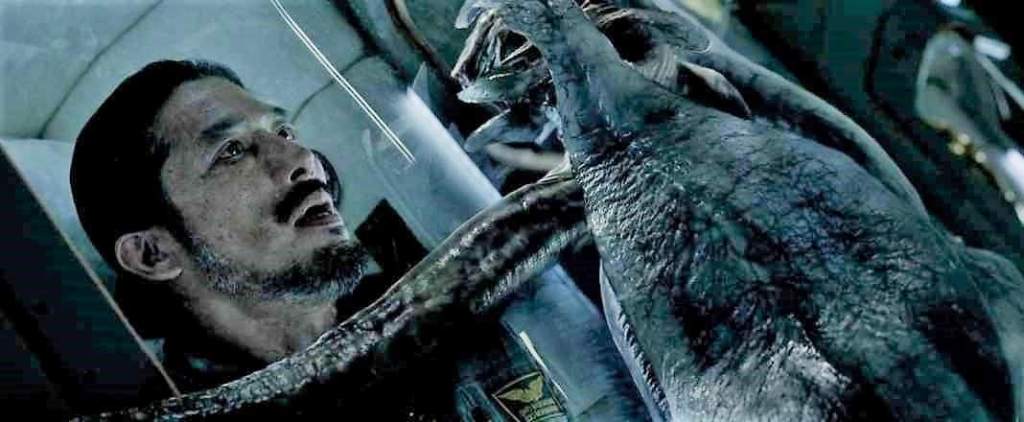
When a lab mistake causes the air pressure in Calvin’s chamber to shift, the organism goes into a sudden hibernation from which it cannot be awoken. To stimulate it, exobiologist Hugh Derry (Ariyon Bakare) uses a very low electric shock on Calvin, who immediately awakens and breaks the shocker, then Hugh’s hand. Afterward, Calvin escapes the chamber because he’s incredibly intelligent, becoming a deadly threat to the crew.
I saw Life in theaters and was instantly terrified. Calvin grows bigger with each person it consumes. This thing is an expert at surviving; it waited on a dead planet in hibernation, possibly after it devoured Mars.
Yet, I think this entire horrifying situation could have been avoided. Calvin is not, in fact, unfriendly to humans, but it was humanity’s inherent folly that caused him to attack.
Humans vs. Organism
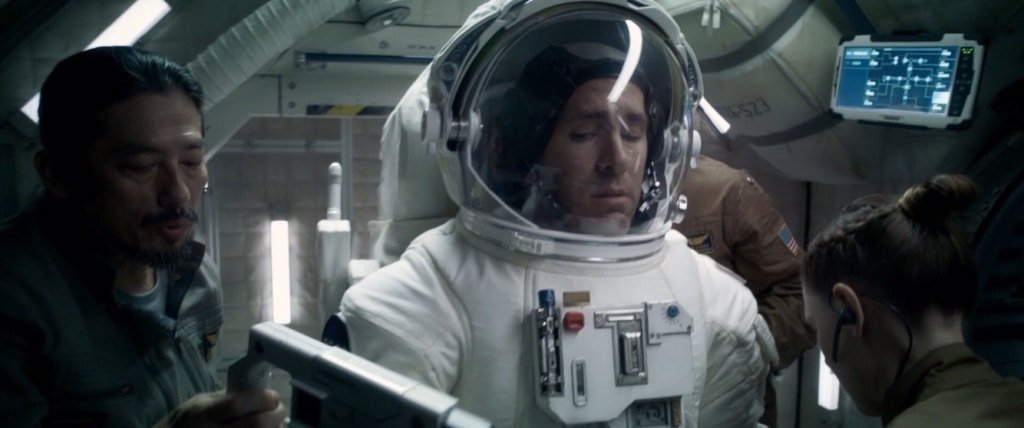
Calvin is presented as the film’s antagonist, threatening the crew’s lives. We watch in terror, hoping one or more of them can survive their ordeal and return safely to Earth. We are supposed to root for Calvin’s demise because, for our humans to live, Calvin must die. But is Calvin really the villain?
As humans, we aren’t so different from Calvin; the organism is merely a mirror of our own behavior. When we sense any threat to our safety or well-being, we immediately try to destroy it. Yet, when humans do whatever it takes to ensure survival, we understand, empathize, and cheer for them. When Calvin does what it takes to ensure his survival, we consider it evil.
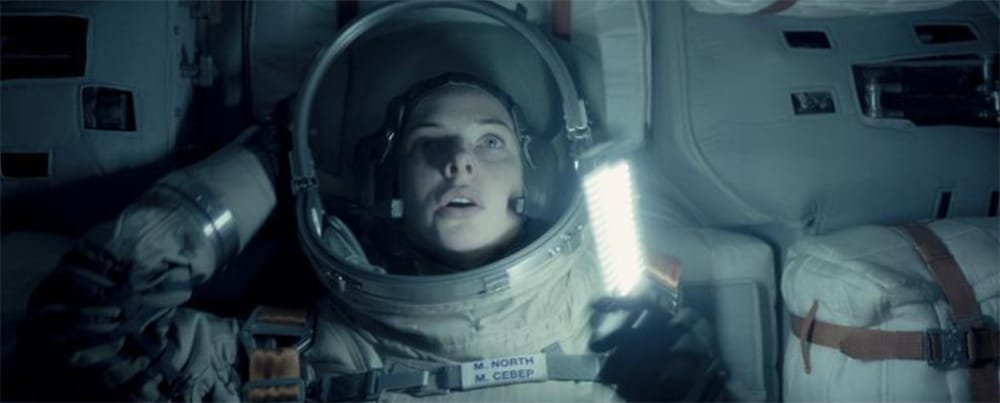
When Miranda (Rebecca Ferguson) expresses her unbridled hatred for the creature, we begrudge her nothing, sharing her sentiment.
However, it’s just as easy to read Calvin as the victim rather than the villain; it’s just as easy to understand his motives and recognize his fear response.
When he got scared and played dead, the humans zapped him out of impatience and a desire to play God. He understandably considered that a threat to his existence, and he naturally fought back however he could.
When Calvin first attacks, he’s not immediately trying to hurt Hugh. He’s merely gripping his hand tightly, almost like a warning. However, he squeezes and crushes Hugh’s hand when the scary wand is brought toward him again. He likely recognized the tool as what shocked and hurt him, declaring war when he sensed another attack on his safety and well-being.
Before understanding the magnitude of their danger, humans want the alien to dance like a monkey on the stage for them, even suggesting that they “shock the monkey” to wake the organism and get it to respond to them.
Calvin could have started killing the minute the wand first shocked him, the minute he sensed any threat at all. But he didn’t. He merely wounded Hugh so he could make his escape and remove himself from the danger. He doesn’t make his first kill until he is cornered and attacked with a flame thrower by another member of the crew.
It’s then he realizes his survival depends on him defending himself and taking the crew members out before they can take him out.
We Fear What We Don’t Understand
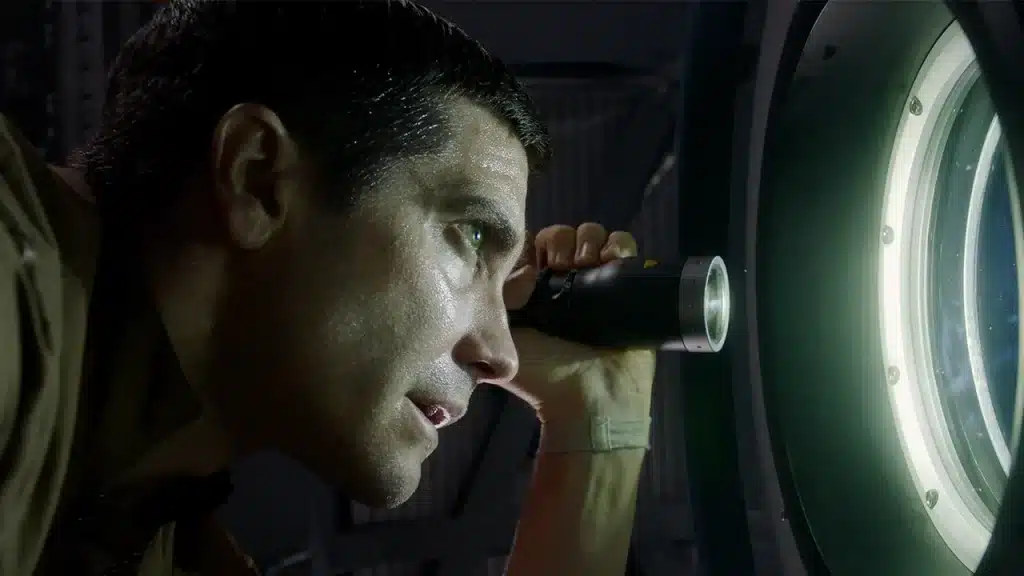
Humans are afraid of the unknown and anything that is not understood.
Calvin’s aggression intensifies and becomes more dangerous throughout the film, but only after multiple encounters that threaten his safety. There are repeated instances of him making no attempt to attack until he is attacked first. When a rat tries to bite Calvin, Calvin kills the rat—not out of malice or evil but rather as a fear response to perceived danger.
The entity begins as curious and non-threatening. However, when it makes attempts to assess its surroundings and size up the human in front of it, the humans react badly out of fear and escalate the situation.
Instead of trying to re-establish a relationship with Calvin or back down, the humans go on the offensive with one directive: kill Calvin at any cost. This sets up an adversarial relationship that dooms the entire crew—and all of humanity.
Calvin could be very friendly, but humans and animals are similar in their fear response.
Calvin simply reflects our own rash behavior. His behavior is very human; only he is stronger, smarter, and more resilient.
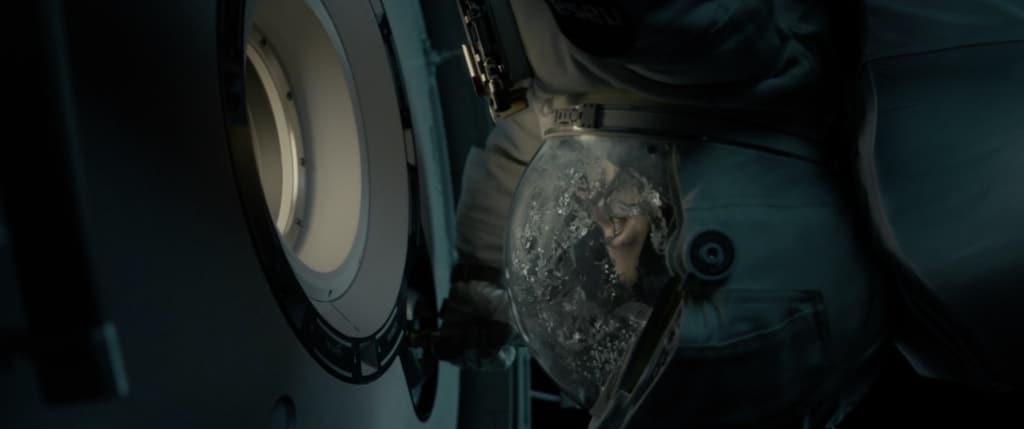
As Hugh laments toward the end of the film when it’s clear how dire the situation is, Calvin simply wants to survive. He doesn’t hate humans. He is just doing what he has to do. Thus, feeling hatred for this thing is irrational because it’s just eliminating threats to its existence, just like us.
Calvin represents a different frontier of fear, and the ending of Life will chill you to the bone.
This entity gets horrifically bigger every time it consumes; conventional weapons cannot kill it, and it can survive hostile conditions. It would probably eat Earth within hours, similar to the alien lifeform in The Thing (1982). Total assimilation (in this case, consumption) would take a short period of time.
Even with all the safety measures put in place, the crew of the International Space Station, in a desperate attempt to survive and get back to Earth, damned us all.
I think it’s our fault. Humans suck. Space is scary—the end.




Follow Us!