

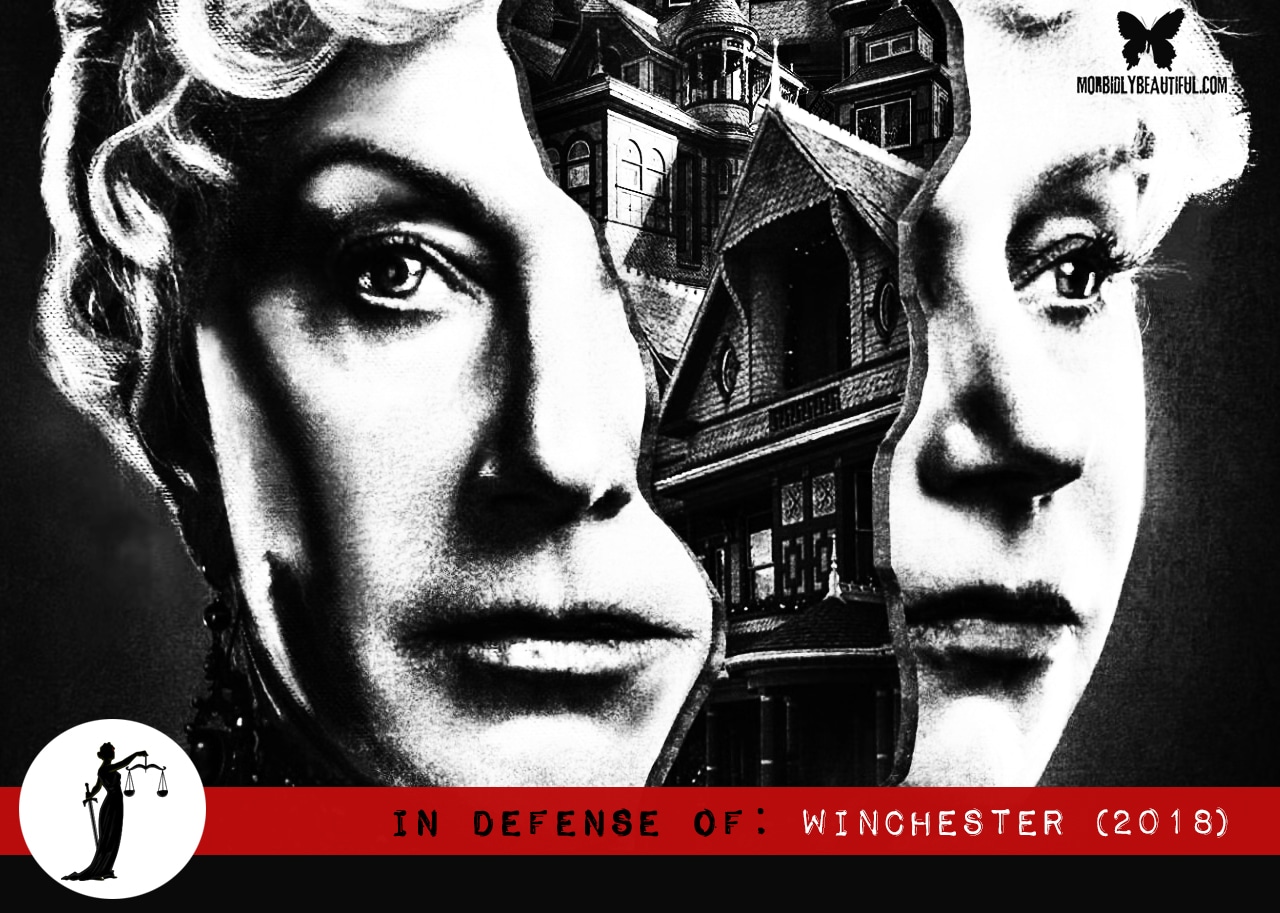
“Winchester” is a decent ghost story if you don’t expect it to live up to the lore of its chilling (somewhat) true premise.
No time to read? Click the button below to listen to this post.
I’m not saying I’m a born contrarian, but whenever someone claims to have found “the worst horror movie ever made,” I feel obliged to seek it out and prove them wrong. I’m not sure why that is. Maybe it’s because I’ve seen The Last Inn (2021) about half a dozen times and have thereby looked upon the true face of trash cinema. Maybe I’m tired of the impossibly high standards critics—and some fans—place on 21st-century horror films (“Is it 100% original? No? Well, shit. 2 out of 10 stars it is!”).
Or, maybe my heart simply bleeds for the underdog.
Whatever the case, after years of stumbling across scathing reviews of Peter and Michael Spierig’s Winchester (2018), I finally decided it was time to find out for myself if it lives up to its bad reputation.
My conclusion: Nope. It sure doesn’t.
I think the biggest problem Winchester faces is the wafer-thin line between a bad movie and a disappointing one. Audiences were promised a film depicting “the most haunted house in history,” which was one hell of a tall order that Winchester’s script—while crafted with love for the subject—simply couldn’t deliver.
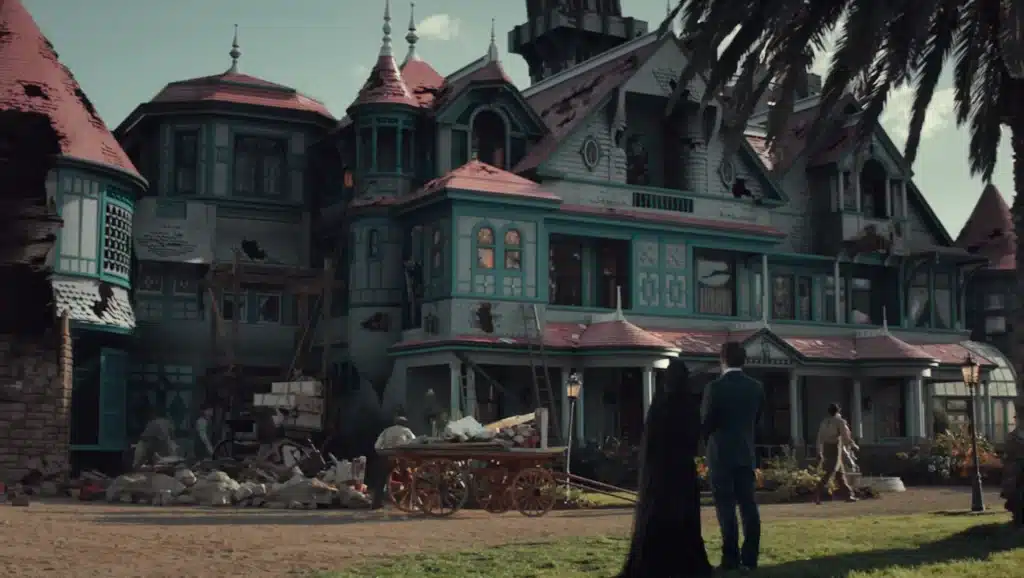
The real Winchester Mystery House and its architect, Sarah Winchester, are also quite famous, and the filmmakers couldn’t resist slapping “inspired by true events” everywhere they could. This created a second set of big expectations that fans of the lore would be given new insight into its mysteries along the way.
But this isn’t a documentary or a historical drama; it’s a low-budget horror movie that takes considerable creative liberties to construct its ghostly narrative.
Knowing all this, it’s no surprise that many people walked away from the film feeling let down.
Separated from all that hype and dissatisfaction, though, is Winchester actually a bad movie? In my opinion, not at all. On its own, the film’s gloomy atmosphere, imposing set design, and melodramatic dialogue all feel like an affectionate throwback to the gothic horror of The Uninvited (1944) and, more recently, The Woman in Black (2012). It’s also evident that Matthew Putland and his production design team worked hard to recreate a version of the real-life mansion that reflects reality while embracing some of the myths surrounding it.
The cast and crew had only 72 hours to film in and around the actual house in San Jose, California; the rest was completed on soundstages halfway across the world. Considering that time crunch and the film’s modest budget, I think they did a pretty nice job of bringing the real deal to life.
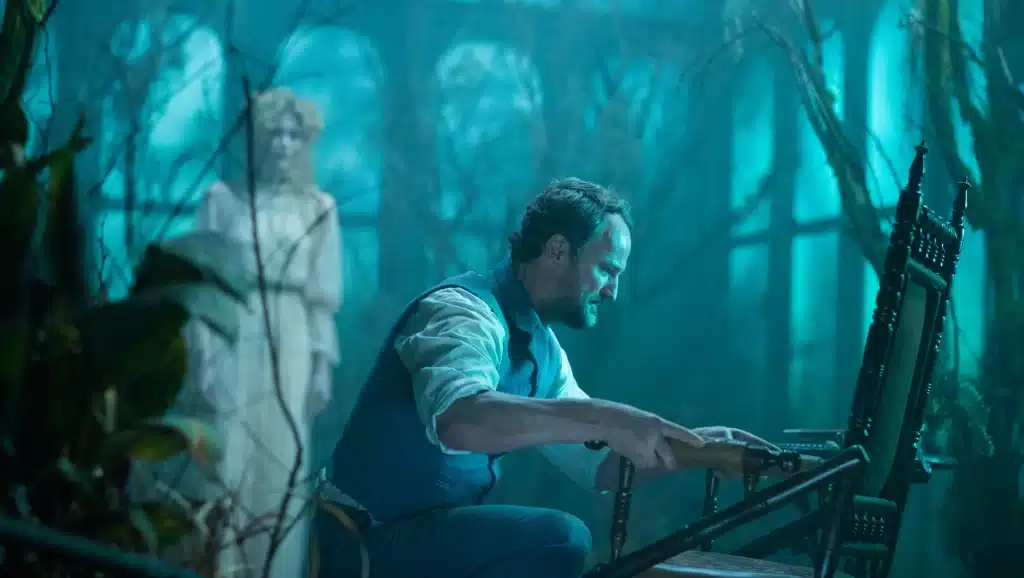
I also appreciate that the Spierig Brothers stuck to their guns (har har) in prioritizing practical effects.
While they do utilize CGI to exaggerate some of the architecture and create a few spectral apparitions—reminiscent of The Haunting (1999)—many of the effects in this movie are entirely physical, from moving props to classic set manipulation.
At a time when horror cinema has become increasingly reliant on computers, I have to tip my hat to any filmmaker who opts for more tangible, on-set techniques, especially where ghosts are concerned.
The performances from the cast are also very good.
Jason Clarke (Lawless, Public Enemies) was a great choice for the tortured doctor, Eric Price, tasked with declaring Ms. Winchester mentally unfit to retain ownership of her late husband’s company. His sorrow over the loss of his own spouse and the hypocrisy of his treatment methods make for a frustrating yet ultimately sympathetic antihero.
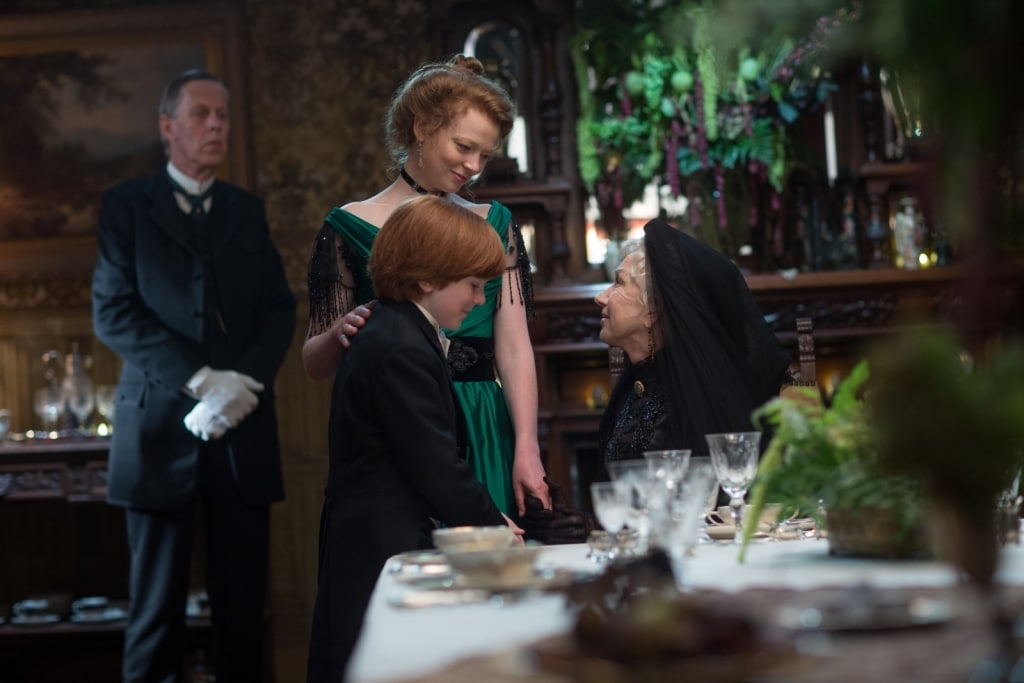
Sarah Snook (Jessabelle, Black Mirror) gives a slightly wooden but pleasant performance as Marion, Ms. Winchester’s equally bereaved niece (I think the main issue with Marion is that she feels a bit like a footnote; we simply don’t see enough of her).
I also got a huge kick seeing Angus Sampson (Insidious) and Bruce Spence (Dark City) acting together.
And, of course, Helen Mirren brings her unique gravitas to Sarah Winchester, transforming what could have been just a one-dimensional “eccentric widow” into a nuanced portrayal of grief, compassion, and guilt.
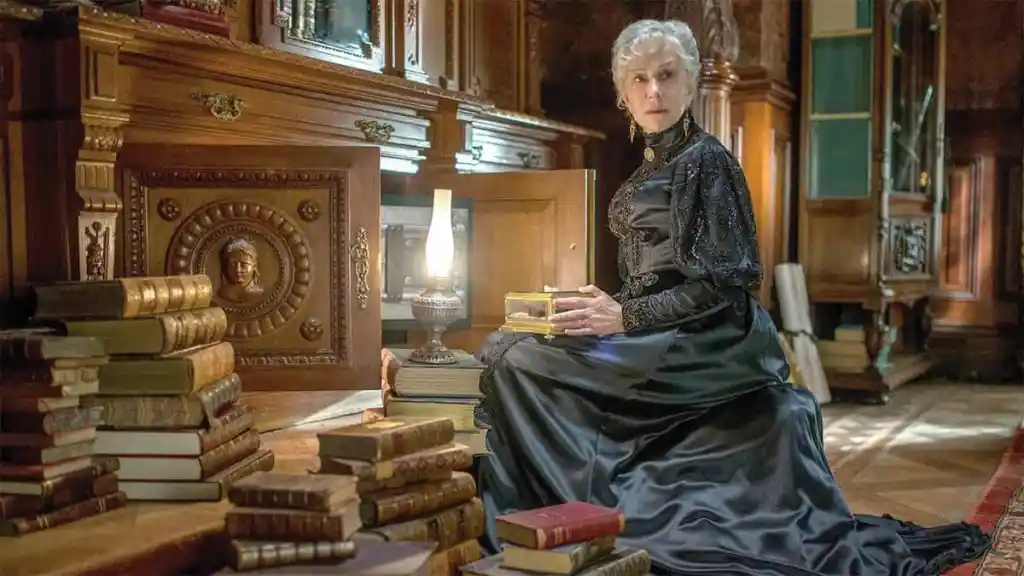
She was apparently so struck by the role that she took private tours of the house and did extensive personal research into the spiritualism movement of the late 19th and early 20th centuries (a fixation for which the real Sarah was very well known).
In an interview with Collider in 2018, Mirren shared her thoughts on the character:
“Sarah is an incredible gift for an actress. There is so much known about her, and yet, at the very center of all that knowledge is this character of utter mystery.
Granted, the real Sarah Winchester was likely just a kind woman with a lot of money who used her fortune to indulge her love of architecture (and to keep people employed during The Panic of 1893), but the “utter mystery” of which Mirren speaks is a lot of fun to think about, and that’s exactly what the Spierig Brothers—along with writer Tom Vaughan—have done with Winchester.
They’ve taken one of the more interesting historical sites in the U.S. and asked, “What if it was super creepy back in the day?” How can anyone fault them for that?
Sure, the film is far from perfect.
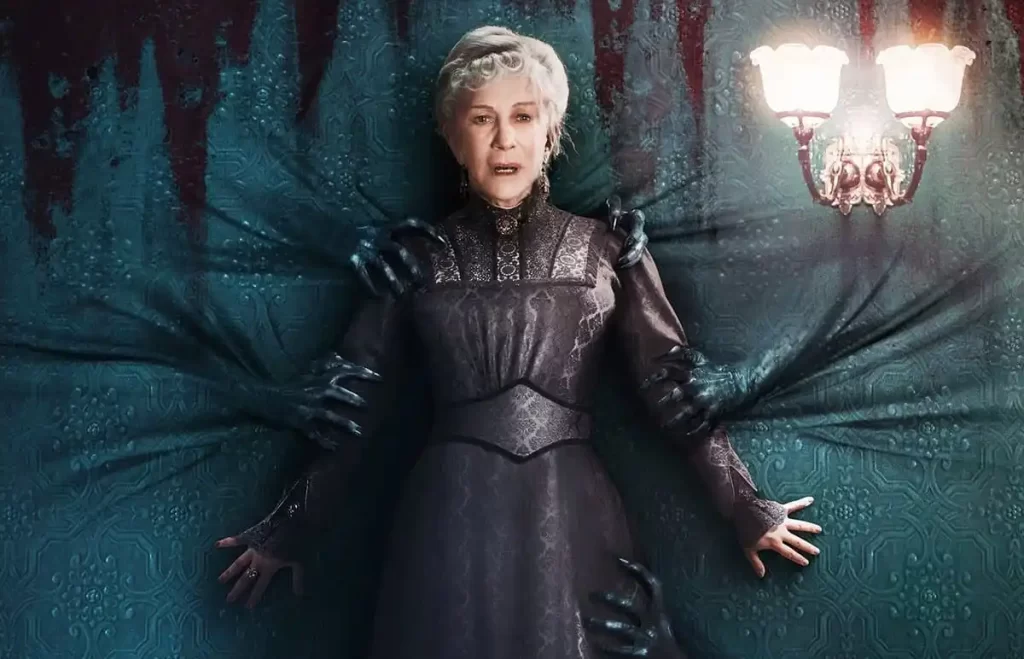
There are quite a few jump scares, but that’s a time-honored tradition of the haunted house subgenre, isn’t it?
Dr. Price’s laudanum addiction could have played a much bigger role in distorting his perceptions of the house (casting more significant doubts on his reliability as a narrator), but the filmmakers weren’t obligated to lean harder into that angle. Hell, I would have been just as happy if Price had been merely a side character, yoking the story entirely to Sarah’s—or even Marion’s—perspective instead. But the writers didn’t go that route, and that’s okay.
What we got was the story they wanted to tell.
Is it the best haunted house movie you’re ever likely to see? Probably not. Is it an accurate depiction of the life of Sarah Winchester? Definitely not. But is it a fun, eerie little ghost story made with love for the period and passion for the genre? Yes, I believe it is.
So, let’s try to cut it some slack.
Overall Rating (Out of 5 Butterflies): 3.5





Follow Us!