Mubi Monday: A Place Without Fear (2024, Short)


I recently watched a devastating film called The Treatment (2014), which left me shaken and forced me to confront the depths of human darkness. It made me think about how much horror happens behind closed doors, hidden inside a defiled safe harbor. How many people suffer invisibly behind the façade of a happy home?
Houses are merely structures made of wood, concrete, brick, stone, and steel. Yet, they are transformed into living, breathing entities spawned by the culmination of our memories—the good and the bad—reflecting our history and identity.
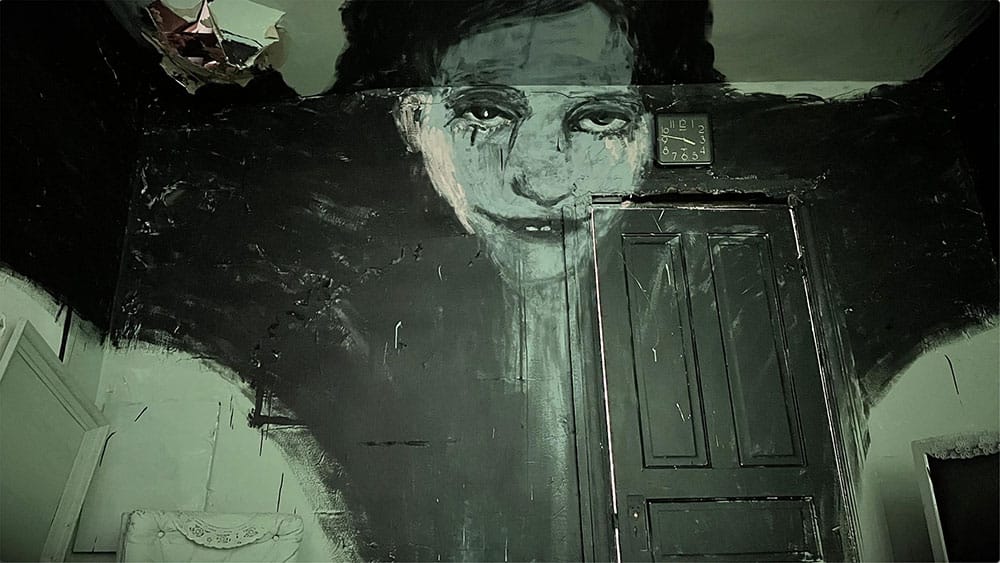
For me, Susanne Deeken’s mesmerizing short film A Place Without Fear was about the secrets forever embedded within four walls and how our memories shape us, often imprisoning us. Yet, it was also about hope, resilience, and the power to redefine who we are—free from the shackles of who we’ve been.
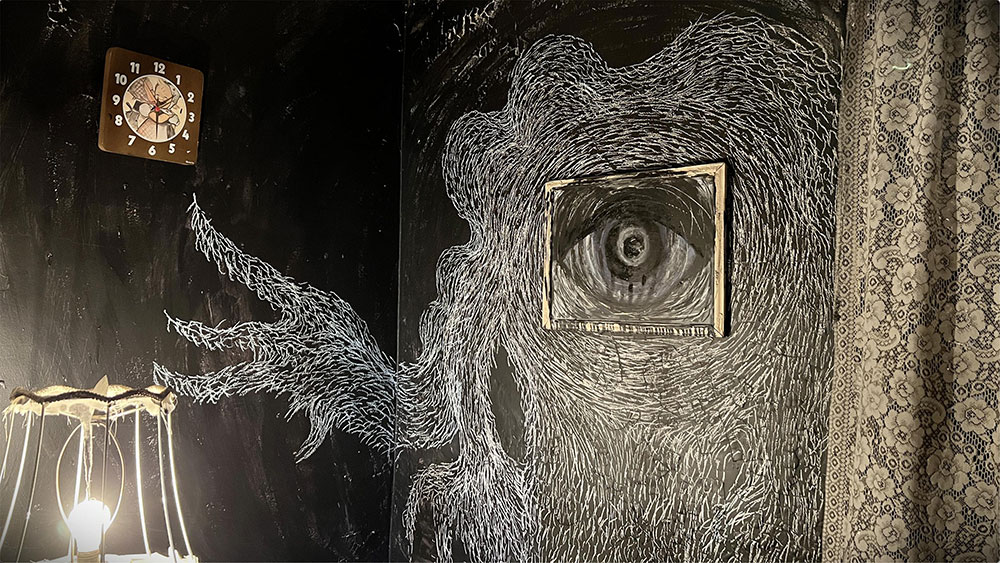
Of course, that’s just my interpretation. It’s important to note that this is a film without words and without a straightforward narrative. Blending the whimsy of children’s drawings with the visceral force of horror films, Deeken uses haunting imagery and music to create an evocative mood.
And I defy you not to feel something when you watch this film.
Regardless of how it speaks to you and what message you choose to take from it, it’s nearly impossible not to be deeply affected by it—provided you’re willing to give it your full attention and give yourself fully to the experience.
Described as a surreal journey through the psyche, set in a decaying Detroit house that becomes a mesmerizing canvas for stop-motion art, it blends analog and digital dreamscapes with a moody jazz score.
For a thirty-minute, wordless film, there’s a rich landscape of thought-provoking themes to mine, with new layers of depth revealed upon each rewatch.
Ostensibly, it’s about a young woman protagonist who must confront her fears while exploring her vulnerability and inner strength. Themes explored include metamorphosis, trauma, womanhood, empowerment, internal struggle, and a potent metaphor for the infamous “two wolves” parable.
For some of us, the cards seem stacked against us, and suffering can give rise to a growing darkness inside us, threatening to consume us. But there’s a light inside us as well, and we get to choose which we embrace.
We don’t get to choose how our story begins, but we can always rewrite our ending. We can repaint the canvas we’ve been given and rebuild the structures that have confined us into havens of hope and rebirth.
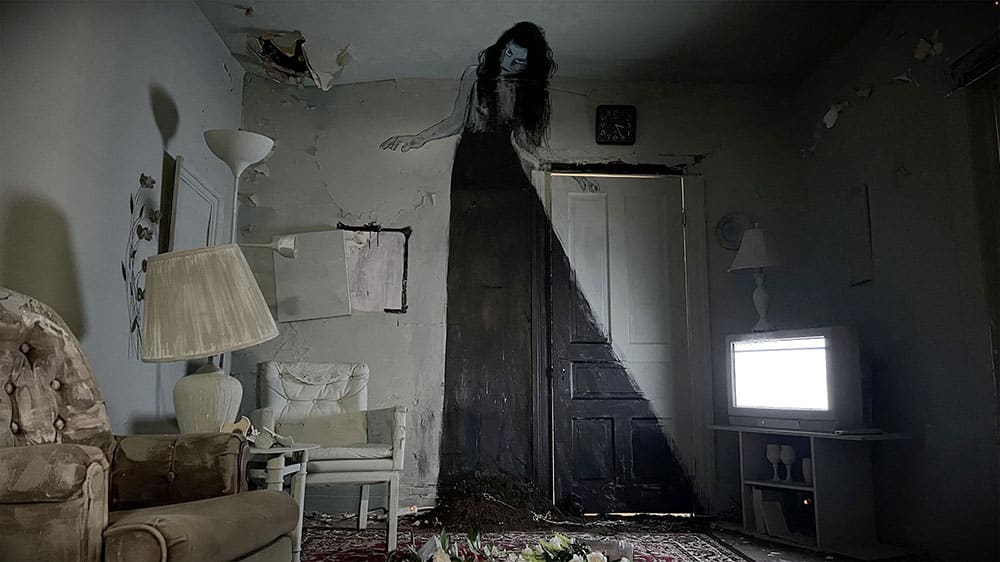
Formerly a designer for big names like Marc Jacobs, Valentino, and Givenchy, Deeken left her home in London, traveling alone to film her passion project in an abandoned, derelict house in Detroit.
It’s a deeply personal and wildly ambitious artistic endeavor.
Deeken says she was inspired by the mysterious mechanism of the mind and the stories we tell ourselves—a mix of fact and fiction that infuses who we are and how we interact with the world. We can be our own worst enemies, the wards in our mental prison, or we can be our greatest salvation.
Working as director, cinematographer, editor, artist, animator, screenwriter, and composer, Deeken brings an admirable DIY spirit to her work—shooting on her iPhone and crafting an immersive world on a shoestring budget.
When you discover what it took to create these scenes—16 hours a day for three months working in near-complete isolation, sometimes working an entire day for two seconds of film—it makes the artistry on display all the more jaw-dropping.
The root of the project began in 2020 when Deeken’s beloved dog died, right before the pandemic, and she found herself overwhelmed by grief and loneliness.
She used her art as a therapeutic outlet for the pain, creating short stop-motion films.
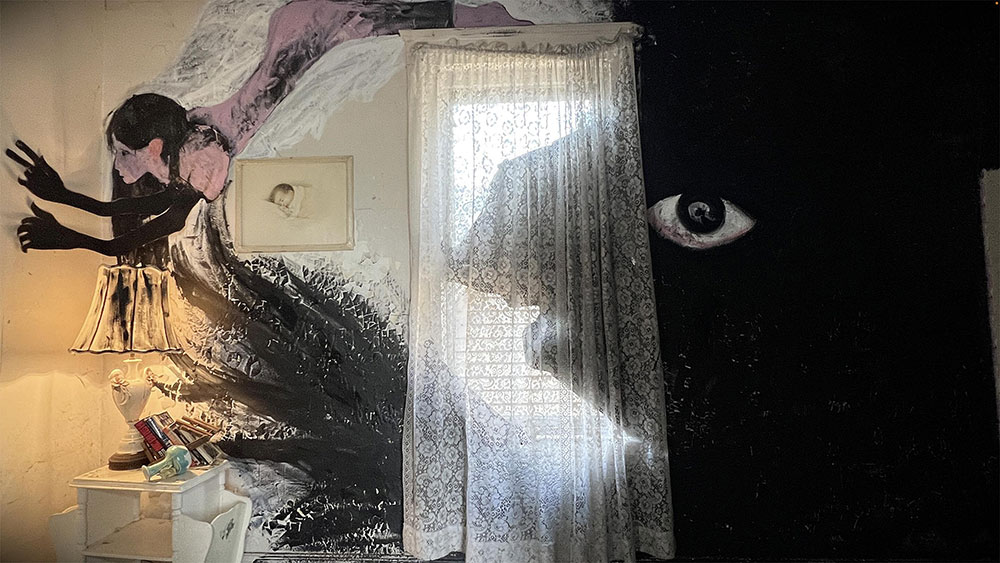
Complimenting these arresting images is a gorgeous but chilling and goosebump-inducing soundscape, with an original score Deeken created in collaboration with experimental and jazz musicians from Detroit.
For me, this is a rapturous interpretation of what it means to rise from the ashes like a magnificent phoenix. It’s about womanhood and what it means to come into our power, connecting with a wild and untamable force that refuses to be caged.
Ultimately, however, watching this film is a personal experience that allows you to take out of it what you want, letting it wash over you and baptize you in profound and meaningful ways.
It’s a collection of unforgettable sights and sounds that invite you to feel your way through it, deciding what it means to you.
I urge you to check out this riveting behind-the-scenes look at the making of the film and then head to Mubi to experience Deeken’s masterpiece in all its transcendence.

She’s a lover, he’s a fighter. Together, they’re CHEER AND LOATHING. Tune in to hear your hosts, Stephanie (Cheer) and Casey (Loathing), clash over the films they love — and the ones they love to hate.
In this holiday extravaganza episode of Guilty Pleasures, join hosts Stephanie, Kelly, and our newest addition, Jonathan (Jack was tied up in tinsel and couldn't join us), as they unwrap the bizarre and unhinged world of holiday cinema. They dive into the depths of Elves, a film that's as chaotic as it is entertaining. It's a sleigh full of questionable decisions, diabolical dialogue, absurd plot twists, wildly offensive antics, and unhinged holiday mischief.
And that's not all! In the second half of the podcast, join your festive cinephile friends for a look at four more ”nutty as a fruitcake” holiday treats: A New York Christmas Wedding, Elf Bowling, A Medea Christmas, and Jack Frost. Plus, we each offer a bonus Christmas flick guaranteed to make you say, ”Ho, Ho, HO-LY Hell!”
Expect laughter, disbelief, and a spirited debate about what truly makes a movie a guilty pleasure. Don't miss this festive journey through the weirdest corners of holiday films!






Follow Us!