

“The Other Laurens” is a slow-burn character study, offering a moody, atmospheric experience that prioritizes style over substance.
No time to read? Click the button below to listen to this post.
Belgian director Claude Schmitz’s French-Spanish-English language The Other Laurens is a visually stunning but narratively challenging film that will likely divide audiences.
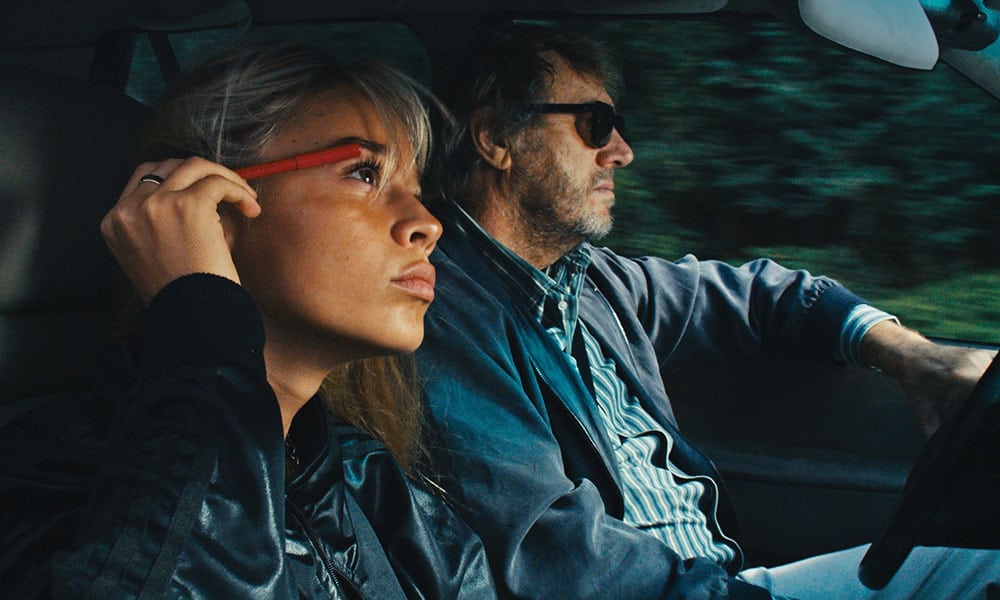
The Other Laurens (original French title: L’autre Laurens) follows Gabriel Laurens (Olivier Rabourdin), a lonely and downbeat private detective in Brussels who specializes in investigating marital affairs.
Gabriel’s mundane life is upended when his niece Jade (an ethereal Louise Leroy in her cinematic debut) arrives with news that her father — Gabriel’s estranged wealthy twin brother François — has died, apparently drunkenly driving his car off a cliff.
Jade asks Gabriel to investigate François’ death, which she suspects was not accidental.
Despite his initial reluctance, Gabriel agrees and travels with Jade to the Spanish border region where François lived in an opulent mansion with his American wife, Shelby (Kate Moran). As Gabriel delves into the mystery surrounding his estranged brother’s death, he finds himself drawn into a strange world filled with archetypal noir characters and surreal situations.
At its core, the film explores the fluid nature of identity and the profound impact of circumstance on our lives.
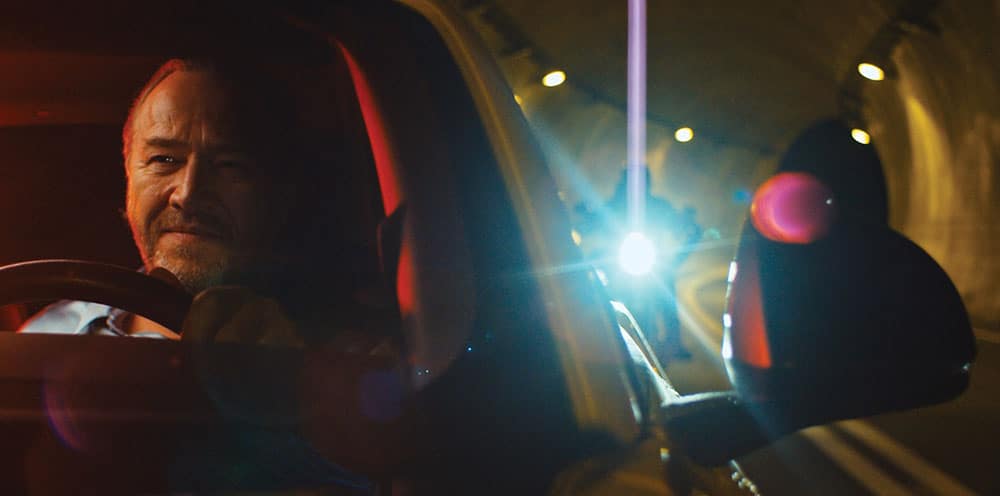
Schmitz cleverly subverts expectations by setting up a mystery around one brother’s disappearance, only to shift focus to the metaphorical disappearance of the other. As Gabriel reluctantly investigates his twin’s vanishing act, he loses himself in his brother’s world.
Intriguingly, Gabriel doesn’t have much of himself to lose. He has found himself sleepwalking through much of life following the heartbreaking loss of his one true love to his brother. He only really knows who he is in comparison to François, who has overshadowed him his entire life. When Gabriel arrives to investigate François’ death, many mistake him for François or believe they are seeing a ghost. A ghost in his own life, with nothing and no one to show for his existence, he ironically feels more alive when playing a dead man.
Rabourdin delivers a nuanced performance as the everyman anti-hero, reluctantly embroiled in a dangerous mystery. His portrayal effectively captures the essence of always feeling second-best, perpetually playing second fiddle to a more gregarious, successful sibling. Gabriel simultaneously loathes and covets everything in François’ life.
There’s some disturbing imagery used to draw a striking parallel between the dissolution of the twins’ relationship — the defining moment in Gabriel’s downfall — and the horror of 9/11. It’s undoubtedly controversial and may strike some viewers as heavy-handed or insensitive.
Still, the metaphor is a potent one.
The film’s visual aesthetic is undeniably its strongest asset.
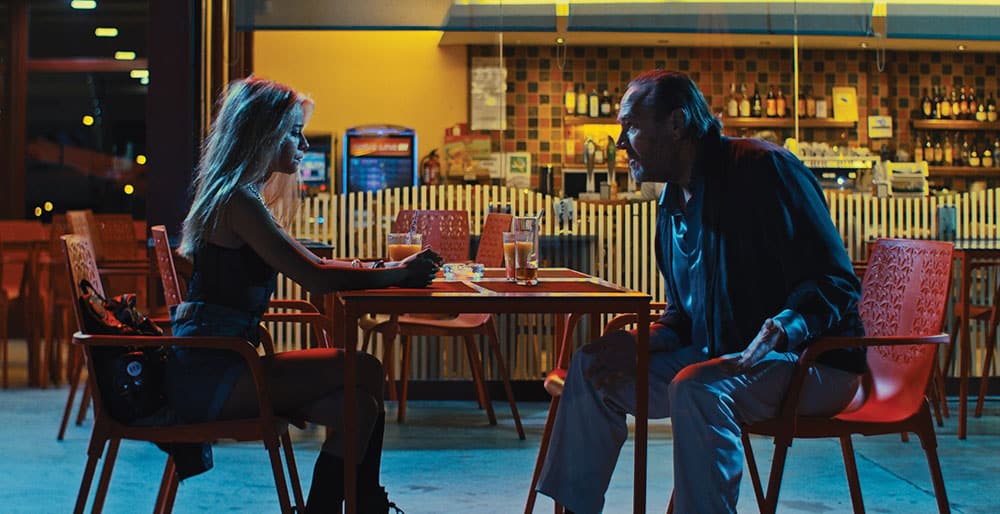
Cinematographer Florian Berruti’s panache for neon-soaked style results in a gorgeous, immersive experience. Thomas Turine’s infectious electronic score complements the visuals, seamlessly blending with guitar tracks from French eminence Rodolphe Burger.
Burger also plays a crooked cop, Alain, who, along with his partner Francis (Francis Soetens), significantly contributes to the film’s deadpan Cohen Brothers-esque comedy. In the film’s final moments, he gets an odd but endearing guitar riff solo that wraps the proceedings in an air of quirky charm.
Schmitz employs French New Wave aesthetics, characterized by unconventional narrative structures, long takes, and a focus on existential themes. This approach lends an artsy, effortlessly cool vibe to the proceedings but may alienate viewers seeking a more traditional storytelling experience.
Louise Leroy shines as a mesmerizing screen siren, effortlessly blending intensity and vulnerability in her performance. Her presence adds a layer of intrigue to the film’s already complex web of characters.
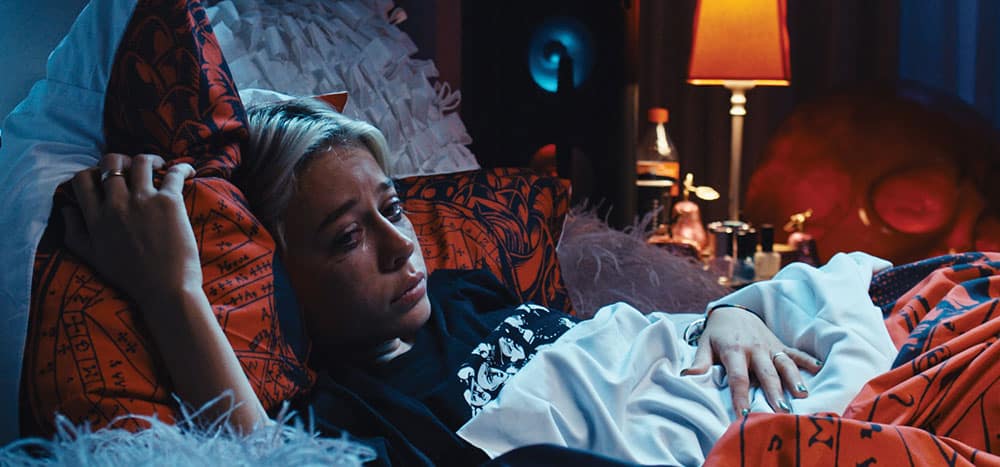
Schmitz wears his film noir influences on his sleeve, adopting a kitchen sink approach that features a femme fatale, a grizzled gumshoe, eccentric cops, an aging biker gang, a Spanish mob, a mob wife mistress, jaded Americans, and a host of other colorful characters.
The Other Laurens also starts with a captivating, stunningly shot ode to Shakespeare’s Hamlet, setting the stage for a tale of heavily foreshadowed danger and duality.
Like Hamlet, The Other Laurens explores the contrasting qualities of its lead character, who acts as hero and villain, balancing selfishness and sacrifice, pride and vindictiveness. Like Hamlet, Gabriel must decide what role he will play as he battles between action and inaction while grappling with themes of identity, power, and truth.
Despite its visual splendor, The Other Laurens suffers from significant pacing issues.
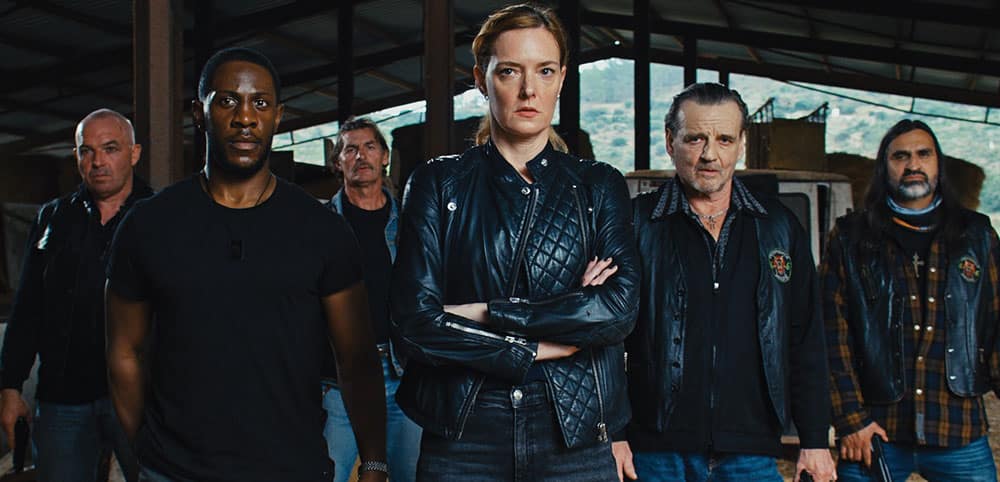
This moody slow burn is much more interested in atmospheric style than high-stakes action thrills.
The plot meanders, often feeling more like a series of loosely connected vignettes than a cohesive story. The lack of tension and absence of a significant payoff may test the patience of viewers expecting a more conventional thriller.
Ultimately, whether The Other Laurens is worth watching depends on what you value in cinema. For fans of visually driven, atmospheric films who can overlook narrative flaws, it offers an intriguing slow-burn character exploration that raises interesting questions about identity and self-perception.
However, those seeking a tightly plotted thriller or an engaging crime mystery will likely be frustrated and disengaged.
In conclusion, The Other Laurens is an undeniably stylish film that sacrifices narrative coherence for mood and atmosphere in its somewhat meandering exploration of duality and the paths not taken in life.
For cinephiles who appreciate style over substance and don’t mind a bit of narrative ambiguity, it’s a visually stunning journey worth taking.
Overall Rating (Out of 5 Butterflies): 3.5
THE OTHER LAURENS screens theatrically at Alamo Drafthouse Cinemas via Fantastic Fest Presents from Friday, August 23 in NYC and Austin, and on Saturday, August 24 in LA, followed by a VOD release on August 27.







Follow Us!