

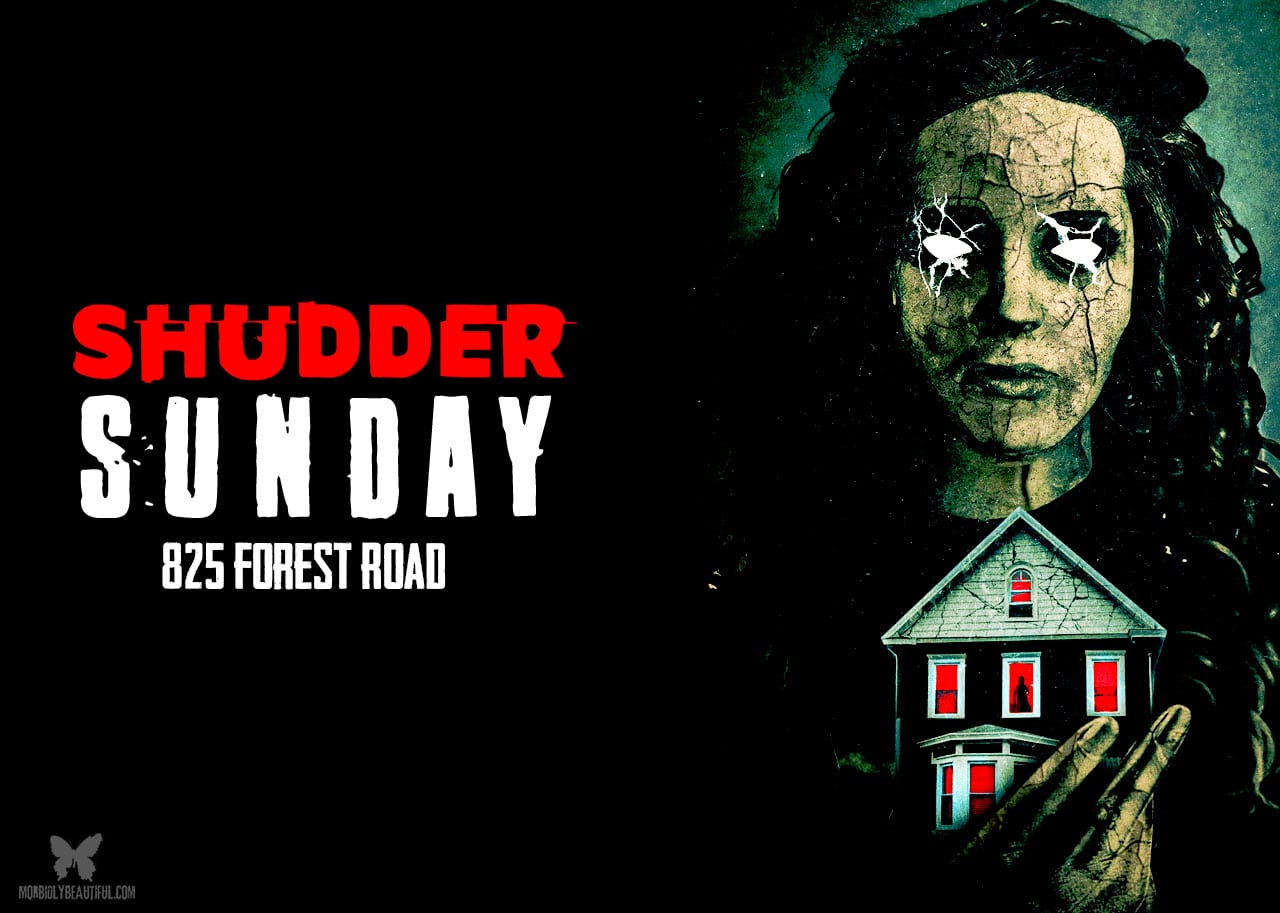
From the creator of “Hell House LLC” comes “825 Forest Road”, a slow-burning ghost story steeped in trauma and full of creeping dread.

No time to read? Click the button below to listen to this post.
Stephen Cognetti, the mastermind behind the cult-favorite Hell House LLC series, trades found footage for a more traditional narrative in his latest haunted house venture, 825 Forest Road.
Now streaming on Shudder, this film invites viewers into the eerie town of Ashland Falls, where the past doesn’t just haunt—it actively terrorizes.
After a devastating family tragedy, Chuck Wilson (Joe Falcone) relocates to Ashland Falls with his wife Maria (Elizabeth Vermilyea) and younger sister Isabelle (Kathryn Miller), seeking solace and a fresh start. However, the town harbors a sinister secret: the vengeful spirit of Helen Foster, a woman who ended her life in the 1940s, has been tormenting residents for decades.
Determined to protect his family, Chuck begins to locate Helen’s elusive former residence, 825 Forest Road—a place conspicuously absent from any map.
Cognetti masterfully crafts a creeping dread that permeates every frame.

The film’s sound design is a standout, with unsettling whispers and distant cries that seem to emanate from the walls themselves, keeping viewers perpetually on edge. Visually, the dimly lit corridors and shadowy figures lurking just out of focus contribute to an oppressive atmosphere that fans of slow-burning horror will relish.
Departing from conventional storytelling, 825 Forest Road unfolds in chapters, each offering the perspective and backstory of a different main character. This approach adds depth to the narrative, allowing audiences to piece together the mystery through multiple lenses.
Be forewarned, however, that while some may find this unique structure engaging, others might perceive it as a pacing hindrance.
Another aspect of the film that may be polarizing is its efforts to delve into heavy themes of grief, trauma, suicide, and mental illness, particularly depression and bipolar disorder.
These elements are woven into the supernatural narrative, making the horror resonate on a psychological level. However, this approach may alienate those averse to (the admittedly somewhat tired) griefcore/traumacore trend in horror. Additionally, some may find this weighty focus creates a somber tone that feels oppressive and detracts from the fun of a spooky ghost story.
825 Forest Road excels in building a haunting ambiance that gets under your skin.

The effectiveness of the scares largely depends on personal taste; those who appreciate mood-driven, atmospheric horror akin to The Haunting of Hill House or The Others should find much to admire. However, viewers seeking the adrenaline rush of frequent jump scares may find the film’s deliberate pace less satisfying.
The creative storytelling adds layers to the traditional haunted house trope. However, the slow-burn approach demands patience, and fans of Cognetti’s found footage style might be disappointed by the departure from that format.
The critical response to this film has been overwhelmingly unkind. While some praise the film’s atmospheric tension and thematic depth, others have frequently cited pacing issues and narrative flaws, with the film’s ending being a major point of contention.
For the record, I have a soft spot for films that don’t try to tie up the narrative with a neat bow and aren’t afraid to subvert expectations by leaning into darker, more nihilistic finales.
All this to say that your mileage will vary on this one; for me, it was flawed but engaging and perfectly creepy.

For horror aficionados who revel in creeping dread and psychological depth, 825 Forest Road is a journey worth taking. Its exploration of trauma and inventive narrative structure set it apart from standard ghost stories.
However, those with a penchant for fast-paced horror or a dislike for ambiguity might find the film less to their taste.
Approach with an open mind and a willingness to be enveloped by the shadows of Ashland Falls.
Overall Rating (Out of 5 Butterflies): 3.5








Follow Us!