

A deep dive into the controversial rape-revenge subgenre—its history, evolution, impact, and why these films are both divisive and cathartic.
No time to read? Click the button below to listen to this post.

Anyone who knows me knows that I am a fan of “extreme horror”.
One of the most significant aspects of the extreme horror landscape involves a subject that can be very difficult for many viewers to take in: Rape Revenge. By nature, extreme horror is meant to conjure up a response from the viewer that can range from disgust to catharsis, often in the same film.
When I decided to explore this sub-genre, I wanted to speak with people from all over, as their perspectives would naturally differ.
The unfortunate reality is that sexual assault and rape are prevalent in the real world, especially against women. If you have women close to you in your life, there’s a high chance you’ve spoken to an assault victim. This means that there are a lot of men who have been the perpetrators of these crimes, many of whom may be someone you know as well.
Obviously, men are victims of this, too, but the numbers lean heavily towards women, and that fact alone made this an interesting journey to go down.
Rape revenge films are some of the hardest to watch, but can also be some of the most important stories to tell.
If you go back to the beginning of the genre, you’ll be greeted with some notorious films that still top people’s lists today.
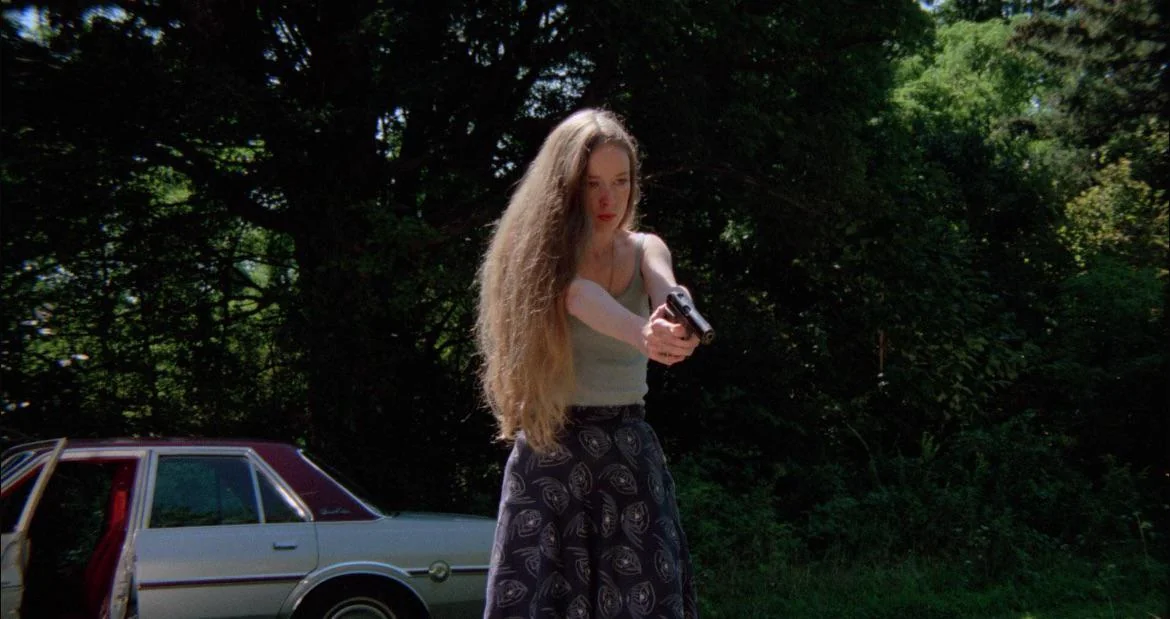
In 1978, Meir Zarchi brought us one of the most controversial films of all time with I Spit On Your Grave. Made on a shoestring budget, one of the things that made the film impactful was the gritty visual style, along with what many consider to be one of the worst assault scenes ever to make it to film.
Personally, this one is not a favorite, but it is one that I respect. It’s a favorite of many, though, including extreme horror indie filmmaker Fred Vogel (Known for the August Underground Trilogy).
“My favorite is the one and only I Spit On Your Grave. Probably the most straightforward film about rape-revenge, and definitely the most impactful. The ultimate revenge, to a male rapist, is having your manhood cut off. This movie was so important to me that I asked Camille Keaton to star in my film, Sella Turcica, in 2010.” – Fred Vogel
Now, I said we were going back to the beginning, and technically, I Spit On Your Grave isn’t the first mainstream film in the genre.
One can argue it’s the most impactful, which makes it more memorable.
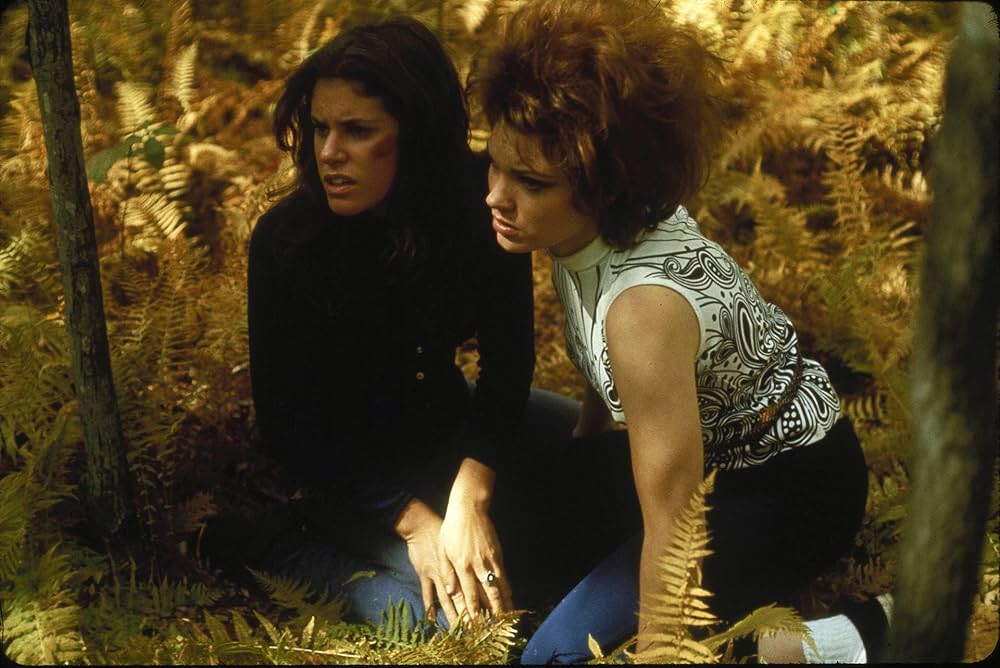
However, back in 1972, one of the most influential directors in horror history made his directorial debut with the unflinchingly violent The Last House On The Left. Wes Craven had no budget for this film, and it shows, resulting in a movie that feels far grittier and nastier.
Undeniably impactful and legendary in the horror genre, this film is a fascinating look into the beginnings of the career of the man responsible for A Nightmare on Elm Street and Scream, among others.
The 70s were the heyday of a specific style that made these films even meaner than you’d expect: exploitation.
When you exploit and fetishize the assault, you lose the impact of the revenge.
It’s hard to say that a rape revenge movie can “cross a line” because the films cross all the lines. That is part of why people watch them. The gloves come off, and the movie is a journey, most of the time, leading to an emotionally charged finale.
The line that these films sometimes cross that takes them down a bad road, for me, is when they go from being rape revenge to what I call “Rapesploitation”.
When the film doesn’t earn the rape scene, it takes the whole movie down.
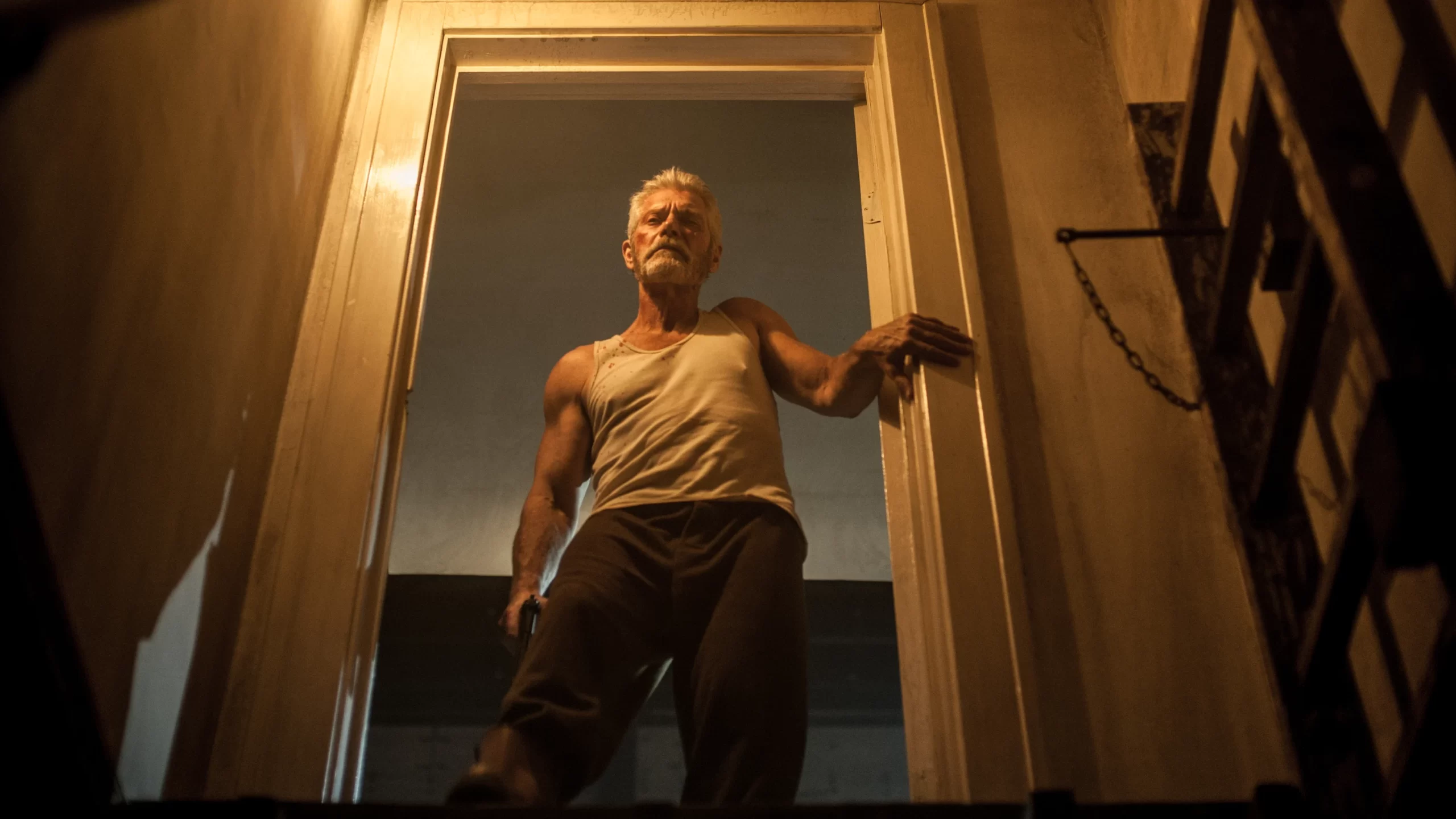
A good modern example of this is the film Don’t Breathe, which I loved… until I didn’t. If you’ve never seen it (SPOILERS), Don’t Breathe is the story of a group of young people who break into the home of a blind man who has a safe full of cash they want to steal to move away from the town. It is a very tense, well-acted & suspenseful film.
Then the third act of the movie comes along, and we get a reveal that the blind man has imprisoned a woman named Cindy, whom he has impregnated because he lost his daughter and wants her to give him another child. He literally imprisons her and tries to make her give birth to a rape baby.
After she’s killed unintentionally in a shootout, the blind man captures Rocky (Jane Levy) and attempts to impregnate her with a turkey baster, which shows us what he’d done to Cindy.
It’s a disgusting scene that really adds nothing aside from disgust for the antagonist.
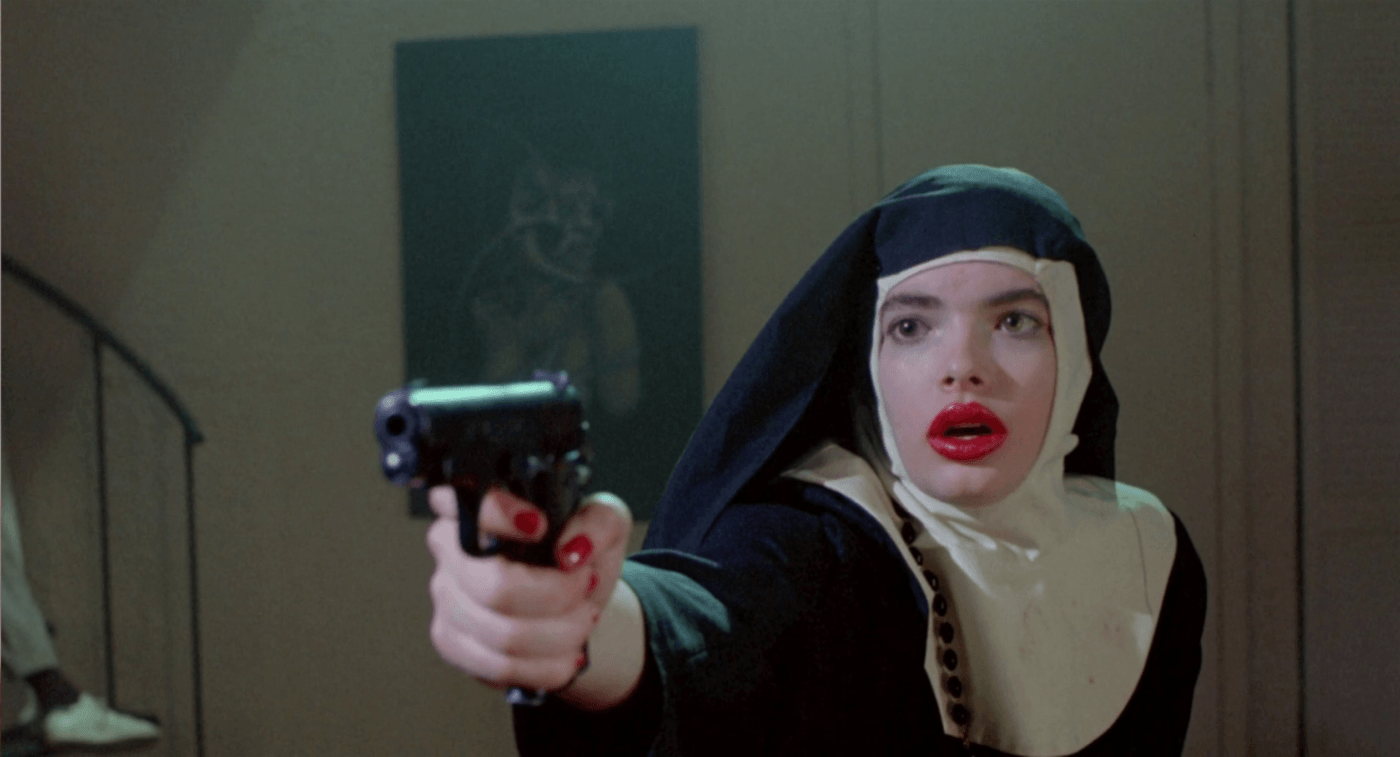
It’s unearned, unnecessary, and legitimately makes it a worse movie, along with being a massive trigger for assault victims that never needed to be there in the first place.
It’s purely for shock value. Unfortunately, this shift in tone for rape revenge films tends to happen when a man writes/directs the film.
“The rape-revenge subgenre will always be divisive, but, as it has evolved over the years, it has become a place for survivors to process their experiences and create confronting yet cathartic art. These films are no longer just fantasies but more grounded looks at what it means to live through something as horrific as rape. They’re difficult to watch but also necessary when done correctly to acknowledge the reality of sexual violence. Rape-revenge films won’t be for everybody! But I do think they are crucial pieces of media that explore how we, as a culture, navigate sexual trauma. My top five recommendations? Revenge, MFA, Ms. 45, Violation, The Virgin Spring.” – MaryBeth McAndrews (Editor In Chief of Dread Central, Director of BYSTANDERS)

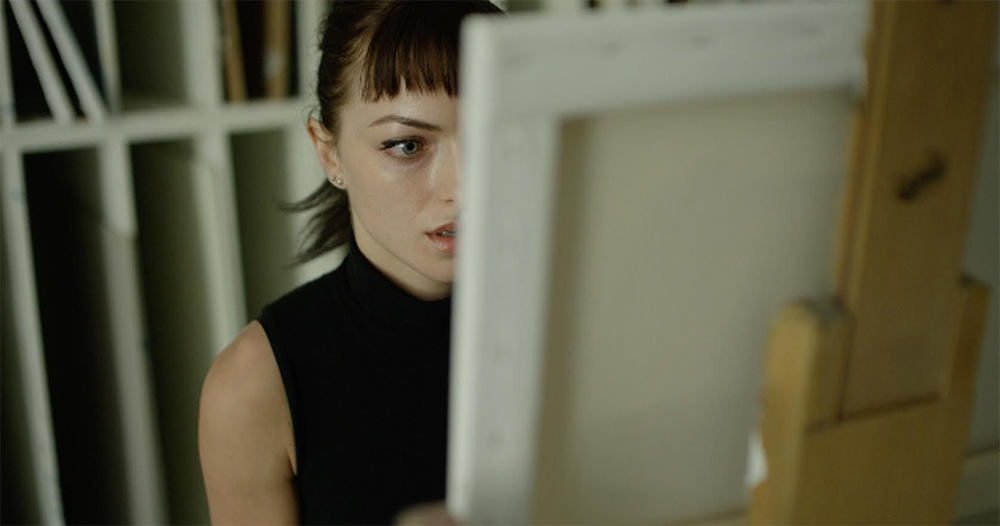
Two of my favorite films within the genre are the brilliant Revenge, written and directed by Coralie Fargeat (writer/director of The Substance), and the gut-wrenching yet beautiful The Nightingale, written and directed by Jennifer Kent (writer/director of The Babadook).
Revenge is a simple story based around a woman who is in a relationship with a married man, on vacation, who ends up being assaulted by one of the man’s friends.
The scene is not graphic as much as it is incredibly impactful. The focus on our victim’s face and on the face of the other man, who simply looks away, showcases the cowardice attached to the act and the men involved, while also showing us a glimpse into the fear and helplessness the victim feels.
Once she makes it clear that she’s going to tell the man’s wife, they attempt to kill her, and she does what she has to do to survive.
She does not become an unbelievable killing machine. She is simply surviving and trying to kill the men before they have the chance to kill her. To her core, she is a human simply trying to survive through the entire process after experiencing the most horrific thing she has ever been through.
The finale is a symphony of color-saturated violence and catharsis that has rarely been seen in these films. It is truly a perfect modern rape revenge film, in my opinion.
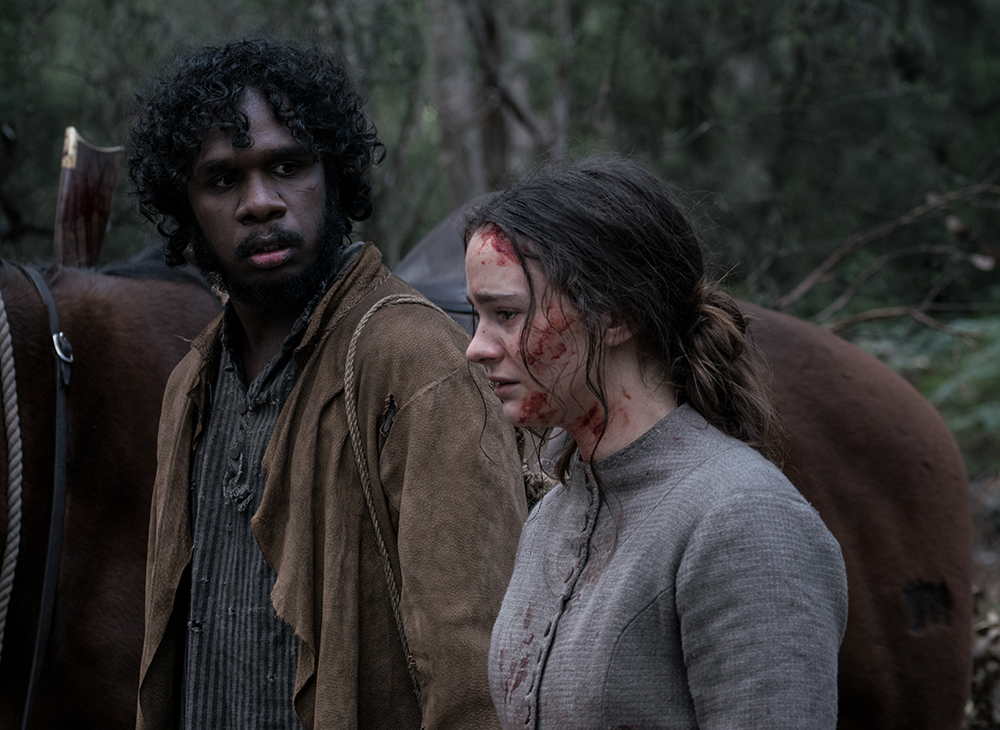
The Nightingale is a period piece revolving around an Irish prisoner in Tasmania, who is assaulted by a British soldier. The scene in this is framed in a way that you see what it looks like for a victim to have everything she loves taken from her in a single moment while the assault happens.
Yet again, the scene is not drawn out, and there is a focus on her face that shows you she is losing everything. What happens when a victim has nothing left to lose? After taking the life of one of her attackers, she realizes that, no matter how horrific her experience was, she is not who they tried to turn her into. She is not them. She is not a murderer. These men get what is coming to them, just not by her hand.
But there are many more layers to this that speak to the survival instincts of a victim, but also of a woman and a mother.
It is a grounded, viscerally realistic look at what happens when you’ve pushed a victim past their breaking point, yet never stole the one thing they had left: their humanity
Foreign films have showcased rape-revenge throughout cinema history in ways that the US has not been able to match.

One of the most notorious filmmakers in modern cinema is Argentinian provocateur Gaspar Noé. He lives in France and is one of the biggest creators of films within the “New French Extremity” sub-genre.
If you’ve ever heard the tales of French horror films like Martyrs, Frontier(s), or Inside, you’ve heard of New French Extremity.
Gaspar Noé made an intense, brutal, and notoriously graphic film starring Monica Bellucci called Irreversible. This is a rape revenge tale, told in reverse, focusing on two men attempting to avenge the woman they love, who was beaten and raped.
This is one of the few films where the graphic nature of the assault being shown actually feels necessary, earned, and warranted.
Believe it or not, though, Irreversible isn’t the most controversial rape revenge film to come out of France.
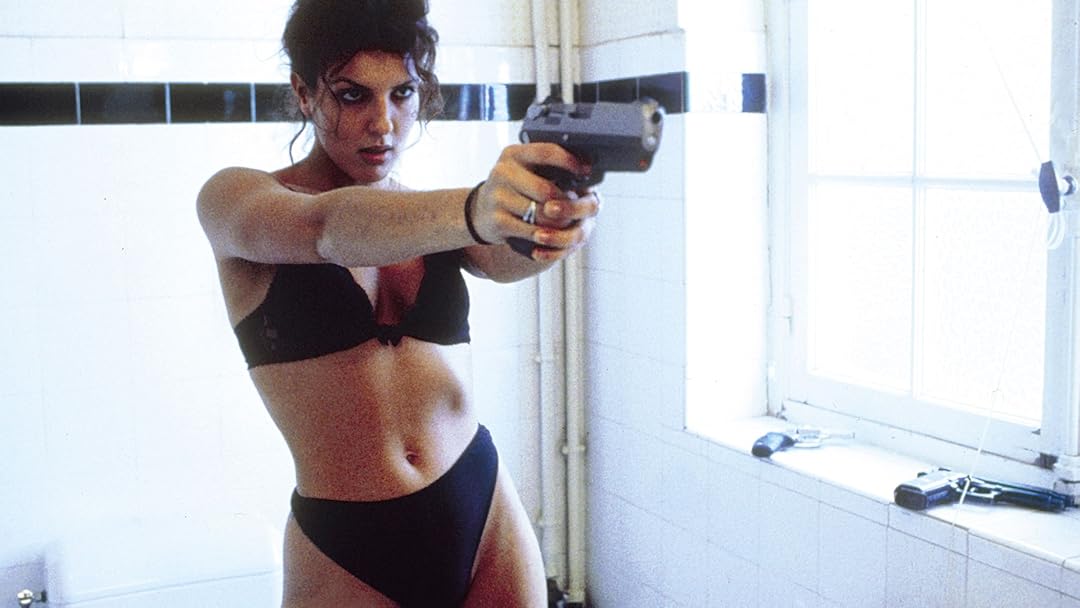
That award goes to the stunningly graphic Baise-Moi from directors Virginie Despentes & Coralie Trinh Thi. The film’s title translates to “Fuck Me” in English and centers around Nadine and Manu, two women who go on a spree of sex and violence after Manu is gangraped.
This film is a favorite of mine within the genre for many reasons, not the least of which is that it’s the only film to use the rape revenge as an actual weapon against predators.
The film received significant backlash and suffered from censorship due to the level of sexual violence and real sex scenes with actual penetration. This film offers a raw look into what can happen when victims are pushed beyond a breaking point.
It’s a showcase of consequences to society, creating predators and teaching men that they can take what they want.
Sometimes, the revenge doesn’t have to be graphic to be impactful.
One thing I love about the genre is the versatility in the storytelling and presentation of the material.
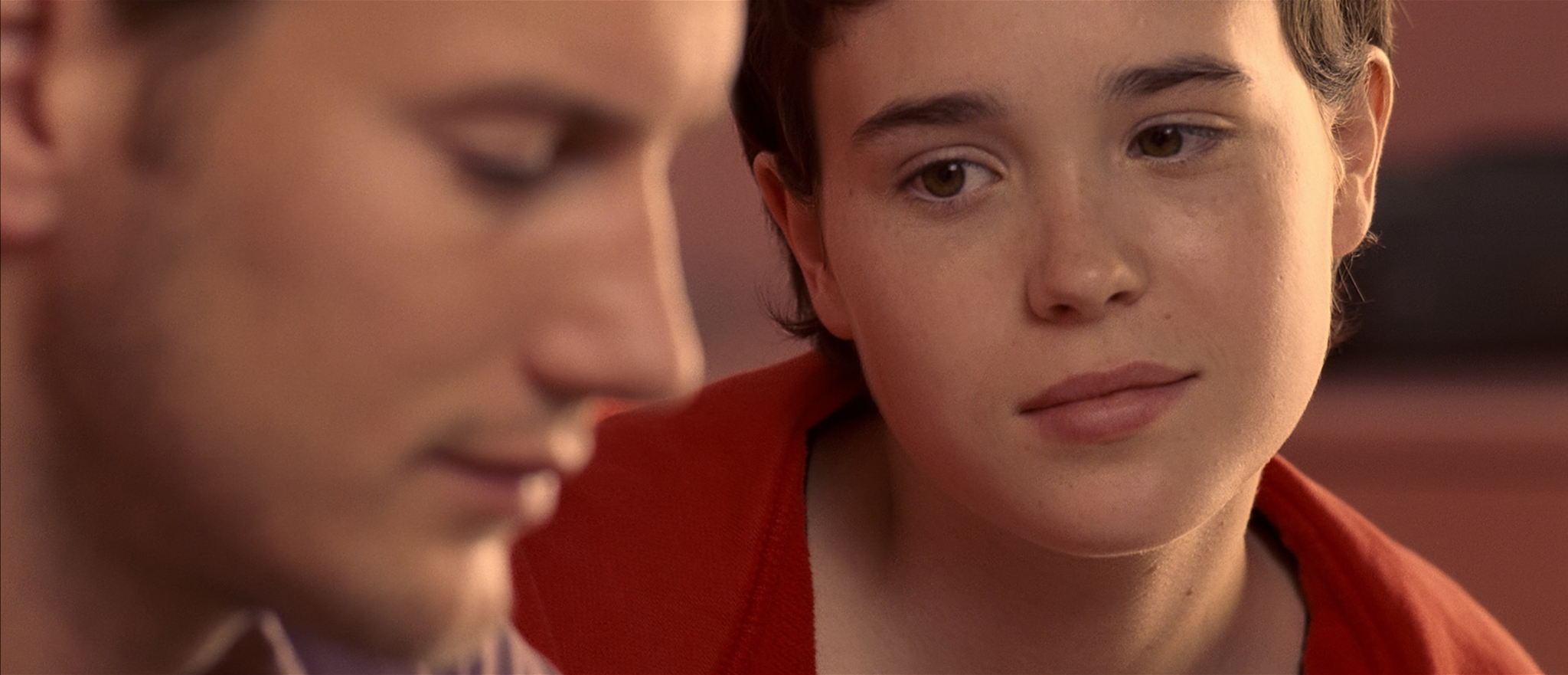
Back in 2005, Patrick Wilson and newcomer Elliot Page (known as Ellen Page at the time) starred in a film called Hard Candy about a 14-year-old girl (Hayley) who baits a notorious sexual predator (Jeff) through online chats and systematically tortures him after they meet.
The genius in this film, to me, is the visual restraint in that it isn’t as graphic as it is tense. You’re rooting for Hayley the whole time as she toys with Jeff and torments him. You never actually see a rape scene or anything like that, but you do see the evidence of Jeff’s crimes. The man is absolutely a sexual predator and a murderer, so seeing Hayley emotionally torture and manipulate him feels good to watch.
Hard Candy is rape revenge catharsis in its purist form. But sometimes, the graphic nature of a rape revenge film can truly hit the spot.
“In a genre that is mainly defined by creatures, ghosts, and madmen, there is no greater monster than the stranger walking behind you or in front of you down the street. The rape revenge sub-genre is one that illustrates the very worst of humanity. It’s as frightening as it gets, but I must admit, seeing those scumbags get their comeuppance in grisly ways is more than satisfying. The more brutal, the better.”- Steve “Uncle Creepy” Barton (Author of “A Comedy Of Tragedies”)
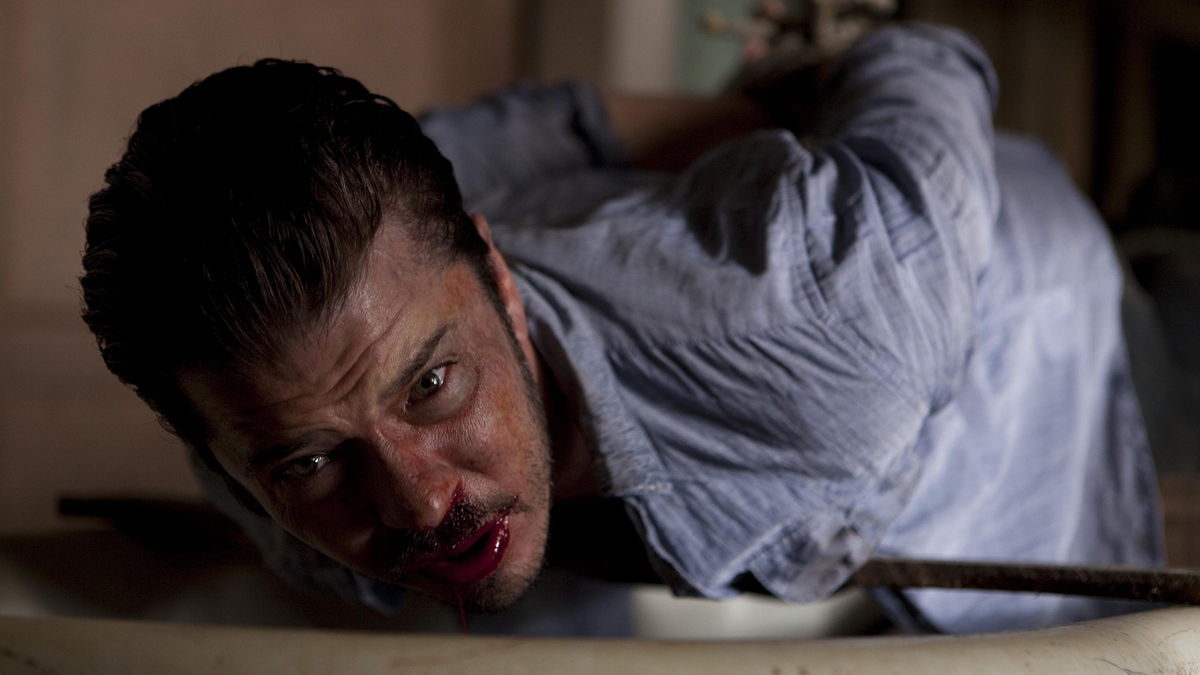
To say that the remakes of previously mentioned films, I Spit On Your Grave and Last House On The Left, pale in comparison to the iconic originals would be an understatement. But I do want to give them their flowers for one thing and one thing only: the brutality of the revenge scenes.
In the 2010 remake of I Spit On Your Grave, the final revenge scene involves one of the rapists getting shot through his asshole, out of his mouth, and into the chest of another rapist. We love to see it.
And in the 2009 remake of The Last House On The Left, one of the rapists gets his head microwaved until it explodes. It’s a ludicrous scene, but goddamn, did he deserve it! The remakes made the revenge the showcase of the brutality, and I’ll give them credit for that, because they could have easily exploited the victims for shock value.
At the end of the day, a successful rape revenge film cannot exploit the victim.

It also has to have an emotional release point for any viewer who has experienced the trauma and violation attached to rape/sexual assault.
One of the people I interviewed for this article, MaryBeth McAndrews, made a rape revenge film that was just released this year, in her directorial debut, called BYSTANDERS. What she did with that film, with the help of writer and star Jamie Alvey, is take the most effective parts of a rape revenge film and showcase those aspects more than anything else.
The story revolves around a group of men who drug, rape, and hunt women for sport. When the victims flee during the hunt, they encounter a couple that isn’t who they seem and agree to help the women survive. The assault scene is done perfectly, with focus on the facial expressions as opposed to showing the actual assault. It’s not glorified or exploited in any way.
Why? Because a truly successful rape revenge film showcases the revenge, not the rape.
The assault is the catalyst, but the revenge is the good stuff. And 90% of BYSTANDERS is about the revenge, as it should be. And that revenge is carried out in a way that makes you literally cheer for the violence you see on screen.
That is how you do a rape revenge film properly, especially in modern society. The rape lights the fuse, but the revenge is where the fireworks are.
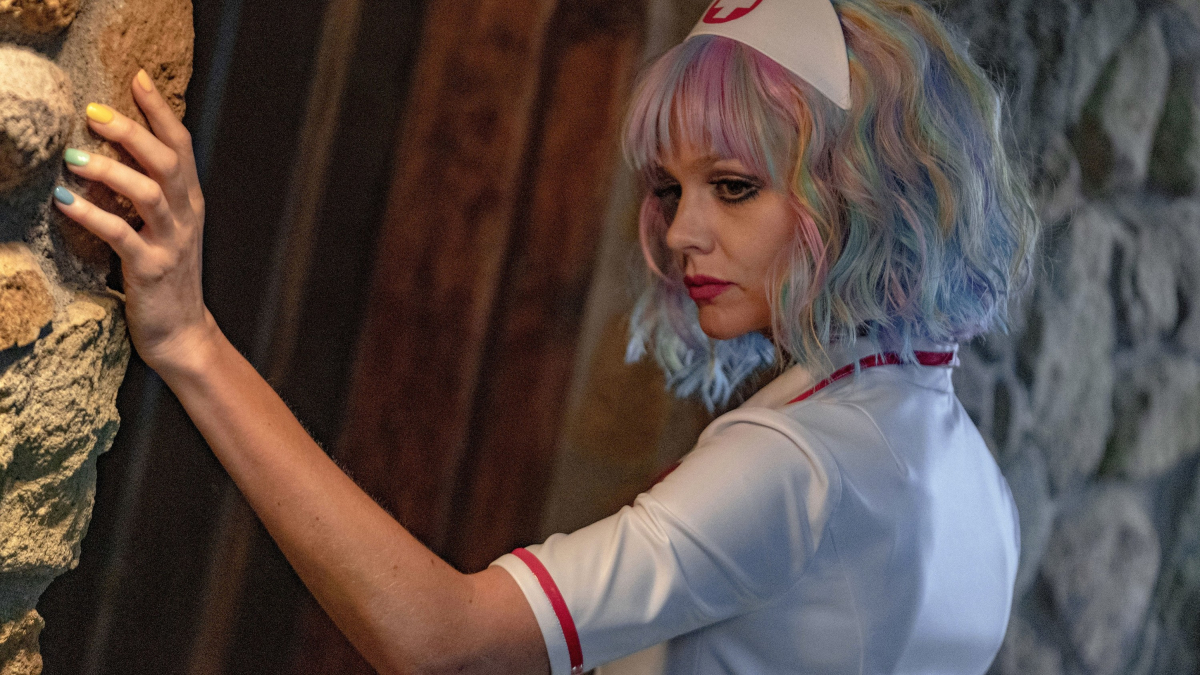
“Horror delivers more than fear. It delivers release. Catharsis. A film like Promising Young Woman offers a revisionist ending to a horrific reality for many women who want to rip the ‘good guy’ veneer off their abusers — as Cassie did to Al Monroe. It rewrites who gets the power and the last word. That’s why rape-revenge stories, when done right, matter so deeply. They give form to rage and justice.” – Christianne Cruz (Director of Aftertaste)
One of the most powerful aspects of the rape revenge genre is the adaptability of the stories. You can have a graphic, blood-soaked rage release, lying in the same bed as a nuanced & methodic relieving experience.
Rarely are two rape revenge stories the same, no matter how grotesquely common sexual assaults are. The lens through which these stories are told is one of personal experience in many cases, and those are the stories that tend to be the most impactful.
The cruel reality is that, according to The National Sexual Violence Resource Center, 1 in 5 women in the United States has experienced completed or attempted rape in their lifetime. And that is just based on the ones that are reported to police, which were only 25% in 2018.
And that horrific reality is why the stories that these filmmakers tell are some of the most important ones in cinema. These stories allow victims to feel a sense of release, relief, catharsis, and in an incredibly fucked up way… a sense of community because they’re not alone.
As long as you’re emotionally able to take the journey, you should give rape revenge a chance. They aren’t for everyone, and that is okay, but they are an essential part of cinema history that you may find therapeutic if you’ve gone through your own experiences.
Just do your research beforehand to ensure you’re comfortable with the subject matter and how it’s represented on-screen.











Follow Us!