

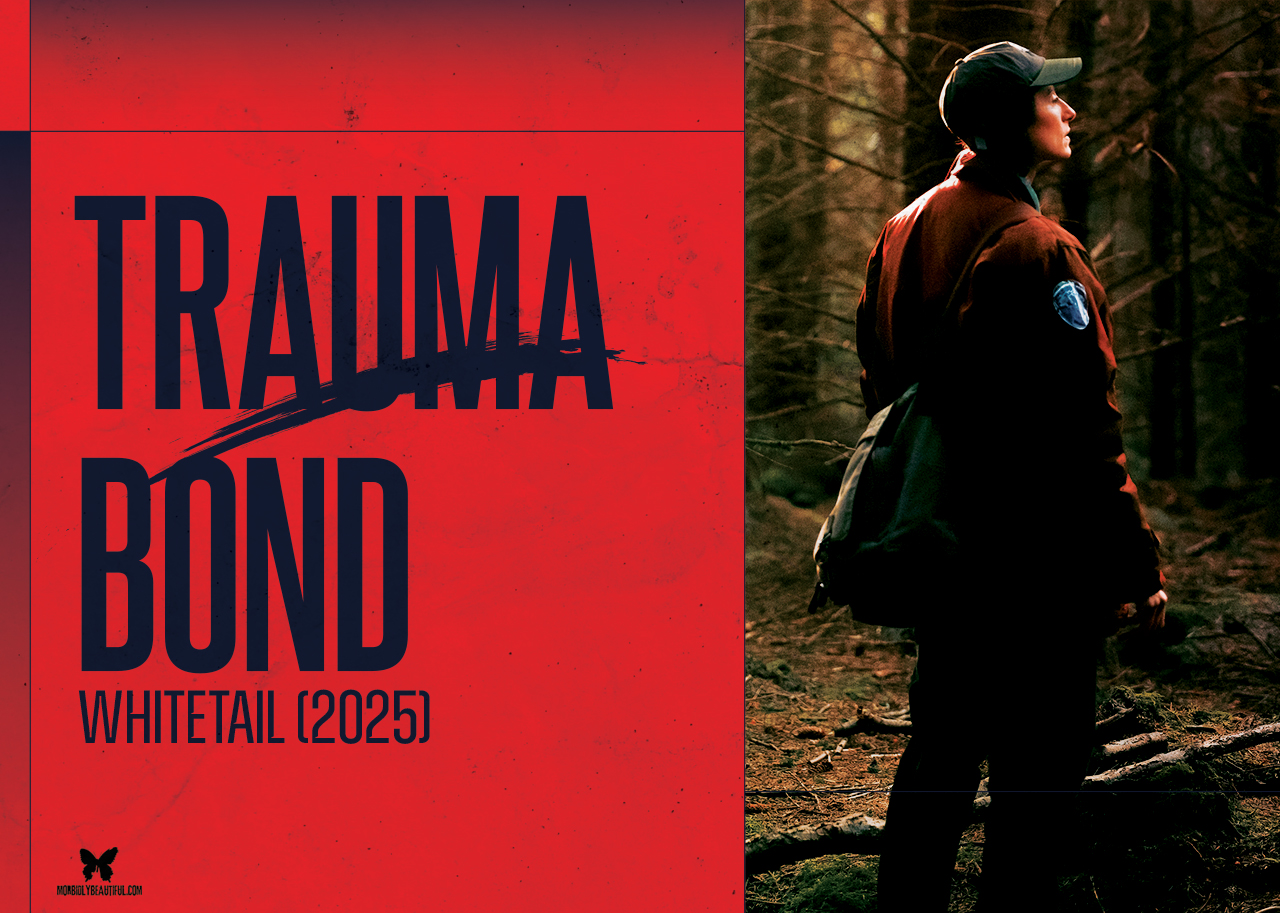
A bleak and beautiful slow burn, “Whitetail” marries the raw honesty of trauma with the haunting beauty of the Irish wilderness.
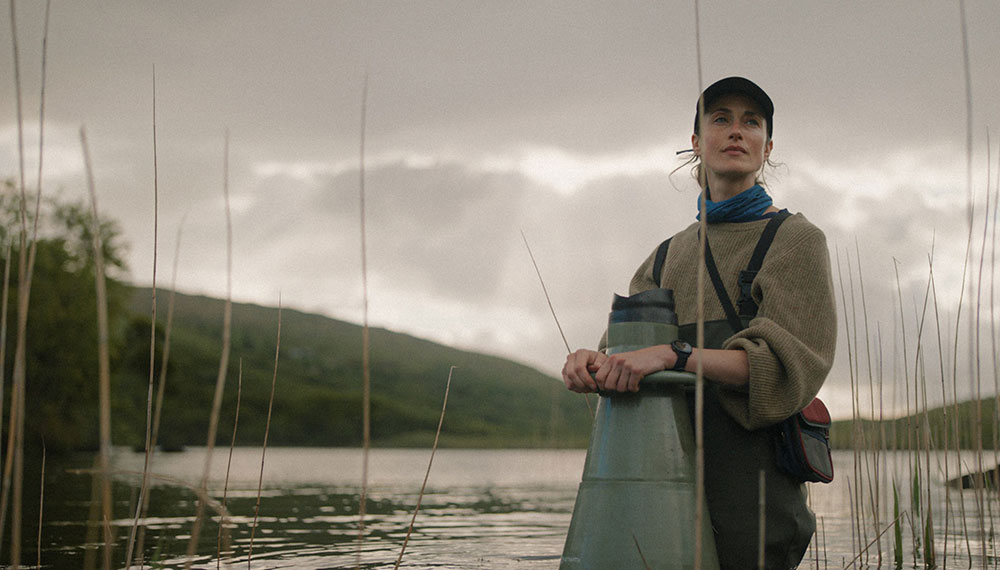
No time to read? Click the button below to listen to this post.

Life can change in an instant. One moment can shatter everything—our sense of self, our relationships, our entire worldview. Grief, guilt, and regret creep in like shadows, pulling us into a void where even the brightest light struggles to reach.
It’s the cruelest truth of being human: our lives are fragile, a house of cards that can collapse with a single wrong move.
This is the horror Whitetail confronts: bleak, unflinching, and devastating, yet rendered with such aching beauty that it transcends despair. It’s not a film to be called “fun,” but if you’re willing to meet it on its own terms and surrender to its quiet demands, it proves deeply, hauntingly rewarding.
Directed by Nanouk Leopold and premiering at the 2025 Toronto International Film Festival, Whitetail is a slow-burning psychological drama with gothic shadings and an unshakable sense of unease.
At its heart, it is a film about trauma—how it calcifies, how it poisons, and how it becomes impossible to ignore once the past returns.
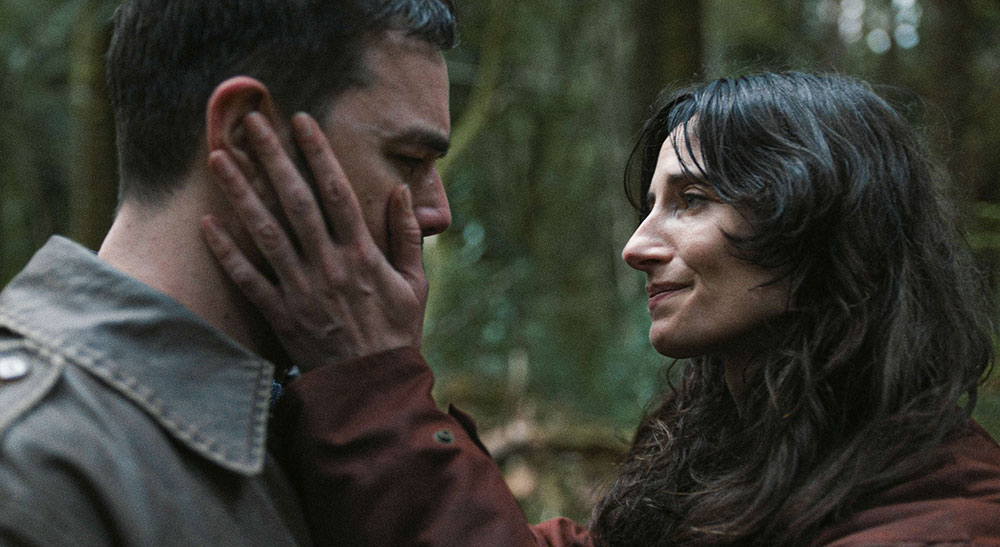
The film follows Jen (Natasha O’Keeffe), a park ranger living in the same Irish woods where her sister tragically died decades earlier. Jen has buried herself in routine while caring for her ailing father (Andrew Bennett). Her quiet but heavy existence is shattered when her former boyfriend Oscar (Aaron McCusker) returns to town after his mother’s death.
He was there the day Jen’s sister died, and his reappearance reopens every wound Jen has fought to suppress.
To make matters worse, a poacher begins leaving grisly remnants in the forest, a violation Jen takes deeply personally. As she becomes consumed with finding the culprit, the forest of her mind becomes increasingly haunted.
Leopold structures the story around Jen’s unresolved grief, guilt, and inability to move forward. The woods, once a place of youthful possibility, now serve as a suffocating reminder of everything she’s lost.
The natural world is both a refuge and a prison—lush and alive on the surface, yet hiding rot and decay beneath.
Natasha O’Keeffe gives a staggering, lived-in performance.
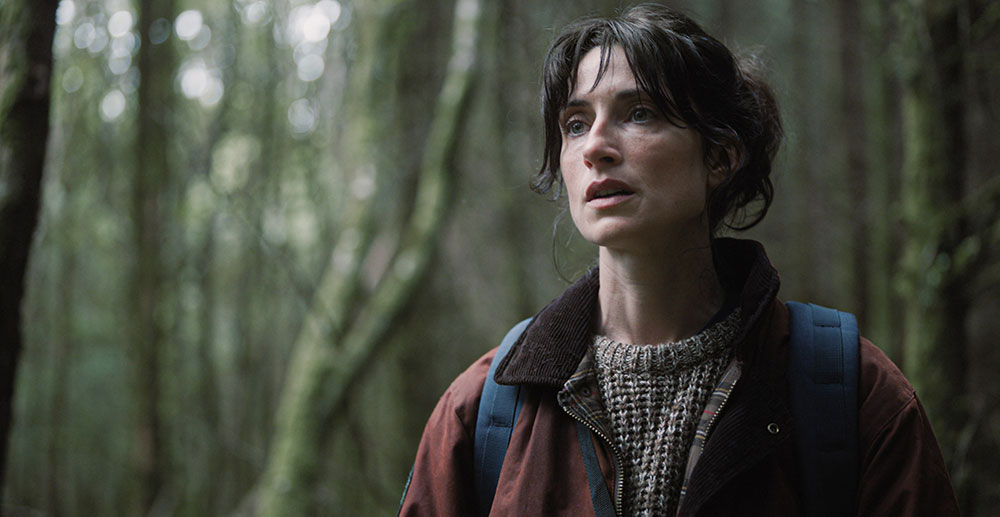
Jen is not written to be “likable.” She pushes people away, bristles against their happiness, and lashes out in frustration. But this is the brutal honesty of trauma. It makes monsters of us, twisting us into versions of ourselves even we can’t stand.
Like a tree hollowed by disease, Jen’s grief has burrowed so deeply that she cannot sustain joy.
This is a risky choice for a protagonist who must carry an entire film, but O’Keeffe’s raw, wounded portrayal grounds the character in uncomfortable truth. She speaks volumes in silence. Decades of anguish are conveyed in a glance or the weary slump of her shoulders.
The technical craft of WHITETAIL is formidable. Cinematographer Frank van den Eeden captures the Irish landscape as both breathtaking and haunted.
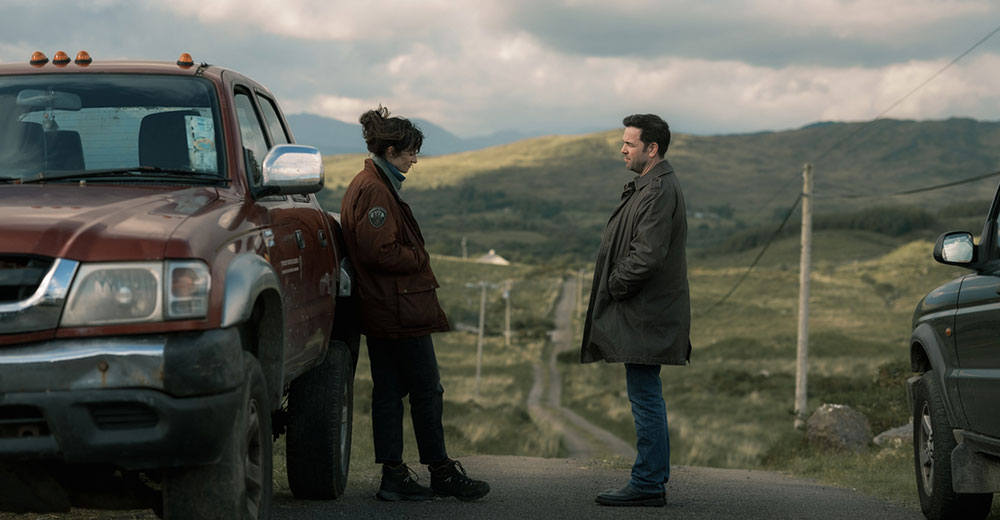
Every shot of mossy stillness or sudden movement in the trees feels infused with Jen’s inner turmoil. The forest isn’t just a backdrop; it’s a mirror, alive with memory, echoing grief back at her.
Stephen Rennicks’ score deepens this mood, with dissonant strings and subtle tonal shifts creating an atmosphere of dread. Even when little “happens” onscreen, the sound and image conspire to keep you unsettled.
Though it’s worthy of praise, Whitetail will not be for everyone.
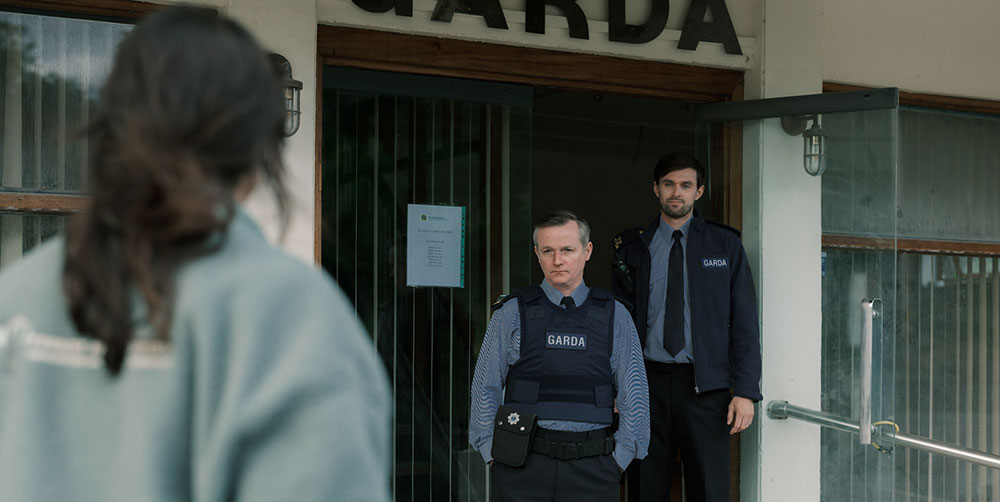
Its pacing is glacial, with long stretches of quiet. But this stillness is intentional: we are trapped in Jen’s mind, caught in the same holding pattern of grief she cannot escape. We’re meant to feel her paralysis, the oppressive weight of being unable to move forward.
As viewers, we become restless, desperate for change, and that restlessness is the point. Leopold demands that we sit in discomfort, that we feel Jen’s suffocating stagnation until it rattles us to the core.
This is a film that demands patience and surrender. It isn’t something to half-watch while distracted. Put the phone away, lean in, and let it consume you. Taken casually, it may feel like barren ground stretching on forever.
But if you give yourself entirely, you’ll discover a hidden terrain: cavernous, layered, and unexpectedly rich.
Overall Rating (Out of 5 Butterflies): 4
FINAL THOUGHTS
Leopold’s allegory of nature and grief is clear: trauma is like an oak growing deep in the forest of the soul. It cannot be cut down or ignored; its roots twist and spread, reshaping everything around it. Jen is consumed by that oak—shaded, dwarfed, trapped beneath its canopy. The film asks: What happens if we stop running from that tree and finally face it? Can we clear space for light, or are we doomed to live forever in shadow? Even if the narrative or pacing doesn’t fully move you, Whitetail remains technically resplendent and emotionally raw.








Follow Us!