


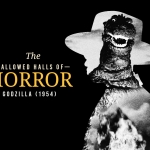
The 1954 Japanese classic “Godzilla” is a groundbreaking kaiju film that explores the devastating impact of nuclear weapons.

No time to read? Click the button below to listen to this post.
Godzilla made its debut on October 27th, 1954, marking the beginning of the longest-running film franchise as recognized by Guinness World Records. Its enduring legacy continues to captivate audiences to this day.
Why is there such an enduring fascination with a prehistoric monster from the Jurassic period running amuck in downtown Tokyo? To answer that question, we need to take a trip back to 1954, when Director Ishiro Honda dreamed the movie that created the first of thirty-nine total Godzilla movies, spanning from 1954 to 2024, as well as numerous books and comics.
Honda entered the Japanese Film Industry in 1934, working as an assistant director for fifteen years. He directed and co-wrote Godzilla, which was a box-office success in Japan. Honda served in the Japanese Imperial Army from 1934 to 1946.
In August 1945, the United States dropped two atomic bombs on Hiroshima and Nagasaki, Japan, respectively. When Hondo returned home in 1946, he suffered nightmares from the war.
The 1953 American movie The Beast from 20,000 Fathoms fascinated him.
Soon after, there were also reports of the United States conducting Nuclear Testing at Bikini Toll of the Marshall Islands (1954), exposing a Japanese fishing boat to the fallout from those tests.
Godzilla was born and became the physical representation of nuclear fear.
The moral message of Godzilla is profound and thought-provoking.
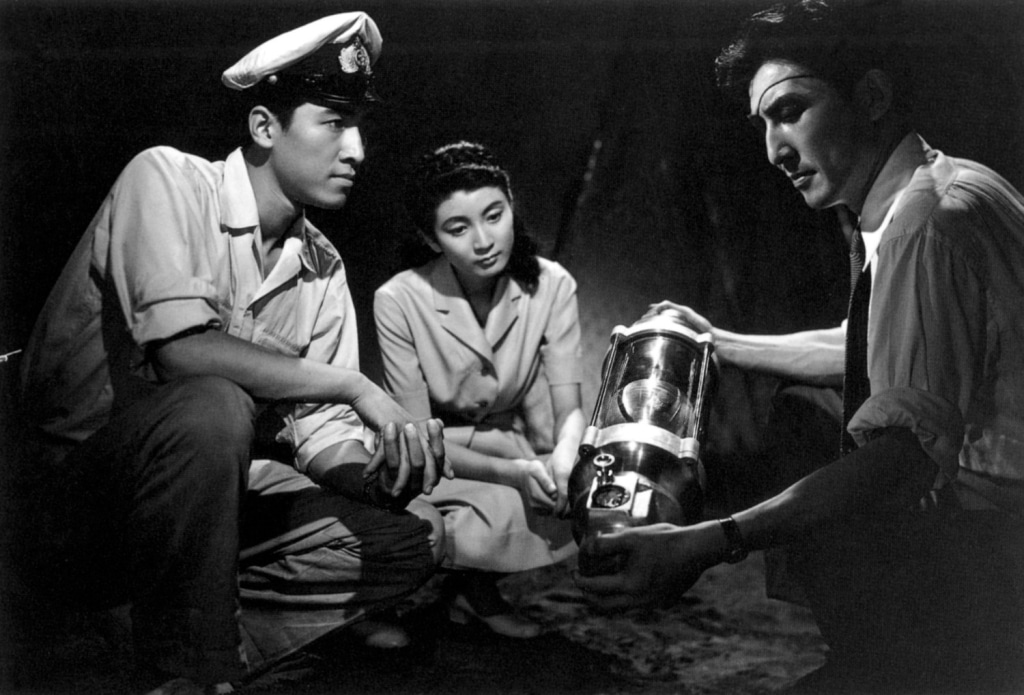
It conveys that humanity ‘knows not what they do’ when using nuclear weapons, a theme that resonates throughout the franchise.
People are more afraid of the long-term effects of radiation than the bomb itself, and for good reason. It is scary because no one knows exactly the long-term effects. There have been some indications of severe skin burns, an increase in liver Cancer, and mutations.
Hondo took the concept of mutations and created Godzilla—a creature from the Jurassic period whose tests brought him back to life. He even created a backstory for Godzilla, about an ancient creature that gets hungry and eats all the fish in the ocean. When the seas are empty, Odo Island has to send Godzilla, a village maiden, to sate his appetite and save the village.
Like the Greeks and Romans of old, only a woman can be sacrificed to tame a monster’s rage. This sacrificial act is deeply rooted in Japanese folklore and serves as a powerful metaphor for the consequences of nuclear testing. We need to send a man in for a chance to see if the monster would like a change in diet.
It’s also important to note that the 1950s was a pivotal era in Japan. With WWII ending in 1946 and the memory of the Atomic bombs on Hiroshima and Nagasaki still fresh, the historical context is crucial to understanding the birth of Godzilla and its profound cultural significance.
Japan will never forget the impact of Godzilla, a film that continues to influence the country’s cinematic and artistic landscape.
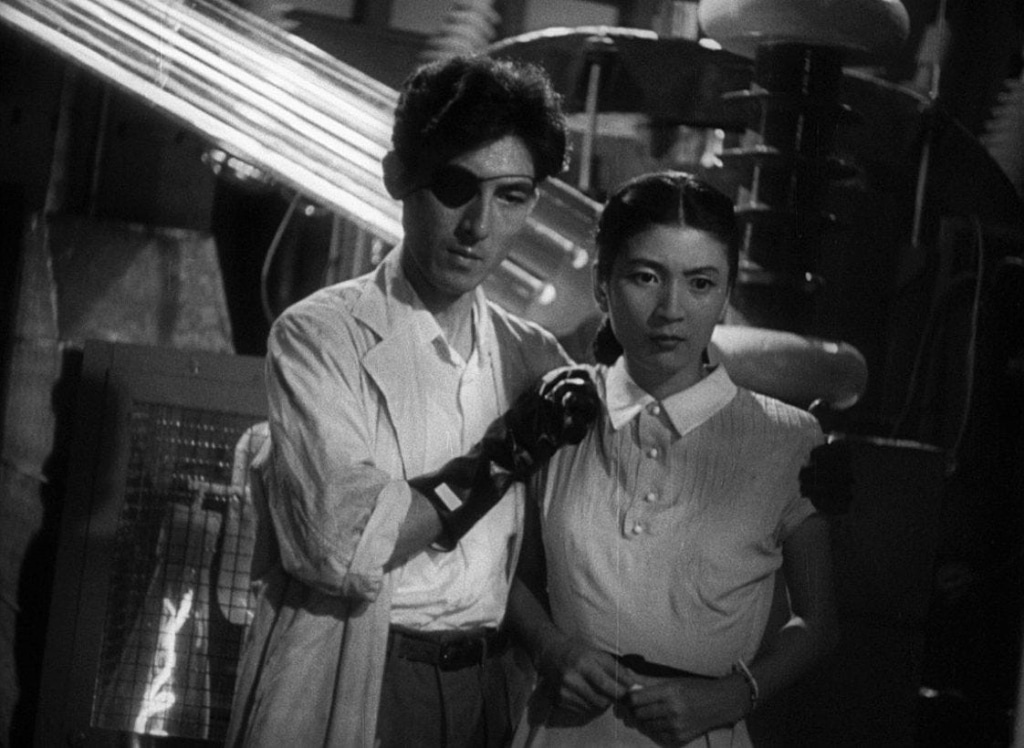
Directed and co-written by Honda, the modestly budgeted Godzilla was a box-office success in Japan, earning two Japanese Movie Association Awards nominations. Its enduring influence is a testament to its profound cultural significance.
Godzilla served as a reminder and memorial for Hiroshima and Nagasaki. It opened with a Japanese Fishing boat floating on the ocean. The sailors were relaxing on the deck, playing music and games, and enjoying the day.
Suddenly, one of the sailors notices the water churning wildly, and the sailors rush to the railings to see something glowing beneath the surface. The water explodes with a bright light like a bomb exploding and kills the sailors. Godzilla has risen from the ocean’s watery depths to destroy Japan—one island at a time.
What ensues is the age-old story of dealing with the consequences of humankind’s actions endangering the Earth.
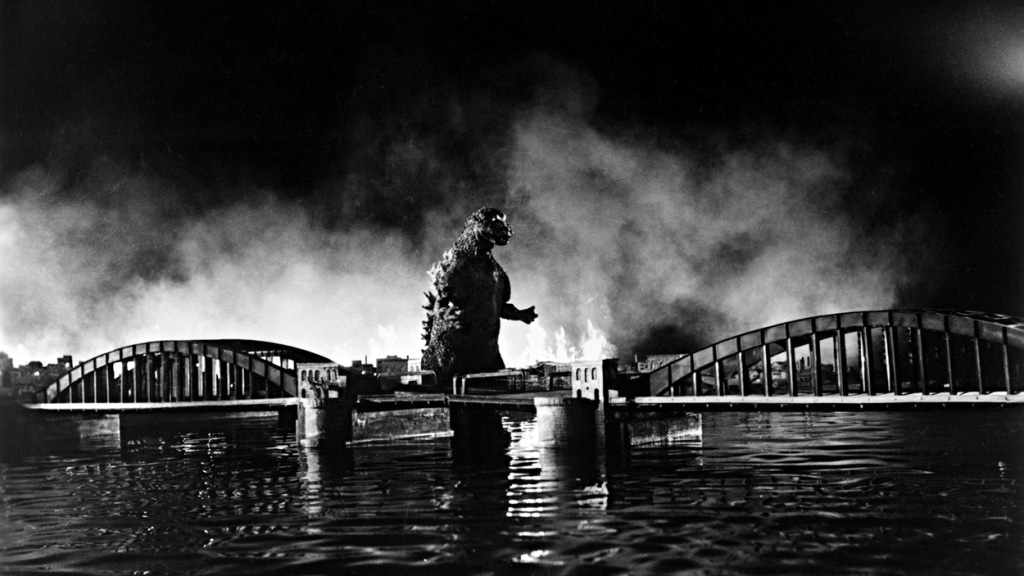
Godzilla is the result of nuclear testing. He was asleep deep below the water’s surface but was woken up by the testing of atomic bombs. To make matters worse, now Godzilla is radioactive. His weapon is radioactive breath. He wakes up hungry and eats all the fish around Odo Island. An elderly man tells a reporter they may have to sacrifice a maiden for Godzilla if they wish to live.
Most of the film is coming to terms with Godzilla being on the rampage and destroying villages.
The interactions between the main characters and the underlying tension on what to do about Godzilla. Dr. Yamane (Takashi Shimura) wants to study how he survived the radioactivity. Hideto Ogata (Akira Takarada) wants to kill him because of all of the destruction and lives lost.
Interesting note here: Akira Takarada has gone on to star in numerous other Godzilla movies. The same applies to Momoko Kochi, who portrayed Dr. Yamane’s daughter and Hideto Ogata’s girlfriend. This is not unusual, as Director Ishira Honda directed eleven Godzilla films, indicating just how important Godzilla is to Japanese culture.
Special effects in the 1950s were nowhere close to the special effects today.
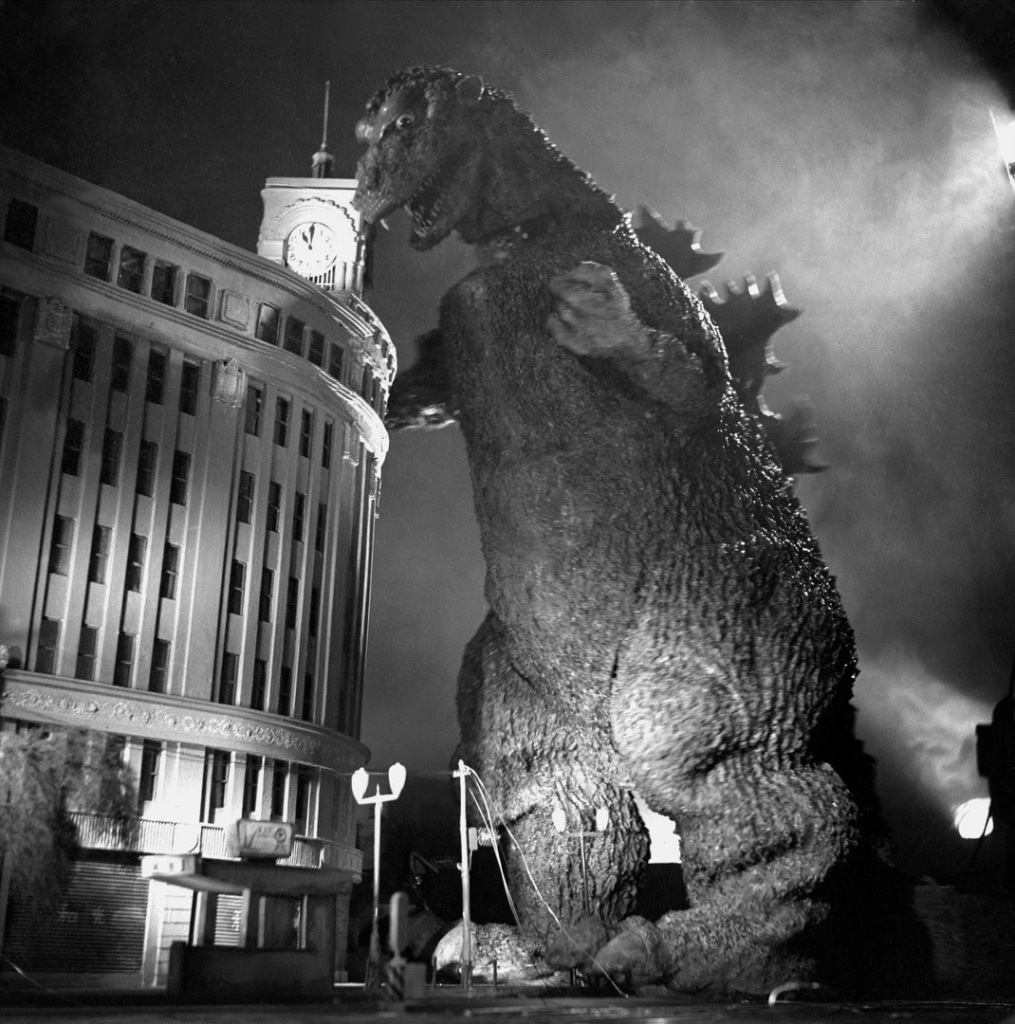
The film’s budget constraints and the limited technology of the time meant that the depiction of destruction, such as boats and cars being overturned and destroyed, was less realistic than it is today. The viewer could quickly tell they were toys in a tub full of water. Some scenes were repeated, a common practice in the era to save on production costs.
Godzilla looked like a hand puppet, but his back ridges glowed and flickered when he powered up for the radioactive breath. It was cool how the special effects people did that.
The 1950s acting is over-the-top, with overacting and flashbacks. This was the first time I had seen a character set up a scene where the viewer knew there would be a flashback. It was a pleasant surprise and a novelty.
There were continual references to the two bombs dropped on Japan and references to being evacuated numerous times.
The music was primarily Japanese Taiko Drums, which added to the cultural significance of Godzilla for the Japanese. You had happy music to indicate the lighter scenes and the drums to indicate mounting tension.
Ultimately, Godzilla has maintained its horror reign due to its still-resonant message about human horrors and the lasting impact of war, the abuse of technology, and the destruction of our planet.
With its poignant themes and iconic monster design, it’s no wonder Godzilla has enjoyed an enduring legacy as a cultural and cinematic phenomenon.











Follow Us!