“The Coffee Table” and the Horror of Staying Silent


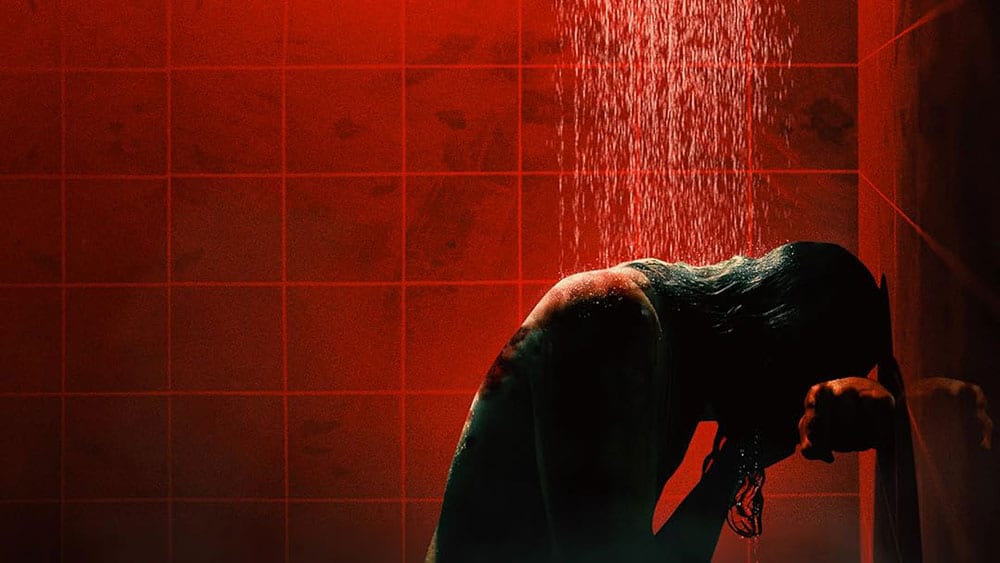
What scares us most is rarely the supernatural. Ghosts, demons, and masked killers have their place in horror history, but the deepest, most paralyzing fear is often far more mundane — rooted in the small, ordinary moments that fracture a life in an instant.
Caye Casas’ The Coffee Table (La Mesita del Comedor) is a masterclass in turning the ordinary into the unbearable.
It’s a film about marriage. About parenthood. About guilt. But at its heart, The Coffee Table is a suffocating meditation on silence — the lies we tell ourselves, the truths we swallow, and the ways fear itself turns into complicity. Casas takes a single tragic event and stretches it across every frame, forcing us to sit with a level of discomfort most films would cut away from. The result is a film that doesn’t just unsettle — it burdens the viewer, leaving an emotional bruise that lingers long after the credits roll.
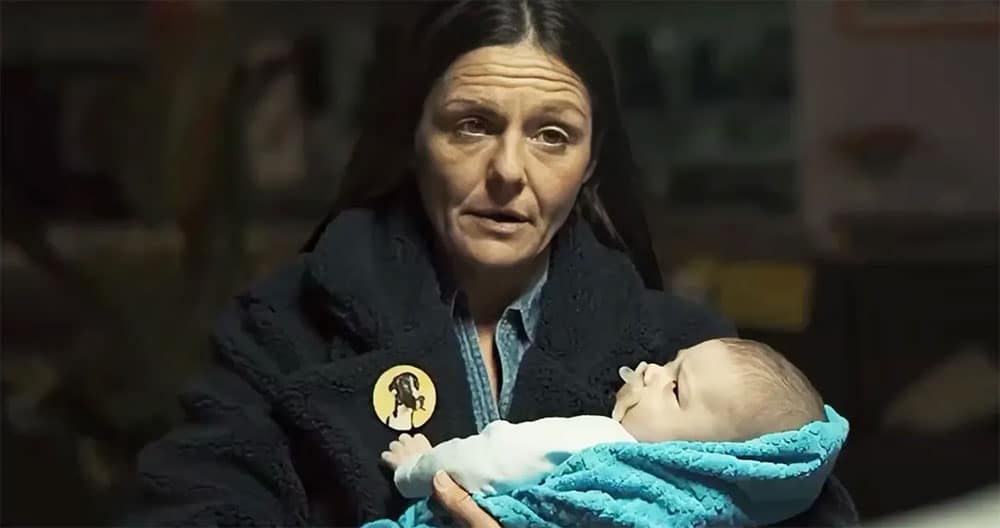
Parenthood, especially in horror, is often reduced to primal fears of loss—the abduction, the illness, the predator at the door. The Coffee Table takes a more insidious approach. It’s not some external force that endangers the child at the center of this story; it’s a piece of furniture. An ugly, impractical coffee table, impulsively bought during a couple’s bitter shopping trip.
This is the first gut punch of The Coffee Table: how quickly the domestic space can become fatal, how easily a home can betray the family it shelters.
Parenthood is terrifying because it demands constant vigilance—every sharp corner, every careless decision, every moment of distraction carries the weight of possible catastrophe. Casas amplifies this truth into horror, making the viewer complicit in the characters’ terrible luck, their poor choices, and their unraveling grief.
By centering the horror around something so mundane, Casas reinforces the film’s larger thesis: the most frightening monsters are not external threats but the consequences of our actions—the ordinary decisions that, in a single moment, can become irrevocable.
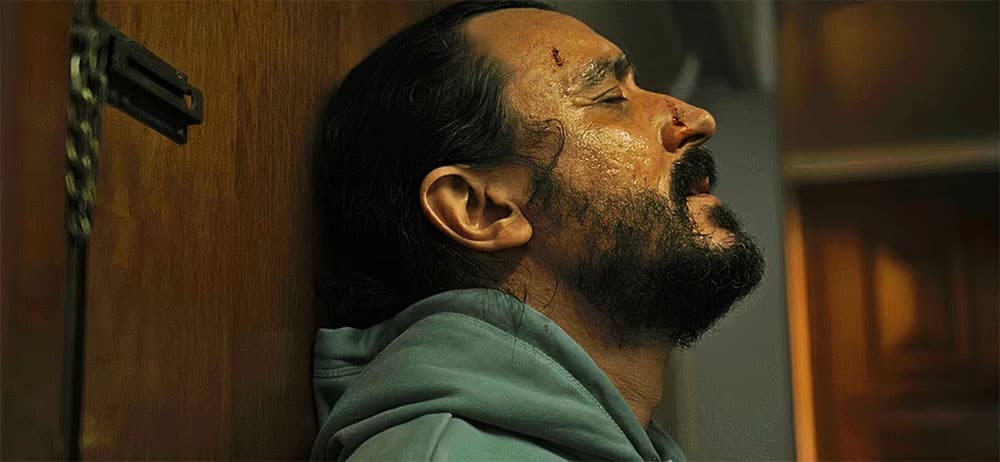
Once tragedy strikes—in a scene so shocking it feels physically disorienting—the film slows to a crawl. It’s not out of indulgence but out of intent. Casas wants us to experience the paralysis of guilt in real time. Jesús, the father, does not scream, act, or confess. He freezes. His silence isn’t just fear; it’s denial fossilizing into repression.
This is where the horror deepens. The tragedy itself is ghastly, but it’s what happens after—the unbearable weight of pretending nothing happened—that becomes the film’s central terror. By refusing to break away from Jesús’ tormented silence, The Coffee Table transforms guilt into something oppressive and physical. Every minute spent hiding the truth becomes a form of violence.
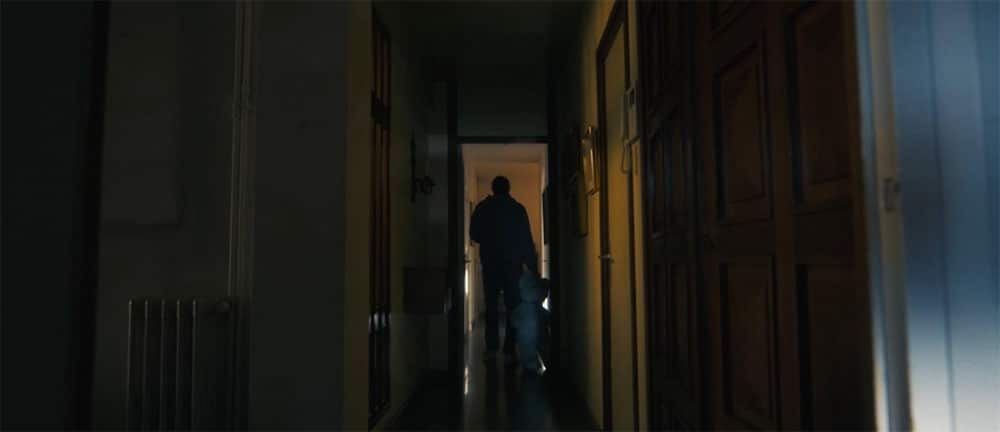
Most horror films treat fear as a trigger. Fear makes you run, scream, and fight back. But Casas flips that expectation on its head. In The Coffee Table, fear doesn’t propel action. It freezes it. It turns into stillness, suffocation, and moral paralysis. This isn’t fear as adrenaline; it’s fear as inertia.
This theme stretches beyond Jesús’ personal horror. In many ways, it’s a metaphor for how we—as individuals, communities, and societies—respond to catastrophe.
How often do we witness tragedies, crimes, or systemic horrors and do nothing? Fear of consequence, fear of disruption, fear of exposure—these fears don’t just stop action; they become part of the crime itself.
In this sense, The Coffee Table resonates not just as a domestic horror story but as a grim mirror to collective silence in the face of preventable suffering.
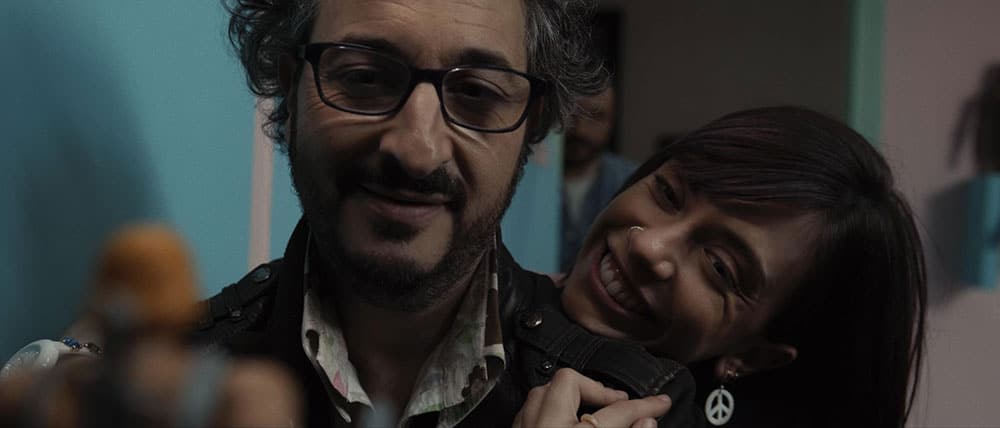
One of the most chilling aspects of The Coffee Table is the way it examines our collective obsession with appearances.
Even after the worst happens, Jesús’s overriding concern seems to be maintaining normalcy—keeping up the image of a functioning family, even as that image is a fragile mask stretched over unimaginable grief and guilt. This reflects a broader social tendency to prioritize the external—the optics of happiness, stability, and control—over the internal work of confronting darkness head-on.
This thematic thread also ties into the film’s bleak humor. There’s something darkly comic about watching Jesús try to continue with day-to-day life, as though pretending hard enough might somehow undo reality. But it’s a comedy born of desperation—a human impulse to believe that silence and performance can paper over genuine horror.
It’s self-preservation at its most grotesque.
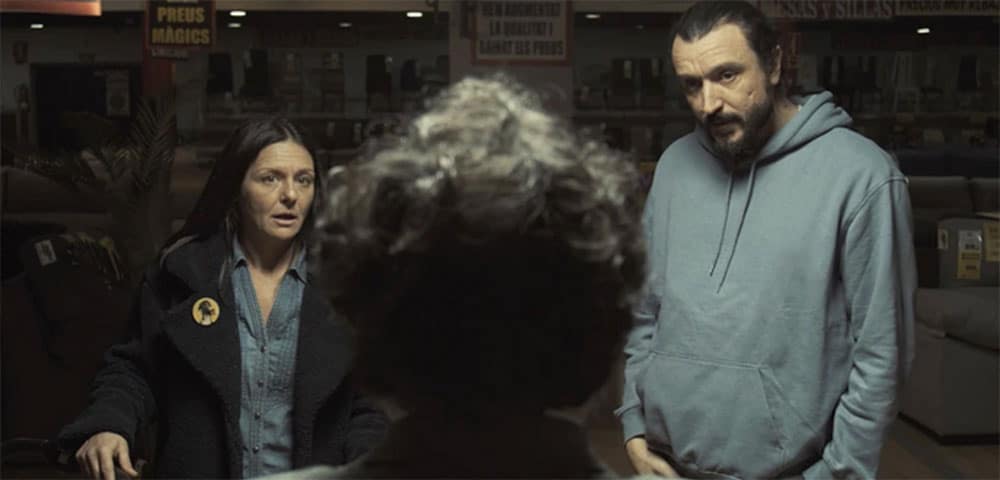
In horror films, objects are often cursed. We are used to seeing possessed dolls, haunted paintings, and ancient relics. The titular coffee table, however, is terrifying precisely because it is so ordinary. It’s not evil. It’s just badly made, heavy, and stupidly designed. Its horror lies in its banality. Anyone could buy it. Anyone could accidentally bring it home.
This aligns with something Casas himself has acknowledged—that the seed for the film came from pondering life’s cruel randomness and the way even happy families can be blindsided by absurd tragedy. That’s where The Coffee Table’s power lies. It reminds us that tragedy doesn’t need a supernatural cause.
Sometimes, disaster comes from nothing more than a cheap purchase and a bad day.
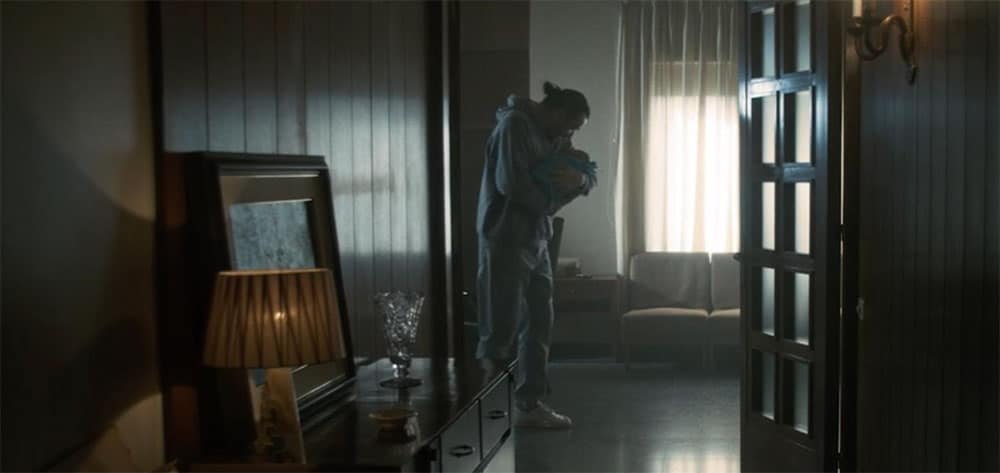
In interviews, Caye Casas has been candid about his desire to craft a film that feels like an emotional gut punch—something that lingers, something audiences can’t simply shrug off. “I wanted to make the audience suffer, but in a good way,” Casas said, emphasizing his interest in films that leave psychological scars.
It’s a horror film that wants to implant a weight in the viewer’s chest, to make them carry that weight long after the credits roll.
This is a film about guilt as weight, fear as immobility, appearance as burden, and silence as suffocation. It asks the audience to consider: What happens when our fear of disruption, our craving for normalcy, and our refusal to confront guilt leave us paralyzed? What horrors thrive in silence? And perhaps most chillingly: What if silence itself is the true horror?
It’s about what happens when we refuse to speak — to each other, to ourselves, to the world. It’s about what festers when we prioritize comfort over truth, performance over reality, and self-preservation over moral responsibility.
In this way, Casas’ film is not just a horror story — it’s a cautionary tale about the cost of silence.

She’s a lover, he’s a fighter. Together, they’re CHEER AND LOATHING. Tune in to hear your hosts, Stephanie (Cheer) and Casey (Loathing), clash over the films they love — and the ones they love to hate.
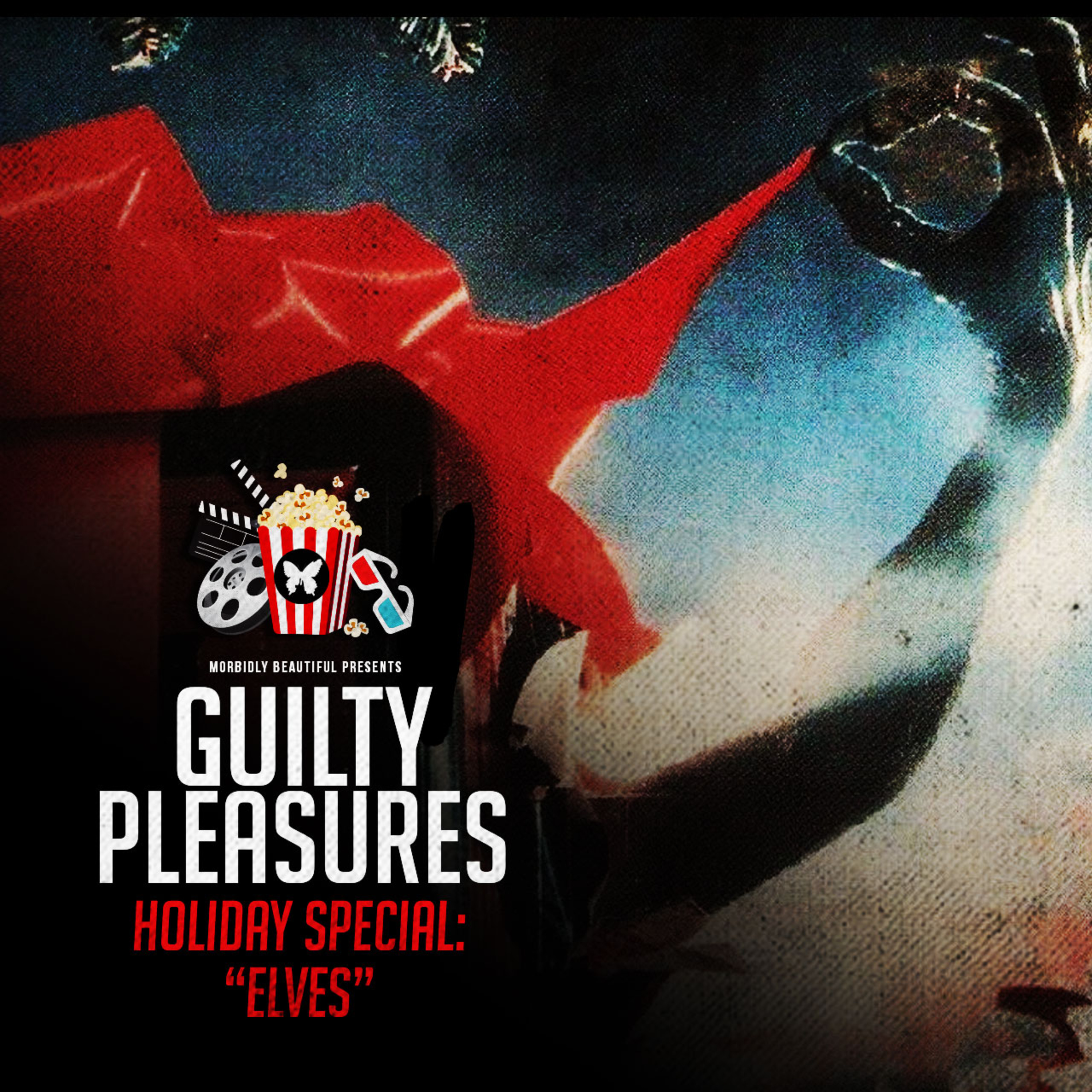
In this holiday extravaganza episode of Guilty Pleasures, join hosts Stephanie, Kelly, and our newest addition, Jonathan (Jack was tied up in tinsel and couldn't join us), as they unwrap the bizarre and unhinged world of holiday cinema. They dive into the depths of Elves, a film that's as chaotic as it is entertaining. It's a sleigh full of questionable decisions, diabolical dialogue, absurd plot twists, wildly offensive antics, and unhinged holiday mischief.
And that's not all! In the second half of the podcast, join your festive cinephile friends for a look at four more ”nutty as a fruitcake” holiday treats: A New York Christmas Wedding, Elf Bowling, A Medea Christmas, and Jack Frost. Plus, we each offer a bonus Christmas flick guaranteed to make you say, ”Ho, Ho, HO-LY Hell!”
Expect laughter, disbelief, and a spirited debate about what truly makes a movie a guilty pleasure. Don't miss this festive journey through the weirdest corners of holiday films!









2 Comments
2 Records
Rob wrote:
Stephanie Malone wrote:
Oh, wow. That’s a really thought-provoking interpretation and certainly adds a new dimension to the film. I really like that theory!