


“28 Years Later” is a haunting and heart-pounding post-apocalyptic meditation on grief, survival, and the monsters we create in memory.
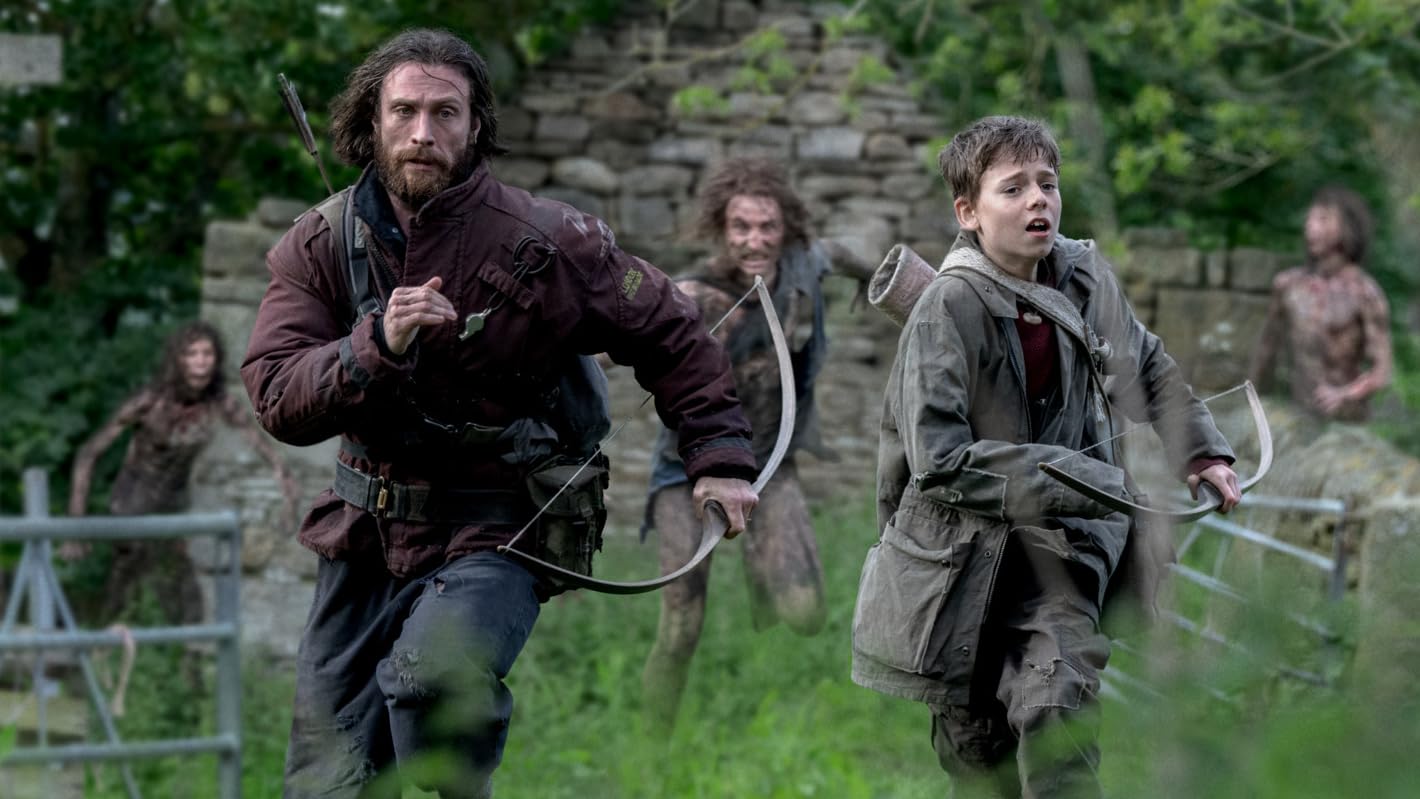
Danny Boyle and Alex Garland’s “28 Years Later” blends heart-stopping horror with a poignant coming-of-age story. Now on Premium VOD, July 29.
No time to read? Click the button below to listen to this post.

28 Years Later is a long-awaited return to the blood-soaked, adrenaline-fueled chaos of its predecessors, with veterans Danny Boyle and Alex Garland delivering on an impressive legacy.
Garland crafts a rich background, depicting a UK cut off for 28 years, devolved into a post-apocalyptic hellhole, and contained within a quarantined Europe. But this is not just a thrilling zombie film. It’s a thoughtful rumination on isolation and a poignant coming-of-age story that explores what it means to find oneself amidst profound loss and the constant, ever-present specter of death.
Two decades after the initial outbreak, we discover that the brutal Rage Virus never really left. It merely simmered, quarantined on British soil while the rest of the world moved on.
Now, in 2030, a self-contained island off the Scottish coast lives in relative peace—its residents clinging to routine, folklore, and ritual.
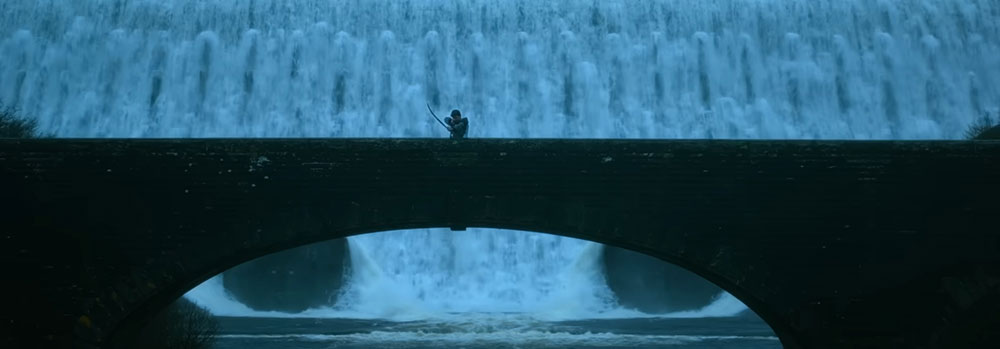
Twelve-year-old Spike (an astonishing Alfie Williams) is on the cusp of boyhood’s end, caught between his father Jamie’s (Aaron Taylor-Johnson) rigid notions of masculinity and the intuitive grace of his ailing mother Isla (Jodie Comer). Driven by a sense of community fostered over decades and the machismo instilled by his father, Spike accompanies his dad off the island to the mainland, accessible only at low tide via a causeway.
Once there, Jamie teaches Spike how to hunt the Infected. Spike demonstrates both his promise and his hesitancy to fully follow in his father’s footsteps.
When a routine outing becomes a harrowing fight for survival, leaving Spike shaken, his father is eager to regale the townsfolk with mostly fabricated stories of his son’s heroism. Meanwhile, a growing sense of discontent and suspicion gnaws at him, particularly concerning his father and a mysterious fire burning deeper on the mainland.
Garland’s screenplay is dense with allegory, but it never loses the human thread.
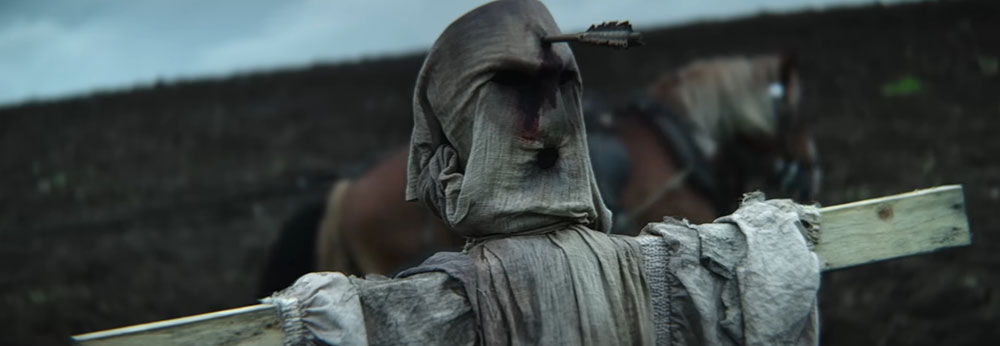
Like many of the best outings in the zombie subgenre, the film is less concerned with the Infected than with the people who’ve learned to live in the shadow of their constant threat. It’s about the human heart, its resilience, and its capacity for both darkness and light. Death, in this world, is simply more immediate and impossible to ignore.
Yet, the film masterfully makes us see the infected not merely as monsters but as humans afflicted by an illness, not so different from the living.
This critical distinction is reinforced by the mother’s mysterious illness, forging a powerful human connection and reminding us that illness and death are random, cruel, inevitable, and ultimately, something that binds us all.
This theme is powerfully emphasized in a scene where an infected woman gives birth, and Spike’s mother compassionately helps deliver the baby, treating the infected woman with profound humanity despite the inherent danger.
The cast is uniformly excellent.
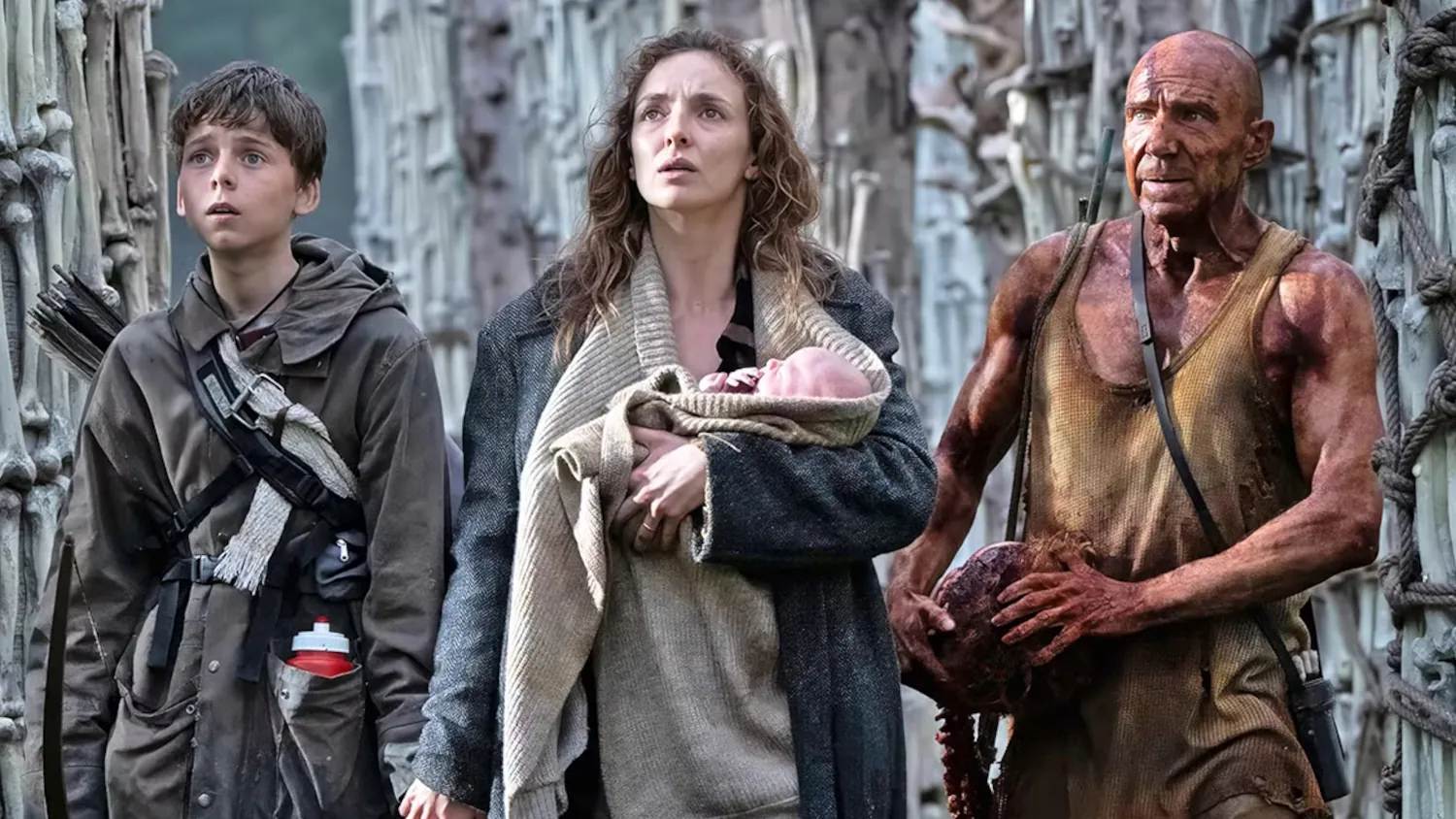
Comer brings quiet devastation, Taylor-Johnson delivers the requisite bravado, and Fiennes is positively magnetic, delivering a standout performance: part spiritual guide, part exhausted healer, part comedic balm. He becomes the emotional anchor, helping Spike understand that grief is not something to kill off, but something to carry with grace.
But it’s Alfie Williams as young Spike who astonishes. His performance is layered with confusion, vulnerability, and resolve. He doesn’t just carry the film, he embodies it.
Spike’s journey unfolds in two distinct acts that shape his understanding of the world and himself.
Initially, his father introduces him to the cruelty of the world, teaching him how to kill and suppress his emotions. This is a patriarchal rite of passage, a lesson in survival through hardened detachment. However, Spike’s journey takes a pivotal turn when he embarks on a new path with his mother.
She offers a profound counter-narrative, teaching him about love, sacrifice, and finding meaning in a world that often seems bleak and devoid of hope. Isla shows him that his emotions are not a weakness but a source of strength. From both parents, Spike learns invaluable, albeit contrasting, lessons as he grapples with defining who he is and what he wants to be in this ravaged new world.
There’s an unmistakable political pulse running through 28 Years Later.
The film presents a powerful dystopian reflection of contemporary society, engaging deeply with themes of Brexit isolationism, the fear of others, and how selective memory can shape monstrous ideologies.
Garland himself has noted that the film explores how “we’ve become increasingly preoccupied by looking back rather than looking forward, back to the way things used to be.” He suggests that this retrospective gaze is often colored by “selective amnesia,” which involves misremembering or cherry-picking the past. This may resonate just as deeply with Americans who have witnessed a rampant rise in rhetoric seeking to restore past ideals, often overlooking the darker aspects of those eras.
28 Years Later is not just viral evil but the kind that hides in plain sight, in tradition, in hero worship, and in corrupted institutions. Like a mutating virus hellbent on destruction, evil as a human construct is constantly evolving and adapting in new, chilling forms.
The film doesn’t shy away from the moral complexities of survival, forcing viewers to confront their own perspectives on right and wrong in extreme circumstances. It’s a meditation on the human condition, exploring the best and worst aspects of our nature.
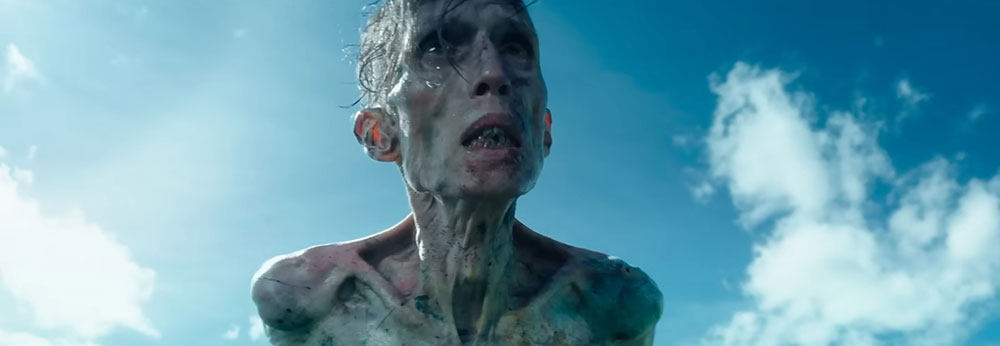
The film is a technical marvel, with every element contributing to its emotional potency.
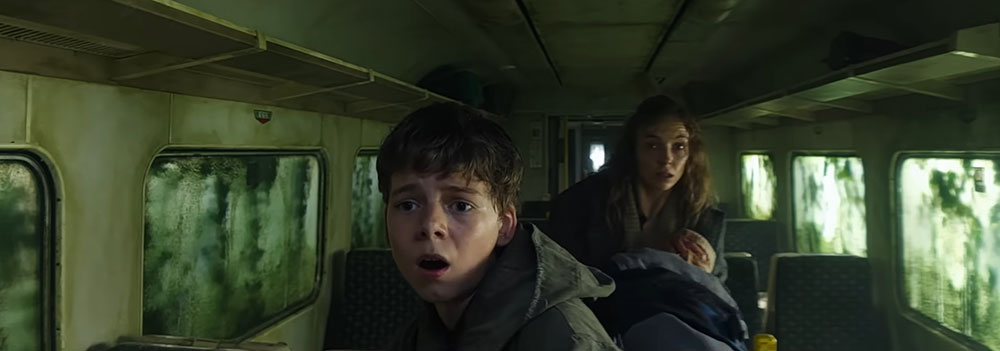
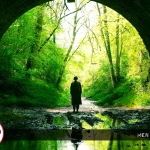
Boyle’s direction is hauntingly lyrical. Sweeping vistas of immaculate countryside are juxtaposed with rotting churches and silent city streets, creating a visual poem of desolation and reluctant beauty.
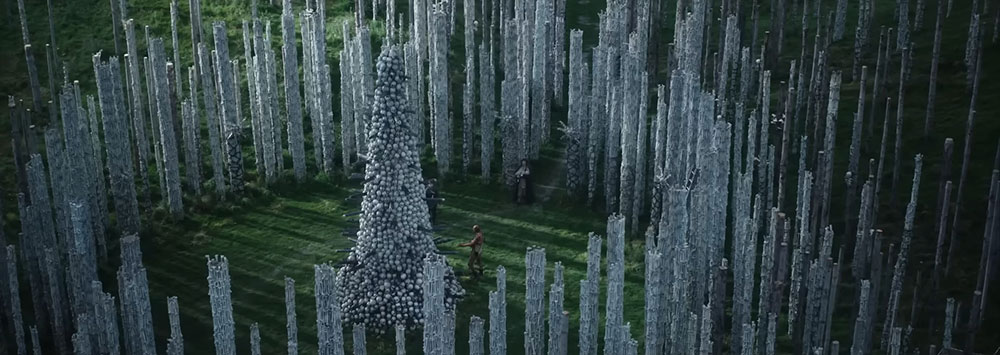
This dichotomy is most powerfully embodied in Ralph Fiennes’ role as a mainland doctor who has turned his remote outpost into a kind of reliquary for the dead—a bone temple that is both grotesque and reverent, simultaneously horrific and yet strikingly beautiful (both visually and metaphorically).
The masterful editing and frenetic-yet-fragile pacing ensure that the film never becomes laborious, even as it lingers in quieter moments. John Murphy’s captivating score swells at just the right emotional cues, blending horror with heartbreak.
28 Years Later may frustrate audiences expecting a relentless survival thriller. It’s contemplative, occasionally meandering, and emotionally raw. But that’s precisely its strength. It’s a film about death, but also about what it means to live.
28 Years Later is a truly remarkable film that balances heart-pounding horror with profound thematic depth, serving as a testament to the power of storytelling that can both thrill and provoke thought.
Overall Rating (Out of 5 Butterflies): 4







Follow Us!