

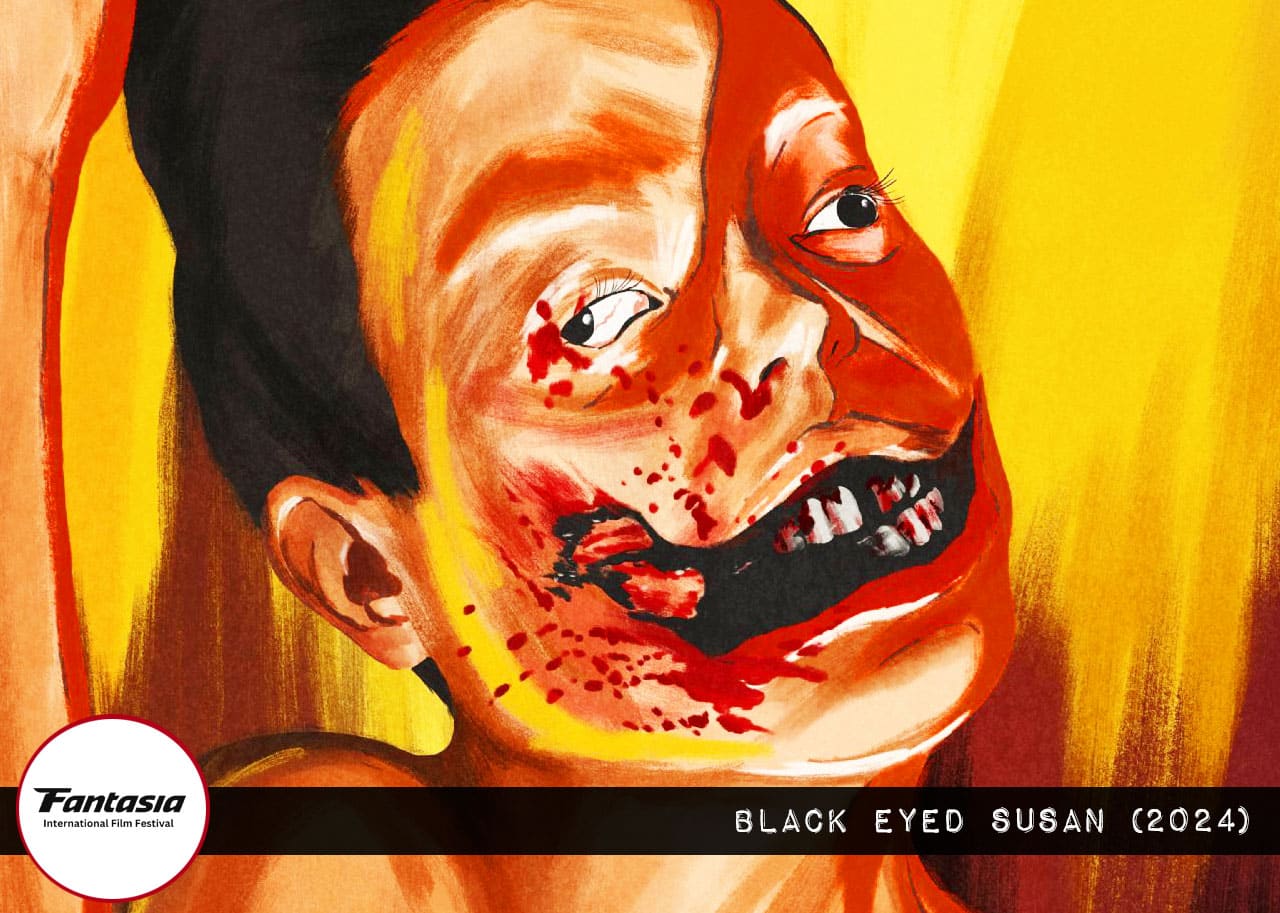
Anyone with a conscience will be disturbed and disgusted by “Black Eyed Susan” — but that doesn’t mean it’s not smart, artful, and riveting.
No time to read? Click the button below to listen to this post.
Before receiving the screening link for Black Eyed Susan, the long-awaited return of subversive filmmaker Scooter McCrae, I was gifted an in-depth overview of the film’s darker themes, ensuring I understood what I was getting myself into.
Few things are more infuriating than reading a critical review of a film that gets skewered because the reviewer is turned off by the content — like when mainstream critics trash horror movies because they find gore and violence distasteful or when fans dismiss slow-burning psychological horror films as dull and unscary because they lack more visceral thrills.
My job as a critic is not to convince you that my opinion of a film is right but rather to help you self-select and determine if a movie is likely to resonate, given your preferences and sensibilities.
Some of my favorite films are intensely polarizing, even controversial. I believe art is at its best when it provokes — when it makes you think, question, and confront dark truths about human nature.
If you’re the kind of moviegoer who craves simple escapism and unfettered entertainment, Black Eyed Susan is undoubtedly not for you.
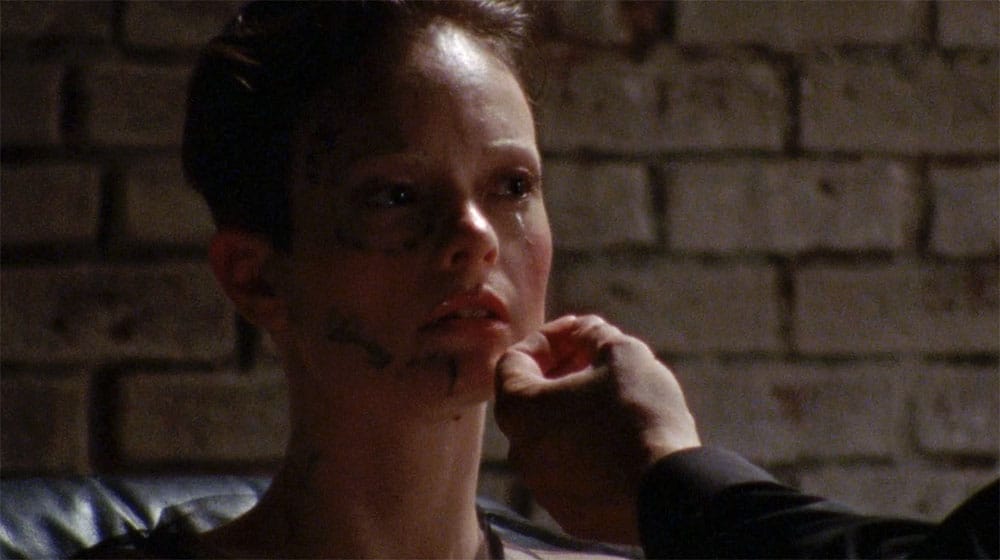
It’s a purposely difficult watch that’s challenging and stomach-turning from the opening frames. Many viewers will be too disgusted with the shocking subject matter to derive any viewing satisfaction from the unfolding narrative.
What makes Black Eyed Susan so disturbing is its unflinching deconstruction of toxic masculinity and the portrayal of very real-world violence against women and the more vulnerable members of society.
This isn’t a film that builds slowly to its shocking reveals, taking time to nurture you before forcing you into its darkest recesses.
BLACK EYED SUSAN comes out of the gate swinging, pulling zero punches, and making anyone with a pulse squirm in their seat with a brutal opening salvo.
An almost entirely nude woman sits on a couch while an intensively aggressive man berates her relentlessly. After hurling a tirade of deeply misogynistic insults, the confrontation escalates to uncomfortable violence, culminating in a degrading sex scene.
The impact of this sadism is hardly diminished when another man finally enters the room to congratulate the man, Alan (Scott Fowler), on his work, making it clear that the woman dubbed Susan (played by non-binary actor Yvone Emilie Thälker) is a hyper-realistic AI sex doll purposely designed to endure and appreciate intense physical abuse — complete with realistic bruising and bleeding.
The inventor, tech genius Gilbert (Marc Romeo), tells Alan it’s time to take the research to the next level. He offers Alan a plush pad to stay at while he cohabitates full-time with the doll that they “affectionately” refer to as Black Eyed Susan.
After Alan’s suicide, a mutual friend of Gilbert and Alan, Derek (Damian Maffei, The Strangers: Prey at Night, among many other genre titles), is brought in to continue Alan’s work, which involves repeatedly testing Susan’s reaction to suffering. Derek approaches the questionable gig with understandable caution and discomfort.
Still, the money and perks are too good to pass up for the desperate man living out of his car and dumpster diving for food, and he can’t deny that Susan is attractive.
One could hardly blame you if you’ve already decided Black Eyed Susan is not for you.
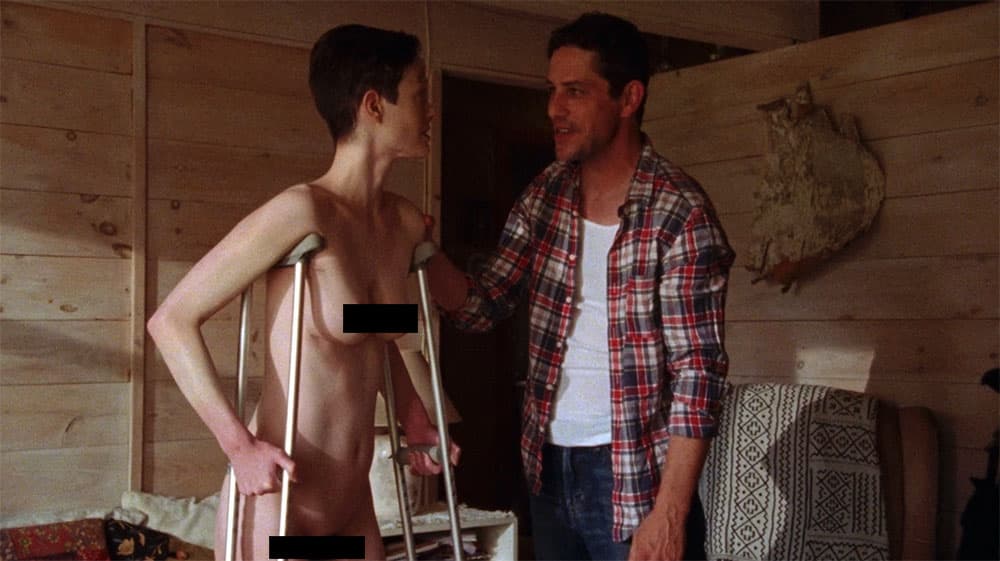
The setup alone tests the constitution of even the strongest viewer, and it doesn’t get better from there. However, it does get infinitely more thought-provoking.
This isn’t a film reveling in man-on-woman violence for titillation. In an overtly sexual film with pervasive full-frontal nudity (Susan spends the vast majority of the film completely naked), it’s meant to evoke disgust.
Every frame of this film crawls under your skin, creating a gnawing sense of unease.
The line between exploitation and social commentary is often razor-thin, and it’s a topic of endless debate that we’ll never get a consensus on. Suppose you’re a filmmaker who shows acts of horrific violence against women to comment on the atrocities of those acts. Are you glorifying that violence as you attempt to deconstruct it? If horror is designed to reflect our deepest fears and most monstrous tendencies, should it have free reign to reflect those real-world horrors authentically?
I don’t have a good answer for you, only a personal opinion, but your own opinion on that matter will resoundingly shape your ability to appreciate — or not — what McCrae is trying to do here.
McCrae brilliantly pulls the rug out from under us when we realize the true crux of the film’s horror.
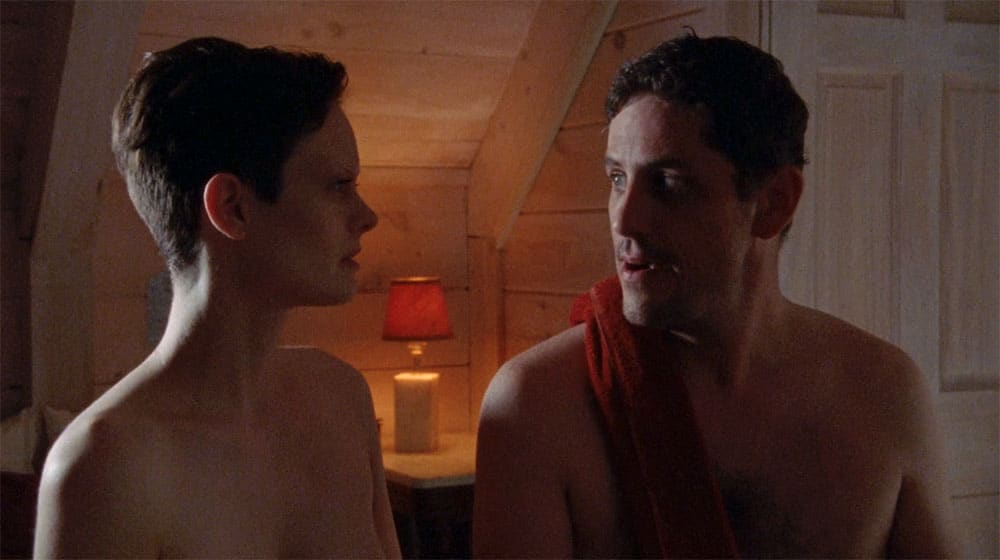
The renegade filmmaker goes out of his way to differentiate Derek from Alan, positioning him as someone with more moral integrity who is deeply troubled by the thought of abusing a woman, even a manufactured one.
But maybe, just maybe, it’s not his moral compass but his fear of being perceived in a negative light that’s holding him back.
He immediately requests that the woman researcher assigned to observe all interactions be removed because he can’t relax while he feels like another woman might be judging him for his actions.
In this way, McCrae explores the idea of performative allyship and the myth of the “good man” who may be a wolf in sheep’s clothing — a monster hiding in the light of day, waiting for the cover of darkness to come out and play.
As for Gilbert, his stated intentions are noble, claiming his dolls allow men to take out their aggressions and dangerous fantasies on a woman they can’t actually hurt, thereby preventing more real-world abuse against women.
Gilbert understands all too well what makes men tick and how to craft Susan in a way that appeals most to their primal urges. He believes he’s tapping into innate human desires.
McCrae adeptly makes us believe it, too, and it’s utterly devastating.
By the time the film’s biggest reveal rolls around, slamming into your gut like a 4-ton wrecking ball, you’ll be writhing on the hook and begging for release.
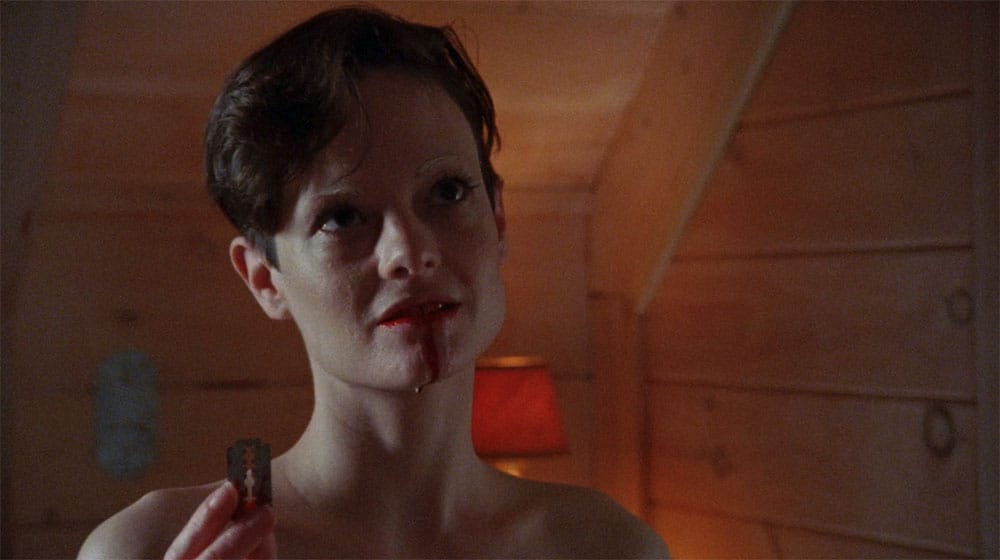
Maffei and Thälker deliver fearless, deeply vulnerable, compelling performances.
Thälker is brilliant, displaying an uncanny blend of strength and vulnerability. They deliver dead-eyed believability as an artificial woman while infusing Susan with enough humanity to make viewers flinch and recoil every time she’s smacked around and violated.
Thälker’s performance makes you question what makes us human as Susan effortlessly mimics human behavior and expresses human emotions, whether she genuinely feels them or not.
Maffei exudes earnestness as Derek, a man tortured by his conscience who wants to do the right thing. Yet, he never lets you forget that a wolf may always be knocking at the door.
If the right conditions are met, away from prying eyes with a free pass to indulge in any urge, is Susan truly safe around a “good man”? Is any woman?
Aided by a stunning original score by legendary Italian composer Fabio Frizzi (The Beyond, Zombie, City of the Living Dead) and shot on sumptuous Super 16mm film, Black Eyed Susan may sound like torture porn, but it feels like art.
Yes, it’s intentionally nasty, vulgar, and hard to watch. But it’s also profoundly provocative and intensely gripping.
It’s an understatement to say it won’t be for everyone, but sincerity permeates every frame of the film, resulting in an uncomfortable but engaging watch that demands to be discussed after viewing.
Overall Rating (Out of 5 Butterflies): 4






Follow Us!