Fantasia 2024: The Tenants (Seiibja)


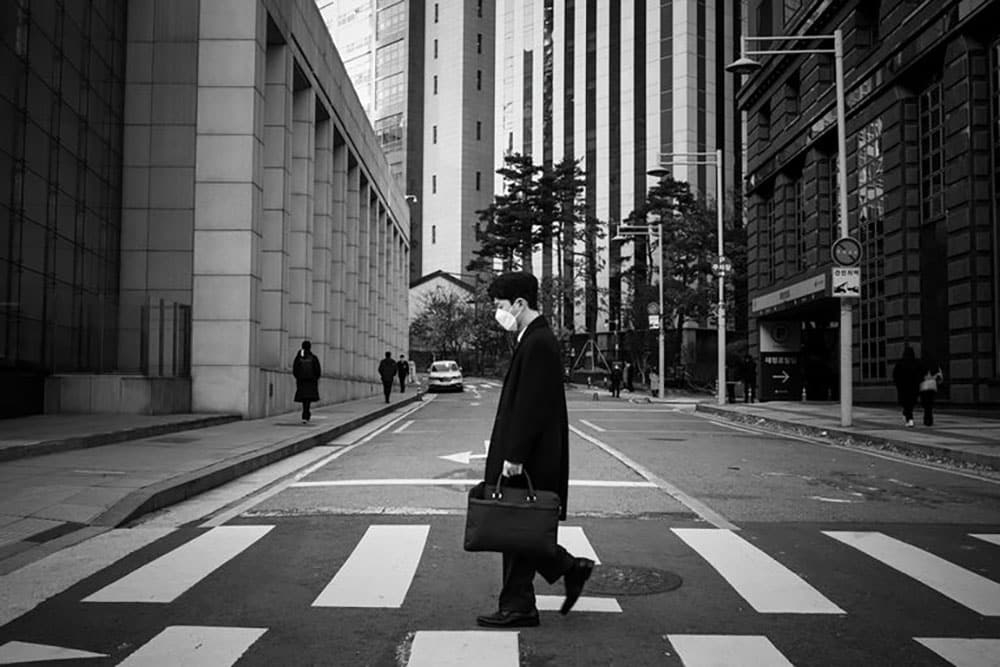
The most unnerving aspect of Yoon Eun-Kyoung’s impressive directorial debut is how painfully relevant it feels, despite its loving embrace of absurdism to tell a bleakly allegorical tale of fatalism and despair.
They say money is the root of all evil, which certainly makes capitalism a most vile and insidious monster, eager to consume its victims with cruel indifference. It promises a dream, one that seduces us into willingly sacrificing ourselves. It demands we serve it to the point of exhaustion and offers little in return for our efforts beyond mere survival.
In a time of mass layoffs, inflationary price increases, and stagnant wages, it seems the best a dedicated worker can hope for is to remain temporarily useful to his wealthy overlords, painfully aware that he is ever expendable at the drop of a dime.
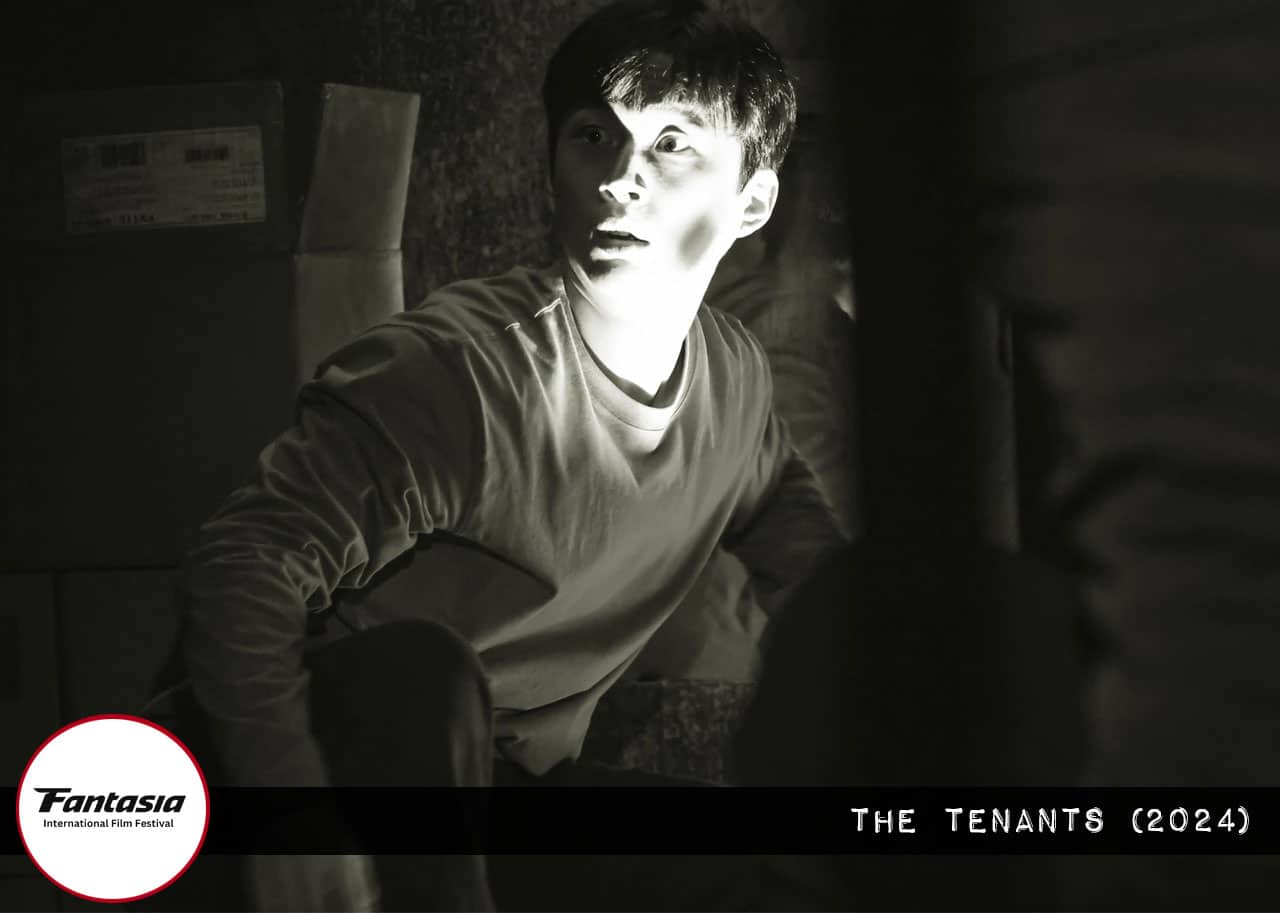
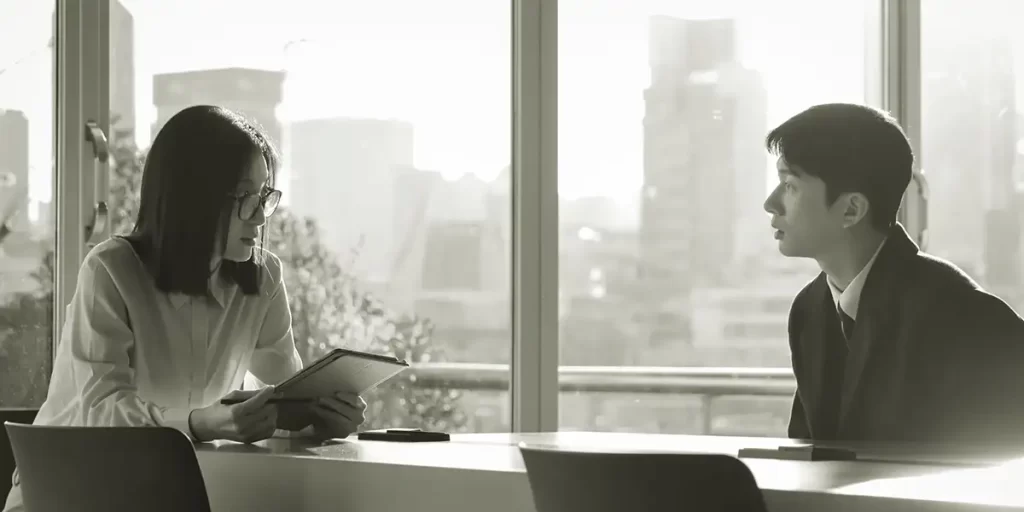
Shot in striking black-and-white, The Tenants blends social commentary, existential dread, and dark humor to create a mesmerizing exploration of modern urban alienation and the crushing futility of chasing the corporate dream.
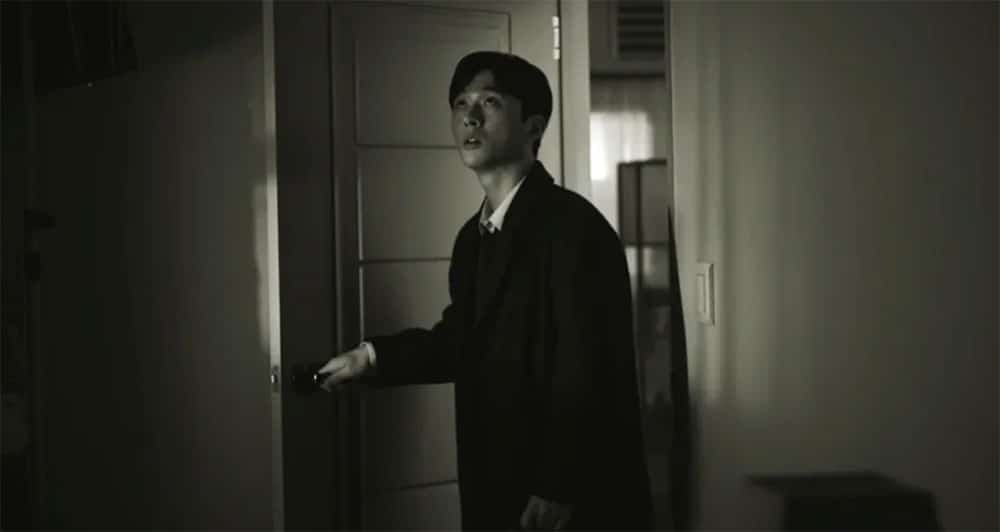
He’s trapped like a rat in a cage, living in near-future Seoul, which has become so overcrowded that the air pollution causes physical illness and the housing market is desperately dire.
His only hope of escape is a highly competitive promotion at work, which offers a coveted apartment in a sustainable sector with clean air and ample natural resources.
Shin-dong begins the film lying in bed, staring wistfully at a picture of the ocean shore hanging on the wall — one of the only personal touches in his drab, sparsely decorated apartment. While looking at the picture, he can hear the ocean waves and feel the cool breeze on his face. It’s his lighthouse in the storm, offering hope for a better life.
Through voiceover narration, we get a clear picture of how lonely and depressing his life is, devoid of relationships and meaning.
His tyrant of a landlord is a petulant child who is eager to kick Shin-dong out so he can remodel and bring in wealthier tenants. By making Shin-dong’s landlord an actual prepubescent, we get a funny but scathing satire of class disparity. While the lower class struggles daily to make ends meet without ever getting ahead, in a Sisyphean effort, the wealthy inherit the kind of head start that ensures they can never lose.
The game is rigged, and some people like Shin-dong are just born to lose.
Desperate to keep his shitty apartment, he takes advantage of a government program that incentivizes renters to sublease a room in their home.
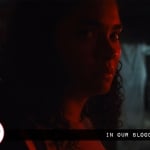
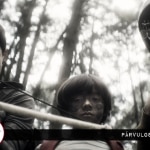
After putting an ad online, he’s immediately contacted by a strange couple eager to move in. Even more odd than their uncanny valley appearance is their insistence that they move into Shin-dong’s cramped bathroom rather than his much more spacious and comfortable living room.
The increasingly odd behavior of the strange man in the double-feathered cap and his perpetually smiling wife would be troubling enough, but his off-putting tenants have just subleased Shin-dong’s ceiling space (accessed through his bathroom) to another tenant without his permission, thanks to another government loophole.
This mystery woman seems to have taken a concerning interest in Shin-dong — watching him while he sleeps and stealing his personal photos.
As Shin-dong navigates his increasingly surreal home life and oppressive corporate landscape, he discovers the true cost of chasing the elusive promise of stability and success.
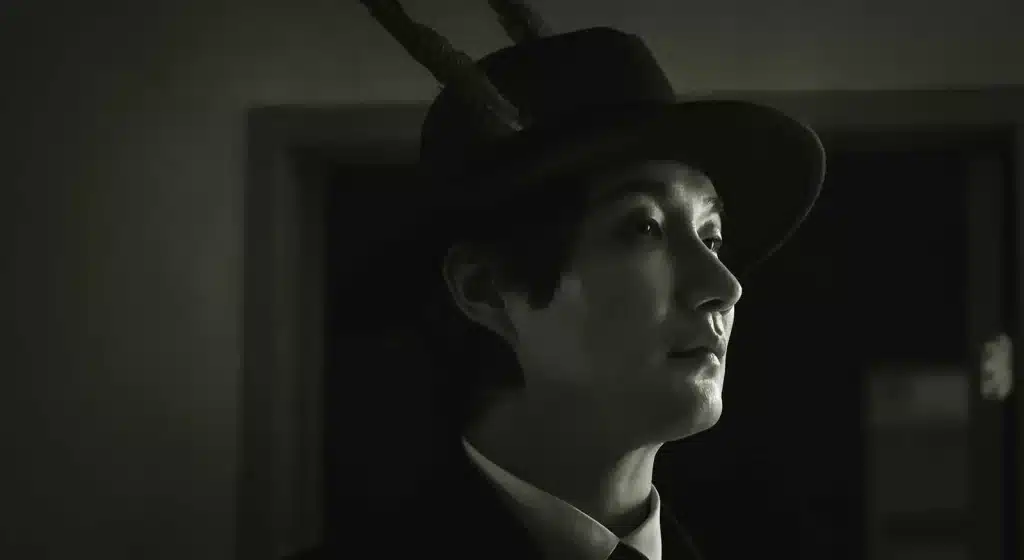
The stark cinematography transforms Seoul into a dreamlike, often nightmarish landscape where hope seems to have been drained away along with color.
The film’s minimalist approach works to its advantage, allowing the atmosphere and performances to carry the weight of its themes. Yoon uses the stark, sparsely decorated settings to amplify the sense of isolation and futility.
The film’s tension builds methodically, ramping up to a thrilling and unsettling finale. Yoon deftly balances creeping unease with absurdist humor, creating an eerie atmosphere that keeps viewers off-balance throughout.
Yoon explores how socioeconomic status becomes a crushing weight, with characters constantly aware that there’s always someone worse off – a chilling reminder that things can always get bleaker. The film’s depiction of overcrowded, hyper-competitive Seoul feels eerily prescient, tapping into very real anxieties about urban living and economic instability.
Shin-dong’s tiny apartment becomes both a prison and a sanctuary, representing the suffocating pressures of conformity and the desperate need for personal space.
While comparisons to Bong Joon-ho’s brilliant Parasite are inevitable due to shared themes of class struggle, The Tenants carves its unique path. Yoon’s film leans more heavily into surrealism and horror, creating an uncanny atmosphere where everyday interactions feel slightly “off.”
Those seeking more traditional horror or a clear-cut narrative may struggle with the film’s ambiguity and focus on atmosphere over plot.
However, for those willing to immerse themselves in its bleak yet captivating world, The Tenants offers a thought-provoking and memorable cinematic experience.

She’s a lover, he’s a fighter. Together, they’re CHEER AND LOATHING. Tune in to hear your hosts, Stephanie (Cheer) and Casey (Loathing), clash over the films they love — and the ones they love to hate.
In this holiday extravaganza episode of Guilty Pleasures, join hosts Stephanie, Kelly, and our newest addition, Jonathan (Jack was tied up in tinsel and couldn't join us), as they unwrap the bizarre and unhinged world of holiday cinema. They dive into the depths of Elves, a film that's as chaotic as it is entertaining. It's a sleigh full of questionable decisions, diabolical dialogue, absurd plot twists, wildly offensive antics, and unhinged holiday mischief.
And that's not all! In the second half of the podcast, join your festive cinephile friends for a look at four more ”nutty as a fruitcake” holiday treats: A New York Christmas Wedding, Elf Bowling, A Medea Christmas, and Jack Frost. Plus, we each offer a bonus Christmas flick guaranteed to make you say, ”Ho, Ho, HO-LY Hell!”
Expect laughter, disbelief, and a spirited debate about what truly makes a movie a guilty pleasure. Don't miss this festive journey through the weirdest corners of holiday films!

Follow Us!