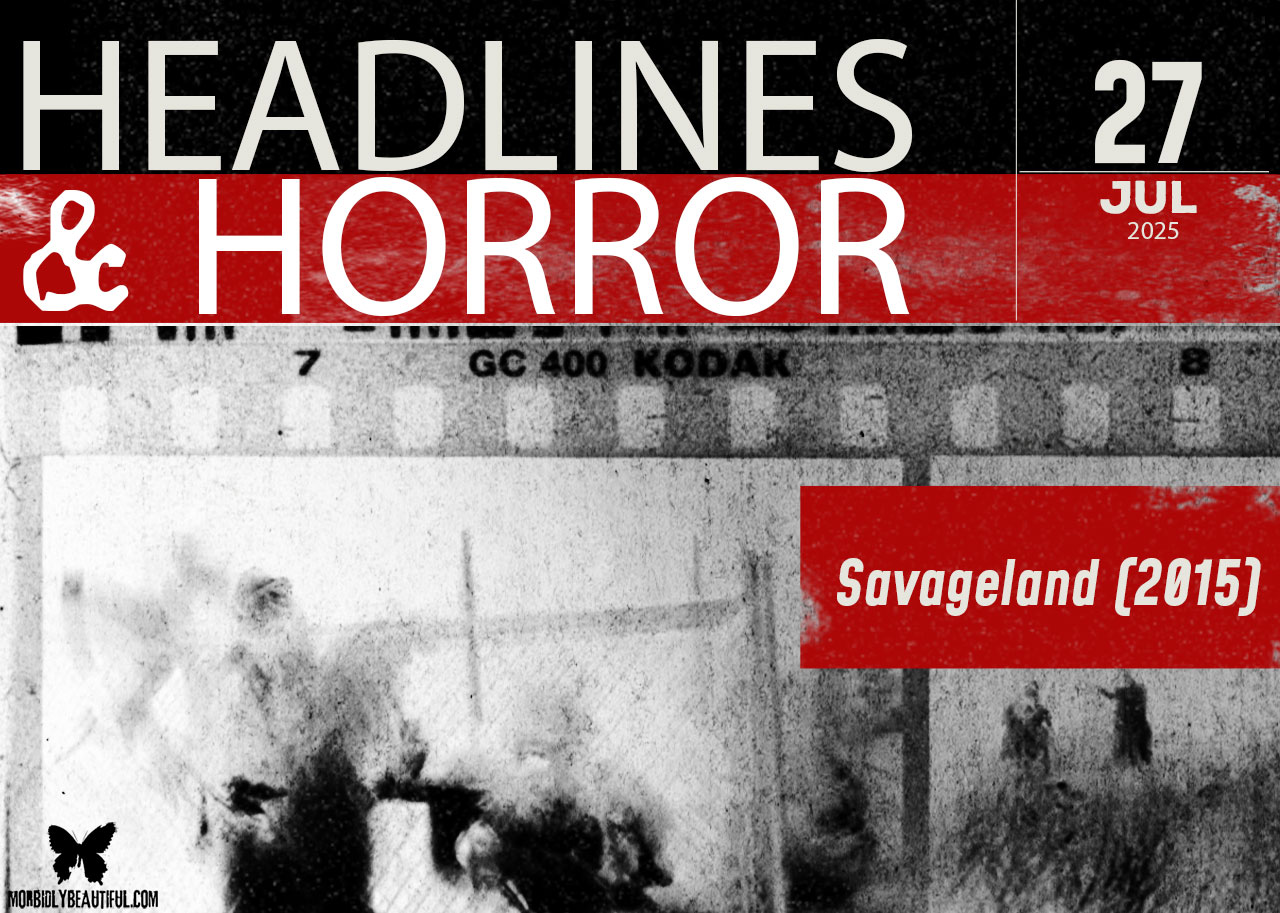
Headlines and Horror: Savageland (2015)


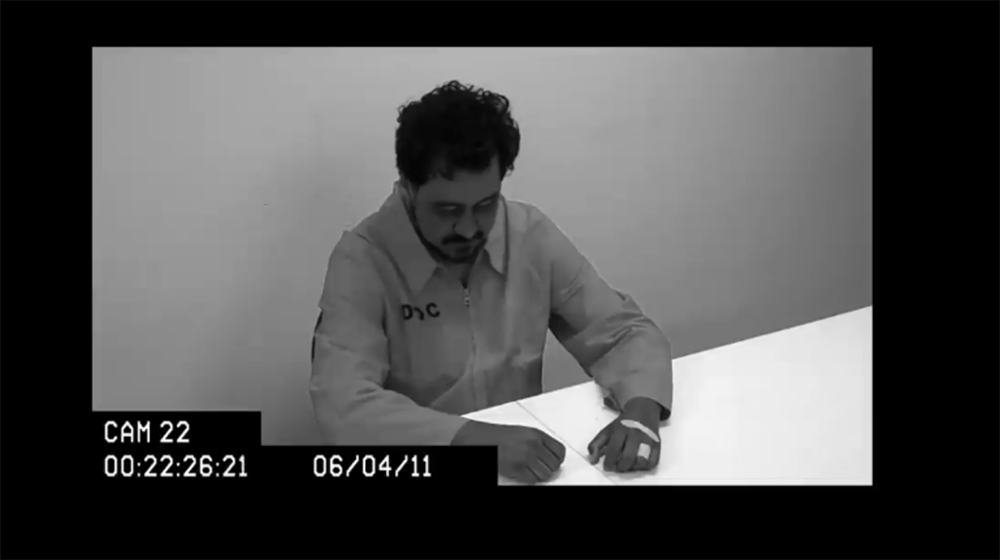

“He was easy to dehumanize.”
That single line, quietly delivered during an otherwise matter-of-fact interview, strikes like a blade. It’s the thesis of Savageland, a found footage film so grounded in realism, so uncomfortably familiar, that it almost ceases to feel like fiction at all.
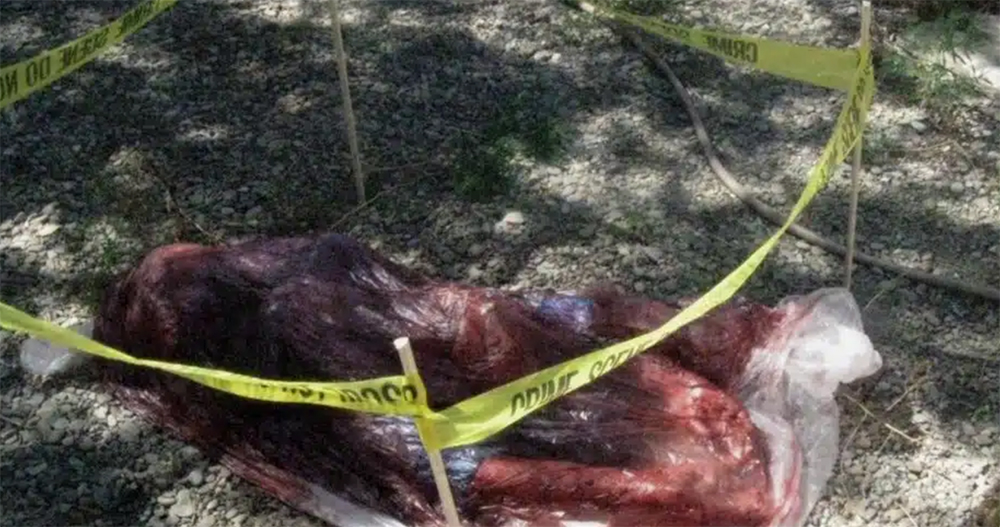
In a genre often associated with grainy camcorders, screaming in the dark, and last-second jump scares, Savageland chooses a quieter, more insidious form of horror. Shot in a mockumentary format with the clinical detachment of a true crime special, the film reconstructs the brutal overnight massacre of an entire border town, Sangre de Cristo, and the subsequent trial of its sole survivor, an undocumented Mexican immigrant named Francisco Salazar.
From the start, Savageland announces itself as different.
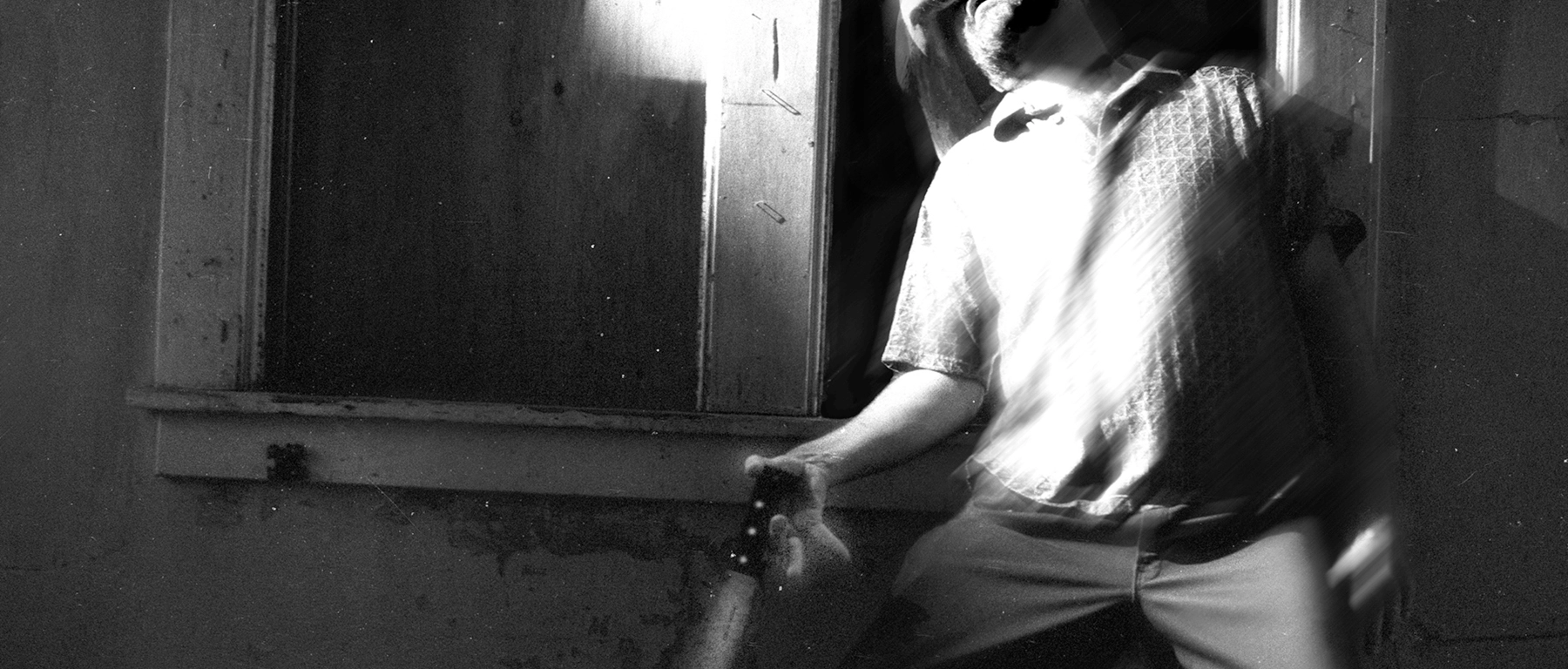
It foregoes the chaos of handheld footage in favor of still photographs: blurry, black-and-white images allegedly taken by Salazar during the massacre. These snapshots are fragmented, half-legible, and deeply disturbing. The story emerges in the negative space, in what isn’t captured. It’s a harrowing exercise in suggestion over spectacle, in restraint as revelation. What we don’t see becomes far more terrifying than any creature feature could muster.
And yet, the horror at the heart of Savageland doesn’t stem from the supernatural; it stems from us.
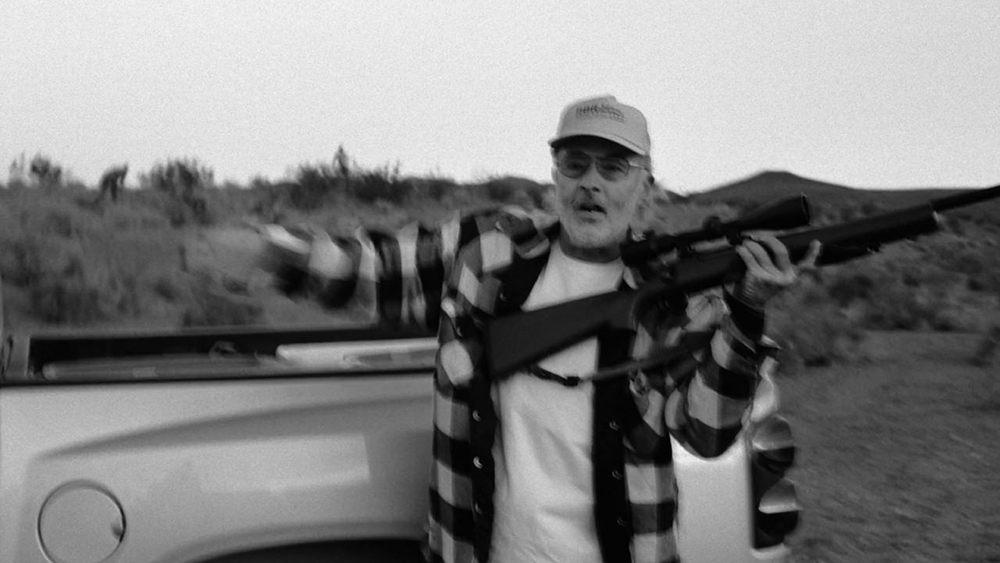
What makes Savageland truly horrifying is the ease with which society condemns a man like Salazar. The film was made in 2015, a year before border walls, ICE raids, and the politics of fear became headline news again. And yet, it’s eerily prescient.
The town of Sangre de Cristo may be fictional, but its pathology is painfully real: racial prejudice disguised as patriotism, justice perverted by bias, and the human tendency to fill in the blanks with monsters that look conveniently like “the other.”
Through a chillingly believable blend of talking-head interviews, police reports, and forensic analysis, SAVAGELAND builds a case—not just against Salazar, but against a system that was never designed to protect him in the first place.
His status as an undocumented immigrant is treated not as context, but as condemnation.
The brilliance of the film lies in how deeply it understands the mechanics of fear. It knows that fear of the unknown quickly curdles into hatred, that immigrants are often scapegoated not because of what they’ve done, but because of what people imagine they could do.
It doesn’t take long for the town to label Salazar a “savage,” thoroughly convinced the massacre is his doing, and the powerful photographic evidence he presents is mere fabrication. After all, who would believe a brown man with a camera over the comfort of a simple, racist narrative?
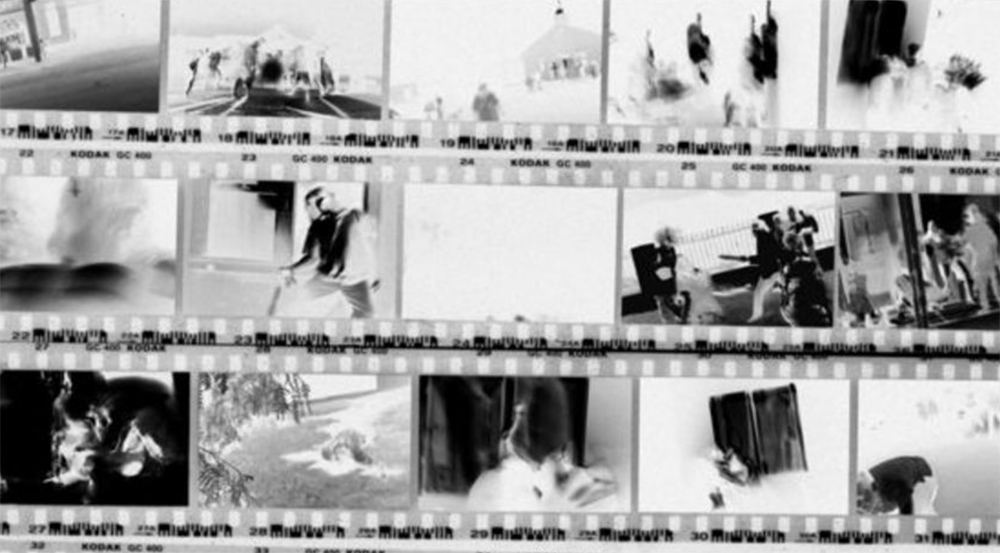
The court dismisses the photographs. The media amplifies the version of events that fits its own bias. The townspeople find solace in a clean conclusion, no matter how implausible. It’s not just a horror story; it’s a cautionary tale about how truth is not absolute, but curated—often by those with the loudest voice or the most privilege.
In this way, the film echoes real-world injustices, from wrongful convictions to police coverups to the vilification of asylum seekers.
It forces the viewer to question not just what happened in Sangre de Cristo, but what might be happening in our own communities, hidden under layers of “official” stories. Even the term “Savageland,” a nickname locals use for the town’s immigrant-heavy district, speaks volumes. It’s not just offensive; it’s erasure. It reduces a culture to chaos, a people to violence, and in doing so, it justifies any atrocity committed against them.
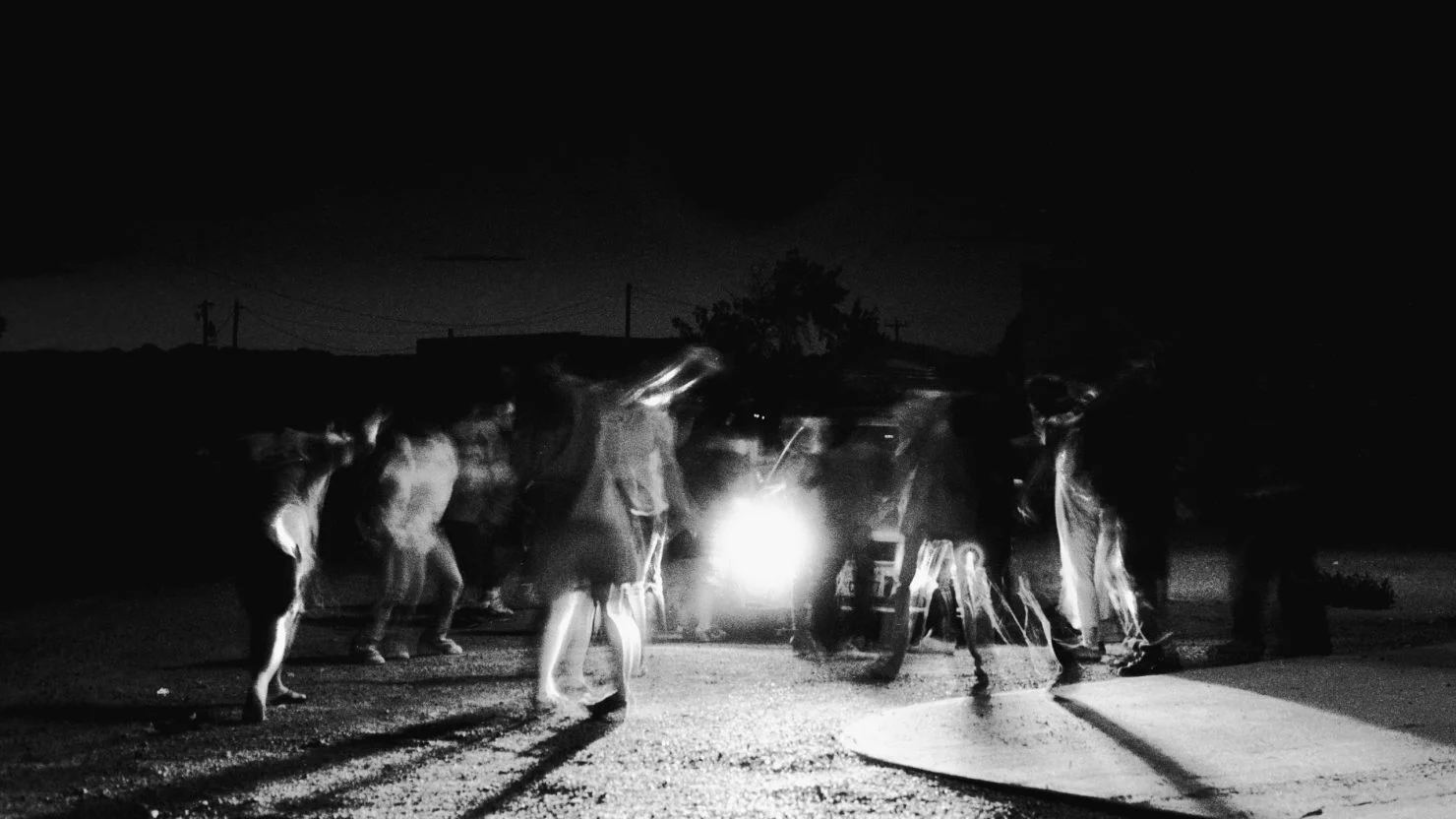
Savageland transcends its genre. It’s a found footage film where the only thing shakier than the evidence is the public’s faith in an immigrant man’s humanity. It’s a fictional story with a nonfictional soul, one that cuts straight to the bone of American fears and the real-life horror of systemic injustice.
Its power lies not just in the ghosts it conjures, but in the human lives it refuses to let us ignore. And its genius lies in its ability to disturb on multiple levels.
Visually, its use of still photography and spatial mapping creates a grim sense of realism. Psychologically, it taps into collective anxieties about borders, identity, and the fragility of justice. Sociopolitically, it speaks volumes about who we believe, who we fear, and who we are willing to sacrifice to feel safe.
In an era where ICE raids break families apart, where the National Guard is deployed to suppress peaceful protests, and where officials propose putting migrants in literal cages or shockingly inhumane “Alligator Alcatraz” detention islands, Savageland is not just timely… It’s urgent.
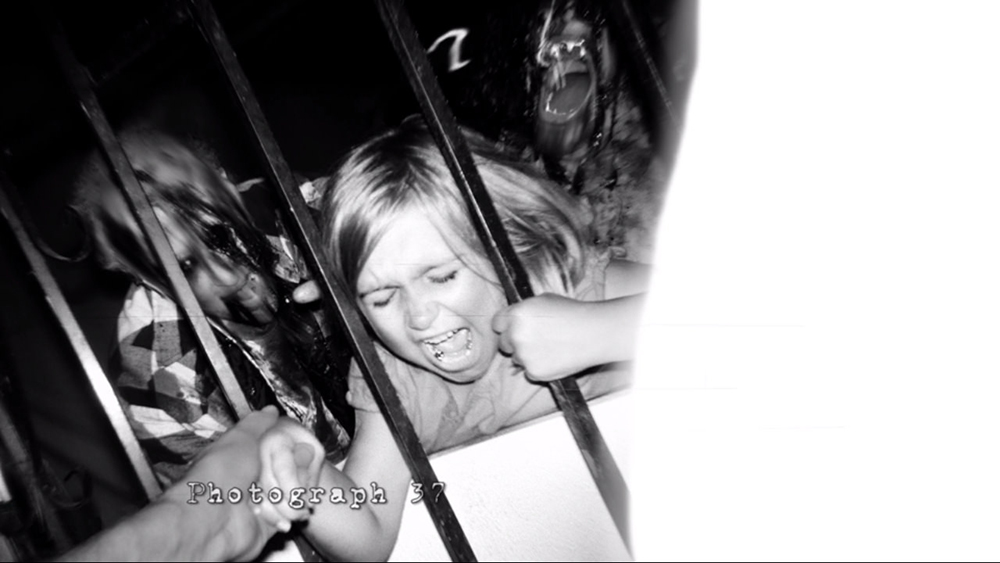
Even stripped of its sociopolitical context, Savageland stands as one of the most chilling and immersive entries in the found footage canon.
You don’t have to be invested in its deeper messages to be rattled by its stark realism, creeping dread, and that unforgettable, nightmarish climax. It functions masterfully as a horror film first—one that feels eerily plausible and expertly constructed, in the same rarefied air as Lake Mungo or The Poughkeepsie Tapes. This is found footage done right: restrained, haunting, and unsettling in all the right ways.
But if you are the kind of viewer who welcomes deeper meaning with your scares, Savageland rewards you with an added layer of horror.
It’s the kind of horror that lingers long after the credits roll, because it’s rooted not in fantasy, but in the uncomfortable realities we live with every day. It leaves you not only chilled, but complicit.
It forces us to reckon with how quickly we believe in monsters, especially when they look like someone we’ve been taught to fear.
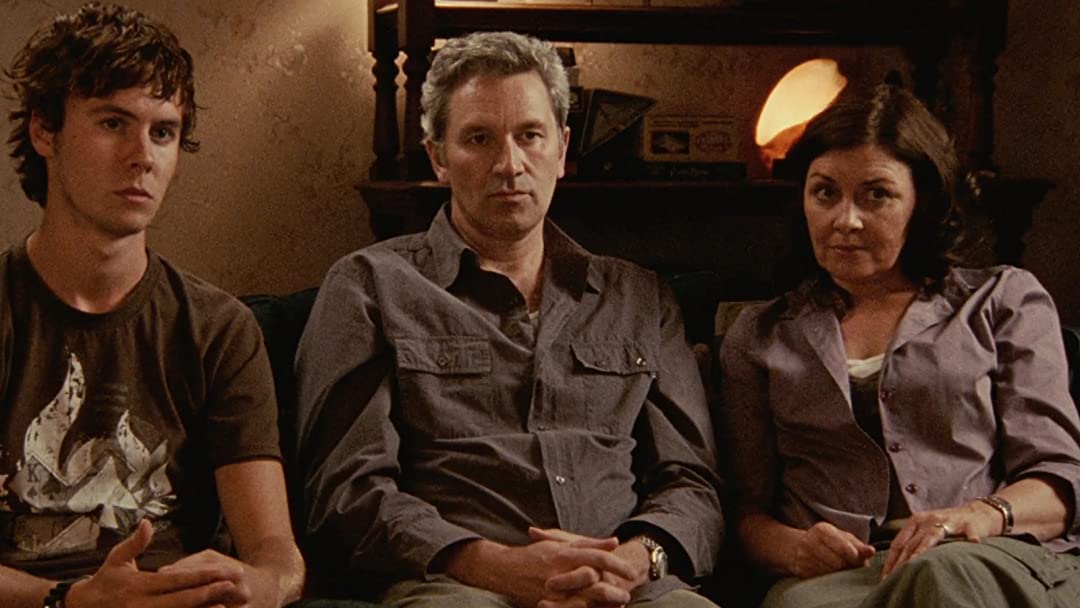
If Savageland leaves you haunted by its blend of social critique and slow-burn terror, here are a few equally unsettling cinematic companions that explore the horrors of prejudice, wrongful accusation, and the monstrous power of narrative.
A southern gothic fever dream where religious extremism and mob mentality turn a community against the innocent. Robert Mitchum’s preacher may be the villain, but it’s the town’s blind faith that delivers the real terror.
A grieving family reconstructs their daughter’s death through interviews, videos, and eerie still images, only to uncover secrets that may be better left buried. Like Savageland, it weaponizes realism and ambiguity to devastating effect.
A haunting and heartbreaking Mexican thriller that blurs the line between drama and horror. Following a mother’s search for her missing son at the U.S.–Mexico border, the film slowly transforms into a descent into real-world terror—where silence is enforced, bodies disappear, and violence hides behind bureaucratic indifference. It’s not a ghost story, but it feels like one.
A notorious mockumentary about a serial killer who documented his crimes. What it lacks in subtlety, it makes up for in unrelenting unease. If you appreciate Savageland’s faux-doc format and its use of media to manipulate belief, this one will twist that knife.
Set in post-revolution Tehran, this deeply layered ghost story uses supernatural horror to reflect on repression, surveillance, and a society eager to demonize women who don’t conform. It’s the perfect blend of political commentary and chilling tension.

She’s a lover, he’s a fighter. Together, they’re CHEER AND LOATHING. Tune in to hear your hosts, Stephanie (Cheer) and Casey (Loathing), clash over the films they love — and the ones they love to hate.
In this holiday extravaganza episode of Guilty Pleasures, join hosts Stephanie, Kelly, and our newest addition, Jonathan (Jack was tied up in tinsel and couldn't join us), as they unwrap the bizarre and unhinged world of holiday cinema. They dive into the depths of Elves, a film that's as chaotic as it is entertaining. It's a sleigh full of questionable decisions, diabolical dialogue, absurd plot twists, wildly offensive antics, and unhinged holiday mischief.
And that's not all! In the second half of the podcast, join your festive cinephile friends for a look at four more ”nutty as a fruitcake” holiday treats: A New York Christmas Wedding, Elf Bowling, A Medea Christmas, and Jack Frost. Plus, we each offer a bonus Christmas flick guaranteed to make you say, ”Ho, Ho, HO-LY Hell!”
Expect laughter, disbelief, and a spirited debate about what truly makes a movie a guilty pleasure. Don't miss this festive journey through the weirdest corners of holiday films!


Follow Us!