


“Peter Pan’s Neverland Nightmare” reimagines a classic with a chilling twist, delivering a dark, gory, and stylish descent into madness.
No time to read? Click the button below to listen to this post.
You have to admit it; creating an extended universe of sadistic killers inspired by beloved childhood characters is pretty brilliant.
The horror equivalent of comic book universes like the MCU, the Twisted Childhood Universe (created by Rhys Frake-Waterfield) exploits the innocence of our youth, subverting the sacred to create something most profane and deviously demented.
The highly anticipated Peter Pan’s Neverland Nightmare is the latest installment in the franchise of interconnected horror stories that gleefully savage the memory of now-public domain childhood characters like Winnie the Pooh (handled poorly in Winnie-the-Pooh: Blood and Honey and more competently in the sequel).
Written and directed by Scott Jeffrey, Peter Pan’s Neverland Nightmare fully embodies the twisted in the Twisted Childhood Universe (TCU) and delivers something significantly darker, more disturbing, and more compelling than I expected.
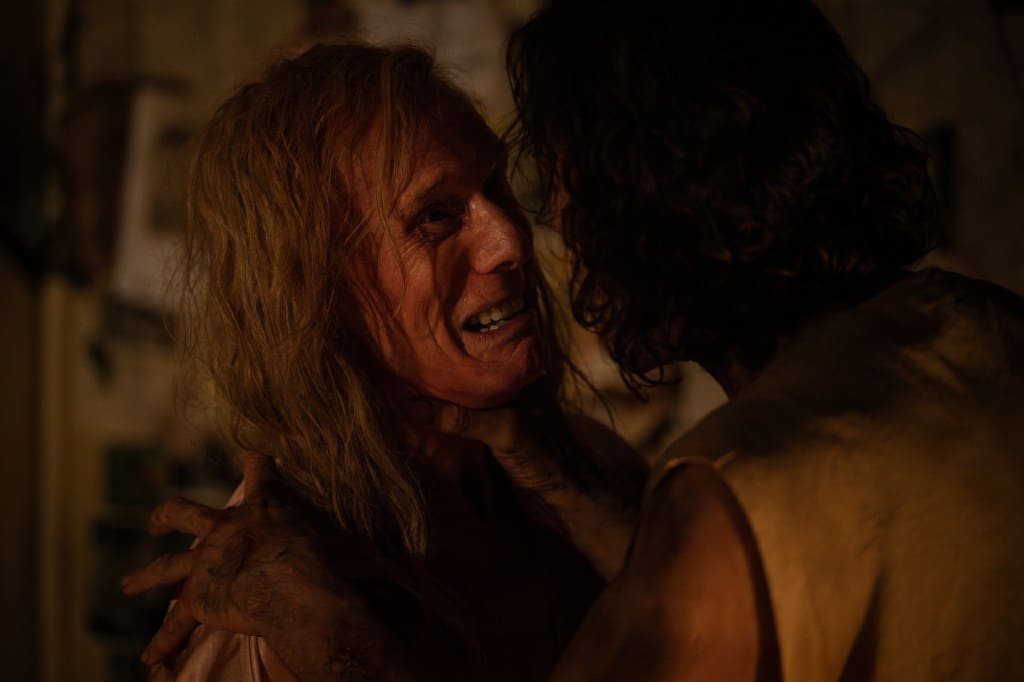
Playing like a grisly blend of Terrifier and The Black Phone—with a bit of IT thrown in for good measure, Neverland Nightmare portrays Peter Pan (Martin Portlock) as a disfigured, mask-wearing serial killer who uses at various times a clown costume, a red van, some balloons, and a childlike voice to lure his young victims to their doom.
The only clue the bereaved parents get is a creepy phone call letting them know their missing child is being taken to Neverland.
A captivating opening introduces us to pre-disfigurement Pan as a Joker-esque circus clown with malevolent intentions.
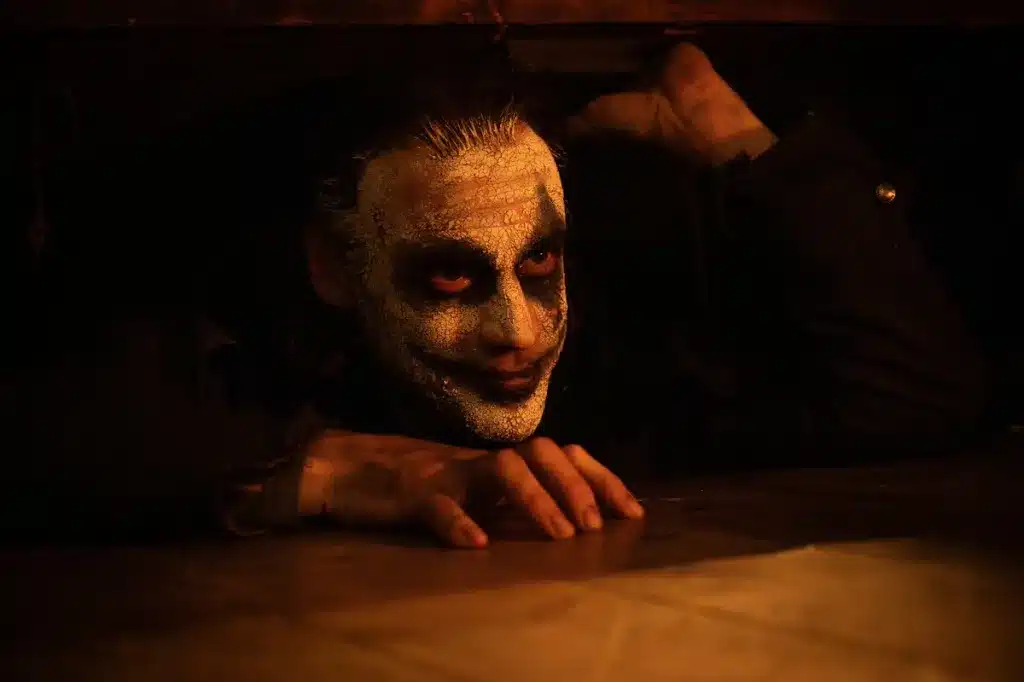
His arrival is followed by an early kill scene that sets the stage for the gnarly brutality of what’s to come—an effective (ahem) Hook for horror fans.
Fast forward fifteen years.
Peter’s latest victim is a sweet, shy young boy named Michael (Peter DeSouza-Feighoney). His older sister, Wendy (Megan Placito), is racked with guilt over Michael’s disappearance and risks everything to try and save him from a gruesome fate.
Along the way, we learn a little about Peter’s own tragic backstory, including his unnerving relationship with Tinker Bell (nonbinary actor Kit Green), the now-grown transgender man with severe Stockholm Syndrome who was once Peter’s first young victim.
Jeffrey, a producer of the TCU who played Christopher Robin in Winnie-the-Pooh: Blood and Honey 2, flexes his filmmaking chops, impressing with stylish direction and a real flair for creative visuals. Nifty animated sequences add a touch of twisted whimsy that’s pitch-perfect for this devilish storybook adaptation.
Neverland Nightmare is endlessly bleak and gritty, with a desaturated color palette that isn’t always pretty but creates an effectively macabre atmosphere.
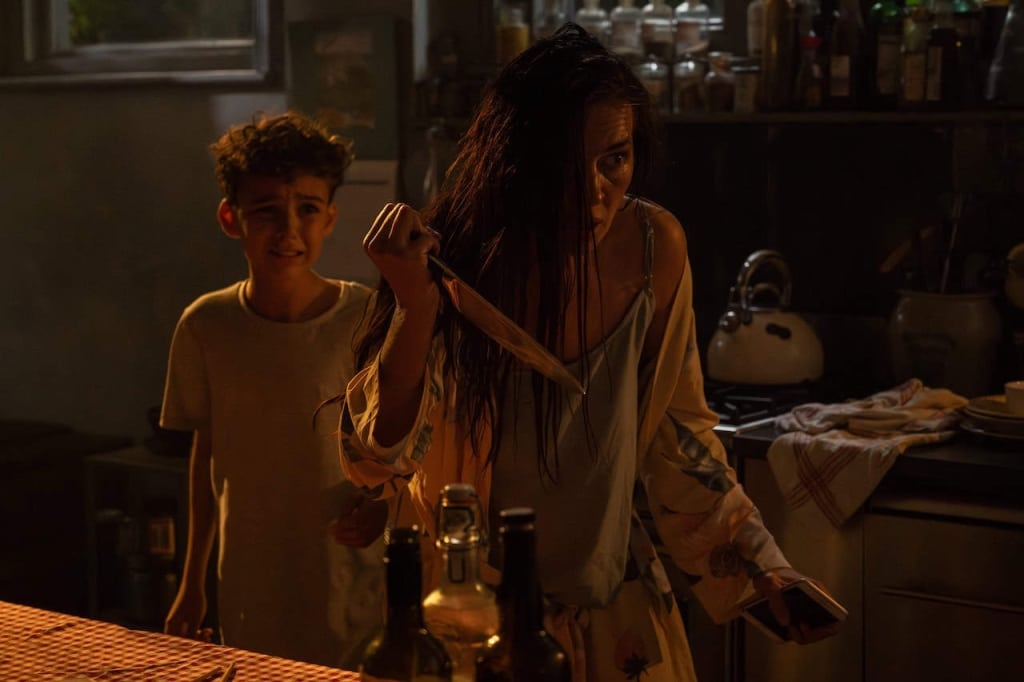
The performances are compelling. Portlock as Peter Pan is a nightmarishly chilling villain who I’m eager to see more of. Placito as Wendy and Green as Tinker Bell add an unexpected bit of emotional heft and help ensure the explosive final act is both visceral and lands with appropriate gravity.
Placito delivers as the kind of fierce but authentically vulnerable final girl audiences can’t help but root for, reminiscent of Lauren LaVera’s breakout performance in Terrifier 2 and 3.
Rapidly paced and perfectly timed at a lean 90 minutes, Neverland Nightmare aims to delight hardcore horror fans with a hefty amount of gore and sadistic kills that linger long enough to crawl under the skin. The practical, in-camera effects look fantastic.
It pulls no punches when it comes to its ultra-dark material, centered heavily around children in peril.
It doesn’t lean as hard into its B-movie camp as Winnie-the-Pooh, and I think it’s all the better for it. But some may prefer a more silly, tongue-in-cheek romp to this far darker and more nihilistic take.
Visually striking, exceedingly nasty, and surprisingly scary, Peter Pan’s Neverland Nightmare reaches into the dark heart of a childhood story and dials its creepy undertones up to an eleven for maximum impact.
Overall Rating (Out of 5 Butterflies): 3.5
PETER PAN’S NEVERLAND NIGHTMARE plays theaters for three days only, Jan. 13-15.





Follow Us!