


As tech has advanced, so has the ability to create ever more terrifying experiences, but the influence of early horror games is still felt.
The world of horror gaming, a genre beloved by millions, has its roots planted deep in the early days of video game history. Long before the high-definition graphics and immersive soundscapes of today, horror games were crafting their unique blend of fear and fun, leaving an indelible mark on the gaming landscape. This article delves into the early days of genre gaming, exploring the pioneers and innovations that paved the way for the spine-chilling experiences we enjoy today.
The Dawn of Digital Terror: The 1980s
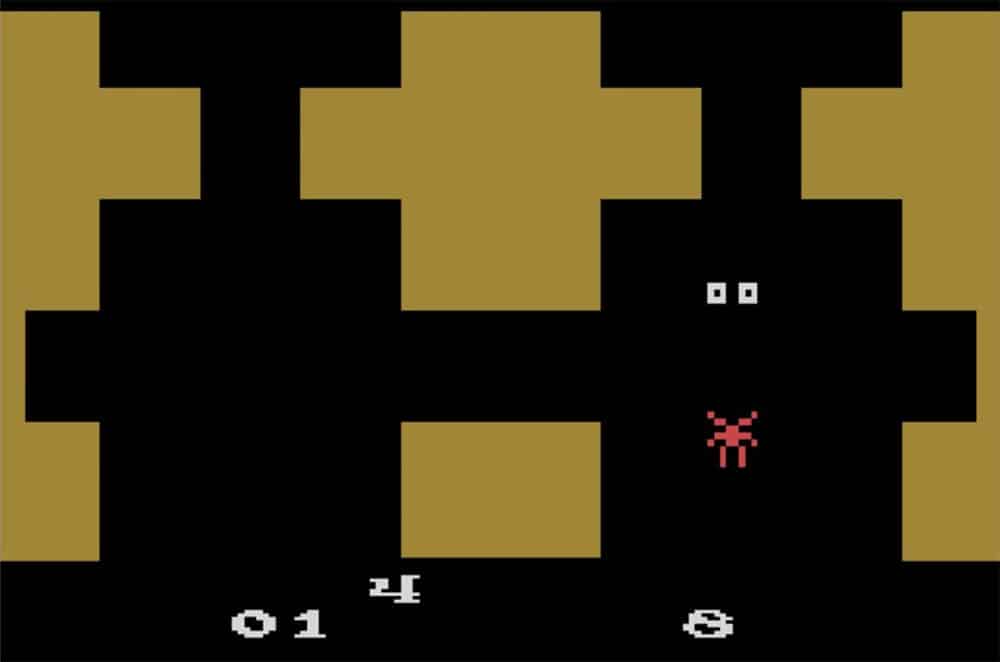
The 1980s were a formative period for horror gaming. At this time, the video game industry was still in its infancy, yet developers were already experimenting with ways to evoke fear in players. One of the earliest examples is “Haunted House” (1982) for the Atari 2600. With its simple graphics and limited sound, “Haunted House” may seem rudimentary by modern standards, but it was revolutionary for its time. Players explored a dark mansion, avoiding ghosts and searching for pieces of an urn to escape. The game’s use of darkness, with only the character’s eyes visible, and the eerie sound effects were groundbreaking in creating a tense, spooky atmosphere.
Another early pioneer was “The Texas Chainsaw Massacre” (1983), also on the Atari 2600. This game, based on the influential film, was one of the first to introduce players to a more visceral kind of gaming experience. Players took on the role of the chainsaw-wielding Leatherface, hunting down victims in a game that was controversial for its violent content. While its crude graphics and simple gameplay didn’t win over the masses, it marked an important moment in the evolution of horror gaming, showing that games could push boundaries and stir up emotions.
The Emergence of Survival Horror: The Late 80s to Early 90s
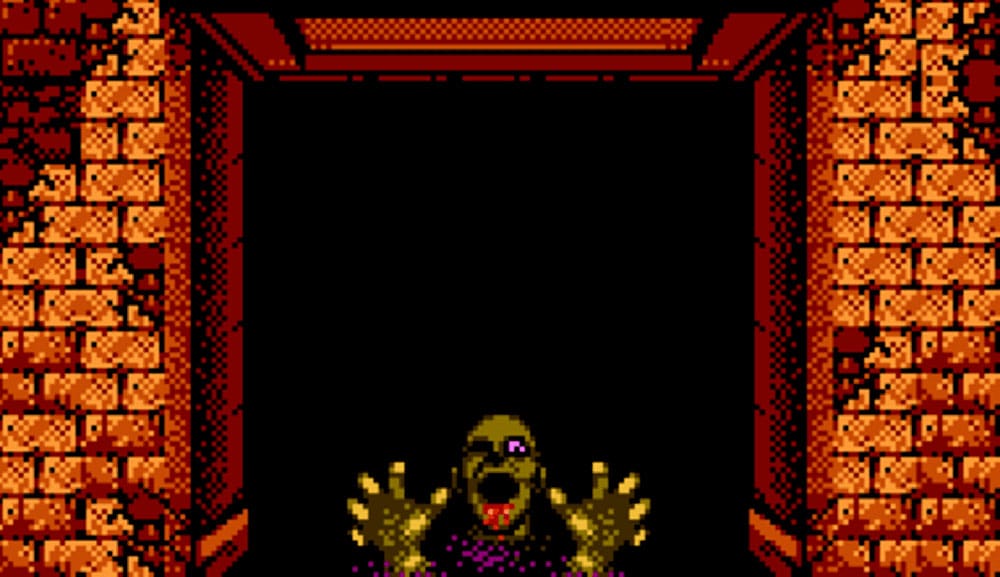
As the 1980s drew to a close, horror games began to evolve, with developers experimenting with more complex narratives and gameplay mechanics. This period saw the emergence of what would later be known as the “survival horror” genre.
One of the key titles from this era is “Sweet Home” (1989), a Japanese game for the Famicom, which never saw an official release outside of Japan. Developed by Capcom, “Sweet Home” is often credited as the progenitor of the survival horror genre. The game was based on a Japanese horror film of the same name and featured a group of characters exploring a haunted mansion. What set “Sweet Home” apart was its focus on resource management, puzzle-solving, and a foreboding atmosphere—elements that would later become staples of the genre.
Another significant title from this period is “Alone in the Dark” (1992). Developed by Infogrames, this game is widely regarded as one of the first true survival horror games. “Alone in the Dark” introduced players to a 3D world filled with Lovecraftian horrors, where combat was often a last resort, and survival depended on solving puzzles and uncovering the dark secrets of a haunted mansion. The game’s use of fixed camera angles, which heightened tension by limiting the player’s view, would later be emulated by many games in the genre.
During this period, many gamers immersed themselves in these terrifying worlds, often needing a break to calm their nerves. In today’s world, gamers look for entertainment that helps relieve tension after horror games, whether it be comedic films, funny cat videos, or other pleasant activities. Exploring online gaming options like Skrill Casinos, which offer convenient payment methods and a variety of games, can help alleviate stress and provide relaxation.
The Rise of Horror Icons: The Mid-1990s
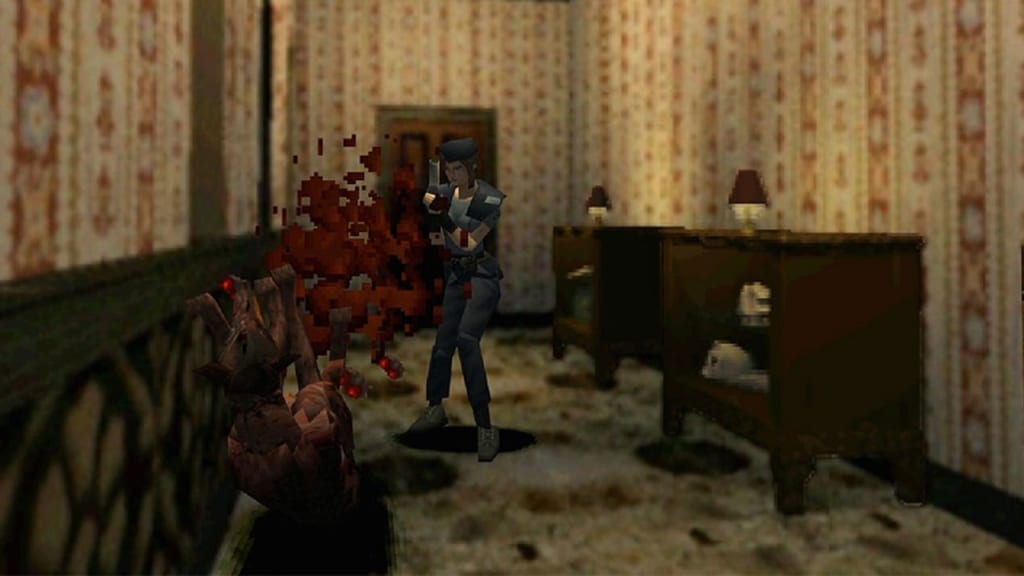
By the mid-1990s, horror games were gaining mainstream attention, with several iconic titles that would shape the genre for years to come. “Resident Evil” (1996), developed by Capcom, was a landmark title that popularized the survival horror genre worldwide. Set in the eerie Spencer Mansion, the game combined the exploration and puzzle-solving elements of “Sweet Home” with the 3D graphics and fixed camera angles of “Alone in the Dark.” “Resident Evil” also introduced the concept of limited ammunition and health, which added an extra layer of tension to the gameplay. The game’s success spawned a franchise that remains one of the most beloved in gaming history.
Another iconic game from this era is “Silent Hill” (1999) by Konami. While “Resident Evil” focused on external threats like zombies and monsters, “Silent Hill” delved into psychological horror, exploring themes of guilt, fear, and madness. The game’s fog-shrouded town, haunting soundtrack, and disturbing imagery created an atmosphere of dread that left a lasting impact on players. “Silent Hill” showed that horror games could be as much about what was unseen as what was visible and that the mind could be the most terrifying place of all.
Advancements in Technology: The Modern Era of Gaming
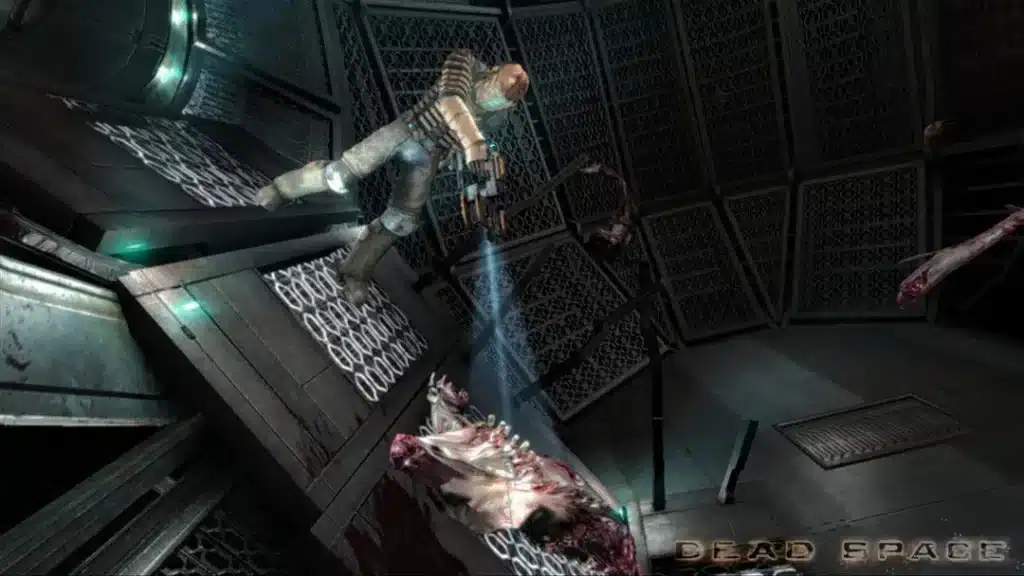
The advancement of technology in the 2000s and beyond brought about a new era of horror gaming. Improved graphics, sound design, and game mechanics allowed developers to create more immersive and terrifying experiences. Games like “Dead Space” (2008) and “Amnesia: The Dark Descent” (2010) utilized these advancements to deliver intense horror experiences that left a lasting impact on players.
The introduction of VR has further revolutionized horror gaming, providing a level of immersion that was previously unimaginable. Titles like “Resident Evil 7: Biohazard” in VR have pushed the envelope, allowing players to experience fear in a truly immersive environment. The use of haptic feedback and motion controls adds to the sense of realism, making the horror feel more immediate and personal.
Modern horror games have also explored psychological horror, delving into the human psyche and creating unsettling experiences beyond mere jump scares. Games like “Outlast” and “Layers of Fear” focus on the mental and emotional aspects of horror, using narrative and atmosphere to create a sense of unease and tension.
The narrative depth in horror games has increased significantly, with complex storylines and character development becoming more prevalent. This shift has allowed players to become more emotionally invested in the game, enhancing the overall horror experience. Games like “The Last of Us” and “Until Dawn” combine horror elements with strong narratives, creating compelling and memorable experiences.
The Future of Horror Gaming
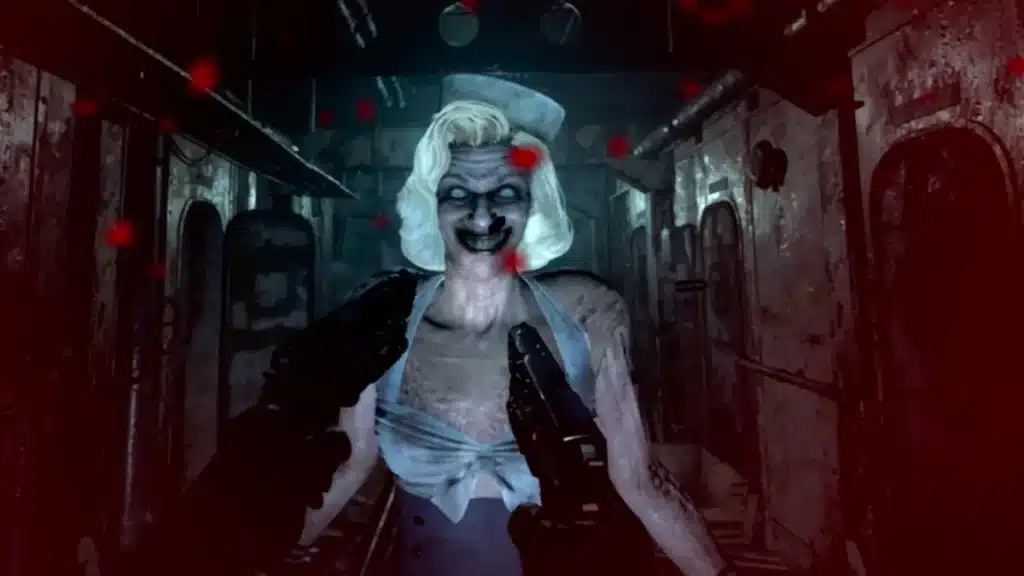
The future of horror gaming looks promising, with technological advancements pushing the genre forward. The potential for more realistic graphics, improved AI, and greater interactivity promises even more immersive and terrifying experiences. As developers continue experimenting with new technologies and storytelling techniques, the boundaries of horror in video games will undoubtedly expand.
Integrating augmented reality (AR) and mixed reality (MR) into horror games could also open up new possibilities, blending the real world with the virtual to create truly frightening experiences. Biometric feedback, such as monitoring heart rate and stress levels, could further personalize the horror experience, adapting the game to the player’s reactions in real-time.
The evolution of horror in video games has come a long way from its early days of simple graphics and basic gameplay. Today, horror games offer complex narratives, immersive environments, and innovative mechanics that engage and terrify players.
As technology continues to evolve, the future of horror gaming holds exciting possibilities, promising to deliver even more intense and memorable experiences for fans of the genre.











Follow Us!