


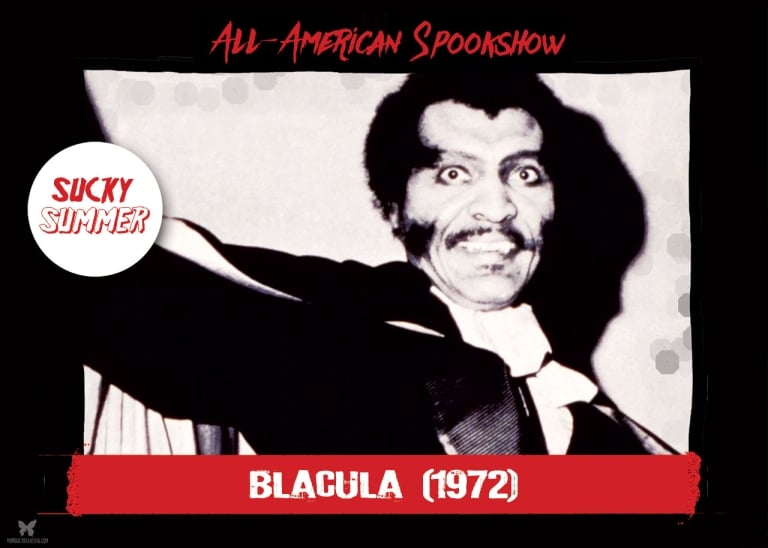
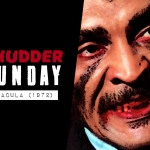
“Blacula” is an important genre film due to its cultural impact, innovative approach to classic horror tropes, and stellar lead performance.
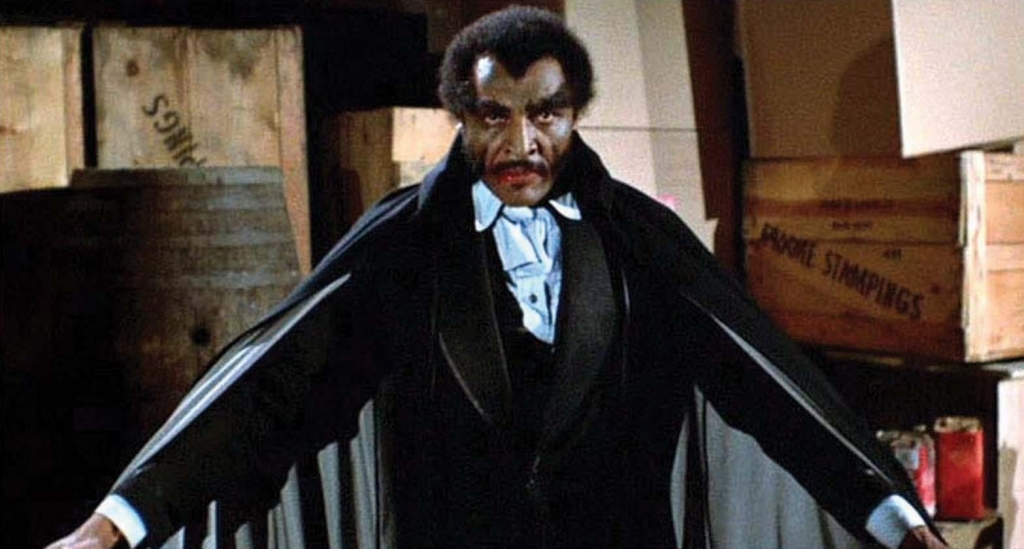
Our latest in the Cult Corner series also slides perfectly into our Sucky Summer tribute to vampire horror. It’s “Blacula” from 1972!
FROM THE EDITOR-IN-CHIEF:
Blacula is more than just a vampire film; it’s a culturally significant work that pushed the boundaries of both horror and black cinema in the early 1970s.
Blacula is one of the first films to blend the horror and blaxploitation genres, emerging during a time when African-American audiences were craving representation in cinema. The film was groundbreaking in its portrayal of a black vampire, providing a refreshing and empowering perspective compared to the traditionally Eurocentric vampire lore. It offered African-American viewers a horror movie hero who was not just a victim or side character but the central, complex figure of the story.
William Marshall’s portrayal of Prince Mamuwalde/Blacula is one of the film’s strongest elements.
Marshall, a classically trained actor, brought gravitas and depth to the role, elevating what could have been a campy or one-dimensional character into a tragic and dignified figure. His performance added layers of sympathy to Blacula, making him not just a monster but a tragic anti-hero, cursed by Dracula himself and seeking vengeance and love in a world that has changed dramatically from his own time.
Blacula offers a unique twist on traditional vampire mythology.
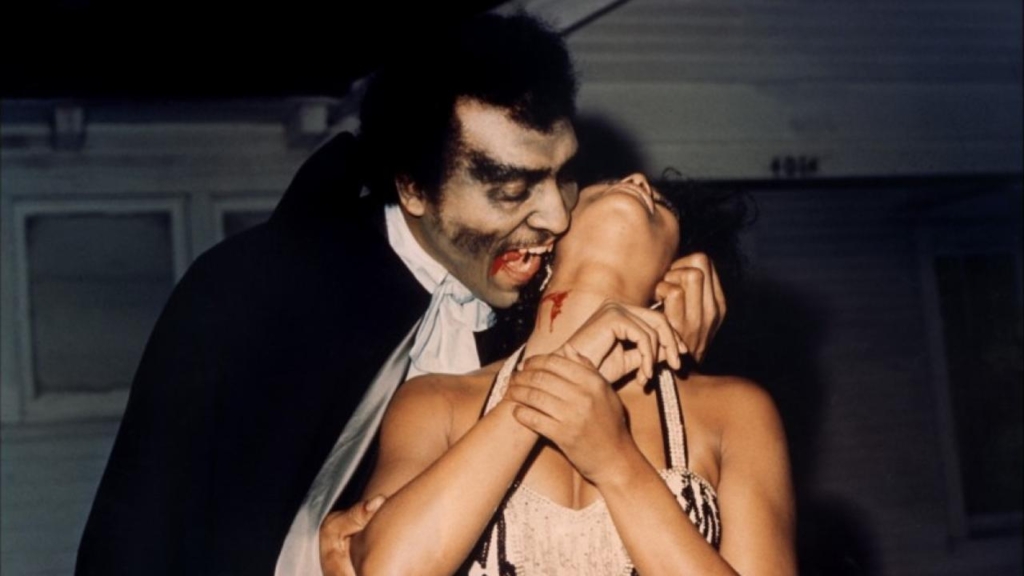
The character of Mamuwalde is not a European count but an African prince, adding a layer of historical and cultural depth to the narrative. The film connects his vampirism to the horrors of slavery, using the vampire metaphor to explore themes of racism, oppression, and displacement. This connection gives the film a socio-political edge that was rare in horror films of the time.
The film effectively blends the gothic horror elements typical of vampire movies with the stylistic and thematic elements of blaxploitation cinema. It features the gritty urban settings, funky soundtrack, and fashionable costumes characteristic of the blaxploitation genre while also delivering the suspense, supernatural elements, and scares expected from a horror film.
It spawned a sequel, Scream Blacula Scream (1973), and opened the door for more horror films with black protagonists.
Its campy yet serious tone, combined with its exploration of race and identity, has kept it relevant and appreciated by horror enthusiasts and scholars alike.
You can watch Blacula now on Tubi.
ABOUT THE SHOW
The Spookshow is a collection of guys (and, now, one incredible lady!) with varying degrees of Horror fandom. Since 2018, we’ve reviewed Horror, Cult, Action flicks, and, of course, total crap, so you don’t have to, but we encourage you to nonetheless. If you’ve listened to us before, thank you! If you’re new to our brand of stupidity, then welcome. We want you to enjoy watching these films with us; join us in having fun with them & learning about them as well.
Part of the Morbidly Beautiful Podcasting Network! Go to the all-new www.aaspookshow.com & join our Patreon for bonus episodes & content over at https://www.patreon.com/aaspookshow & follow us on Twitter @AASpookshow as well as Facebook, Instagram, TikTok, Slasher & our YouTube channel by searching All-American Spookshow Podcast. Email us at [email protected] with questions & comments, and be sure to leave us a 5-star review on Apple Podcasts & Spotify!
LINKS: https://linktr.ee/aaspookshow
Horror/Cult Movie Podcast & YouTube Channel!
Creature from the Black Lagoon (1954)
The ‘Universal Summer’ continues, as Donny picks another true horror classic, “Creature from the Black Lagoon” (1954)!
Part of the Morbidly Beautiful Podcasting Network! Go to www.aaspookshow.com & join our Patreon for bonus episodes & content over at https://www.patreon.com/aaspookshow & follow us on X @AASpookshow as well as Facebook, Instagram, TikTok, Slasher, Threads, Bluesky & our YouTube channel by searching All-American Spookshow Podcast.
Email us at [email protected] with questions & comments, and be sure to leave us a 5-star review on Apple Podcasts & Spotify!

Episode play icon
The ‘Universal Summer’ continues, as Donny picks another true horror classic, “Creature from the Black Lagoon” (1954)! Part of the Morbidly Beautiful Podcasting Network! Go [...]
July 6, 2026
Episode play icon

The nominees for the 2026 Fangoria Chainsaw Awards have been announced, so we decided to dive into the ballot and make some predictions! Go vote [...]
July 3, 2026
Episode play icon

The ‘Universal Summer’ continues, as Tiana picks one of the best ‘body horror’ flicks in recent years, “The Substance” (2024)! Part of the Morbidly Beautiful [...]
June 29, 2026
Search Results placeholder


Follow Us!