Plague Doctors and Papyrus: How Historical Epidemics Shaped the Gothic We Still Love

Let’s be honest; there’s something weirdly fascinating about plague doctors. That long-beaked mask? Straight out of a nightmare. And yet, you’ll find it on t-shirts, in horror movies, at Halloween parties, and even at goth-themed weddings. But where did it come from, and why are we still so obsessed with it?
Turns out, a lot of our love for dark aesthetics, creepy visuals, and gothic symbols goes way back, to the days when people were trying to survive the plague. Literal plagues. Ones that wiped out towns and terrified everyone from kings to farmers. And it’s not just about masks or skeletons.
Historical pandemics left behind all kinds of strange traces—art, writing, rituals, symbols. These weren’t just reactions to disease. They were people trying to make sense of chaos.
Today, those same vibes creep into all kinds of places, from dark fashion to literature. It even appears in more unexpected places, like when someone’s arguing over cricket betting rates in a group chat and jokes about trusting fate like it’s 1347 again.
That ancient sense of uncertainty still lives with us.

Alright, quick rundown on the plague doctor look: the long nose wasn’t for show. They stuffed it with herbs and flowers to try to block the “bad air,” which they thought carried disease. The rest of the getup—heavy coat, gloves, stick—was about keeping distance and not getting infected.
Most of the time, these guys weren’t even proper doctors. They were just… assigned and paid to keep track of death tolls or help in any way they could. But over time, the image stuck, and not just in medical history—it worked its way into our collective imagination.
Now that same mask is everywhere. It has endured partly because it’s creepy and partly because it speaks to universal fears and the desire to stay in control when things fall apart.

People didn’t just get sick during pandemics; they got existential. And it showed in their art.
You’ve probably seen some of those old drawings: skeletons dancing, death playing instruments, angels and demons battling it out. These weren’t just spooky for fun. They were a way to deal with all the dying. This art served as a visual reminder that life is fragile, and death doesn’t care who you are.
In fact, there’s this whole genre called “Danse Macabre,” or Dance of Death, that came out of plague times. Basically, rich or poor, priest or thief, death’s coming for you. People painted it on walls, illustrated it in books, and it stuck.
That blend of fear and beauty? It’s still the foundation for a lot of what we call gothic today.

When the plague hit, people started writing everything down: letters, journals, official orders, and prayers. They didn’t always understand what was happening, but they felt the need to document it anyway.
These texts weren’t just medical reports. They were stories of survival, grief, and panic. You can still read some of them today. And honestly? They hit hard. There’s something very real about hearing someone from the 1300s talk about staying inside while the streets fill with bodies.
And all of that—the way people wrote, the language of fear, the obsession with fate—it all fed into literature later on. Gothic novels, horror stories, and dystopian fiction all owe a lot to plague-era writing.

Back then, when medicine wasn’t much help, people turned to charms and symbols. They wore amulets, prayed to specific saints, burned herbs, and did whatever else they could to feel like they had a little control.
Those symbols stuck around. You can still see them in tattoos, jewelry, and art. The skull as a fashion icon? That’s not random. That’s memento mori—“remember you’ll die.” It was supposed to remind people to live better. Now it’s more of a style thing, but the original meaning hasn’t totally disappeared.
Even the way we romanticize ruin, including abandoned places, post-apocalyptic settings, and eerie quiet streets, can be traced back to living through something that wipes the world clean and leaves everyone wondering what’s next.

It’s wild how much of plague imagery is still with us. That’s not because we want to live in fear, but because these old symbols give shape to things we don’t always have words for, like loss. Or waiting. Or the feeling that something bigger than you could… shift everything.
And yeah, maybe that’s why we still find beauty in the eerie. We paint our nails black, wear skeleton earrings, read gothic novels, and post plague doctor memes. It’s not just about being edgy. It’s about connecting to something that’s always been a part of us.

Historical plagues didn’t just shape science and public health. They shaped how we think about life and death, beauty and horror, chaos and control. From the weird masks to the haunting poetry, those echoes are still here.
So the next time you see a plague doctor pop up in pop culture—or hear someone joke about odds and fate like the Middle Ages never left—remember: this stuff isn’t just creepy. It’s history doing what it always does…
Sticking around. Sneaking into the present. And maybe, in some strange way, helping us make sense of it all.

She’s a lover, he’s a fighter. Together, they’re CHEER AND LOATHING. Tune in to hear your hosts, Stephanie (Cheer) and Casey (Loathing), clash over the films they love — and the ones they love to hate.
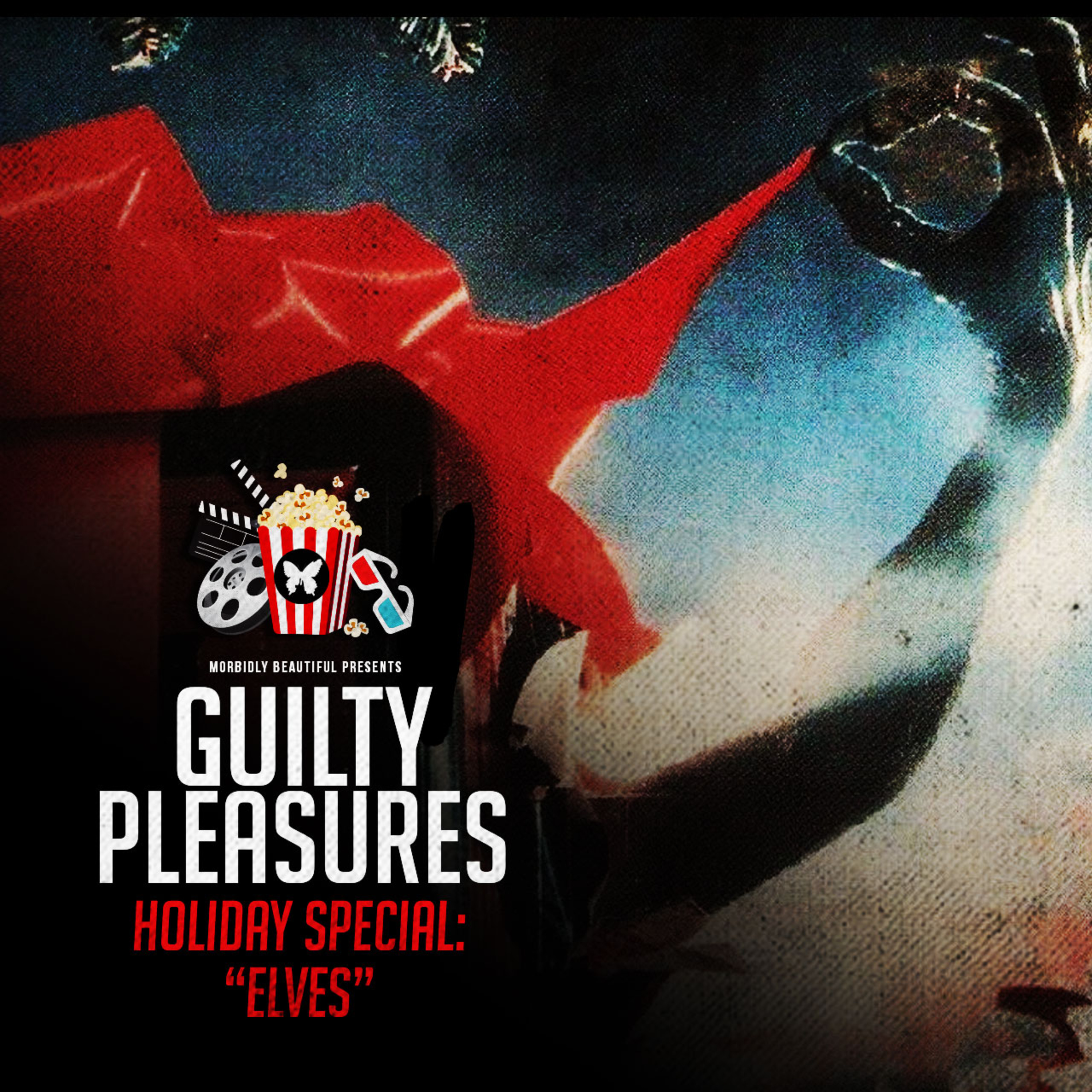
In this holiday extravaganza episode of Guilty Pleasures, join hosts Stephanie, Kelly, and our newest addition, Jonathan (Jack was tied up in tinsel and couldn't join us), as they unwrap the bizarre and unhinged world of holiday cinema. They dive into the depths of Elves, a film that's as chaotic as it is entertaining. It's a sleigh full of questionable decisions, diabolical dialogue, absurd plot twists, wildly offensive antics, and unhinged holiday mischief.
And that's not all! In the second half of the podcast, join your festive cinephile friends for a look at four more ”nutty as a fruitcake” holiday treats: A New York Christmas Wedding, Elf Bowling, A Medea Christmas, and Jack Frost. Plus, we each offer a bonus Christmas flick guaranteed to make you say, ”Ho, Ho, HO-LY Hell!”
Expect laughter, disbelief, and a spirited debate about what truly makes a movie a guilty pleasure. Don't miss this festive journey through the weirdest corners of holiday films!


Follow Us!