

“The Demon Disorder” is a visceral ride that serves up a grotesque feast of jaw-dropping practical effects and emotional depth.
No time to read? Click the button below to listen to this post.
In his directorial debut, Steven Boyle’s The Demon Disorder (2024) is a grotesquely beautiful addition to the horror genre. Its potent blend of body horror and emotional depth will satisfy fans of practical effects-driven nightmares.
The film follows three brothers — Jake (Dirk Hunter), Phillip (Charles Cottier), and Graham (Christian Willis) — as they grapple with the aftermath of their father’s death following his frightening mental decline.
Unable to deal with the emotional anguish, Graham moved out of the family home, leaving Jake and Phillip alone to pick up the pieces, a source of tension and animosity between the brothers. However, a gruesome discovery among the farm’s animal stock combined with Phillip’s increasingly odd behavior forces Jake to plead with Graham to return home and help.
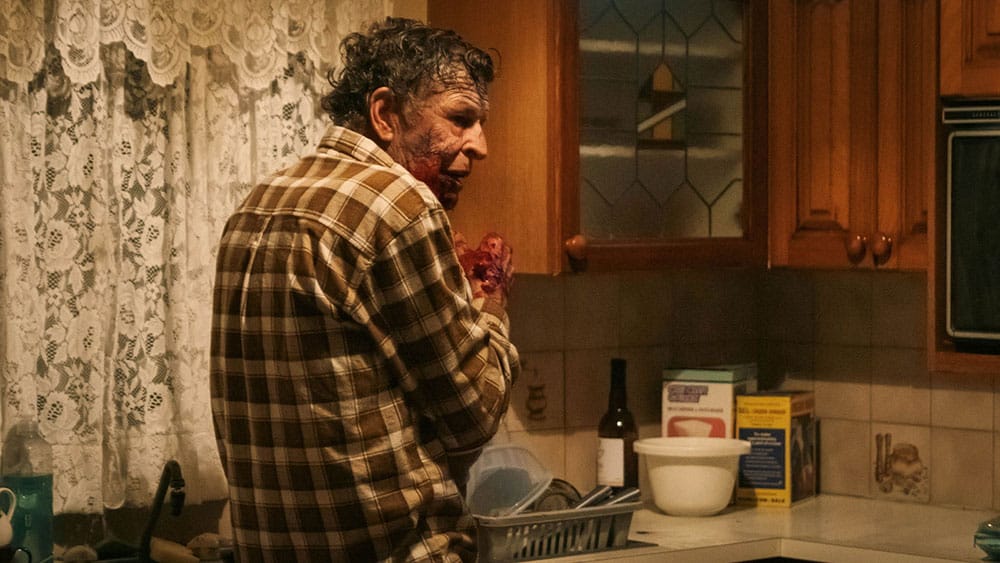
Reluctantly returning to the source of his trauma, Graham discovers that Phillip may have become the target of the same malevolent entity that plagued their father (John Noble).
Together, the brothers must confront the horrors of their past and fight for survival against a force that seems intent on tearing their family apart — both figuratively and literally.
The Demon Disorder breathes new life into the often-tired possession subgenre by subverting several common tropes.
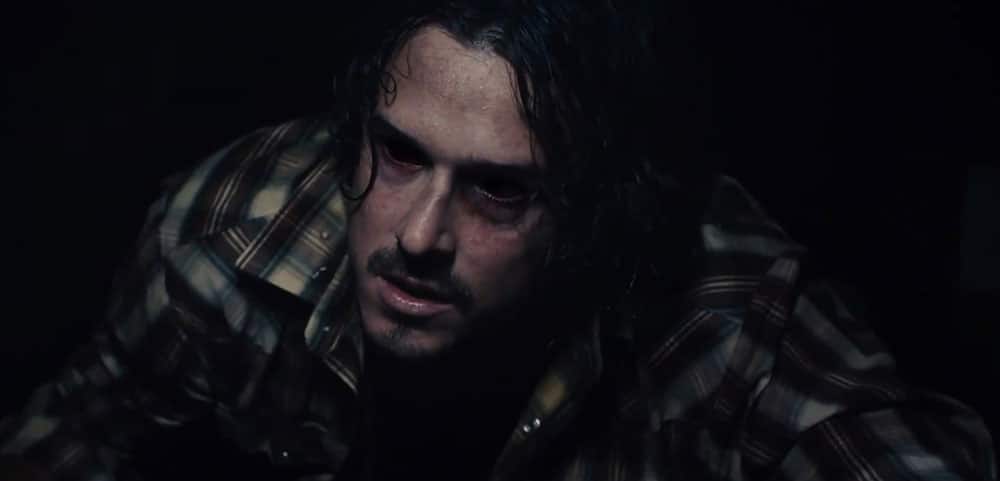
Instead of the typical young female victim, we see a 28-year-old man as the target of possession. The film also eschews the standard religious context, opting instead for a more personal and purposeful possession rooted in family trauma.
Boyle’s script, co-written with Toby Osborne, uses possession as a metaphor for inherited mental health issues, exploring themes of family dynamics in the face of overwhelming adversity.
This approach adds layers of meaning to the horror, elevating it beyond mere shock value.
The three lead actors deliver convincing performances as brothers tormented by their past and present circumstances. Their portrayal of familial love, anguish, and fear grounds the film’s more fantastical elements, helping to sell even the most outlandish horror set pieces.
John Noble, in his limited screen time as the father, leaves a lasting impact. His portrayal of a man losing himself to forces beyond his control is both heartbreaking and unsettling, adding emotional weight to the brothers’ struggle.
Where The Demon Disorder truly shines is in its visual effects.
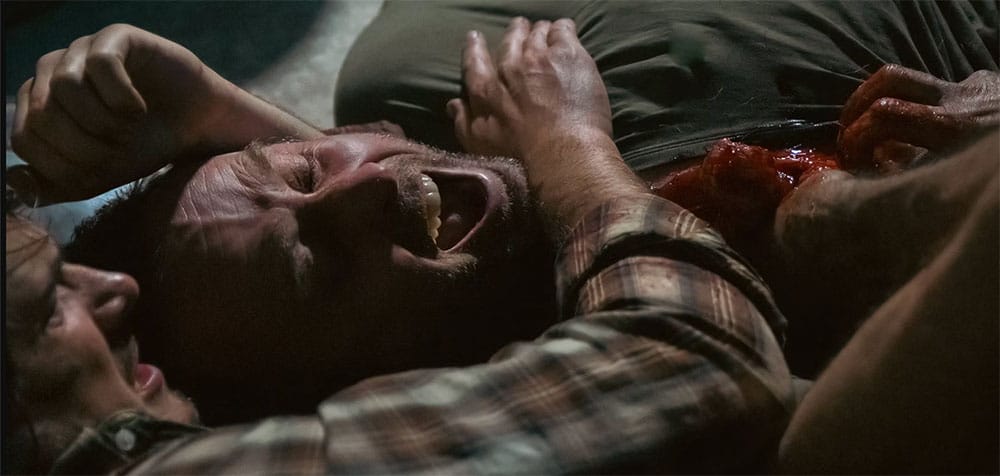
Boyle may be a novice in the director’s chair, but he’s no stranger to genre filmmaking. The Australian special-visual effects and makeup guru is known for his decades of stellar work on films like Daybreakers, 30 Days of Night, Bait, Ghost Ship, and King Kong. He brings his wealth of experience to bear, creating a veritable feast of practical effects that will delight fans of ’80s-style practical effects horror.
From subtle body distortions to full-blown creature transformations, the effects work is consistently impressive, especially given the film’s limited budget. The third act, in particular, is a tour de force of practical wizardry that pushes the boundaries of what can be achieved without relying on CGI.
The film’s atmosphere is greatly enhanced by its potent sound design, courtesy of Michael Thomas. The auditory landscape is as unnerving as the visual one, with every squelch, crack, and inhuman growl adding to the overall sense of dread. Peter Spierig’s chilling score complements the sound design, deftly underscoring the film’s most intense moments.
THE DEMON DISORDER excels at building creeping dread, punctuated by moments of intense horror.
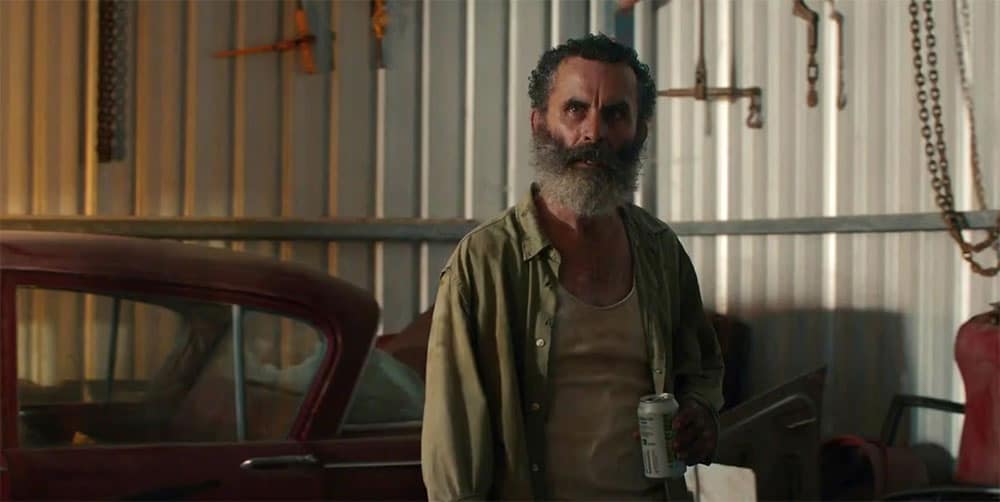
The film hooks viewers early with its mysterious premise and keeps them invested through its slow build to an explosive finale. The opening and closing scenes are particularly strong, bookending the film with memorable sequences likely to stay with viewers long after the credits roll.
Interestingly, the film incorporates moments of humor, particularly in how the characters handle their supernatural predicament. This balance between horror and humor provides a fresh take on the often deadly serious demon possession sub-genre.
The characters’ pragmatism and straightforward approach, especially given their atheistic views on demon possession, offer a unique spin that differentiates it from similar films.
The film builds to a visceral climax, featuring a third-act sequence that is as emotionally wrenching as visually shocking.
The Demon Disorder may not redefine the horror genre, but it succeeds more often than it fails.
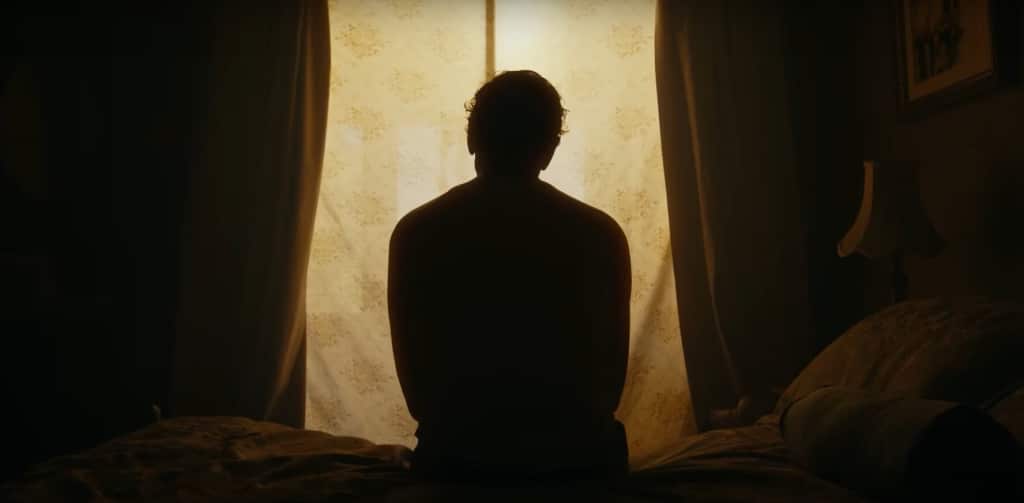
It’s a film that improves on subsequent viewings, revealing layers of meaning and foreshadowing that may not be apparent on the first watch. Beneath the horror, its underlying themes are poignant and may resonate deeply with viewers with personal experience with the painfully real subject matter.
It’s not perfect. The character development sometimes takes a backseat to the visual spectacle, undermining key scenes’ emotional impact.
While engaging, the narrative treads familiar ground in using grief and trauma as metaphors for supernatural presence. At times, the pacing falters, particularly during emotional scenes, which could have benefited from more time to breathe. The film occasionally rushes through significant moments to get to the next scare or action sequence, which can detract from its overall emotional resonance.
However, its strengths — particularly its jaw-dropping practical effects, unnerving atmosphere, and emotional core — far outweigh its weaknesses.
It joins the ranks of stellar Australian horror exports like Talk to Me and The Babadook —showcasing the country’s growing reputation for producing innovative and affecting horror films that resonate with international audiences.
Steven Boyle emerges as a promising new voice in horror with this directorial debut. While the narrative isn’t quite as strong as the visuals, this solid effort succeeds in being wildly entertaining.
It’s a reminder of the visceral impact that skillfully crafted physical effects can have, harking back to the heyday of directors like David Cronenberg while still feeling fresh and relevant.
Overall Rating (Out of 5 Butterflies): 3.5
THE DEMON DISORDER is set to hit Shudder and AMC+ on September 6.





Follow Us!