The pantheon of iconic Universal Monsters transformed collective fears into enduring gothic allegories that remain resonant to this day.
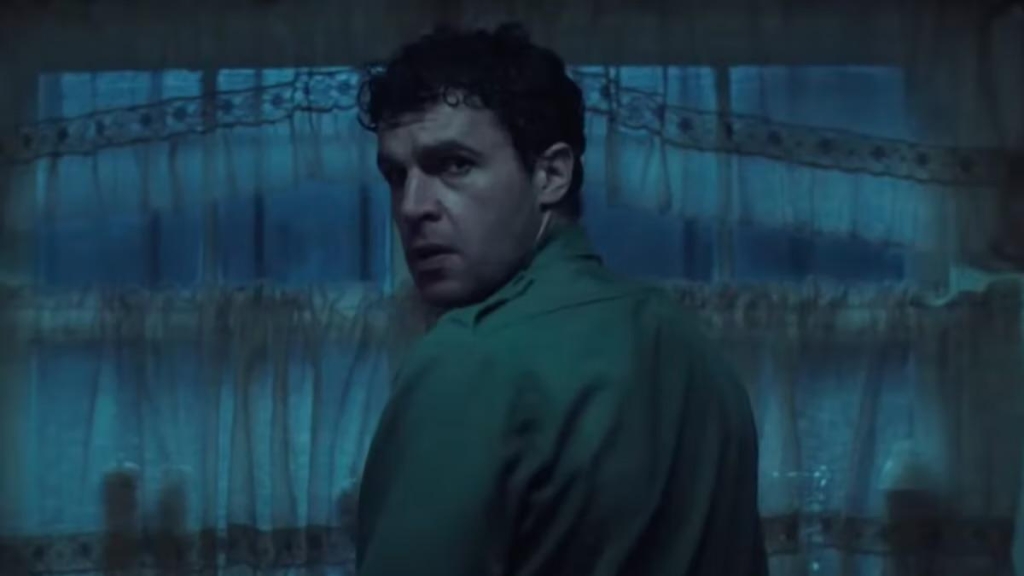
As Leigh Whannell’s Wolf Man reframes the classic Universal monster through the lens of generational trauma, it reminds us that the Universal Monsters—from Dracula’s aristocratic menace to the tragic pathos of Frankenstein’s creation—have always served as a powerful mirror for society’s deepest psychological and cultural anxieties.
1941’s The Wolf Man told a heartbreaking tale of a man cursed to become a monster, painfully transforming into a danger and threat to the one he loves most. Whannell reinterprets The Wolf Man’s curse as one of upbringing: the well-meaning parent who unintentionally scars you and leaves you with life-long triggers. It exploits the fear of inheriting aggression or mental illness from our parents or being unable to break painful cycles.
While many modern audiences may bemoan the attempt to “shoehorn” realism, social issues, and psychological drama into a monster movie, it’s important to note that the Universal Monster films of the 1920s-1950s, like The Wolf Man, were always meant to serve as powerful allegories for moral questions and human conditions of their era.
Through their grotesque yet sympathetic monsters, these films succeeded in revealing much about human nature, exploring themes of otherness, identity, morality, and the conflict between who we aspire to be and who we fear we truly are.
Let’s explore the deeper themes within these influential films and the real-life horrors they effectively allegorize and note how resonant these potent themes still feel in today’s modern and fraught socio-political landscape.
The Hunchback of Notre Dame (1923): Social Justice and Religious Hypocrisy
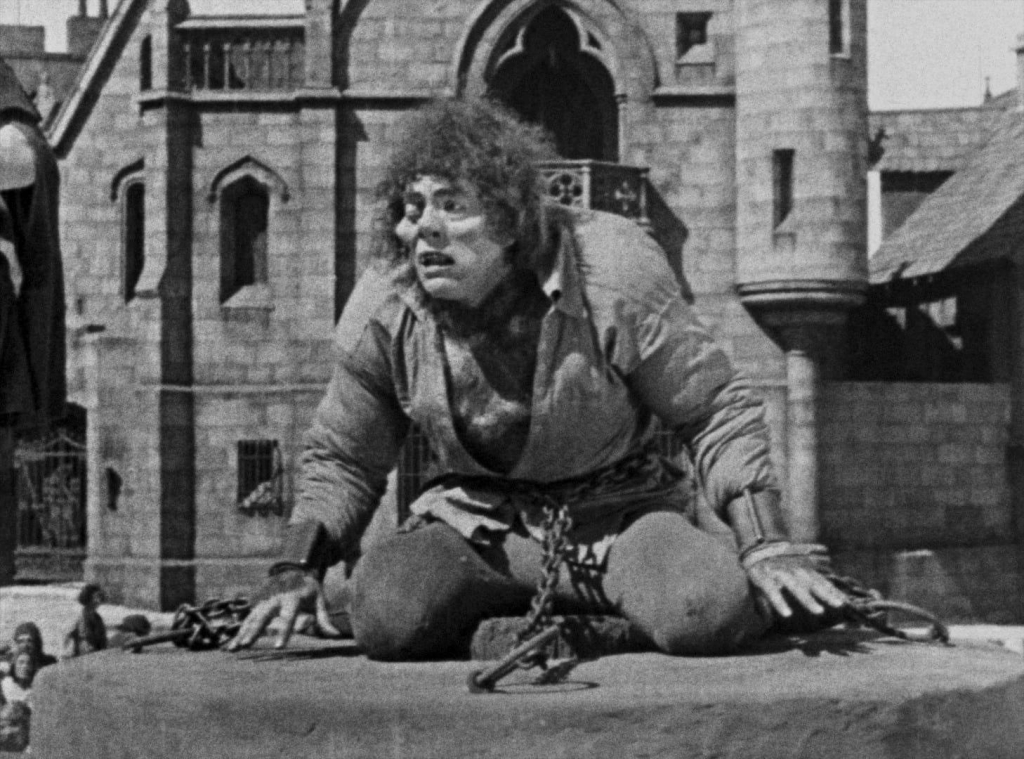
Quasimodo, portrayed with heartrending empathy by Lon Chaney, represents society’s most marginalized members—an allegory for societal prejudice and cruelty often directed at those who are different.
The hunchbacked bell-ringer of Notre Dame is a symbol of societal rejection and the capacity for redemption. Quisimodo’s physical deformity makes him an outcast, yet his actions reveal a pure and noble heart.
His position as bell-ringer of Notre Dame Cathedral creates a powerful irony—though closest to heaven, he is treated as hellish by society. The film serves as a critique of social hierarchies and religious hypocrisy, questioning who the real monsters are in a society that judges by appearance.
The story explores themes of sanctuary, justice, and the conflict between institutional power and human compassion. Quasimodo’s relationship with Esmeralda highlights how true humanity often resides in those deemed “inhuman” by society, while those in positions of moral authority often harbor the darkest souls.
The Hunchback of Notre Dame critiques the superficiality of societal judgments and the hypocrisy of those in power.
Quasimodo’s tragic story is a plea for compassion and understanding toward those deemed “different.”
The Phantom of the Opera (1925): Beauty, Art, and Obsession
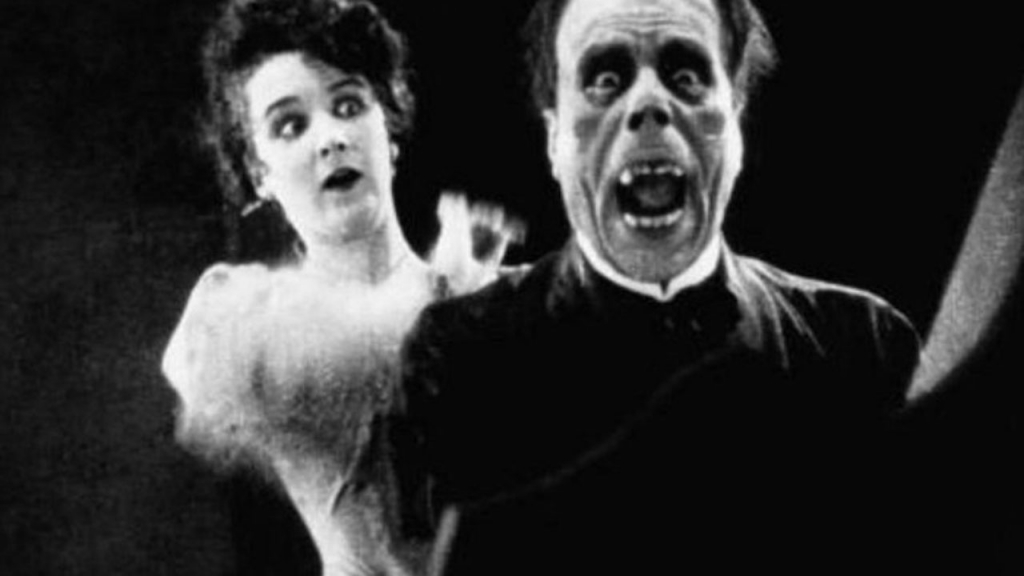
Lon Chaney’s portrayal of Erik, the Phantom, explores society’s treatment of the disfigured and the relationship between physical and moral beauty.
The Phantom’s underground existence beneath the Paris Opera House represents the literal submerging of those deemed too “ugly” for society, while his musical genius questions the relationship between physical appearance and artistic worth.
His obsession with Christine serves as an allegory for toxic mentorship and the dark side of artistic genius.
The Phantom’s famous unmasking scene—shocking for its time—forces audiences to confront their own prejudices about physical appearance and human worth. The opera house itself becomes a metaphor for society’s elaborate facades that hide darker truths beneath.
The story serves as an allegory for the power of art and obsession. The Phantom’s disfigurement and his retreat from society speak to themes of social rejection and the pain of unrequited love.
His manipulation of others through fear and his genius reflects the potential darkness that can accompany great talent.
The film is a haunting meditation on the masks we wear and the fear of being truly seen for who we are.
Dr. Jekyll and Mr. Hyde (1931): Victorian Repression and Moral Duality
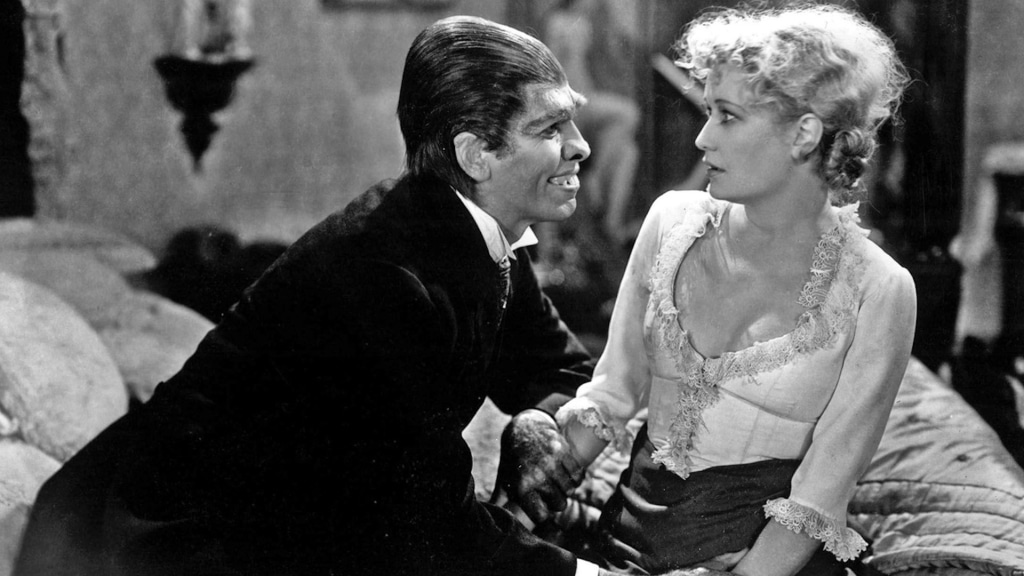
This adaptation of Stevenson’s novel serves as a perfect allegory for Victorian repression and the duality of human nature.
Dr. Jekyll’s transformation into the monstrous Mr. Hyde explores the duality inherent in humanity. The transformation of the respectable doctor into the monstrous Hyde serves as a powerful metaphor for the internal struggle between good and evil that exists within every individual.
Hyde represents the id—the base instincts suppressed by social norms. The film’s depiction of Jekyll’s struggle to contain his darker half serves as an allegory for addiction, mental illness, and the fragility of morality.
Released during the Great Depression, the story resonated with audiences grappling with societal upheaval and personal despair.
Hyde’s brutish appearance and violent behavior represent not just evil but the natural human impulses that Victorian society sought to suppress. The transformation scenes themselves serve as metaphors for addiction and the loss of self-control, while Jekyll’s ultimate inability to control his transformations speaks to the futility of trying to completely suppress human nature.
The story also touches on the dangers of trying to separate one’s “dark side” from their public persona.
Dr. Jekyll and Mr. Hyde is a timeless exploration of the human psyche and the consequences of denying one’s true nature.
Dracula (1931): Sexual Danger and the Fear of the Foreign
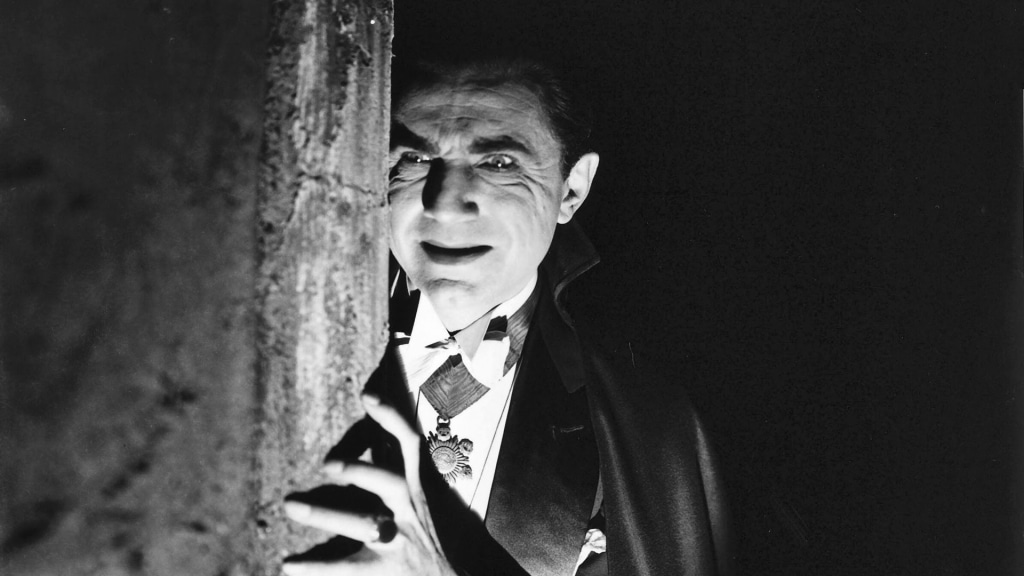
At its core, Dracula is an allegory for the fear of the “other”—the foreign invader who threatens to destabilize society.
Bela Lugosi’s Count Dracula embodies the fear of outside influence and aristocratic decay that pervaded American society during the Great Depression. Dracula’s Transylvanian origins and his invasion of England reflect early 20th-century anxieties about immigration and cultural contamination, as well as the perceived corruption of Western moral values. The Count’s nocturnal feeding habits symbolize a perverse inversion of the Christian sacrament—a vampiric Eucharist that drains life rather than bestows salvation
The vampire represents the parasitic nature of the upper class, literally feeding off the blood of the common people.
Dracula also represents the seductive power of evil and the dangers of unchecked desire. The vampire’s ability to corrupt pure women reflects fears about sexual liberation and moral decay. The character’s ability to corrupt and transform his victims can be seen as an allegory for the spread of disease, particularly sexually transmitted infections.
Much like The Wolf Man, his supernatural powers over rats, wolves, and the forces of nature represent humanity’s fear of losing control to primal, bestial impulses.
The stake through the heart—a penetrating weapon used against a penetrating monster—serves as both execution and exorcism of these societal fears.
Frankenstein (1931): The Hubris of Science and the Pain of Creation
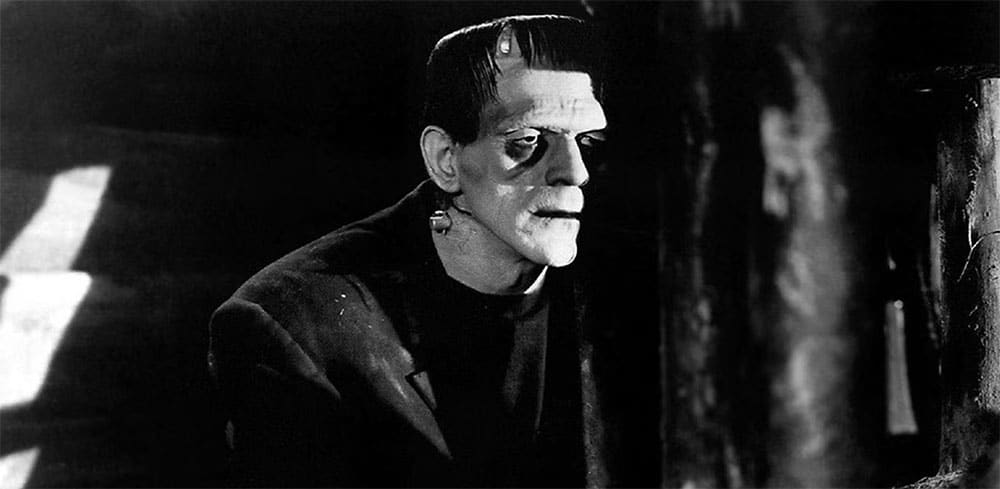
Dr. Frankenstein’s monster, portrayed with tragic pathos by Boris Karloff, serves as a warning about scientific advancement outpacing moral understanding.
The film emerged during a period of rapid technological progress when society grappled with questions about the limits of scientific achievement and human intervention in nature. Dr. Frankenstein’s ambition blinds him to the ethical implications of his work, leading to chaos and destruction.
The monster’s plight is a poignant allegory for societal rejection and the search for identity.
The creature himself represents the ultimate outcast—a being born into existence without consent, rejected by his creator, and unable to find acceptance in any social sphere. His childlike innocence, corrupted by violence and rejection, speaks to deeper questions about nature versus nurture.
The film raises questions about the responsibility of creators and the moral limits of scientific progress, themes that remain relevant in the age of genetic engineering and artificial intelligence.
The monster’s tragic arc suggests that society creates its own monsters through fear, prejudice, and abandonment.
The Mummy (1932): Colonial Guilt and Past Sins
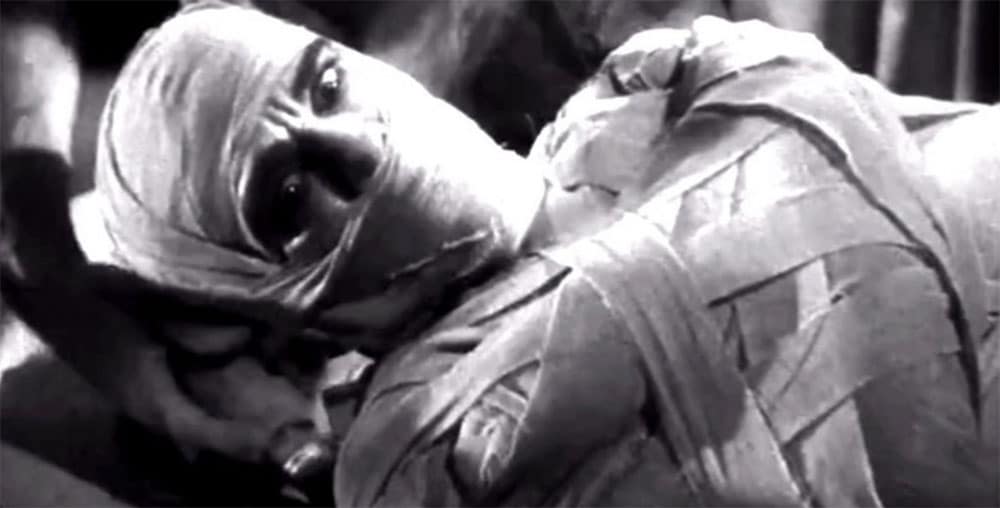
The tale of Imhotep, an ancient Egyptian priest brought back to life, speaks to Western civilization’s complex relationship with colonialism and the appropriation of ancient cultures.
Imhotep, the titular mummy, is a relic of ancient Egypt, awakened by human curiosity and greed. The Mummy represents the revenge of the colonized, the past rising up to punish those who would disturb its rest for financial gain and academic glory. Imhotep’s curse represents the inescapable weight of history and the dangers of colonialism as Western archaeologists plunder sacred sites for their own gain.
The mummy’s relentless pursuit of his lost love, reincarnated in the modern world, also speaks to the destructive power of obsession.
His inability to let go of the past mirrors humanity’s struggle to reconcile tradition with progress. The film serves as a cautionary tale about the consequences of ignoring cultural and historical respect.
The Mummy‘s Egyptian setting plays into period fascination with Egyptology following the discovery of King Tutankhamun’s tomb while also expressing guilt about the plundering of archaeological sites.
An apt metaphor for historical karma, the film explores the idea that past misdeeds will eventually return to haunt the present.
The Invisible Man (1933): Power, Corruption, and Moral Invisibility
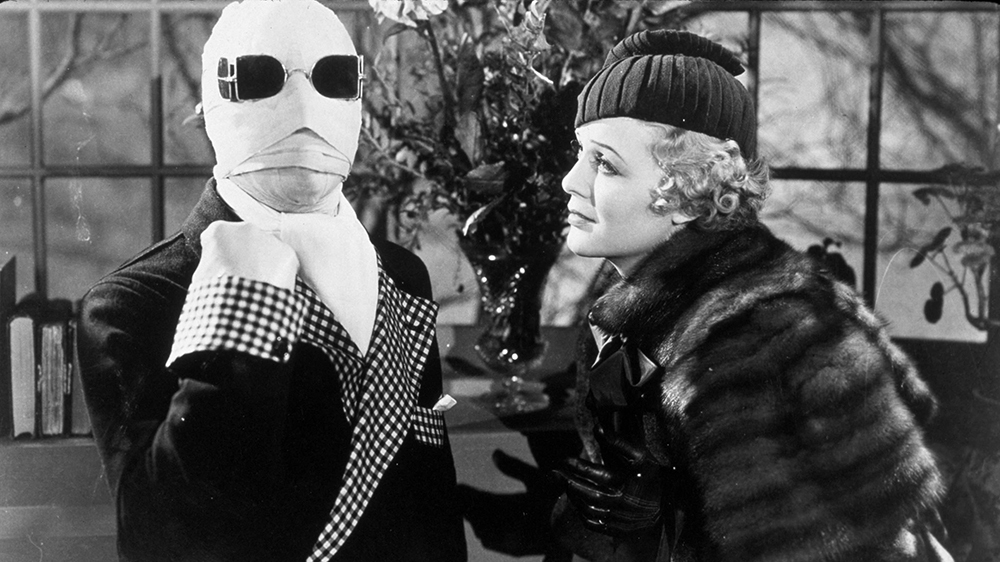
H.G. Wells’ The Invisible Man, as adapted by Universal, presents a chilling examination of power and morality.
The protagonist’s descent into madness raises questions about identity and the role of social accountability in maintaining one’s moral compass. Dr. Griffin’s (Claude Rains) transparency serves as a literal manifestation of moral invisibility. His descent into megalomaniacal madness after achieving invisibility explores how power, especially power without accountability, corrupts the human psyche.
Released during the interwar period, the film arrived during a period of rising authoritarianism worldwide, serving as a cautionary tale about the intoxicating nature of unchecked power.
The invisible man’s ability to act without consequence speaks to deeper anxieties about social accountability and the human capacity for evil when freed from observation and judgment. His condition—achieving extraordinary power at the cost of his humanity—reflects the Faustian bargain of technological progress.
The Invisible Man is a cautionary tale about the dangers of losing one’s humanity in the pursuit of ambition.
Bride of Frankenstein (1935): Gender Roles and The Right to Be Loved

James Whale’s Frankenstein sequel introduces complex themes of gender politics and reproductive rights.
The Bride, with her iconic electroshocked hair and bandaged gown, represents society’s attempts to manufacture the “perfect” woman. Her immediate rejection of her intended mate speaks to women’s resistance against arranged marriages and societal expectations of the 1930s.
The film explores the horror of forced companionship and the denial of feminine agency. Dr. Pretorius’s artificial miniature humans and his obsession with “creating life” serve as a dark parody of patriarchal control over women’s bodies and lives. The Bride’s famous hiss of rejection become a powerful symbol of feminist resistance against male-dominated society’s attempts to control and shape women’s destinies.
A sequel that surpasses its predecessor, Bride of Frankenstein deepens the themes of loneliness and the desire for acceptance.
The monster’s plea for a companion reflects the universal human need for connection and understanding. Dr. Frankenstein’s creation of the Bride, only for her to reject the monster, underscores the tragedy of his existence.
The film also critiques societal norms and the fear of difference. The Bride’s rejection of the monster mirrors society’s rejection of those who do not conform to its standards.
The film’s humor and tragedy make it a poignant exploration of identity and belonging.
The Wolf Man (1941): The Beast Within
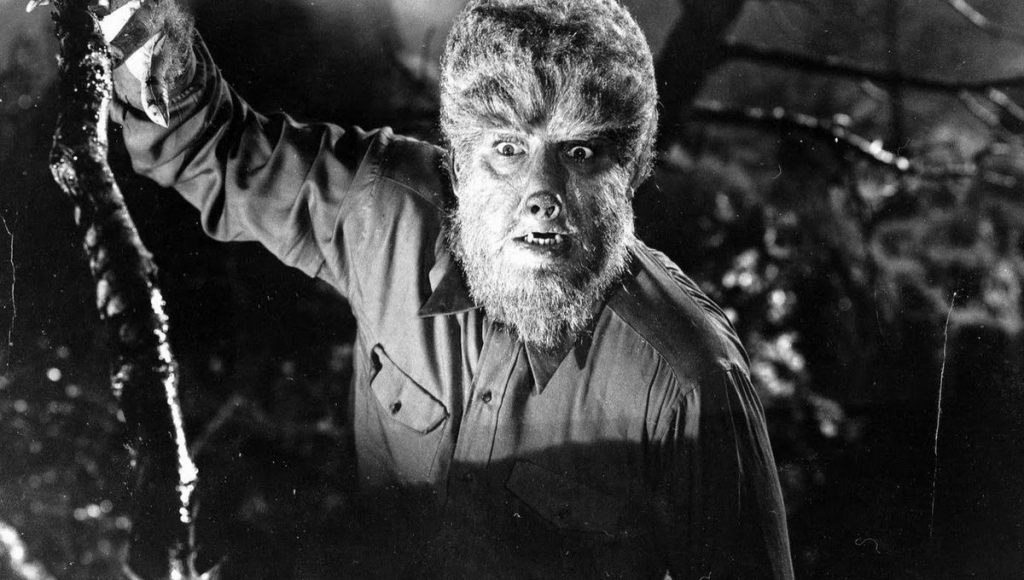
Larry Talbot’s tragic transformation into the Wolf Man represents humanity’s struggle with its own savage nature.
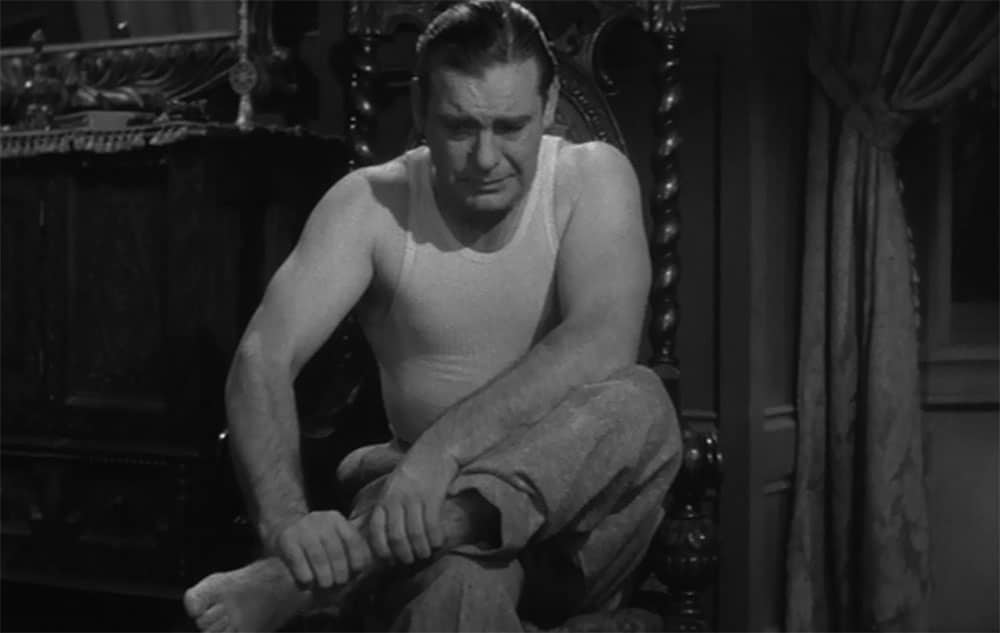
Lon Chaney Jr.’s poignant portrayal of Larry Talbot, the Wolf Man, delves into the duality of human nature. Released as World War II raged, the film explores themes of civilization versus savagery and how ordinary people can transform into monsters under the right circumstances. The film can also be read as a metaphor for the horrors of war, where ordinary people are transformed into instruments of destruction.
Talbot’s tragic fate reflects a universal fear of inescapable destiny. The werewolf curse serves as an allegory for inherited violence, toxic masculinity, and the burden of carrying destructive potential within oneself.
The film also explores themes of guilt and fate, as Talbot is haunted by the knowledge of the harm he causes while in his wolf form.
The Wolf Man is a metaphor for the internal conflict between good and evil and the societal fear of losing control over one’s baser instincts.
The Creature from the Black Lagoon (1954): Environmental Anxiety and the Other
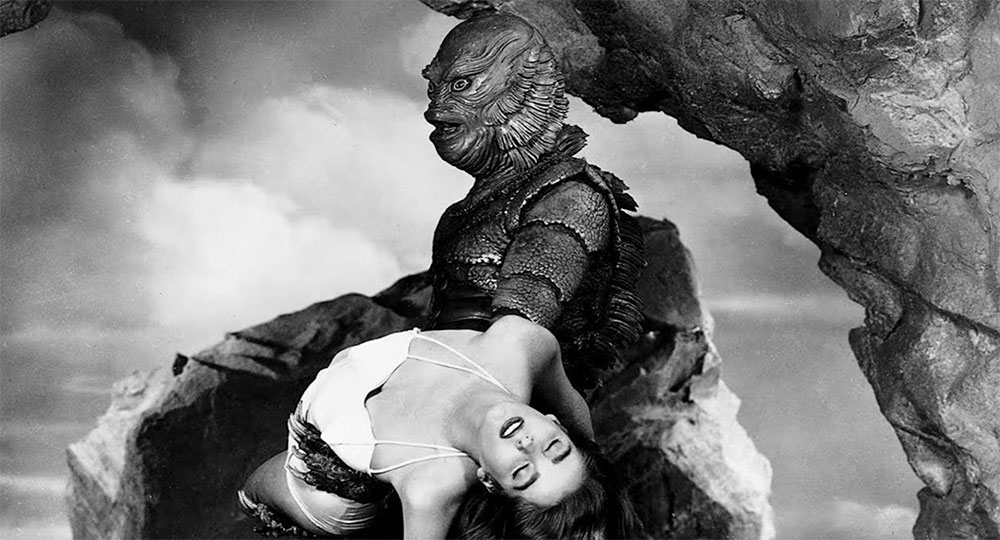
Though arriving later than the other Universal Monsters, the Gill-man represents fears about unexplored territories and humanity’s relationship with nature.
The Creature From the Black Lagoon taps into Cold War anxieties about the unknown—whether in science, space, or foreign powers. The titular Creature, also known as the Gill-man, is a prehistoric amphibian discovered in the Amazon. The creature represents nature’s resistance to human encroachment and exploitation. The creature’s attacks on the invading scientists are a form of retribution, a reminder that nature will fight back when pushed too far.
On another level, the film explores themes of “otherness” and the fear of the unknown. The creature serves as both victim and monster—a unique species threatened by human intrusion into its domain, yet also a threatening “other” that challenges human supremacy over nature. The Black Lagoon itself represents the unknown depths of nature and the human psyche.
The film’s environmental themes presage modern ecological concerns, while the creature’s attraction to the female lead speaks to anxieties about sexuality and civilization versus primitive desire.
The Gill-man’s fascination with Kay, the female lead, adds a layer of tragic longing, highlighting the creature’s isolation and desire for connection.
The creature’s tragic plight critiques humanity’s arrogance in the face of ecological and evolutionary mysteries.
///
THE MONSTER WITHIN: AN ENDURING LEGACY OF SOCIAL HORROR
The Universal Monsters endure not only because of their iconic imagery but also because of the rich thematic layers embedded in their stories. Their continued influence on popular culture speaks to how effectively these films translated abstract societal concerns into concrete, sympathetic monsters.
While their specific contexts may have changed, the fundamental fears they represent—of the foreign, of scientific overreach, of our own capacity for evil, of the past’s power over the present, and of the beast that lurks within human nature—remain as relevant today as they were in their original era.
These films invite audiences to confront the ugliness of their own human nature. They remind us that monsters often serve as mirrors, reflecting our own fears, prejudices, and moral struggles back at us.
The true horror they reveal often lies not in the monsters themselves but in the humanity that created or rejected them.





Follow Us!