


“Trauma Therapy: Psychosis” is an unnecessary, mostly standalone sequel with big ideas and great potential, but it fails to deliver.
No time to read? Click the button below to listen to this post.
Back in 2019, a small indie psychological thriller called Trauma Therapy was quietly released to little fanfare and middling to poor reviews. The concept for the film, directed by Tyler Graham Pavey, was intriguing.
Four individuals suffering from various disorders that impact their mental health and well-being —ranging from sex addiction to PTSD—are selected to attend an isolated retreat in the woods with famed guru Tobin Vance (Tom Malloy). Vance puts them through multiple stages of psychological warfare masked as intense therapy designed to force each person to confront and ultimately let go of their fears.
It’s unclear how much Vance wants to help with his radical and experimental methods, what his core motivations are, and how much this psychological gauntlet is helping or hurting the participants. That ambiguity may be frustrating for some, but it makes for a fascinating watch and makes Vance a more complicated and interesting character.
Trauma Therapy wasn’t quite a home run, but it held my attention and managed to keep things interesting. It moved quickly, and I enjoyed anticipating the “helpful” horrors that awaited the participants—wondering if, when, and how they would break.
Malloy, who co-wrote the film with fellow star David Josh Lawrence, perfectly embodied a charismatic but creepy guru who could just as easily be a cruel psychopath, a delusional narcissist, or a mad genius (perhaps all of the above).
It was a wise decision to make the 2023 sequel a standalone film, though the original title of The Vance Institute would have worked far better. No prior knowledge of the first film is necessary, and having seen the original will do little to infuse your understanding of or appreciation for Trauma Therapy: Psychosis.
Truthfully, you may be better served going in blind if you plan to watch this one.
The sequel suffers when compared to the first film, which, by no means perfect, remains infinitely better.
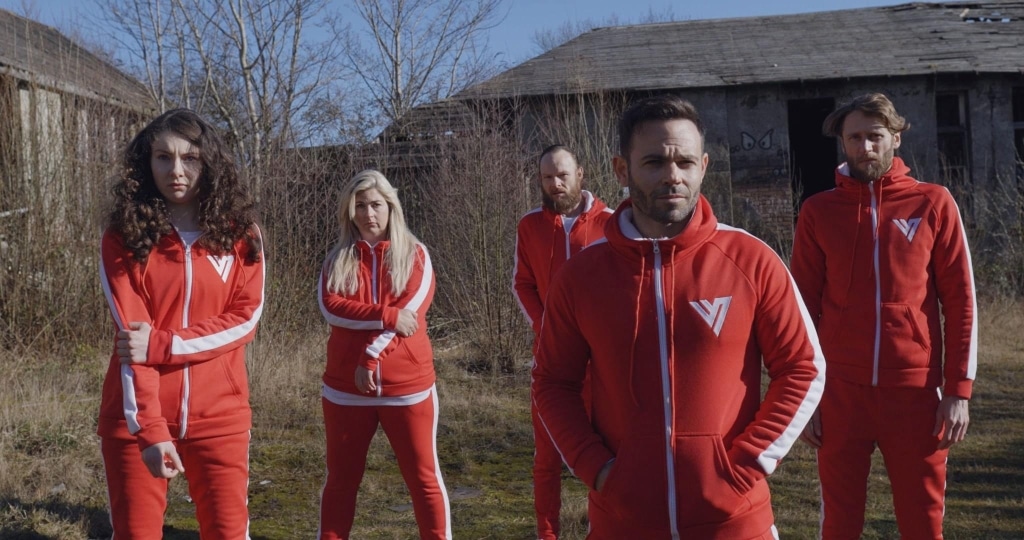
We begin the film learning that self-help guru Tobin Vance has fled the country following a significant outcry over his controversial methods. Hiding out in Scotland, he continues his work under the radar, recruiting new acolytes to his program.
What follows is more of the same as the first film, but everything is ramped up considerably now. The challenges are nastier and more grueling, and the threat to the safety and well-being of the participants seems far more real and severe.
Cool, collected, and brilliantly manipulative in the first film, Vance now feels like an unhinged psychopath coming undone faster than his damaged subjects.
It works somewhat as a mean-spirited horror film where broken people become playthings for a sadistic madman, though it doesn’t go far enough to satiate those who might tune in to see something resembling the “torture porn” of Saw or Hostel.
At the same time, it fails to deliver the same tension, psychological drama, and believability as the first film.
Trauma Therapy succeeded by keeping the human experiments uncomfortable but grounded. The eerily effective, quiet menace of that film is replaced here by over-the-top bullying and scare tactics, including an army of bodyguards decked in black tactical gear and AK-47s.
In the first film, the participants’ decision to stay even after things get more and more messed up makes some sense. You can believe that they believe this is legitimate therapy designed to make them better.
From almost the jump in Trauma Therapy: Psychosis, that belief is shattered.
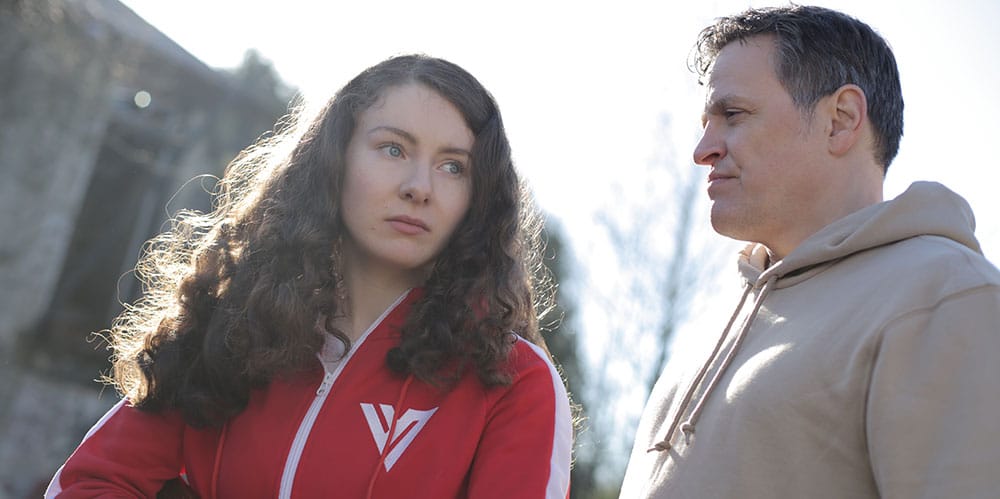
In the first film, the four victims are all young and attractive. The sequel does a nice job of adding more diversity to the cast and giving us participants with more severe trauma. Unfortunately, however, the performances are not as strong this time, and they lean more toward hammy than authentically gripping. It’s harder to connect with anyone and care about their journey.
Also, when I speak of diversity, I mean cultural diversity and variance in age and body type. I am disappointed to state that, despite the sequel’s somewhat larger cast, there is not a single person of color in either film.
Malloy is still the highlight of this film, as he was in Trauma Therapy. And his returning co-writer, David Josh Lawrence, is easily the most captivating of the group participants.
Trauma Therapy: Psychosis also has a problem with pacing despite its brisk runtime.
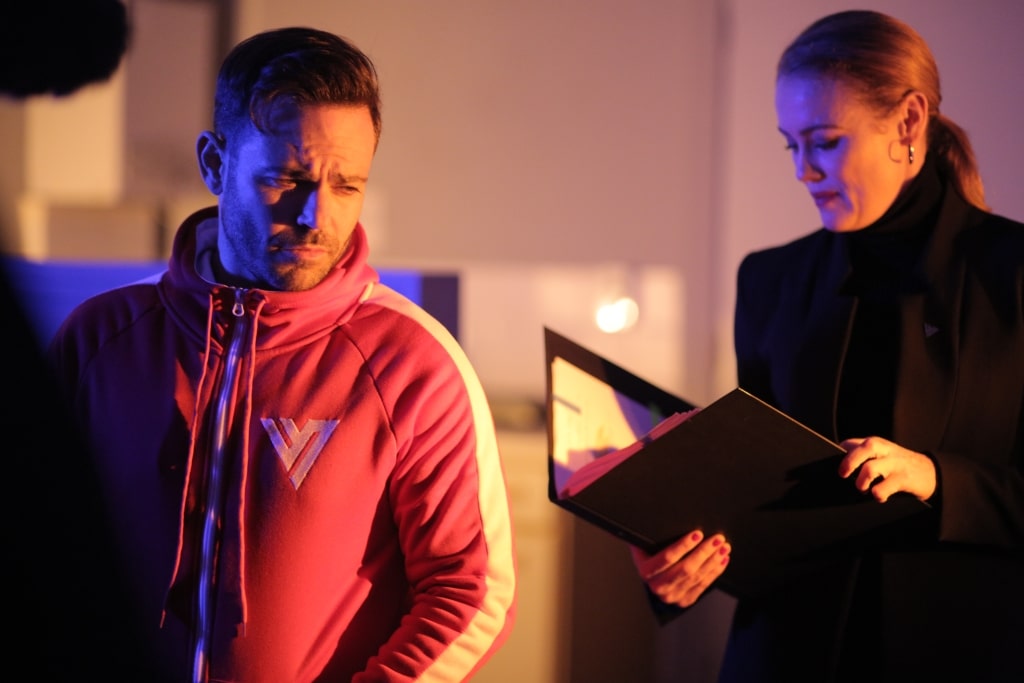
There are parts that drag and feel disconnected from the rest of the film. This is especially true of the integrated interviews where Tom Sizemore (playing himself) interviews Vance’s assistant from the first film, Victor (Vince Lozano).
It’s unclear why this choice was made, but it feels tacked on and does nothing to further the plot or add any intriguing character depth. It doesn’t even do much to serve fans of the first film, who might appreciate a bit of connective tissue between the two films.
Director Lawrie Brewster caused a stir when he took to Twitter to express his discontent over the film and its final cut, demanding that he be credited under the pseudonym Gary Barth. He claims that the version released was an unauthorized re-edit that included scenes with Sizemore filmed after the fact and edited in—a decision he viewed as “exploitative of Tom Sizemore’s death.”
It seems the film’s original vision may have been tampered with as well, in a way that hurts rather than helps the final product.
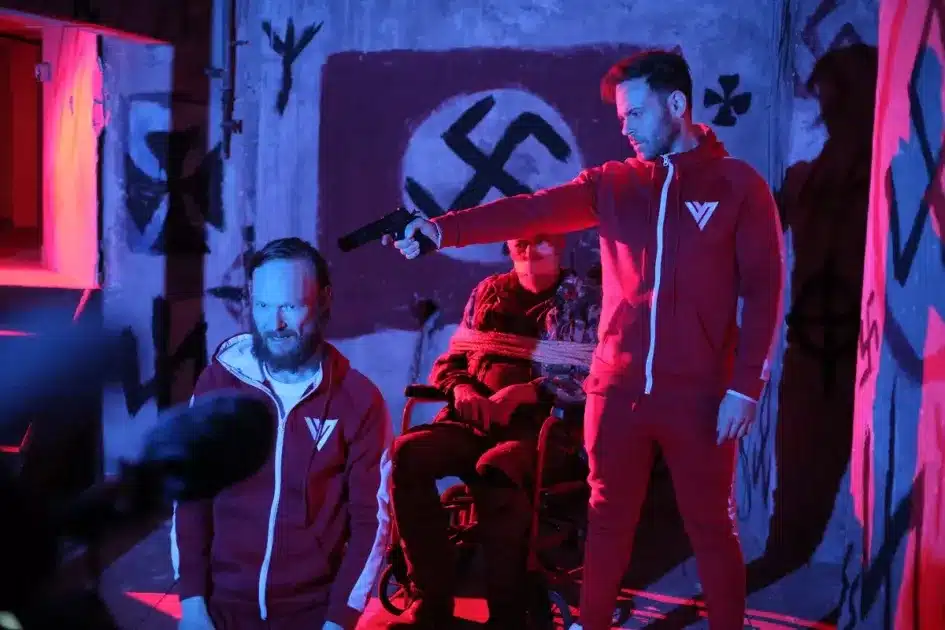
The trailer for The Vance Institute, the film’s original UK title, conveys a very different type of film. Shot primarily in stark black and white with unnerving sound design and editing, it appears to be a dark film about autocratic leadership, the susceptibility and malleability of humans under the right conditions, and the horrors of bending broken people to your will.
With its Nazi symbolism, it’s absolutely chilling and a film I’d be eager to watch.
Sadly, the full-color version of Trauma Therapy: Psychosis retains none of that impact. It’s unclear how much post-production meddling played a part in this.
I do believe there’s a solid film buried beneath the muck, but it never has a chance to shine.
Overall Rating (Out of 5 Butterflies): 2
Both TRAUMA THERAPY and TRAUMA THERAPY: PSYCHOSIS are available to watch now on Tubi.










Follow Us!