

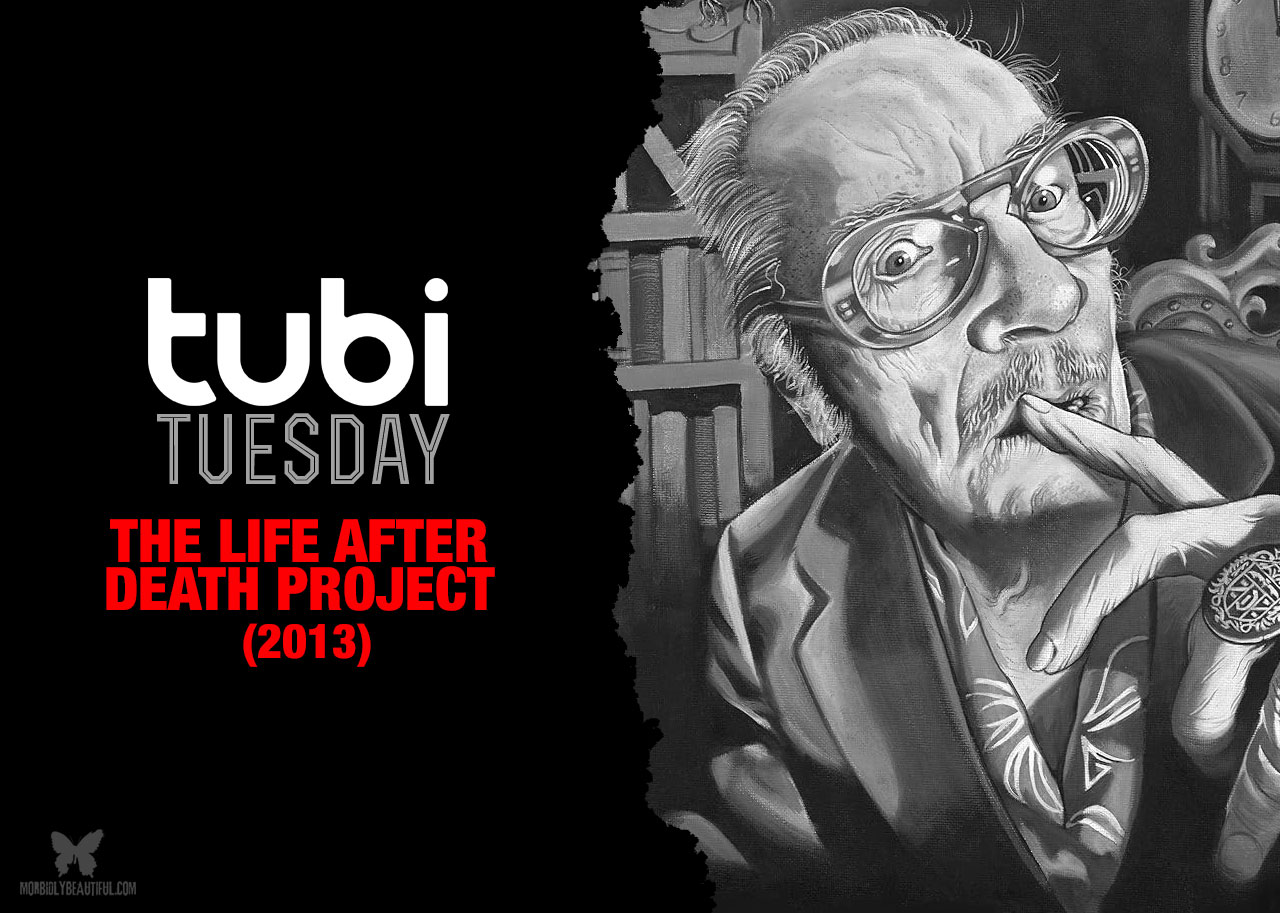
“The Life After Death Project” is a fascinating doc exploring the alleged posthumous communications of sci-fi legend Forrest J. Ackerman.
No time to read? Click the button below to listen to this post.

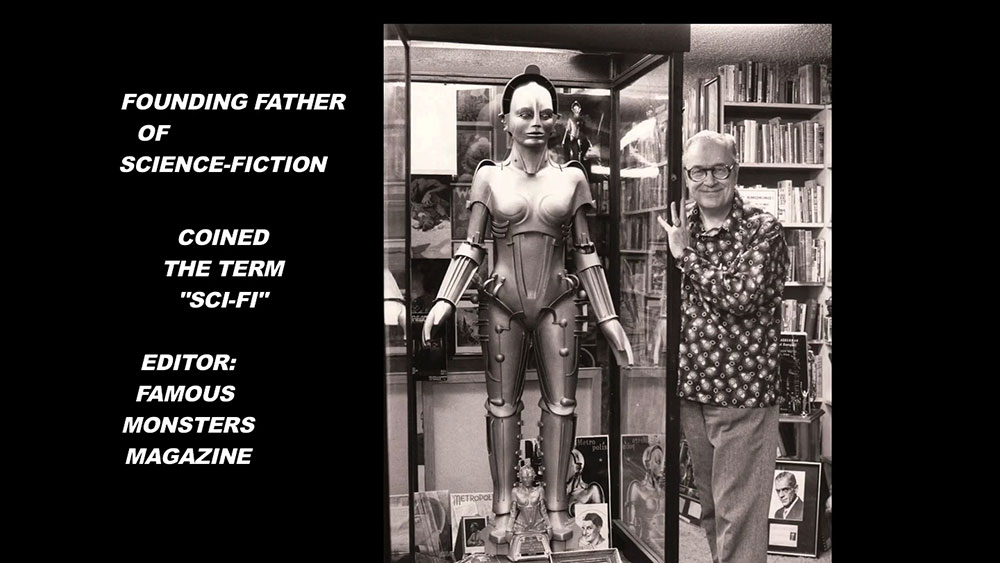
In the annals of science fiction history, few can match the influence of Forrest J. Ackerman. As a writer, editor, and literary agent, Ackerman (or Forrie to his friends) amplified the voices of countless sci-fi authors, representing or publishing the likes of Ray Bradbury, Isaac Asimov, and, um, L. Ron Hubbard. He was one of the genre’s greatest evangelists, helping sci-fi (he even coined the abbreviation) reach a mass audience in the mid-20th Century.
As the founder and editor of Famous Monsters of Filmland magazine, his impact on horror is also undeniable. A lifelong fan of cheesy monster movies and B-pictures, Ackerman’s list of film cameo appearances is longer than most actors’ filmographies. While his name may not be known by everyone, modern sci-fi and horror fandoms owe it all to Ackerman.
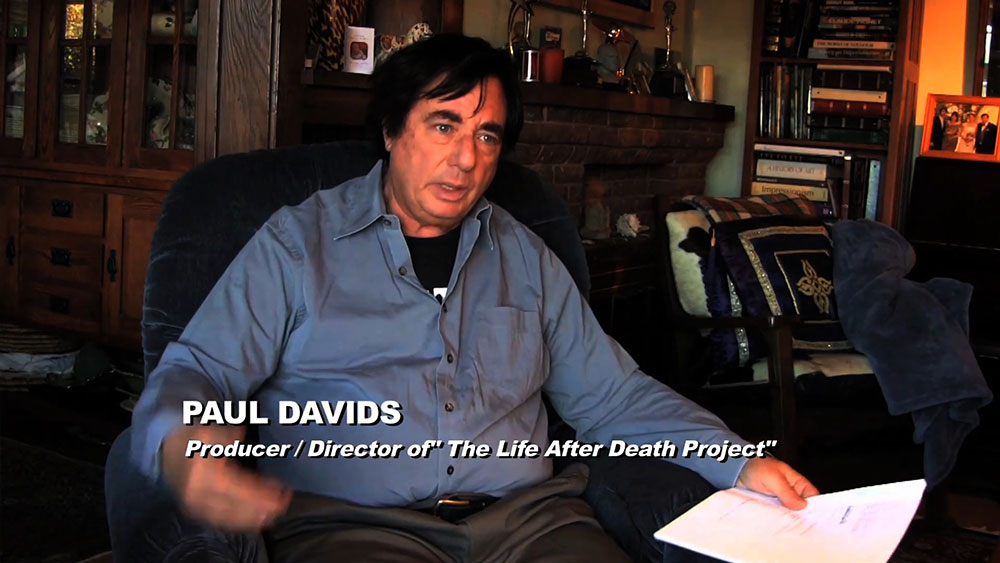
The impresario touched countless lives throughout his own, right up until his death in 2008 at the age of 92. One individual with the privilege of growing close to Ackerman was author and multi-hyphenate artist Paul Jeffrey Davids.
I’ve written about Davids before in this column, back when I covered his strange film project Professor Hack Harddrive Hacks the Universe. If you read that entry, you may recall I had my issues with that film, but nevertheless, I find Davids to be a fascinating individual who’s stuck with me ever since I watched Hack Harddrive last year.
In that spirit (pun intended), I wanted to check out another of his works, 2013’s The Life After Death Project.
A documentary, The Life After Death Project examines the search for an afterlife through the lens of Davids’ friendship with Ackerman, whose death was the impetus for the whole investigation.
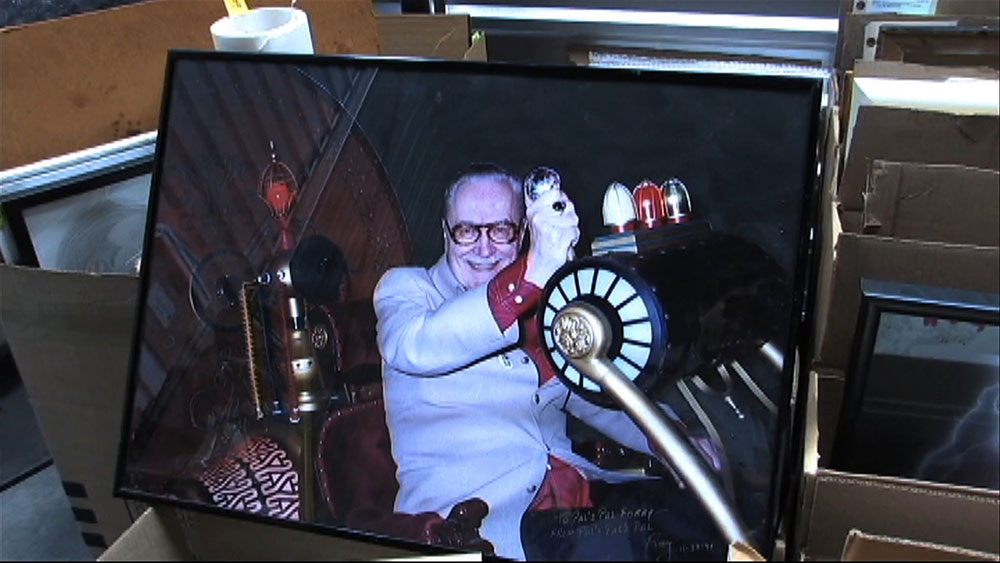
As the film tells it, Ackerman was a lifelong atheist, who didn’t believe in any sort of afterlife during his lifetime. But in his final years, he started to come around to the idea, and told some of his friends that if he discovered a way to communicate after his death, he’d give them a sign.
And it’s not long after Ackerman’s passing that strange signs indeed begin to occur.
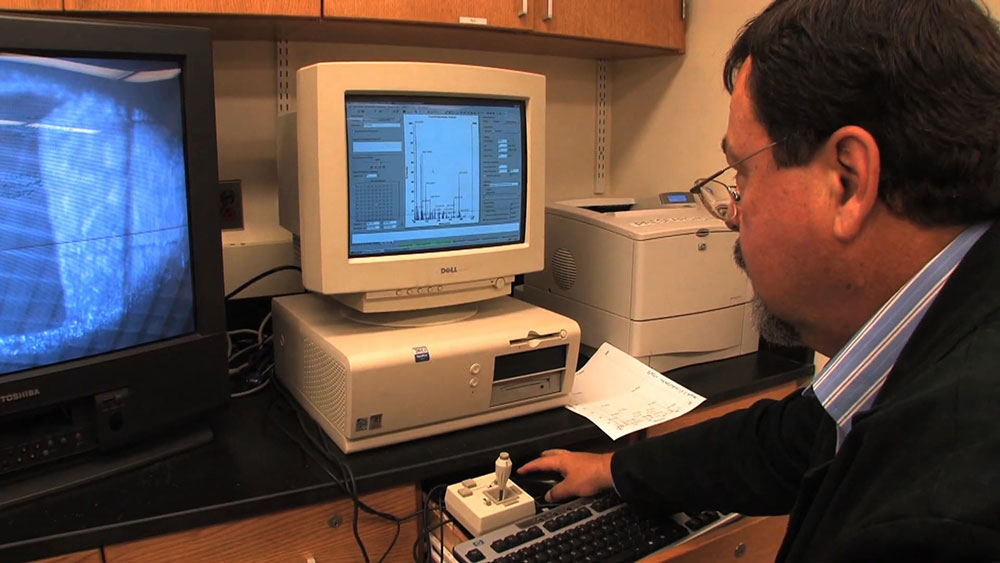
Davids recounts the story (and, amusingly, provides his own reenactment) of an incident where he printed off a call log on a simple sheet of paper, leaving it on a bed while the ink dried. When he came back a couple hours later, one of the words had been completely blacked out, almost as if someone had gone over it with a marker, despite nobody else being in the house.
Other people in Ackerman’s orbit start having weird experiences as well, like Ian Johnston and Mike MacDonald, a Canadian filmmaking duo who made a documentary about him, seeing the word “Ackerman” in a Captcha, or the new residents of Ackerman’s former home (called the “Ackermansion”) seeing shadows moving on the wall. Could Ackerman have found a way to communicate with his old friends from beyond the grave after all?
Now, most people would likely look at these as strange coincidences and move on with their day. But viewed through the prism of their grief, these supposed communications take on a new dimension.
When someone close to us dies, it’s natural to hope that some part of them continues to exist, that they miss us and want to reach us as much as we want to reach them. It’s too painful to imagine that those who’ve passed don’t reciprocate our grief.
Ackerman seems like the kind of person that was extremely beloved by those who knew him, and it’s understandable that Davids and the others would look at any strange occurrence as confirmation that he’s still around.
This aspect makes the film a surprisingly moving look at the lengths that some will go through to hold on to someone they’ve lost.
While your mileage may vary on The Life After Death Project’s effectiveness as a piece of paranormal investigation, the emotional connection is deeply felt.
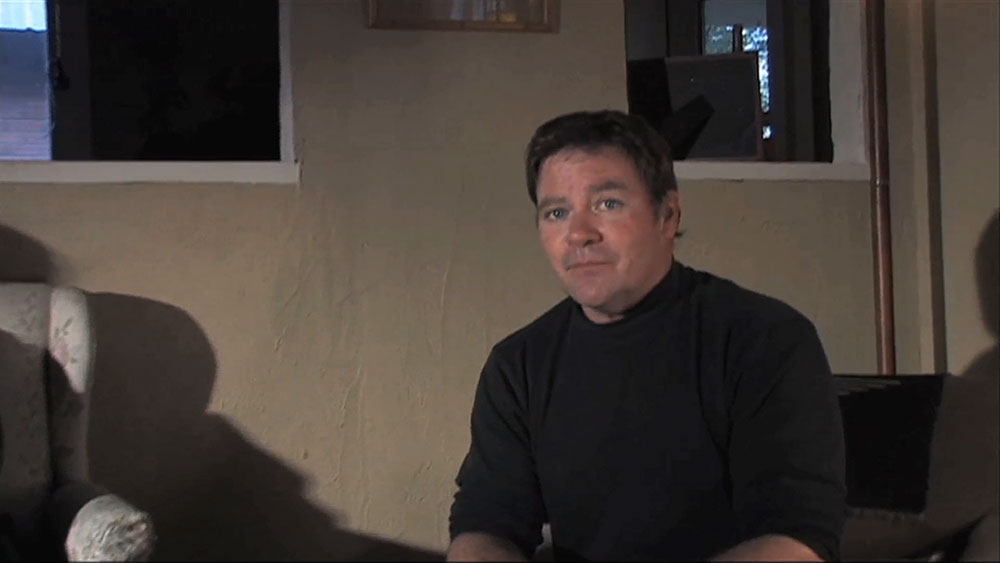
While those interviewed don’t seem completely hollowed out by Ackerman’s loss (at 94, he certainly lived a long and full life), you can tell he meant a lot to them, and many of the strange events are seen as right in line with his particular sense of humor.
It’s funny to think about Ackerman dropping hints from the beyond, watching his friends try to make sense of them, and having a good non-corporeal laugh.
And Davids doesn’t just stick to personal recollections. He consults with forensic scientists, researchers, and mediums in his quest to prove Ackerman’s afterlife experiences. Some of it is certainly compelling, like the fact that even extensive analysis can’t explain what happened to Davids’ sheet of paper, but I doubt any skeptics are going to walk away convinced.
So does The Life After Death Project find definitive proof of its subject? Well, no. But I don’t think that’s really what we’re meant to take away anyway.
It might not be entirely convincing in this respect, but it makes a very convincing case for something altogether different: Forrest J. Ackerman was one of a kind, and he left a big impression during his long lifetime.
Overall Rating (Out of 5 Butterflies): 3.5











Follow Us!