The Shadows We Cast: 25 Films Exploring Complicity, Corruption, and Control



Paul W.S. Anderson’s cosmic horror explores the fragility of civilization when confronted with ultimate evil. The film’s descent into chaos serves as an allegory for how we risk becoming what we fear when faced with the unknown. Its themes of corruption and moral decay in isolated power structures remain relevant.
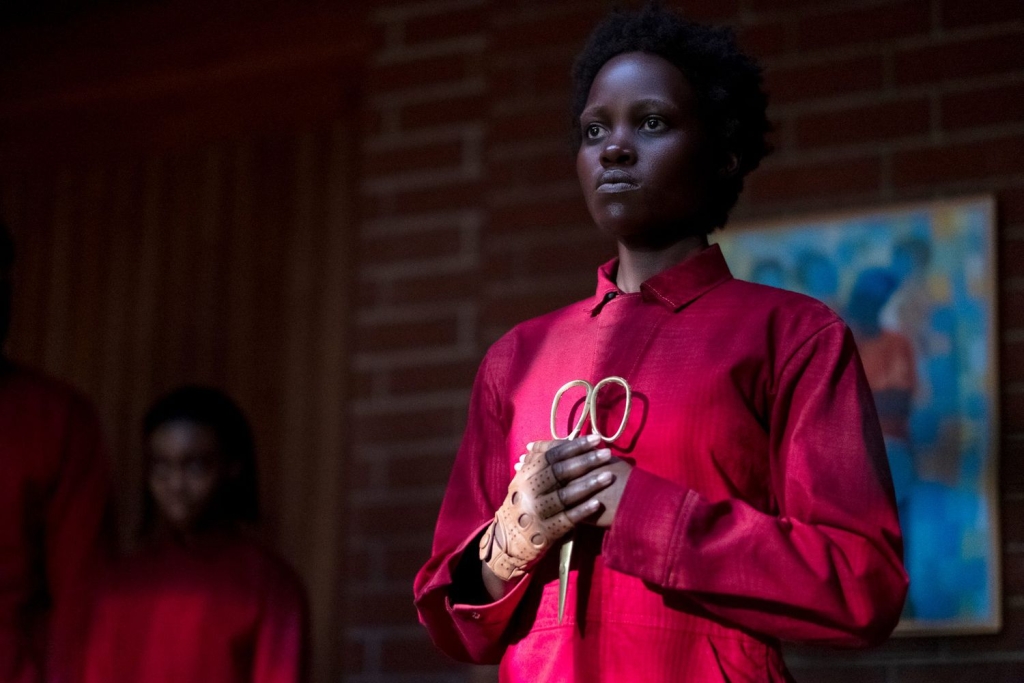
Jordan Peele’s follow-up to Get Out delves into themes of class privilege and societal inequity. By juxtaposing the comfortable lives of the privileged with the brutal existence of their doppelgängers, Us forces audiences to confront how personal comfort often comes at the expense of others’ suffering.
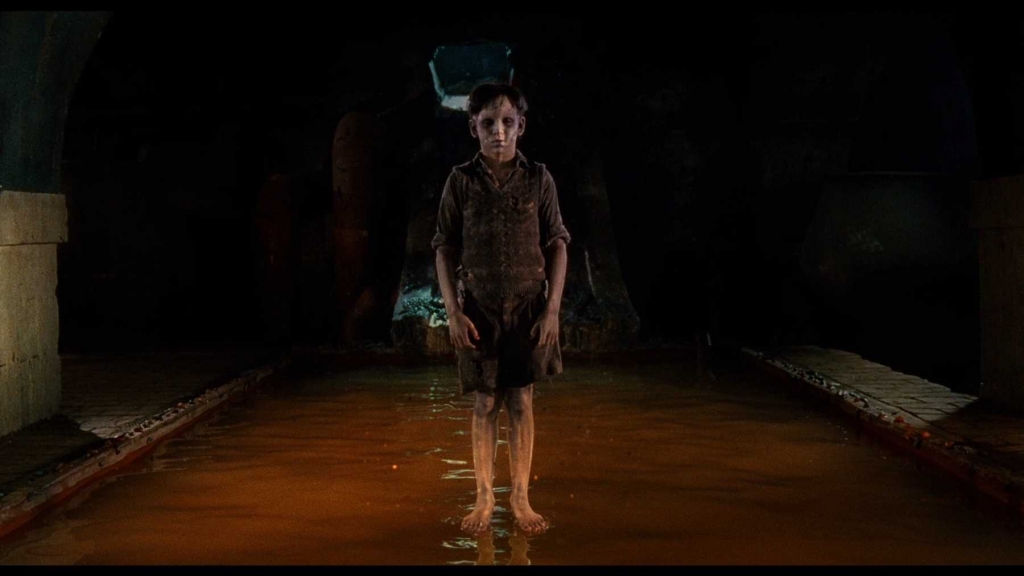
Guillermo del Toro uses a ghost story to explore the horrors of the Spanish Civil War. The film examines how individuals become complicit in fascism, illustrating the cost of turning a blind eye to injustice. It shows how political violence corrupts everyone it touches, offering important historical lessons.

This unsettling tale of a cult led by a controlling patriarch critiques authoritarian leadership and blind devotion. The Other Lamb‘s feminist perspective examines how conformity under oppressive systems can strip individuals of agency. Małgorzata Szumowska uses visual poetry to mask a scathing critique of how authoritarian systems maintain power through ritual and tradition.
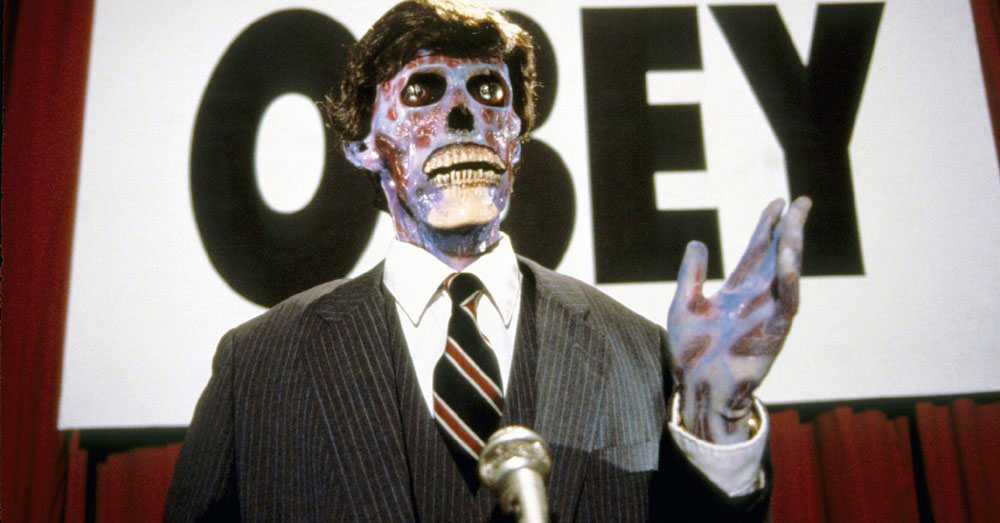
John Carpenter’s sci-fi horror classic is a biting, prescient critique of consumerism, media manipulation, and authoritarian control disguised as freedom. With its iconic imagery, They Live exposes the subtle ways power systems condition society to accept exploitation. Its themes of hidden control and economic exploitation feel more relevant than ever.

While more of a dystopian thriller, this adaptation of Alan Moore’s graphic novel powerfully depicts how societies slide into fascism through public compliance and media manipulation. Its exploration of state control through fear remains pertinent.

Lars von Trier’s controversial uses its serial killer narrative as an allegorical exploration of art, morality, and ideology. Through its titular character, it critiques the ways unchecked ideologies justify atrocities and the monstrousness of human nature. Its provocative approach forces viewers to confront their own complicity in systems of violence.
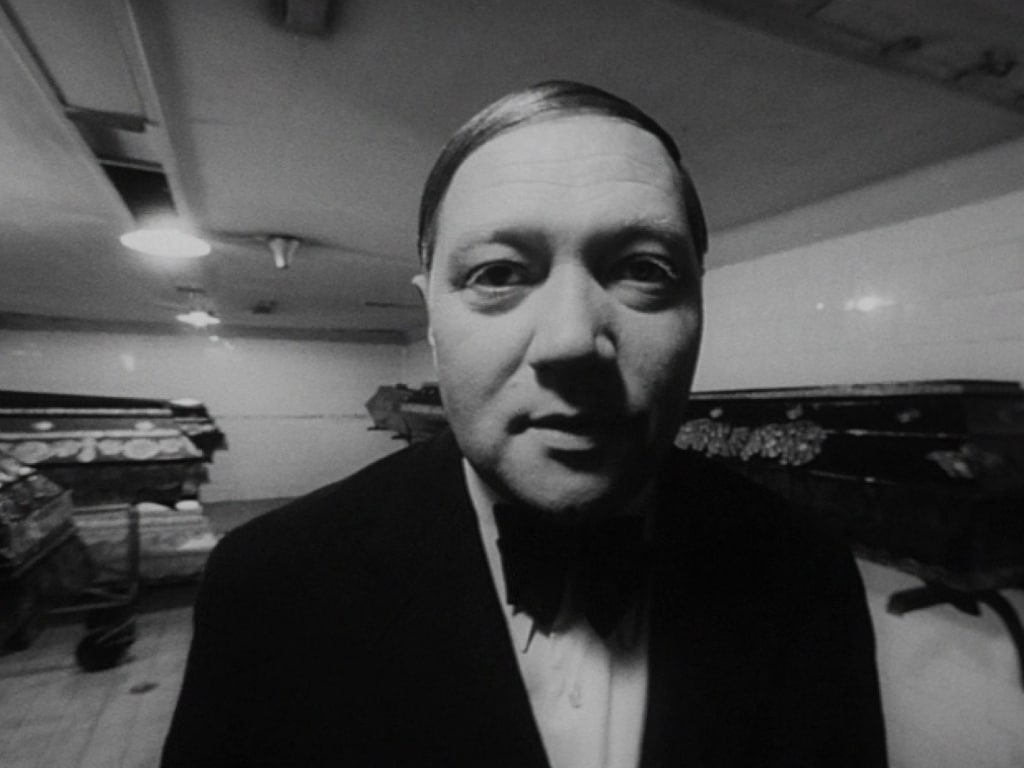
This haunting Czechoslovakian film portrays a man’s descent into fascist ideology during World War II. Its surreal visuals and chilling narrative capture the banality of evil and the allure of authoritarian power, while its dark humor and expressionist style make the film’s exploration of moral corruption uniquely powerful.
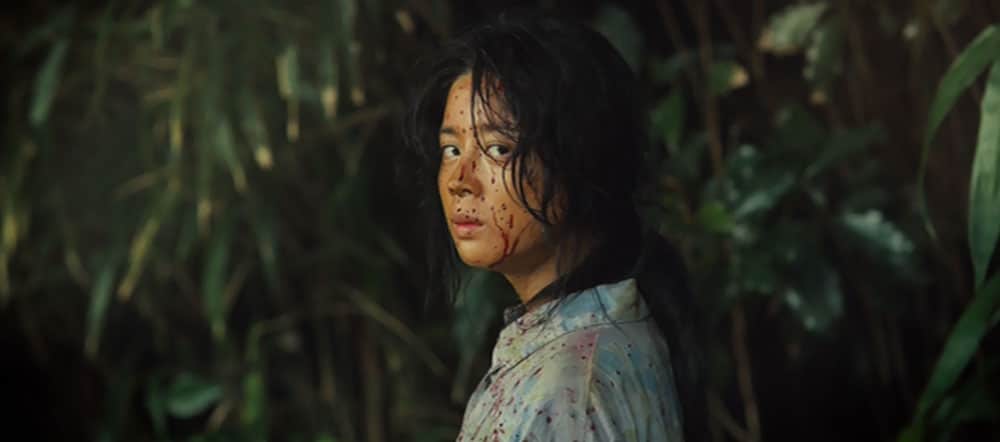
This brutal South Korean film examines societal indifference to abuse and its devastating consequences. By spotlighting personal and collective failure to act, Bedevilled delivers a harrowing critique of apathy in the face of suffering.
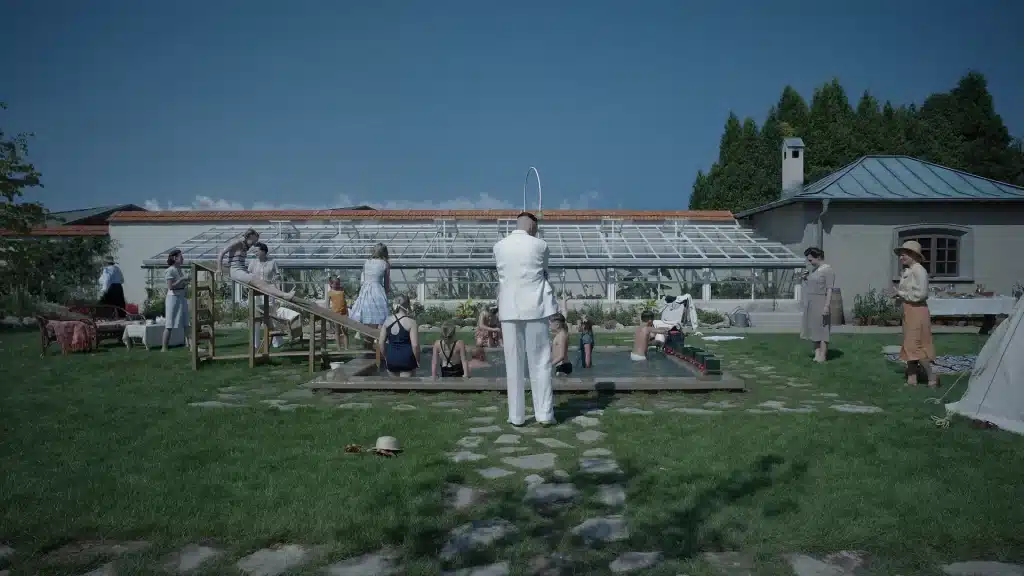
Jonathan Glazer’s chilling exploration of life near Auschwitz depicts the normalization of atrocity. By focusing on the banality of evil, the film underscores how systems of oppression thrive on everyday complicity. Its clinical approach makes its exploration of complicity in atrocity all the more devastating.
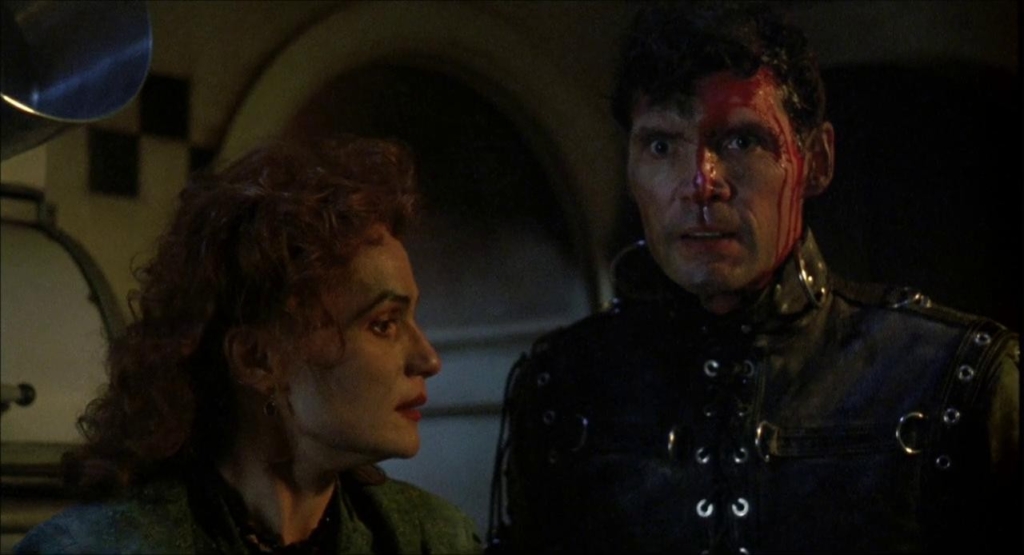
Wes Craven’s socially conscious horror critiques systemic racism, gentrification, and the exploitation of marginalized communities. Its dark humor and horror elements expose the societal structures that perpetuate inequality.
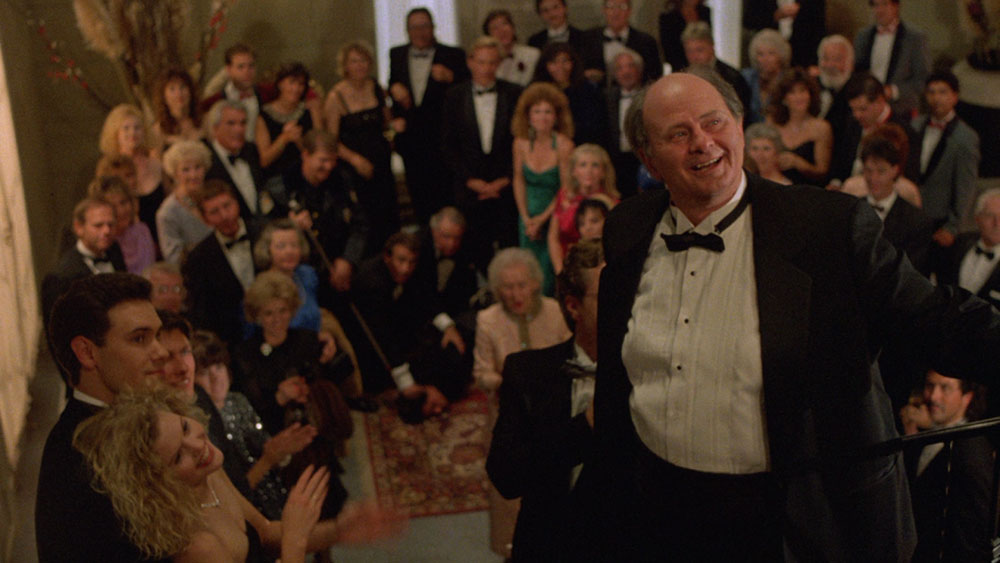
Brian Yuzna’s cult body-horror film is a grotesque and satirical critique of the upper class and their exploitation of the vulnerable. Through its shocking visuals and disturbing allegory, the film literalizes the idea that the rich feed off the poor, portraying the 1% as a parasitic elite who thrive by consuming others—both figuratively and literally. Its biting social commentary remains as relevant today as it was upon release.

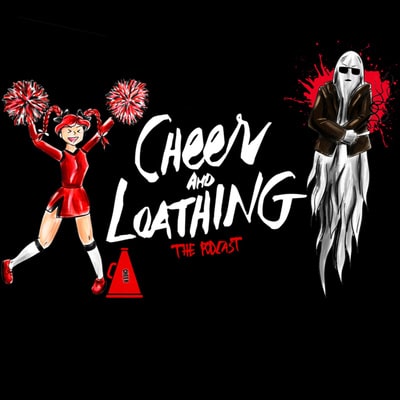
She’s a lover, he’s a fighter. Together, they’re CHEER AND LOATHING. Tune in to hear your hosts, Stephanie (Cheer) and Casey (Loathing), clash over the films they love — and the ones they love to hate.
In this holiday extravaganza episode of Guilty Pleasures, join hosts Stephanie, Kelly, and our newest addition, Jonathan (Jack was tied up in tinsel and couldn't join us), as they unwrap the bizarre and unhinged world of holiday cinema. They dive into the depths of Elves, a film that's as chaotic as it is entertaining. It's a sleigh full of questionable decisions, diabolical dialogue, absurd plot twists, wildly offensive antics, and unhinged holiday mischief.
And that's not all! In the second half of the podcast, join your festive cinephile friends for a look at four more ”nutty as a fruitcake” holiday treats: A New York Christmas Wedding, Elf Bowling, A Medea Christmas, and Jack Frost. Plus, we each offer a bonus Christmas flick guaranteed to make you say, ”Ho, Ho, HO-LY Hell!”
Expect laughter, disbelief, and a spirited debate about what truly makes a movie a guilty pleasure. Don't miss this festive journey through the weirdest corners of holiday films!





Follow Us!