The Shadows We Cast: 25 Films Exploring Complicity, Corruption, and Control


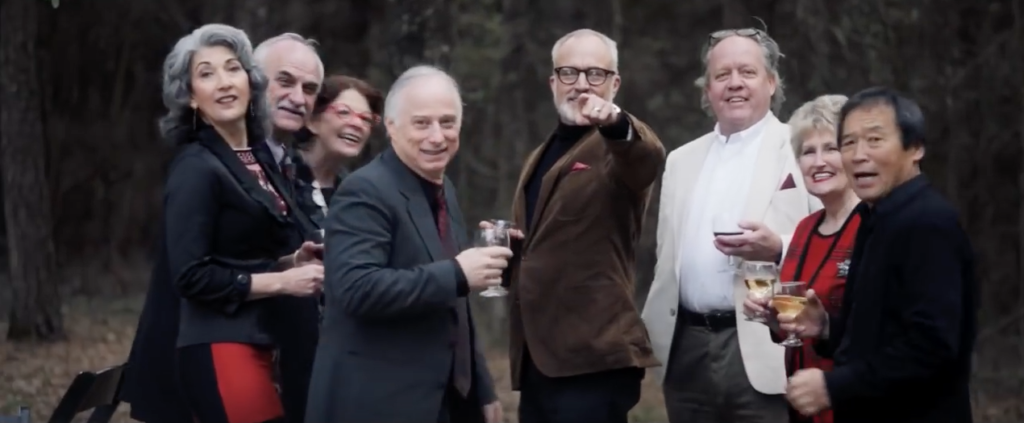
Jordan Peele’s masterful debut is a modern classic that examines the commodification of Black bodies through the lens of systemic racism. The film’s genius lies in how it reveals the horror of seemingly “well-meaning” white liberals whose performative inclusivity masks a deeper, more sinister form of racism. It’s essential viewing for those seeking to understand how systems of oppression persist through superficial acceptance, forcing viewers to confront the insidious ways racism and bigotry hide behind privilege.
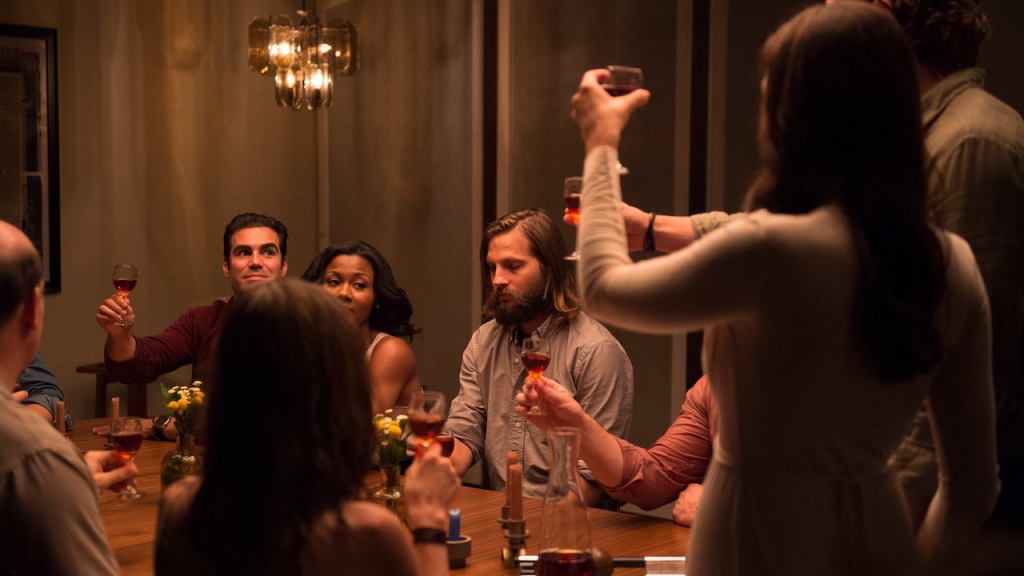
Karyn Kusama’s slow-burn thriller explores the dangers of groupthink and the human need for belonging. It masterfully depicts how trauma and the desire for community can lead people to embrace dangerous ideologies. As the protagonist questions the intentions of a cult-like gathering, the film becomes a chilling metaphor for how societal pressures can suppress dissent and encourage blind compliance. The film resonates strongly with contemporary concerns about radicalization and the appeal of extremist movements.
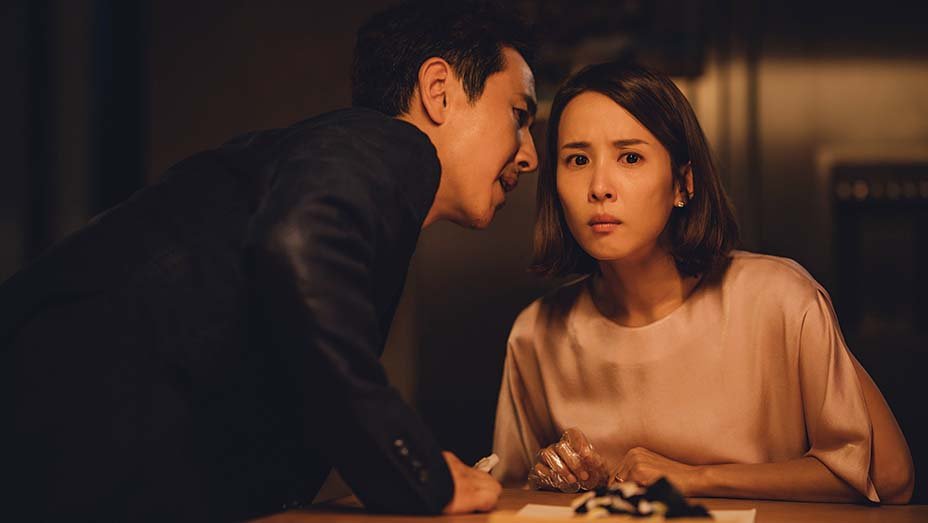
Bong Joon-ho’s Oscar-winning, genre-defying masterpiece delivers a scathing critique of wealth inequality and exploitation. It uses dark humor and mounting tension to expose the brutal hierarchies of capitalism. As its characters navigate a cruel hierarchy, Parasite exposes the complicity required to uphold an unjust system, forcing us to question where we stand in the divide.
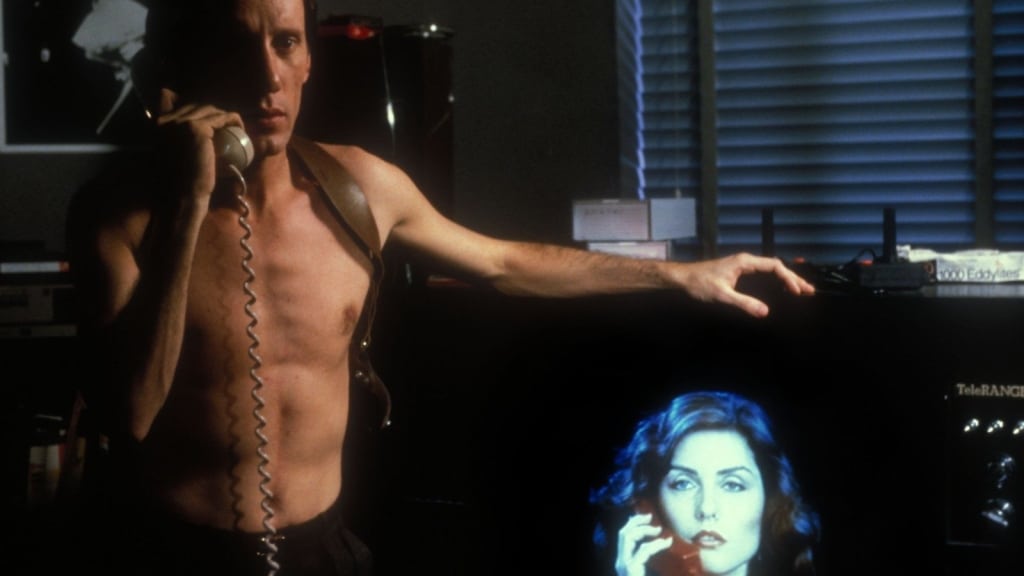
David Cronenberg’s Videodrome is a visceral exploration of media manipulation that delves into society’s complicity in dehumanization. Its grotesque imagery serves as a warning about how easily we surrender autonomy to technological control and consumerism. Its exploration of how media shapes reality and consciousness predicts our current struggles with misinformation and digital manipulation.

This Spanish sci-fi horror is a brutal allegory for capitalism and hierarchical exploitation, showing how people at every level become complicit in maintaining an inherently unfair system. By forcing its characters into a system that pits survival against solidarity, The Platform exposes the moral failures inherent in accepting inequality for personal gain. Its stark metaphor for resource distribution and social responsibility is haunting.
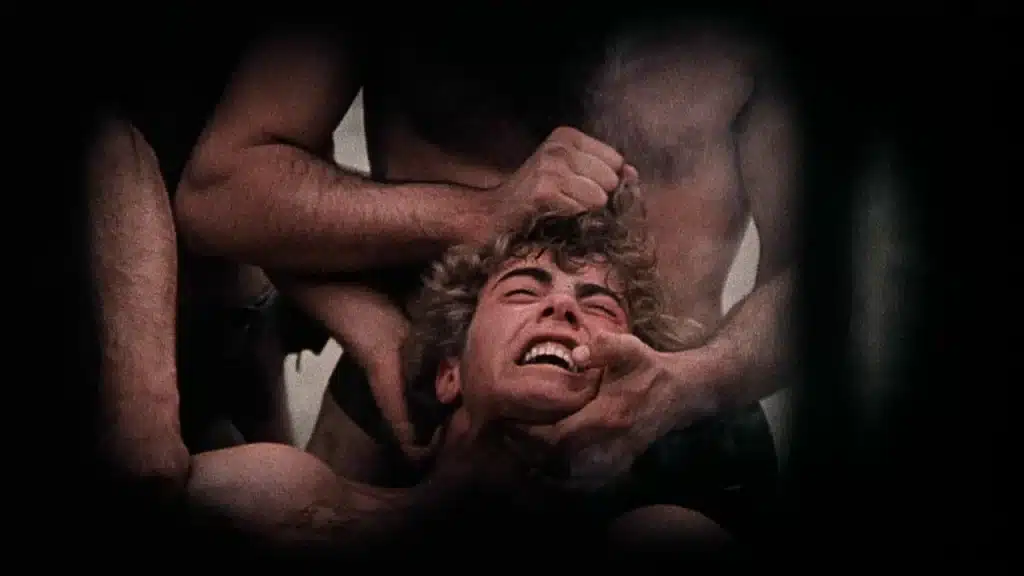
Pier Paolo Pasolini’s notorious and unflinching depiction of fascism reveals how power dehumanizes both victims and perpetrators. Through its extreme depiction of dehumanization, it shows how authoritarian systems corrupt both the oppressors and the oppressed. Though it’s best known for its disturbing content, often ranking high on lists of most extreme horror, Salò is a controversial but important work that forces audiences to confront the complicity and submission that allow atrocities to flourish.
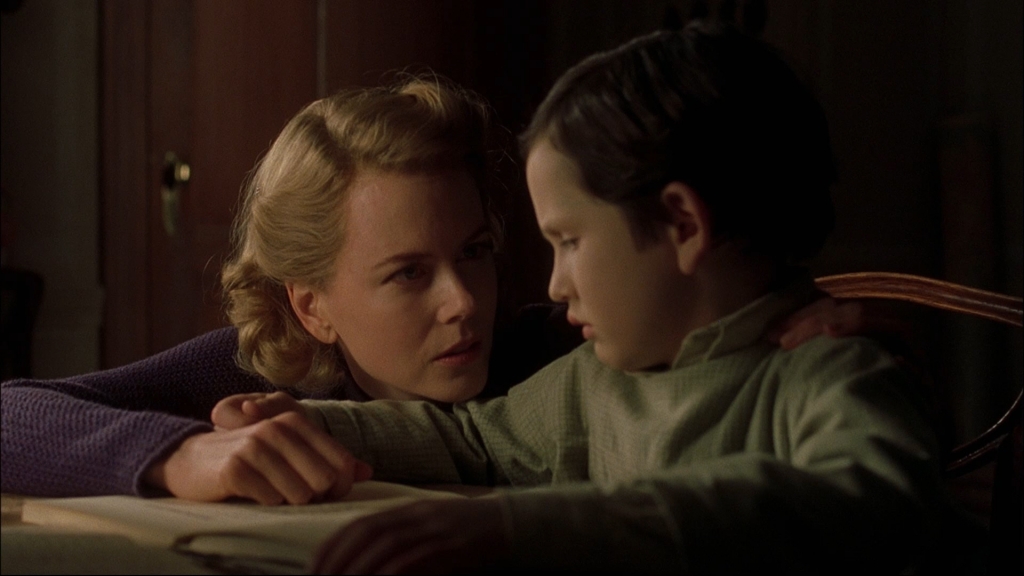
Alejandro Amenábar’s ghost story is also a haunting meditation on denial and historical ignorance. Set in post-World War II Europe, it explores the allure and danger of willful ignorance and how we rewrite personal and collective narratives to avoid facing uncomfortable truths.
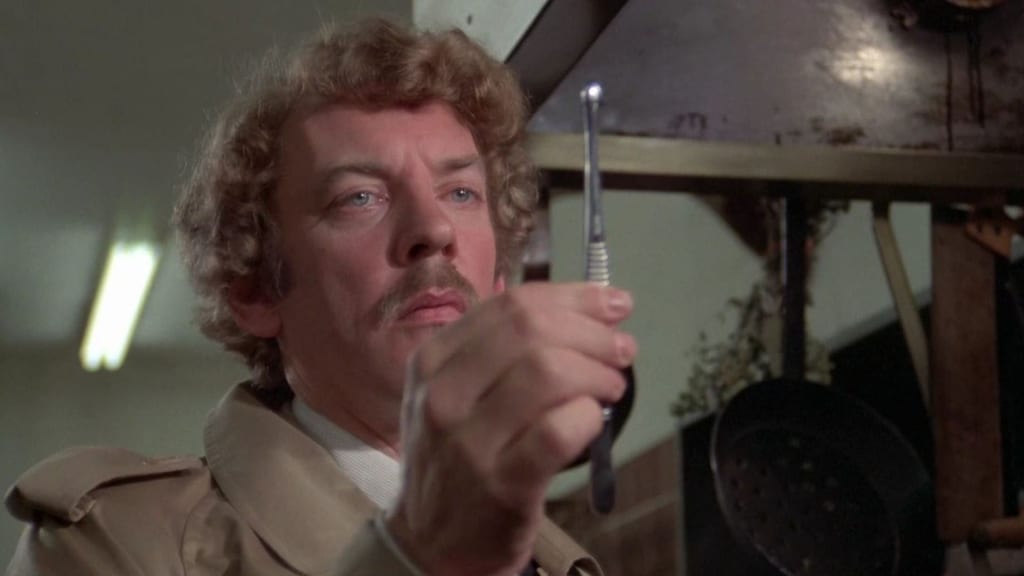
This paranoid classic and horror remake brilliantly captures paranoia about conformity and the loss of individuality. As pod people replace humans, the film critiques societal pressure to conform to oppressive ideologies. Its San Francisco setting and cynical ending speak to how even progressive communities can succumb to groupthink and authoritarian control.
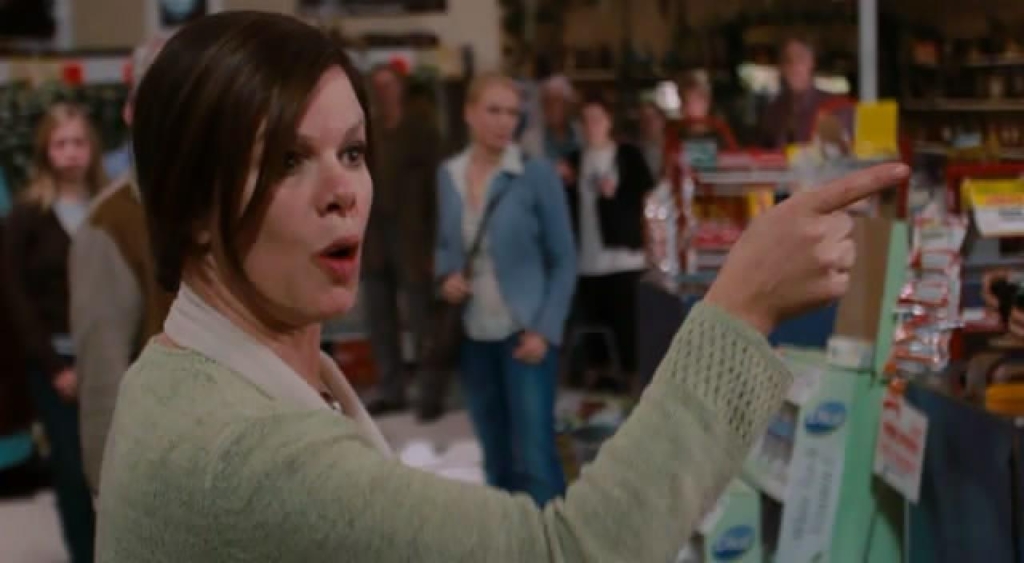
Frank Darabont’s adaptation of Stephen King’s novella depicts the rapid moral collapse of individuals under extreme societal pressure, highlighting how fear can erode empathy and humanity. Its exploration of mob mentality and the dangers of religious extremism speaks to contemporary political divisions. Its gut-wrenching finale serves as a stark warning about making decisions based on fear rather than reason.

Ti West’s found-footage retelling of the Jonestown Massacre demonstrates how charismatic leadership and group psychology can lead to mass tragedy. The Sacrament‘s documentary-style approach makes the horror feel immediate and possible, underscoring the real-world horror of mass complicity in evil.
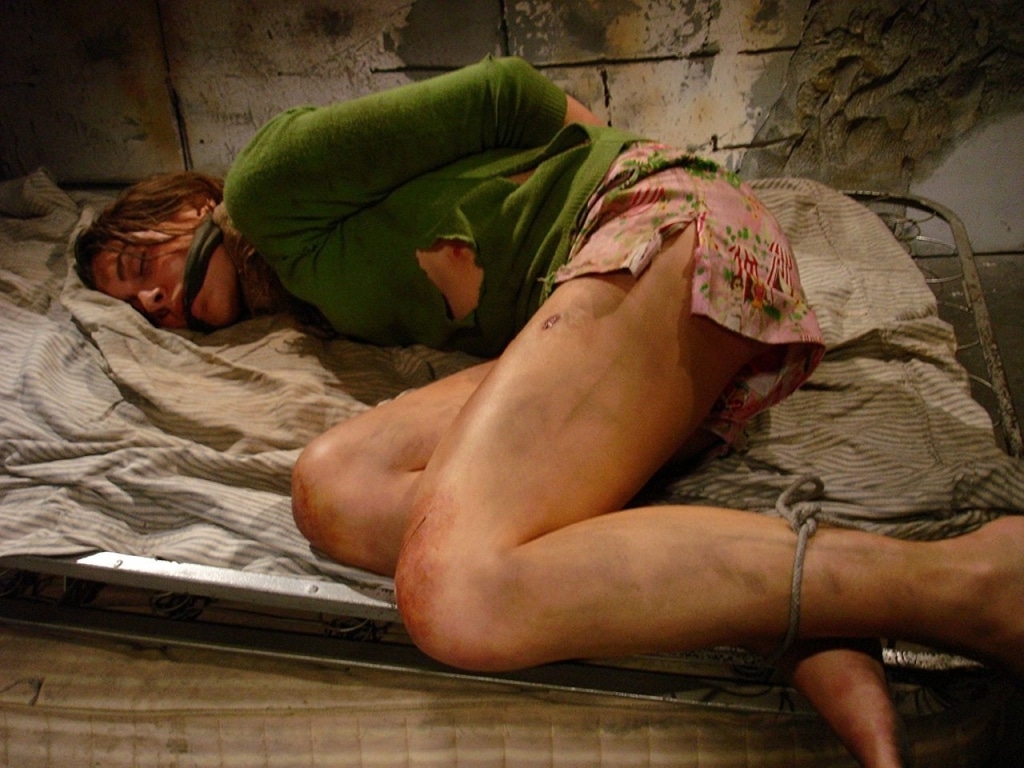
Based on Jack Ketchum’s novel and true events, this harrowing film examines how suburban complicity enables horrific abuse. Its unflinching portrayal forces viewers to confront the moral failures of indifference and passivity. It’s hard to watch but extraordinary, serving as a powerful indictment of social apathy.
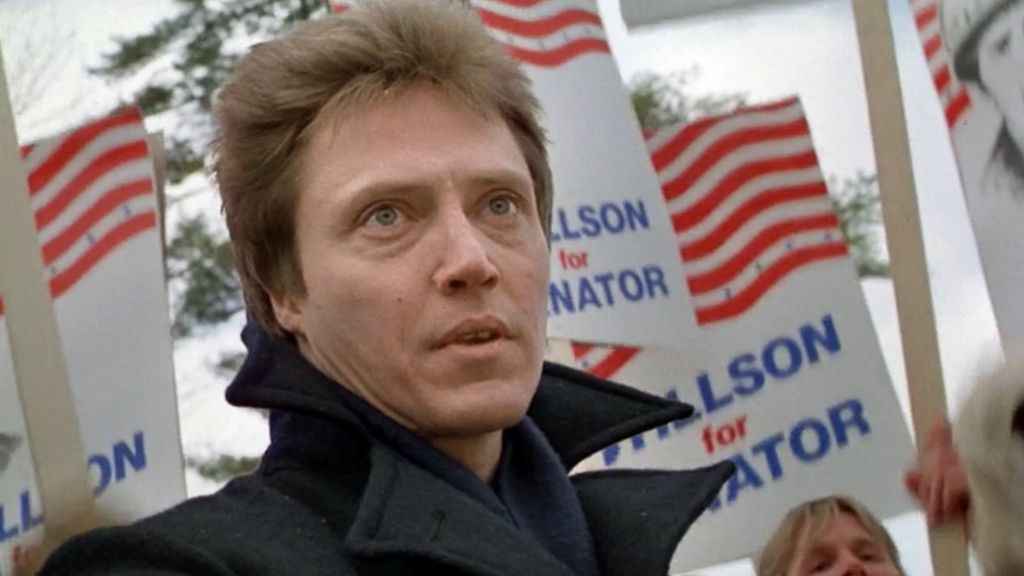
David Cronenberg’s political thriller, an adaptation of Stephen King’s novel about a man who can see the future, depicts a small-town community seduced by a dangerous populist leader. It’s a meditation on political responsibility and the allure of populist demagogues, as well as a chilling reminder of how charisma and fear can corrupt collective judgment.

This noir-infused horror examines secret societies and creeping authoritarianism in ways that spoke to wartime audiences and still resonate today. Its exploration of groupthink and personal sacrifice remains eerily relevant in a world increasingly shaped by repression and control. Its sophisticated treatment of cult mentality and societal pressure was ahead of its time.

She’s a lover, he’s a fighter. Together, they’re CHEER AND LOATHING. Tune in to hear your hosts, Stephanie (Cheer) and Casey (Loathing), clash over the films they love — and the ones they love to hate.
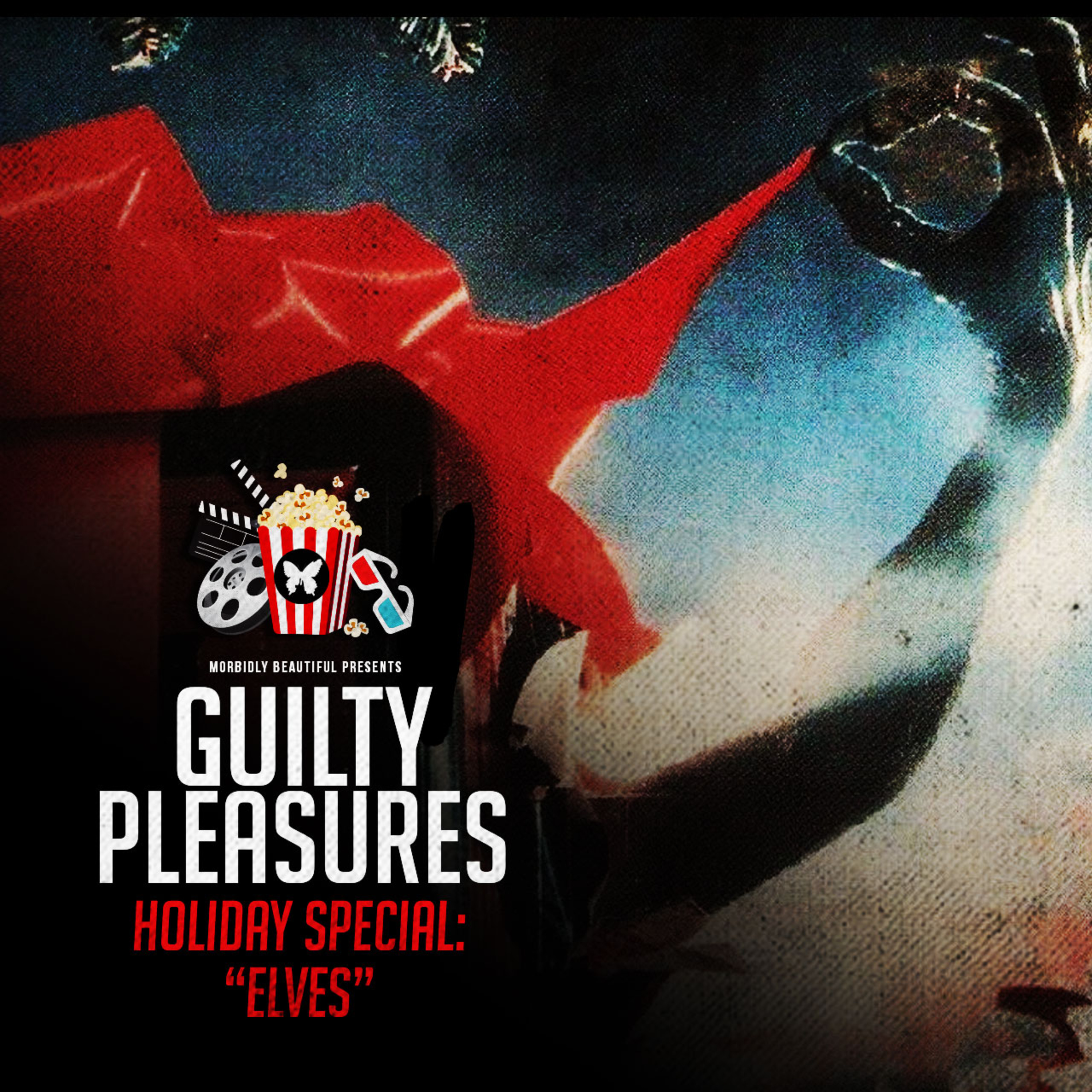
In this holiday extravaganza episode of Guilty Pleasures, join hosts Stephanie, Kelly, and our newest addition, Jonathan (Jack was tied up in tinsel and couldn't join us), as they unwrap the bizarre and unhinged world of holiday cinema. They dive into the depths of Elves, a film that's as chaotic as it is entertaining. It's a sleigh full of questionable decisions, diabolical dialogue, absurd plot twists, wildly offensive antics, and unhinged holiday mischief.
And that's not all! In the second half of the podcast, join your festive cinephile friends for a look at four more ”nutty as a fruitcake” holiday treats: A New York Christmas Wedding, Elf Bowling, A Medea Christmas, and Jack Frost. Plus, we each offer a bonus Christmas flick guaranteed to make you say, ”Ho, Ho, HO-LY Hell!”
Expect laughter, disbelief, and a spirited debate about what truly makes a movie a guilty pleasure. Don't miss this festive journey through the weirdest corners of holiday films!





Follow Us!