50 Years Later: “Jaws” and the Most Influential Horror Films of All Time


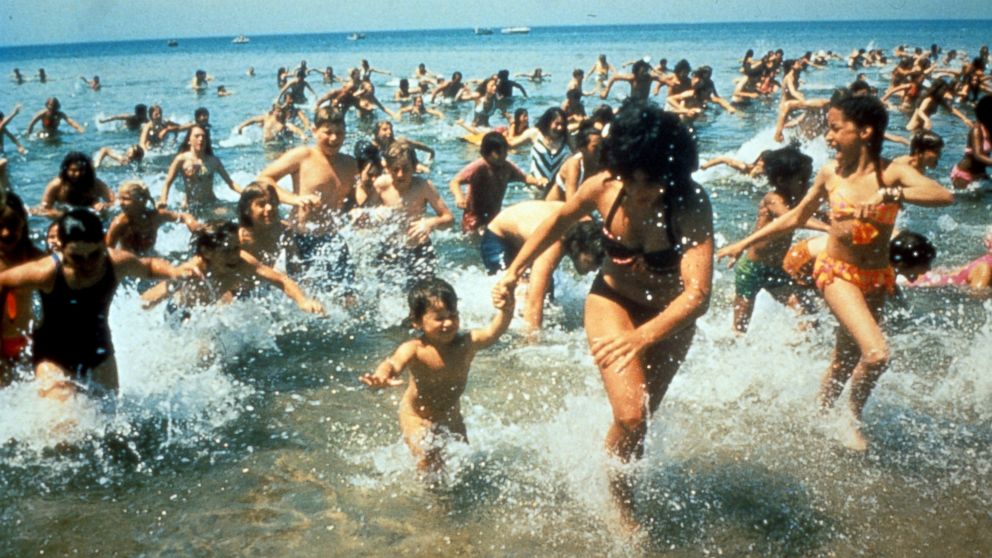

Fifty years after its original release, sitting in an Alamo Drafthouse theater for the 4K restoration of Jaws feels less like revisiting an old classic and more like witnessing the birth of cinema’s modern heartbeat all over again.
Projected on the big screen—razor sharp, thunderously loud, and terrifyingly alive—Spielberg’s accidental masterpiece remains as flawless as the day it swam into theaters. It’s astonishing that a film plagued by production nightmares still strikes with such precision; every barrel bobbing on the waves and every note of John Williams’s score still primes our nervous systems like a Pavlovian bell of dread.
Half a century later, nothing holds a candle to JAWS. However, watching this remastered masterpiece and experiencing it again for what felt like the first time, I was inspired to reconsider the handful of films from the same era that redefined horror forever.
Alongside Jaws, titles like Night of the Living Dead, The Exorcist, The Texas Chain Saw Massacre, and Halloween continue to loom like monoliths: foundational works that reshaped the genre and remain culturally seismic, still sparking debates, love letters, and nightmares in equal measure.

George A. Romero’s stark, black-and-white nightmare rewrote the rules of horror by creating the modern zombie and, more importantly, showing us that the true monster might be ourselves. Its grainy realism and shocking finale—where the Black protagonist is mistaken for a threat and casually executed—cemented it as both a genre revolution and a cultural mirror of America’s racial and social fractures. More than fifty years later, the film’s apocalyptic vision still feels terrifyingly plausible, its critique of human division as urgent as ever.
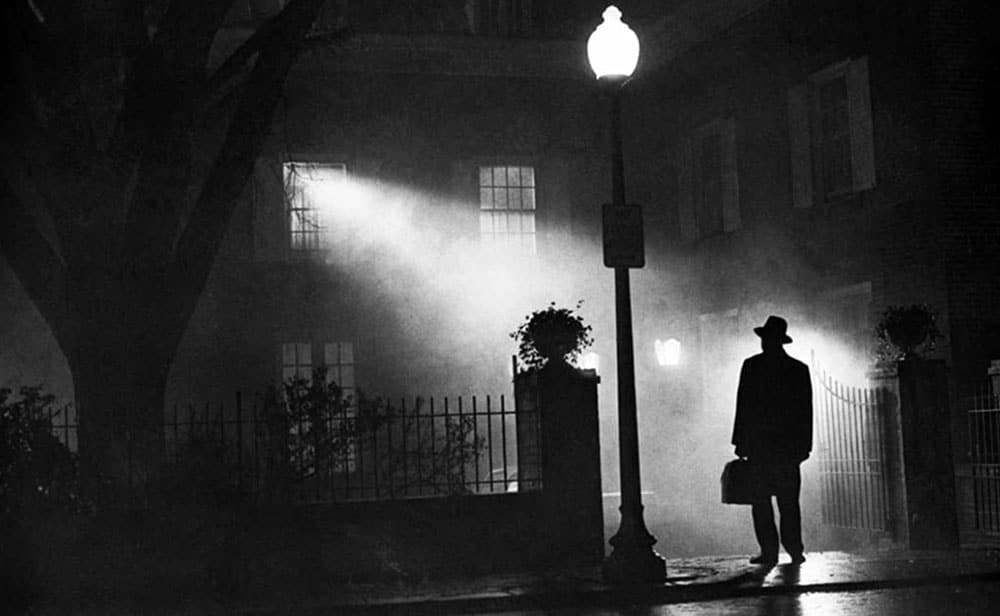
William Friedkin’s landmark tale of possession did what no horror film had done before: it demanded to be taken seriously. With its staggering box office success, Best Picture nomination, and enduring ability to unsettle, The Exorcist elevated horror from grindhouse spectacle to cultural phenomenon. Its raw depiction of faith, doubt, and the terrifying metamorphosis of adolescence makes it more than just a shocker—it’s a primal meditation on belief, fear, and the limits of reason. That audiences still whisper about Regan’s desecrations five decades on is a testament to its haunting grip.
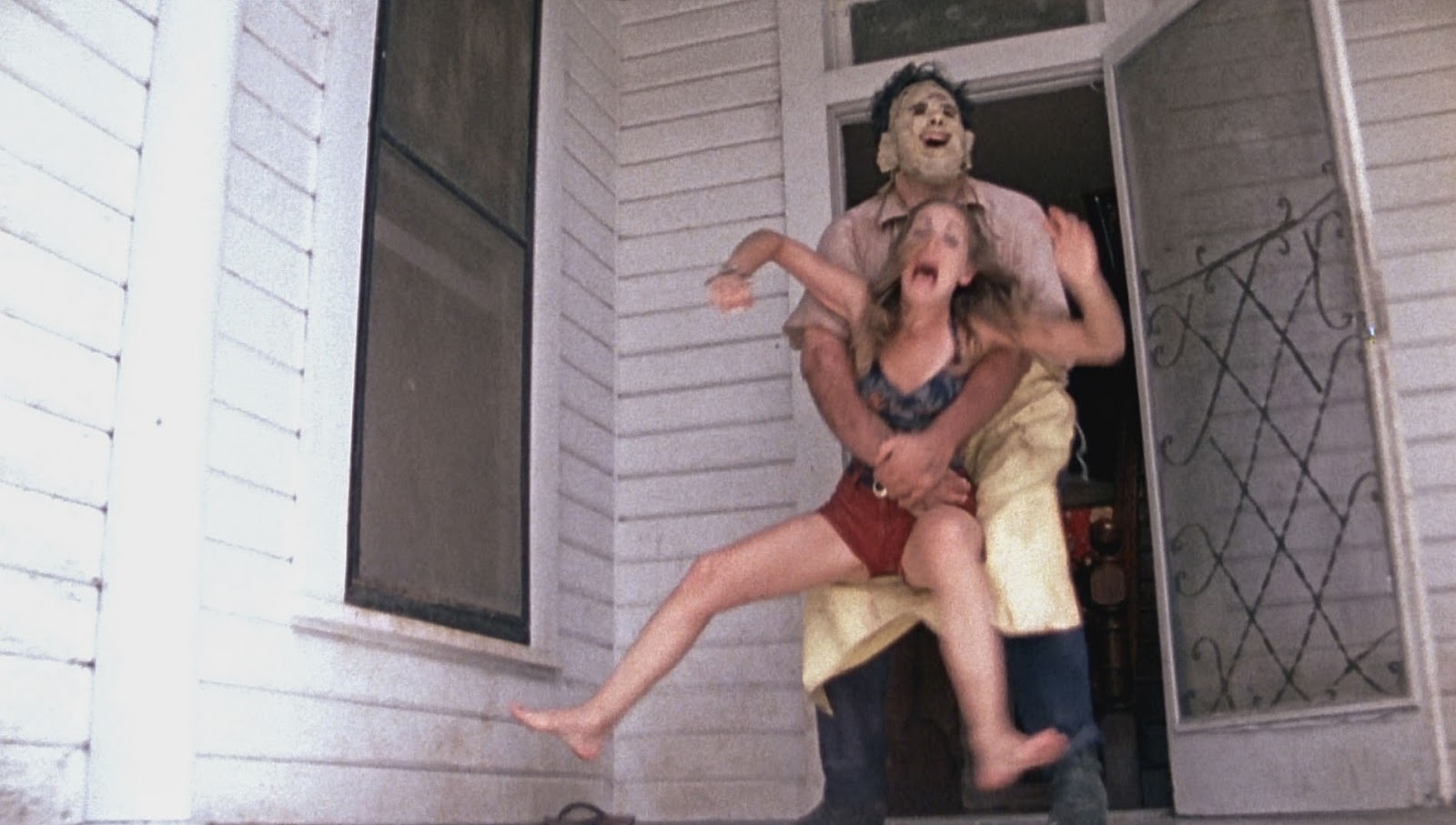
Tobe Hooper’s sun-bleached descent into madness remains one of the rawest and most politically charged horror films ever made. By trading gothic castles for rural Texas backroads, Chain Saw captured the paranoia of the Watergate era and the economic malaise of 1970s America. What lingers isn’t just Leatherface’s roar or the claustrophobic terror—it’s the sense that the violence is systemic, a grotesque reflection of a society consuming its own. It is as abrasive and unsettling today as when it first shocked audiences into silence.
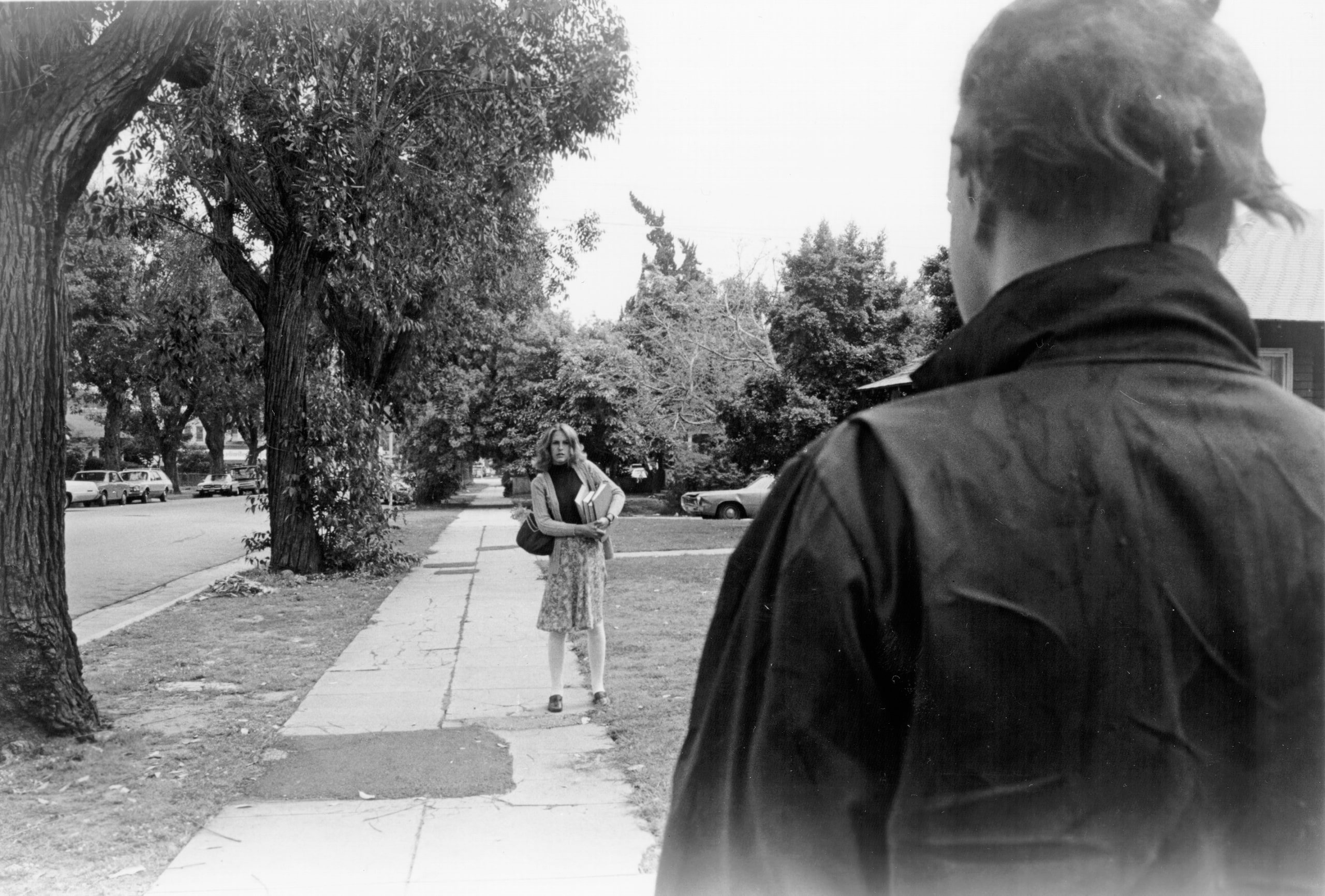
John Carpenter’s minimalist masterpiece perfected the slasher formula and gave the world its most chillingly blank villain: Michael Myers. With its eerie score, prowling camerawork, and a deceptively simple story, Halloween demonstrated how pure cinematic control could generate terror. Whether read as a morality tale of punished youth or, as Carpenter insists, a story of inexplicable evil with no moral at all, its ambiguity is its genius. Nearly half a century later, the Shape still lurks, its white mask a canvas for every cultural fear we dare project.
What unites these films is their seismic impact: each reshaped horror by giving form to the anxieties of its time.
But Jaws occupies a singular position in this pantheon. Where Romero, Friedkin, Hooper, and Carpenter captured the cultural unraveling of the late 1960s and ’70s through independent grit and subversive vision, Spielberg transformed those same cultural fears into a global blockbuster. The shark that audiences never quite saw became the monster everyone felt, embedding itself in the collective imagination with a power that has never diminished.
If the others proved horror could be urgent art, Jaws proved it could also be a universal language: terrifying, entertaining, and enduring all at once.
Fifty years on, the waves it set in motion still crash across the genre, a reminder that true horror doesn’t fade with time; it only grows larger beneath the surface.

She’s a lover, he’s a fighter. Together, they’re CHEER AND LOATHING. Tune in to hear your hosts, Stephanie (Cheer) and Casey (Loathing), clash over the films they love — and the ones they love to hate.
In this holiday extravaganza episode of Guilty Pleasures, join hosts Stephanie, Kelly, and our newest addition, Jonathan (Jack was tied up in tinsel and couldn't join us), as they unwrap the bizarre and unhinged world of holiday cinema. They dive into the depths of Elves, a film that's as chaotic as it is entertaining. It's a sleigh full of questionable decisions, diabolical dialogue, absurd plot twists, wildly offensive antics, and unhinged holiday mischief.
And that's not all! In the second half of the podcast, join your festive cinephile friends for a look at four more ”nutty as a fruitcake” holiday treats: A New York Christmas Wedding, Elf Bowling, A Medea Christmas, and Jack Frost. Plus, we each offer a bonus Christmas flick guaranteed to make you say, ”Ho, Ho, HO-LY Hell!”
Expect laughter, disbelief, and a spirited debate about what truly makes a movie a guilty pleasure. Don't miss this festive journey through the weirdest corners of holiday films!


Follow Us!