50 Years Later: “Jaws” and the Most Influential Horror Films of All Time


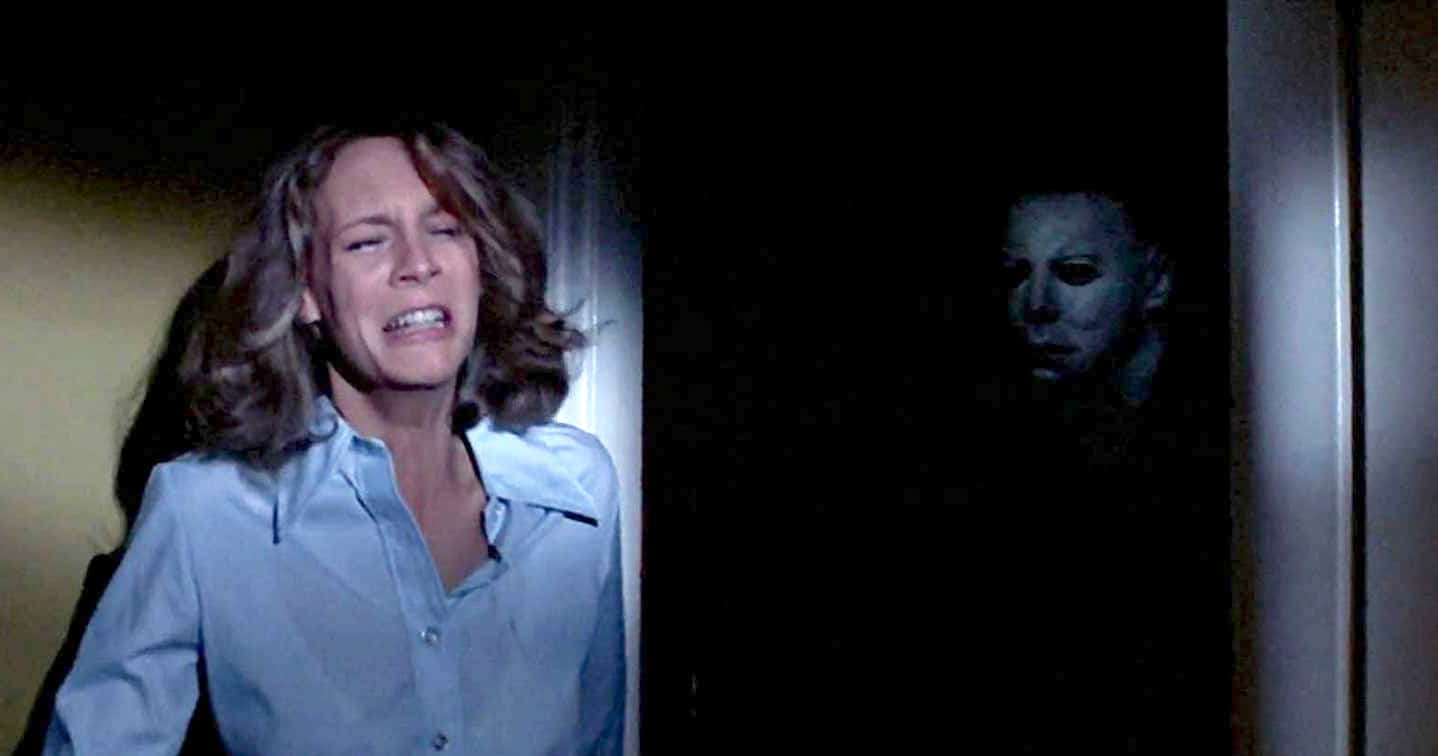
To understand why Jaws still feels like a revelation at fifty, it’s important to place it alongside the other pillars that defined modern horror. Night of the Living Dead, The Exorcist, The Texas Chain Saw Massacre, and Halloween each tore down the genre’s old foundations and built something radically new in its place.
Together, they mark the transition from gothic creatures and pulp thrills to a cinema of social commentary, psychological depth, and cultural anxiety. These films captured the zeitgeist of a social and political landscape marked by a pervasive sense of national unraveling, fueled by the traumas of the Vietnam War, the disgrace of the Watergate scandal, and a growing distrust of established institutions and the traditional family unit.
A new generation of filmmakers emerged to articulate this widespread anxiety, using horror as a raw, visceral medium to reflect real-world fears about institutional collapse and a burgeoning nihilism. These filmmakers pioneered a new approach that would permanently alter the genre’s landscape.
The following table provides a comparative overview of four foundational films that laid the groundwork for modern horror, each a masterclass in exploiting a different type of societal and psychological terror.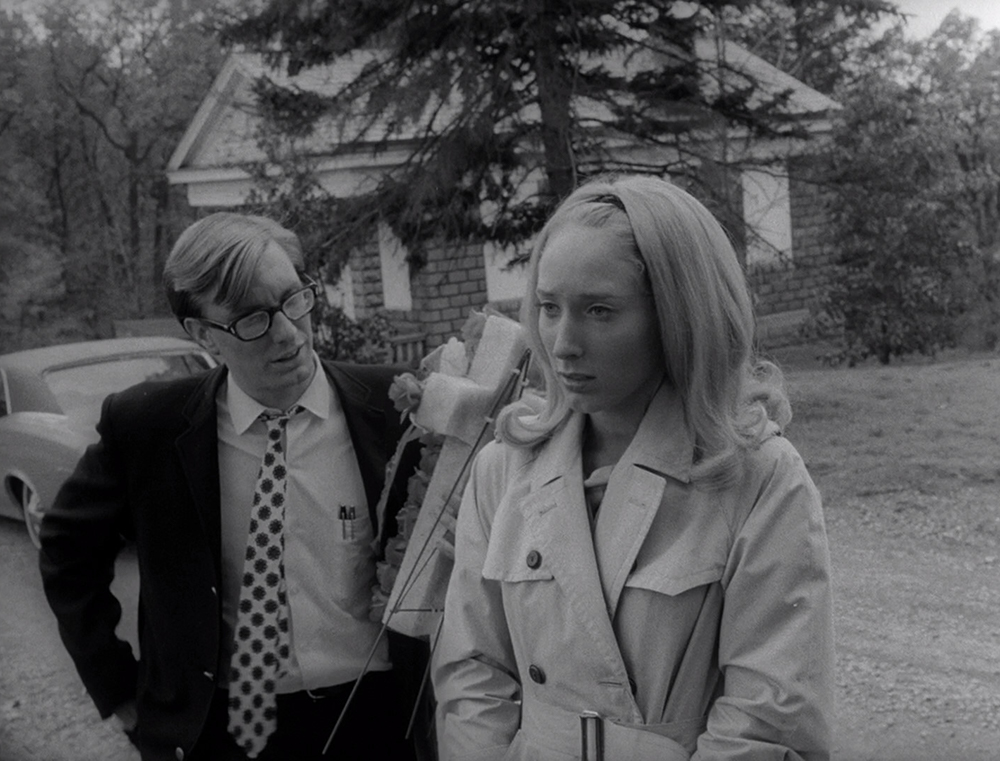
George A. Romero’s micro-budget masterpiece is widely credited with inventing the modern zombie archetype. Before this film, the zombie was a docile, often voodoo-enslaved figure. Romero’s ghouls were flesh-eating, relentless, and a product of an inexplicable, apocalyptic event that blurred the lines between the living and the dead. Filmed in stark black and white with a gritty, documentary-style aesthetic, the movie’s low-budget look lent it a terrifying sense of realism, replicating the “direct cinema” movement of the 1960s and making the events feel immediate and plausible.
The film’s success proved that horror could be both financially viable and artistically potent, a crucial lesson that would influence a wave of independent filmmakers to follow.
Its influence is deeply embedded in the works of filmmakers from the direct descendants of the zombie genre, such as Edgar Wright and Eli Roth, to broader genre auteurs like John Carpenter and Wes Craven. However, the film’s most profound and enduring legacy lies in its layered social commentary.
NIGHT OF THE LIVING DEAD is a raw critique of a collapsing society, where the survivors are undone not by the external threat, but by their own internal divisions, distrust, and infighting.
The ultimate failure of the characters to unite against a common foe is a chilling reflection on human nature. What makes the film so powerful is that it functions as a Rorschach test for society, with its meaning permanently cemented by the cultural moment in which it was released.
While Romero often stated that the casting of a Black lead, Duane Jones, was not an overt political statement, the film’s chilling ending—where the heroic protagonist, Ben, is tragically shot by a white posse who mistake him for a zombie—is an undeniable reflection of the racial violence of the era.
Coming in the wake of the civil rights struggles and the assassinations of Martin Luther King Jr. and Malcolm X, this final act of prejudice against the film’s most capable character imbues the ending with a profound and lasting meaning that transcends the filmmaker’s original intent.

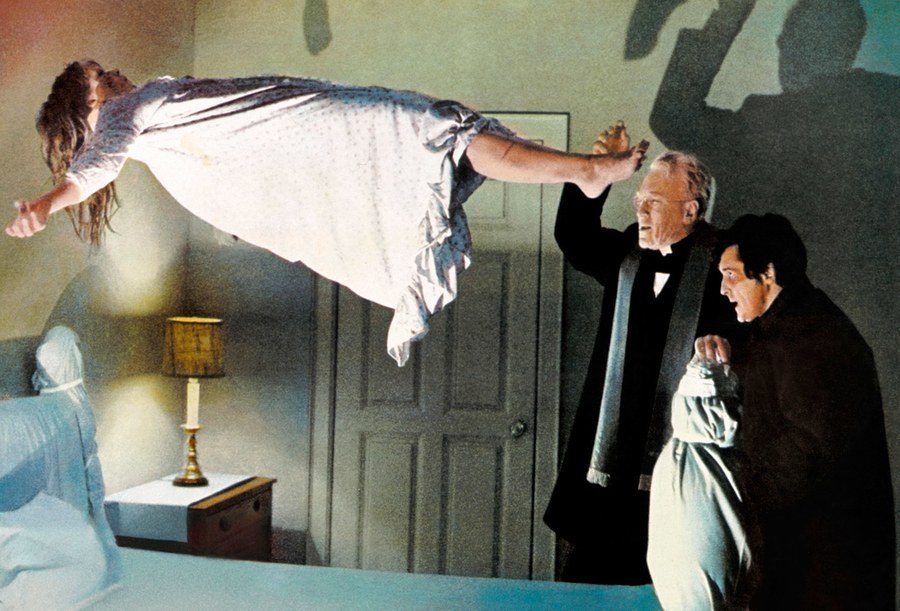
The Exorcist did not just terrify audiences; it single-handedly legitimized supernatural horror as a commercially viable and artistically serious genre.
Its breakout box office success and unprecedented critical acclaim, including the first Best Picture nomination for a horror film, demonstrated that the genre could deal with complex ideas and have high production values. The film’s terrifying, visceral realism was achieved through groundbreaking practical effects that made the supernatural feel horrifyingly tangible, setting a new standard for on-screen terror that continues to influence modern filmmakers today.
The film’s success spawned a wave of large-budget imitators, cementing the demonic possession subgenre as a horror staple. Its influence is cited by major directors across generations, from Wes Craven and John Carpenter to modern auteurs like James Wan and Ari Aster.
The film’s enduring power stems from its ability to tap into a collective anxiety about the decline of faith and the inability of modern science to explain all of life’s horrors.
The central conflict between a priest who has lost his faith and a psychiatrist who embodies rationalism mirrors this societal battle between belief and reason.
The film’s persistent relevance can also be attributed to its role as a metaphor for the terrifying transformations of adolescence. The demon’s violation of young Regan’s body and her horrific physical and verbal transformations—from a sweet, innocent girl to a profane, self-mutilating monster—can be read as a societal fear of female puberty and emerging sexuality.
The fact that the film still elicits such a visceral response, even though its “shocking” elements have been widely parodied, speaks to its ability to tap into this primal, ongoing cultural discomfort.

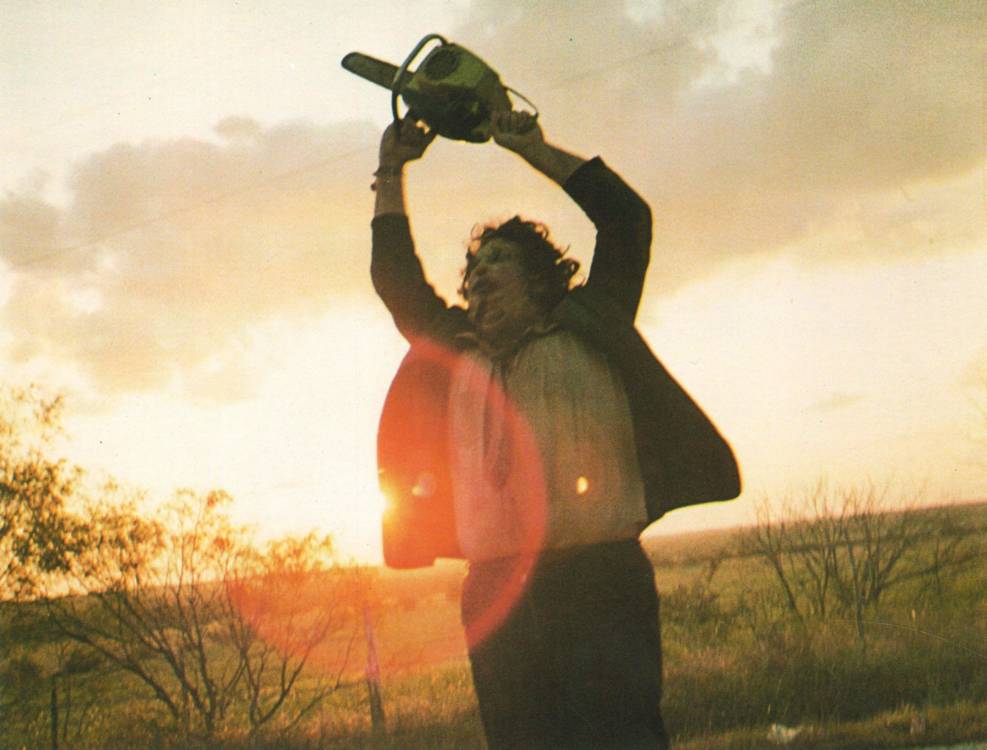
Tobe Hooper’s film is widely regarded as the foundational text for the modern slasher genre. It established the core formula that would dominate the next decade of horror: a group of young, unsuspecting victims, a masked, hulking killer with a signature weapon, and the archetype of the “final girl” who must endure and survive.
Its documentary-style aesthetic and sun-scorched, claustrophobic atmosphere were a stark departure from the gothic polish of earlier films, proving that a raw, visceral approach could be more impactful than gore.
Despite its reputation for being a “visceral, brutal” film, its genius lies in its restraint, as there is very little on-screen blood, with the horror stemming from psychological torment and implied violence. Hooper’s work deeply influenced a new generation of horror filmmakers, including Guillermo del Toro, Eli Roth, and Rob Zombie. Ridley Scott even credited it as a key influence on Alien, an endorsement that speaks to its cross-genre power.
The film’s notorious marketing lie—that it was “based on a true story”—was a direct response to a generation’s profound distrust of government and media.
TCM’s enduring power is rooted in its political commentary. Tobe Hooper explicitly stated that the film was a “political allegory and comedy” inspired by the Watergate era, which he believed was defined by violence and political deceit. The cannibalistic family, turning on its own, serves as a grotesque metaphor for the self-destruction of the Nixon administration and the violence an increasingly authoritarian government inflicted on its own “children,” the youth of the 1970s.
The film’s setting—a desolate, sun-bleached Texas landscape where unemployment and fuel hoarding are prevalent—is a direct allegory for the 1973 oil crisis and the broader economic stagnation of the period.
The family’s descent into cannibalism can be viewed as the ultimate consequence of late-stage capitalism and a hoarding economy, where the value of capital stagnates and the value of bodies increases.
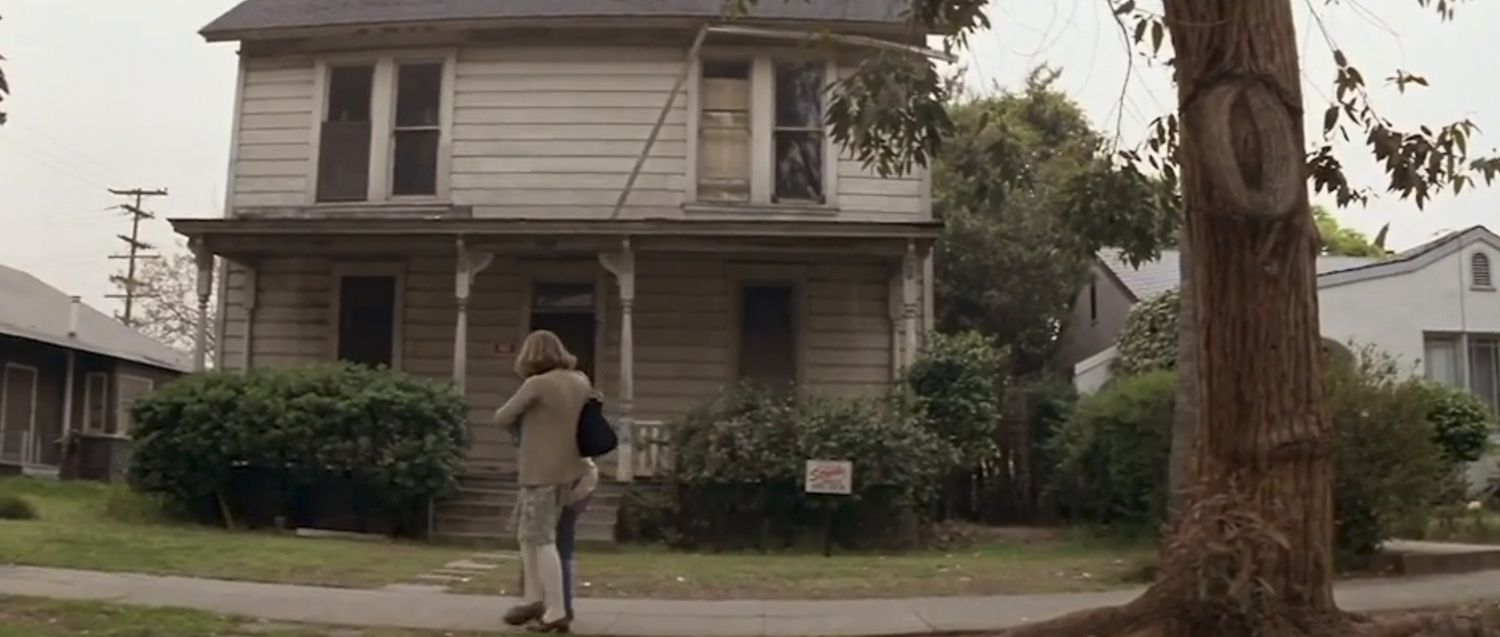
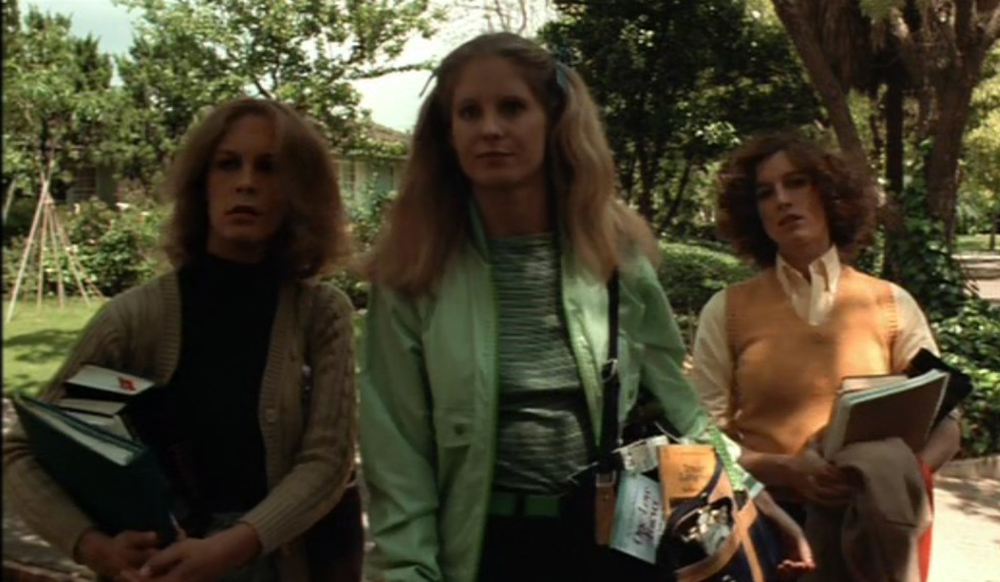
John Carpenter’s Halloween perfected the slasher formula that The Texas Chain Saw Massacre had originated. The film’s minimalist but effective use of suspense, gliding camerawork, and iconic score created a blueprint for the 1980s slasher boom.
The film’s financial success, achieved on a micro-budget, was a testament to Carpenter’s creative control and vision, proving that suspense and a strong concept could succeed far beyond the studio system. Its use of the “final girl” trope became a staple of the genre, influencing countless films to come.
A fascinating aspect of Halloween‘s legacy is the direct conflict between the filmmaker’s intent and critical interpretation. Academic critics, such as Carol J. Clover, have widely interpreted the film as a morality play, where the chaste “final girl,” Laurie Strode, emerges as the survivor. At the same time, her sexually active friends are punished. This reading of the killer as being fueled by a “psychosexual fury” has dominated much of the film’s scholarly analysis for decades.
However, John Carpenter has repeatedly and emphatically rejected this interpretation, stating, “Believe me, I’m not [making a moral statement]” and that such readings completely missed the point.
He says he intended Michael Myers to be “pure evil… evil from no background”, an inexplicable, motiveless force of nature, which is a key reason for his terror.
This divergence highlights a crucial point about art: a film’s ultimate influence and meaning are determined by how it is received and interpreted by the broader culture, regardless of the creator’s initial vision. The blank white mask of Michael Myers, which yields no answers, invites this kind of endless interpretation, making him a truly timeless monster.

She’s a lover, he’s a fighter. Together, they’re CHEER AND LOATHING. Tune in to hear your hosts, Stephanie (Cheer) and Casey (Loathing), clash over the films they love — and the ones they love to hate.
In this holiday extravaganza episode of Guilty Pleasures, join hosts Stephanie, Kelly, and our newest addition, Jonathan (Jack was tied up in tinsel and couldn't join us), as they unwrap the bizarre and unhinged world of holiday cinema. They dive into the depths of Elves, a film that's as chaotic as it is entertaining. It's a sleigh full of questionable decisions, diabolical dialogue, absurd plot twists, wildly offensive antics, and unhinged holiday mischief.
And that's not all! In the second half of the podcast, join your festive cinephile friends for a look at four more ”nutty as a fruitcake” holiday treats: A New York Christmas Wedding, Elf Bowling, A Medea Christmas, and Jack Frost. Plus, we each offer a bonus Christmas flick guaranteed to make you say, ”Ho, Ho, HO-LY Hell!”
Expect laughter, disbelief, and a spirited debate about what truly makes a movie a guilty pleasure. Don't miss this festive journey through the weirdest corners of holiday films!








Follow Us!