


From groundbreaking nightmares to cult classics that defined the decade, 1984 was a banner year for horror films that continue to thrill.
No time to read? Click the button below to listen to this post.
When one thinks of horror, one’s mind usually slides to slasher films. Some great slashers came out in 1984, but surprisingly, there was a broad conglomerate of horror genres ranging from horror comedy to horror sci-fi, each offering a unique and thrilling experience. This diversity will pique your interest and make you eager to explore the variety of horror films from 1984.
So, let’s say Happy Birthday to Ten great horror movies released in 1984. These films entertained audiences and left a significant mark on the cultural landscape, shaping the history and evolution of horror cinema.
1. Frankenweenie

Twenty-eight years before gothic filmmaking icon Tim Burton (Beetlejuice, The Corpse Bride, Sleepy Hollow, Mars Attacks) brought the feature-length stop-motion animated film Frankenweenie to theaters, he released a thirty-minute live-action featurette of the same title that would later inspire the feature. The black-and-white short, written by Burton and Leonard Ripps, was both a parody of and homage to the 1931 film Frankenstein based on Mary Shelley’s novel.
Frankeenweenie, a heartwarming tale about a boy and his dog, showcases the endearing side of horror. This unique charm, coupled with the fact that it’s a Disney production, is sure to pique your interest and leave you eager to watch. The film’s blend of heartwarming moments, Tim Burton’s signature visual style, and the adorable portrayal of Sparky, a Bull Terrier, all contribute to its unique charm. The boy, Victor Frankenstein, played by Barret Oliver (Neverending Story, D.A.R.Y.L), is devastated at the death of his beloved pet. Aptly named Sparky, being electricity is the key to bringing Sparky to life.
The original monster gets loose and scares the villagers, but in this case, Sparky terrorizes a modern suburban city. In the original, they flee from the mob, hiding in a windmill. Our young man hides in a windmill at a golf course, cornered by angry citizens.
I won’t spoil the ending, but Frankenweenie is cute as a button and will surely leave a smile on your face. Burton’s unique style and storytelling techniques are evident, making it a must-watch for any horror film enthusiast.
2. The Toxic Avenger
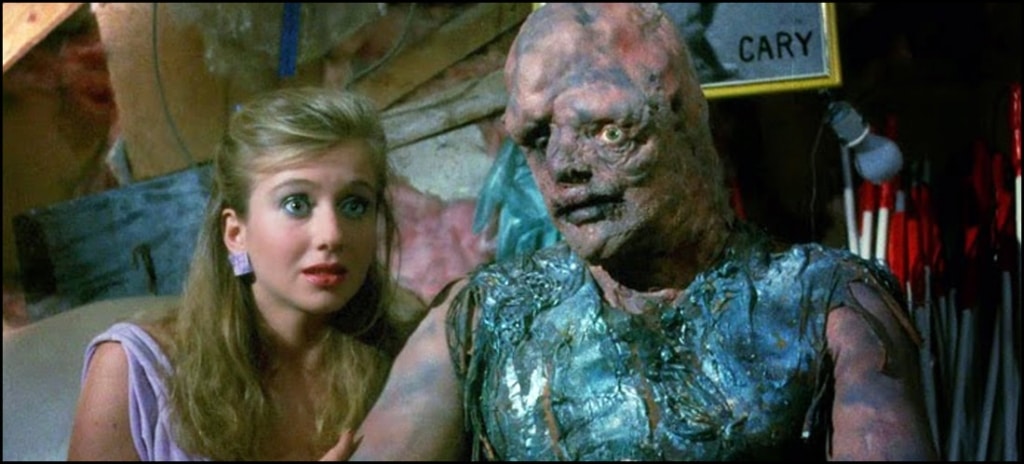
Directed by Lloyd Kaufman and Michael Herz (Founders and Co-founders of Troma Entertainment Film Studio, the oldest independent movie studio still in operation), Troma is known for its raunchy, B-rated tongue-in-cheek films, such as Class of Nuke Em High and Tromeo and Juliet. But they are probably best known for the wildly popular The Toxic Avenger series.
The Toxic Avenger contains elements of Death Race and Perfect. The characters cheerfully run people over for fun or exercise at the gym, a spoof of the 1980s fitness craze when extreme workouts and fitness fads were popular. The hero of our story is Melvin Junko (Mark Torgi). He has a toxic encounter with radioactive sludge and becomes the hero Toxic Avenger, who saves the citizens of Tromaville daily. This is by far the studio’s biggest success. It’s so beloved that the Toxic Avenger character, lovingly nicknamed Toxie, became the easily recognizable mascot of Troma Entertainment.
This film is not for everyone, as there is nothing HR-appropriate in this movie. It can be tasteless, bloody, and gory. However, it has a huge cult following, for good reason. Expect to cringe, be shocked, and laugh at some off-beat humor. It is not for the faint of heart, but if you’re a fan of B-movies, you’ll likely find this a memorable and entertaining watch.
3. Ghostbusters
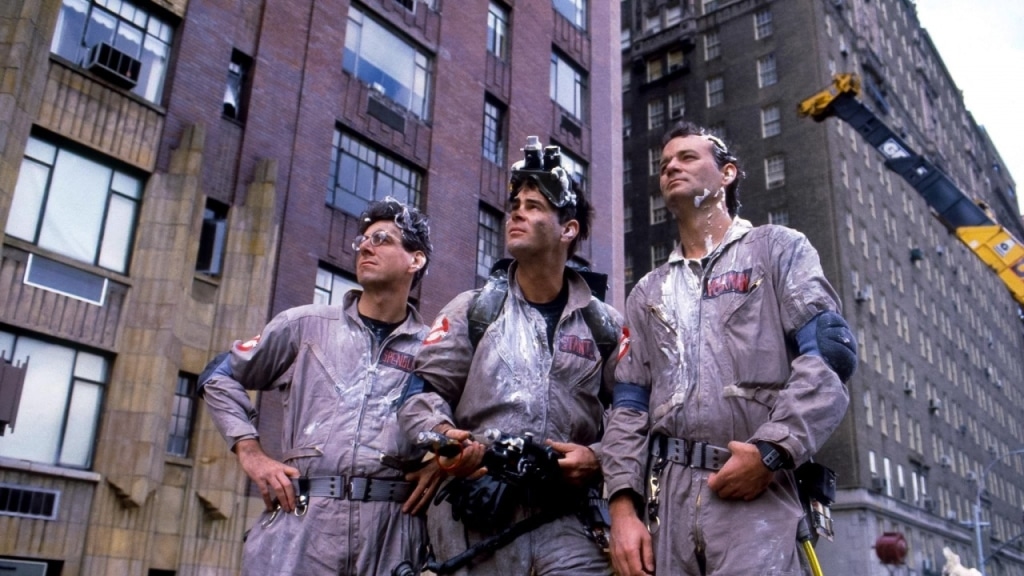
Directed by Ivan Reitman, Ghostbusters is a gateway horror film that offers a delightful and unforgettable peek into the world of the dead. It seamlessly combines comedy, sci-fi, horror, and action, creating a unique cinematic experience that caters to a wide audience. Its memorable characters, quotable dialogue, distinctive visuals, and catchy theme song made it a cultural phenomenon—capturing the 1980s zeitgeist while telling a timeless story about unlikely heroes who save the day.
Three Columbia Parapsychology Professors, Peter Venkman (Bill Murray), Ray Stantz (Dan Aykroyd), and Egon Spengler (Harold Ramis), have their first run-in with a ghost at the New York City library. This unexpected encounter triggers a hilarious romp through the paranormal world, filled with witty banter and encounters with an interdimensional god. The New York City library scene is significant as it marks the beginning of the Ghostbusters’ journey into the world of the dead.
In short, Ghostbusters isn’t just a movie—it’s a cultural touchstone that captures the imagination, blending humor with supernatural adventure in a way that’s never gone out of style.
4. Firestarter
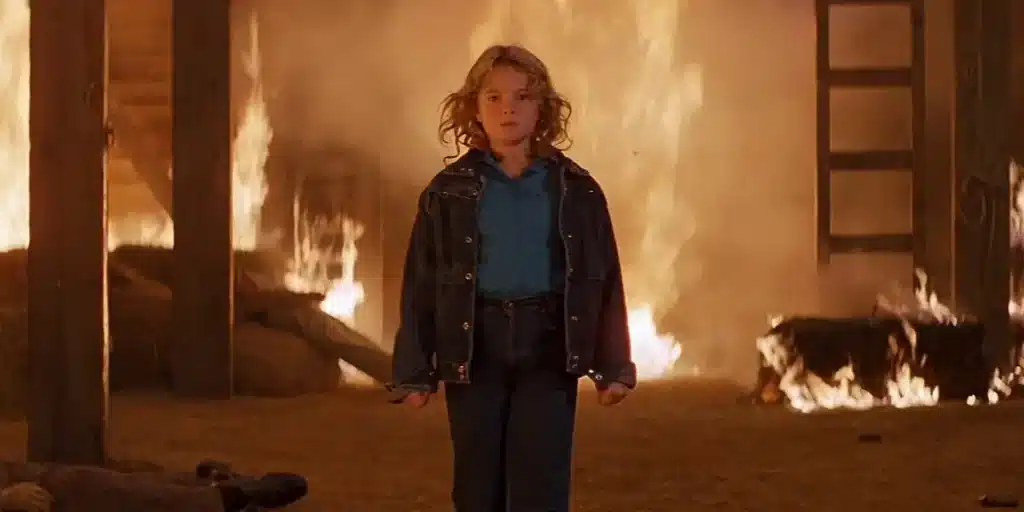
Mark Lester (Commando, Armed and Dangerous) helmed this film adaptation of the 1980 Stephen King novel, one of his most popular at the height of his career in the 1980s. The story is a compelling examination of human DNA manipulation—mutating ordinary people genetically to give them special abilities. It exemplifies King’s ability to blend supernatural horror with deeply human themes, such as familial love, the dangers of unchecked government power, and the loss of innocence.
Vickey Thomlinson Mcgee (Heather Locklear) and Andrew McGee (David Keith) were two of the unsuspecting volunteers in the experimentation. Once the couple completed the test, they fell in love, married, and had a daughter of their own: Charlie McGee (Drew Barrymore). No one expected Vickey’s and Andrew’s abilities to pass to their daughter, who was born a pyrokinetic. Soon, it becomes apparent that someone knows about Charlie’s dangerous powers, forcing Andrew and Charlie to become fugitives and resulting in Vickey’s death.
A thrilling cat-and-mouse hunt ensues with a secretive government agency tracking them.
The film’s practical effects, particularly the fiery destruction scenes, were groundbreaking for their time. Drew Barrymore, fresh off her iconic role in E.T. the Extra-Terrestrial (1982), gave a compelling performance as Charlie. Her portrayal of vulnerability and destructive power helped cement her status as a rising child star and added a layer of emotional depth to the story. The haunting, synth-heavy score by Tangerine Dream contributed to the film’s atmosphere. Their work underscored the tension, blending sci-fi and horror elements while giving the movie a timeless quality.
Firestarter is an excellent novel, and Mark Lester did the story justice in this roller coaster film.
5. Night of the Comet
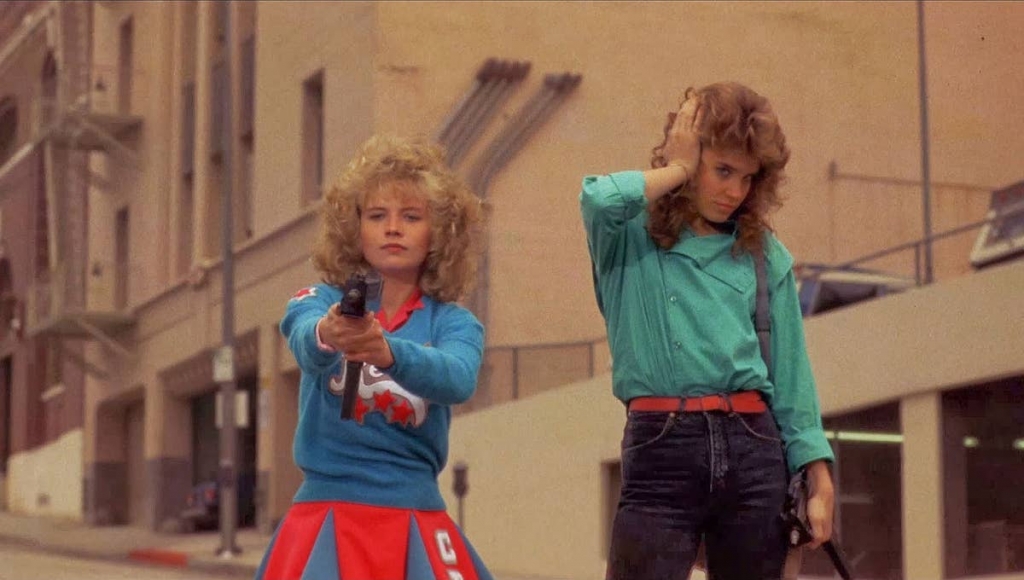
Night of the Comet is a standout in 1980s sci-fi horror for its unique blend of post-apocalyptic survival, dark comedy, and pop culture sensibility.
Unlike many grim and gritty post-apocalyptic films of the 1980s, Night of the Comet embraced a lighter, more self-aware tone. Its depiction of a comet-induced apocalypse (which vaporizes most of humanity and zombifies some survivors) provided a fresh, campy approach that balanced horror with humor. The film’s quirky optimism set it apart in a genre often dominated by bleak narratives.
Regina (Reggie, played by Catherine Mary Stewart) and her sister Samantha (Sam, played by Kelli Maroney) are dynamic, capable leads. They’re not just survivors—they’re resourceful, funny, and relatable. The film centers on their sisterly bond, making it a rare example of a female-led horror film that doesn’t rely on male characters for narrative progression. Their blend of vulnerability and badassery influenced later “final girl” portrayals in horror.
The movie is drenched in 1980s culture, from its fashion and music to its mall-centric scenes—a key location for the survivors. The setting captures the era’s consumerist culture, turning the abandoned mall into a playground and a battleground. The juxtaposition of mundane environments with apocalyptic threats became a signature of later films (Dawn of the Dead, Stranger Things).
While it wasn’t a blockbuster at the time of its release, the film has gained a cult following for its unique tone and memorable characters. It’s frequently cited as an influence on later works, including Buffy the Vampire Slayer (the cheerleader-meets-apocalypse archetype) and other genre films that blend humor with horror.
6. A Nightmare on Elm Street
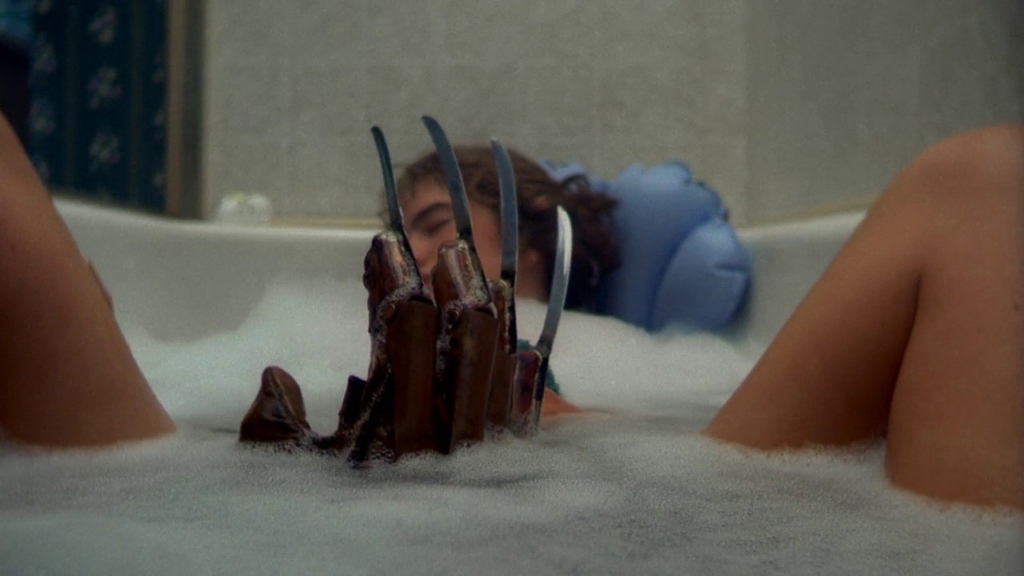
Directed by Wes Craven, this is the film that launched one of the most successful and influential franchises in horror history—creating generations of devoted FredHeads.
It begins innocently enough with a teen, Tina Gray, portrayed by Amanda Wyss (Fast Times at Ridgemont High, Silverado), who has a nightmare about being stabbed by a disfigured man wielding blades as fingers. It turns out, her best friends, Nancy Thompson, portrayed by Heather Langankamp (Hellraiser, The Outsiders), and Nancy’s boyfriend, Glen Lantz, portrayed by Johnny Depp (Pirates of the Caribbean, Edward Scissorhands), are having the same dream. This event sets the story in motion and will take viewers on the scariest journey they’ve ever had.
One of the creepiest aspects of this film is that it keeps you unsettled because you never know if what you are viewing is real or the characters’ nightmare.
Robert Englund’s portrayal of Freddy Krueger transformed him from a working actor to a horror icon. His ability to combine menace with wit, coupled with his unique theatricality, made Freddy a one-of-a-kind villain. While Freddy has dominated Englund’s career, the role has also afforded him a lasting legacy, cementing his place in the pantheon of horror greats.
Heather Langenkamp’s Nancy Thompson is more than just a final girl; she’s a symbol of resilience, intelligence, and courage. Her sincerity and humanity make her one of the most relatable and beloved protagonists in horror history. Nancy’s battle with Freddy Krueger anchors A Nightmare on Elm Street, turning it into a rich, character-driven story that transcends the typical slasher formula. Langenkamp’s heartfelt performance ensures Nancy remains a timeless icon in the horror genre.
For you slasher lovers, there is enough blood to make even the die-hards happy as Freddy Krueger slashes and cuts his way through the movie. The dream premise and the fear of not knowing when Freddy will show up give this film its enduring legacy. It is genuinely a frightening movie worth watching by horror lovers.
7. Children of the Corn
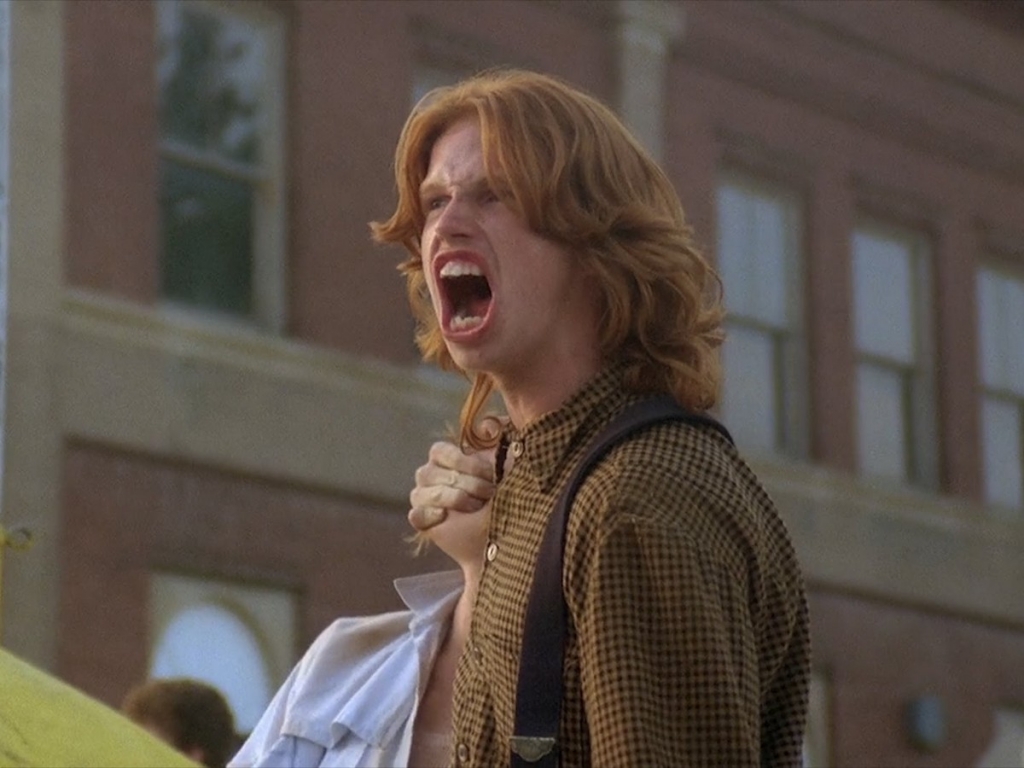
The 1984 film Children of the Corn, based on Stephen King’s short story of the same name, has earned its place as a genre classic. The story’s premise—a rural town dominated by murderous, cult-like children worshipping a sinister deity—was ripe for cinematic exploration during the 1980s horror boom.
Directed by Fritz Kiersch on a modest budget of about $800,000, the film was shot primarily in Iowa. Despite its limited resources, the rural Midwest setting contributes significantly to the movie’s unnerving atmosphere, underscoring its themes of isolation and religious fanaticism. The film departs from King’s original story, expanding the narrative and adding characters to create a more traditional hero-vs-villain dynamic. Critics often debate the effectiveness of these changes, but they undoubtedly helped popularize the concept for a broader audience.
The movie was a commercial success, grossing over $14 million in the U.S., which was substantial for a low-budget horror film. Initial reviews were mixed to negative. However, the film developed a cult following, partly due to the unsettling concept of murderous children and the portrayal of “He Who Walks Behind the Rows,” a nebulous, godlike antagonist. Fans appreciate its nostalgic appeal and its role as a quintessential example of mid-1980s horror.
The film popularized the “killer children” trope in horror, which had been explored earlier (e.g., Village of the Damned) but gained a new edge with its combination of religious fanaticism and rural isolation. Its success spawned a long-running franchise, including nine sequels and a remake, although none achieved the impact of the original.
8. The Power
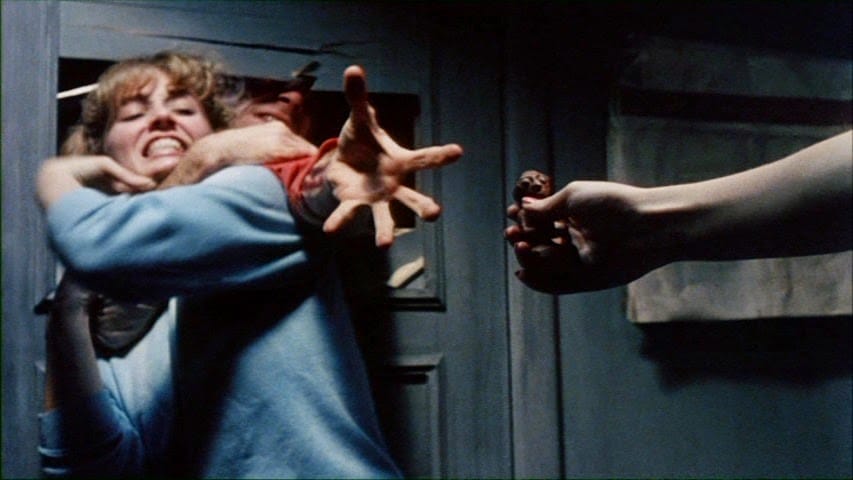
The Power (1984) is a lesser-known but intriguing entry in the 1980s horror landscape, blending supernatural and occult elements with a distinctly low-budget aesthetic. While it didn’t achieve the same level of acclaim or cultural impact as some of its contemporaries, it holds a unique place in genre history for its eerie atmosphere and exploration of possession themes.
Directed by Stephen Carpenter and Jeffrey Obrow, the film was made during a time when independent horror thrived on creative storytelling and practical effects. The story revolves around an ancient Aztec idol with the ability to possess its holder, causing a series of horrifying events.
The Power contributed to the wave of occult-themed horror films in the 1980s, joining titles like Evilspeak (1981) and The Beyond (1981) in exploring the dark consequences of tampering with supernatural forces.
Although The Power lacks the polish and cultural footprint of other 1984 horror releases like A Nightmare on Elm Street, it stands out for its unique premise and unsettling execution. Its focus on an ancient evil corrupting modern individuals taps into timeless fears about power, control, and the unknown.
The film is enjoyable from beginning to end, with enough creepy happenings to pique your interest. However, it is the ending that will get you.
9. Invitation to Hell
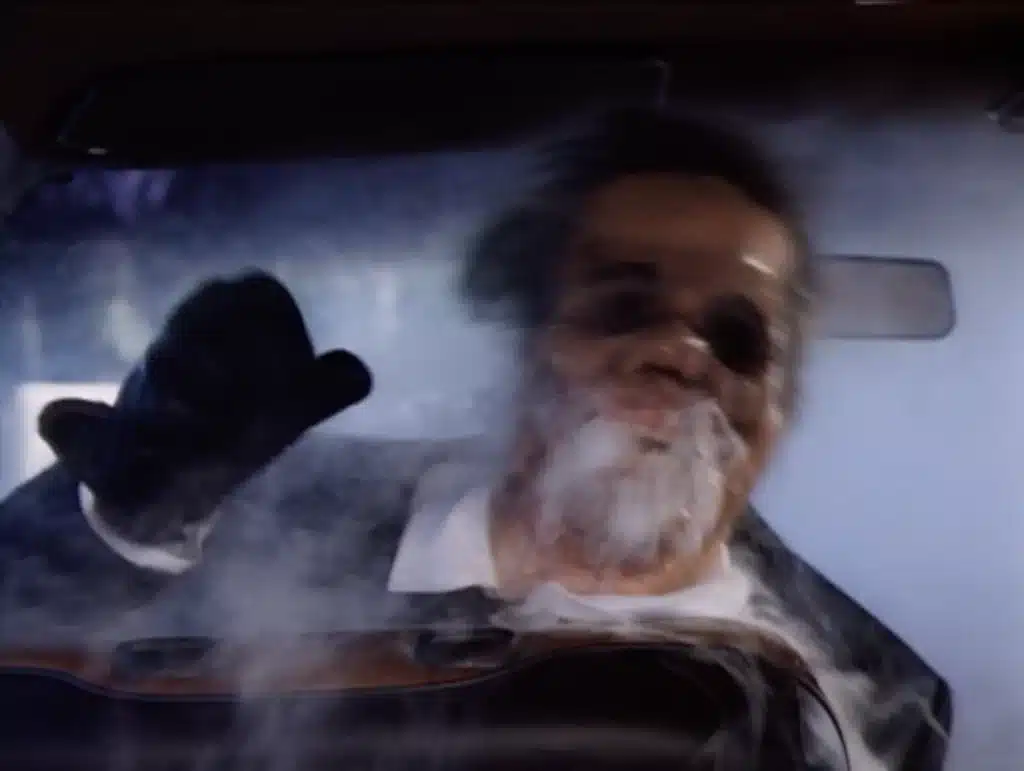
Invitation to Hell (1984), directed by Wes Craven, is a made-for-TV horror film that blends supernatural dread with a satirical critique of suburban conformity and class aspiration. While it lacks the theatrical flair of Craven’s best-known works, it has earned recognition for its unsettling atmosphere, compelling performances, and thematic ambition.
It was produced as part of ABC’s network television movie programming, a popular platform in the 1980s for experimenting with genre storytelling on a limited budget. The film stars Robert Urich, Joanna Cassidy, and Susan Lucci, with Lucci delivering a memorable performance as the sinister leader of an exclusive country club. The story follows a family that moves to a suburban community and discovers that the elite local country club is a front for a demonic cult. The film’s exploration of the “deal with the devil” trope highlights the moral and existential dangers of sacrificing individuality and integrity for social status.
As Matt Winslow, Robert Urich is convincing as a father and husband who senses something is happening but is not sure what. He delivers a strong performance as a man who follows his principles despite the outside pressure and is determined to rescue his family from whatever is affecting them. Susan Lucci’s portrayal of Jessica Jones, the charismatic yet menacing leader of the country club, stands out as one of the film’s highlights, blending charm and menace in a way that elevates the story.
Known for his ability to weave social commentary into horror, Craven took the opportunity to explore themes of materialism and conformity through the lens of supernatural terror. While constrained by the TV movie format, his directorial flair is evident in the film’s suspenseful pacing and unsettling tone.
The pace is right, so you don’t get bored. It’s exciting and keeps you watching until the end.
10. Friday the 13th: Final Chapter
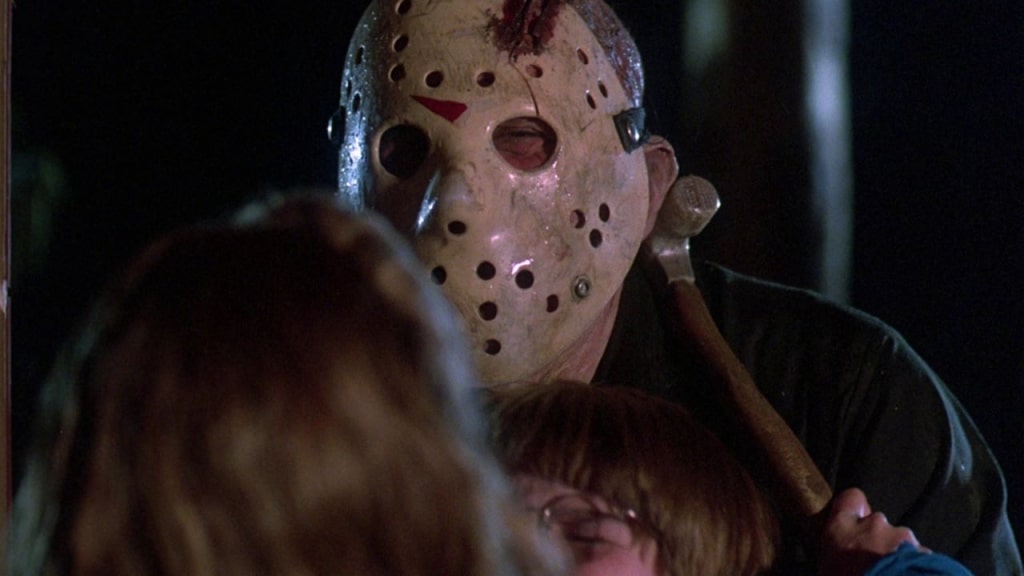
Directed by Joseph Zito (Missing in Action, Red Scorpion), Final Chapter is the fourth (and far from the last) installment of the Friday the 13th franchise. The franchise has grossed over $908 million, with Final Chapter being the fifth highest-grossing movie at $33 million.
The oddly subtitled entry was indeed meant to be the final chapter, as declining sales of slasher movies seemed to herald the end of this juggernaut franchise. However, this chapter made a surprising killing, easily overshadowing its predecessors and heralding a new beginning for a franchise that would go on to terrify audiences for nearly two more decades until the “official” end of the Friday the 13th-branded franchise in 2002 with Jason Takes Manhattan. (The franchise would continue without its ties to Paramount; New Line brought Jason back for Jason Goes to Hell, Freddy vs. Jason, and Jason X).
The Final Chapter picked up where Friday the 13th: Part III left off. Police clean up the mess from Jason’s latest killing spree. Jason, believed to be dead, is taken to the morgue, but the viewer knows that isn’t true. Sure enough, Jason revives and escapes after killing hospital workers. Flash to a group of teens headed to Crystal Lake for the weekend, and the usual shenanigans ensue.
What we end up with is one of the better installments in the franchise. The acting is still very 1980s and overdramatized in some parts, but the story makes up for it. Tommy, played by Corey Feldman (The Lost Boys, The Burbs), steals the show.


Follow Us!