50 Years Later: “Jaws” and the Most Influential Horror Films of All Time


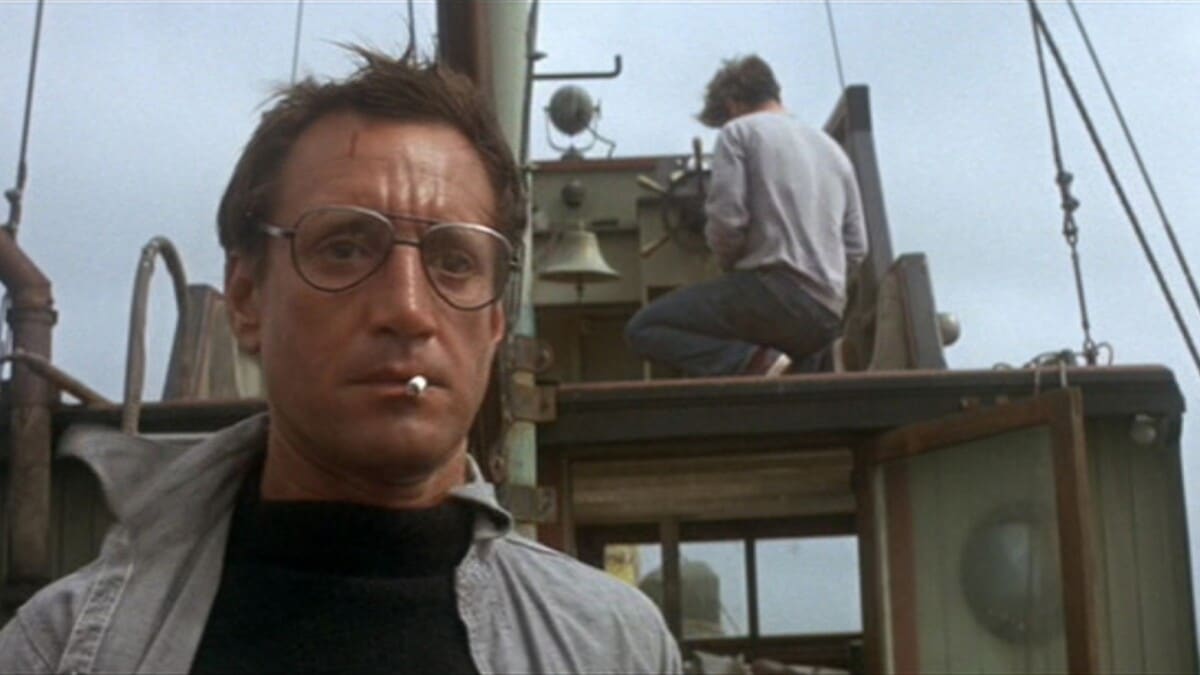
Even within this impressive pantheon, Jaws is an anomaly. Romero, Friedkin, Hooper, and Carpenter thrived on independence, grit, and subversive bite; Spielberg, by contrast, crafted terror within the machinery of Hollywood spectacle. Ironically, it was not technical mastery but technical failure that forced him into restraint, transforming Jaws from a monster movie into a masterclass in suspense.
That constraint, combined with Williams’s relentless score and Spielberg’s instinctive visual storytelling, ensured the film’s survival not just as a hit, but as the very blueprint for modern blockbuster filmmaking.
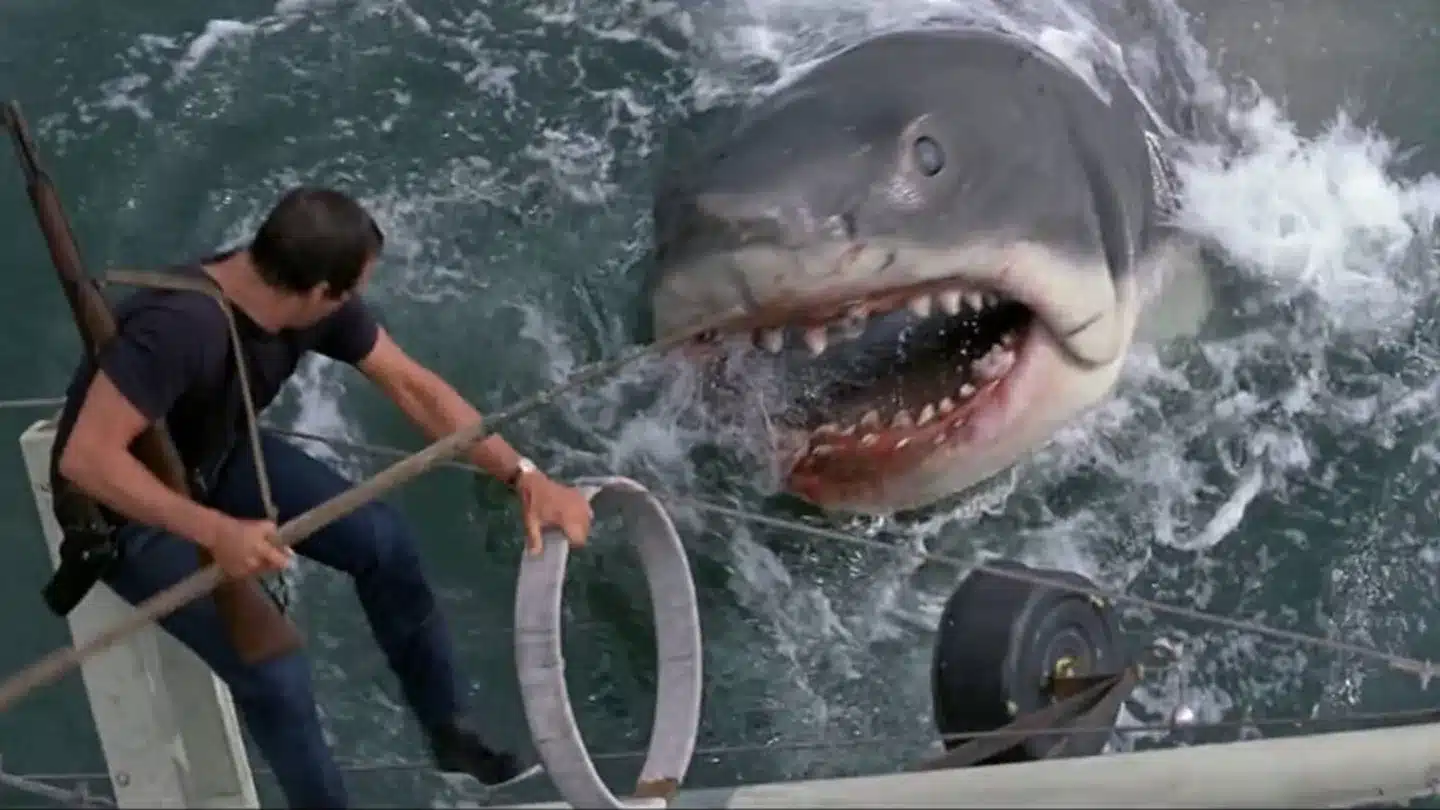
The production of Jaws is a legendary, career-threatening nightmare. It went 100 days over schedule and millions over budget, largely due to the mechanical shark, affectionately nicknamed “Bruce,” which constantly malfunctioned, sank, or simply refused to work in salt water.
A young Steven Spielberg, with a fledgling career on the line, was forced to contend with not only the logistical nightmare of filming on the open ocean but also with studio pressure and a difficult cast, including Robert Shaw’s infamous tax troubles and goading of Richard Dreyfuss. The following table summarizes these challenges and the brilliant creative solutions they inspired.
| Production Problem | Creative Triumph |
| Malfunctioning Mechanical Shark | Forced Spielberg to pivot to a Hitchcockian approach, leveraging suspense and suggestion over spectacle. Used POV shots, yellow barrels, and a simple fin to suggest the shark’s presence. |
| Volatile Cast | Extended production allowed the three lead actors to bond, resulting in improvised and memorable dialogue (e.g., “You’re gonna need a bigger boat”). |
| Logistical Nightmare of Filming on the Open Ocean | The authenticity of the open ocean setting enhanced the film’s realism and terror, a departure from the “antiquated methods” of a studio water tank. |
| Over-Budget & Over-Schedule | The pressure compelled Spielberg to make bolder, more creative choices, ultimately resulting in a more artistic and timeless film. The production itself became its own mythic narrative. |
| The Orca Sinking | A happy accident that was worked into the narrative, providing an authentic moment of panic and chaos that heightened the film’s climax. |
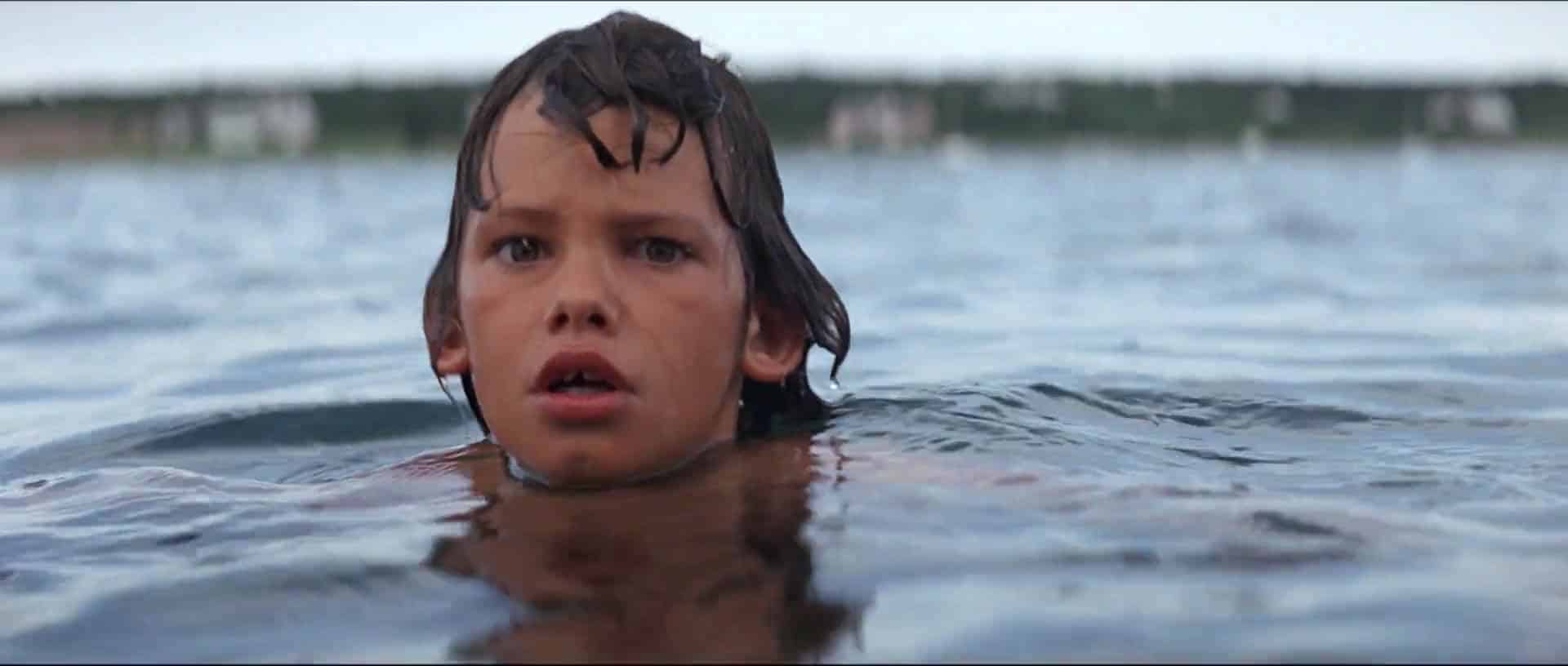
The failure of the mechanical shark, the film’s intended centerpiece, is now seen as the greatest “happy accident” in cinematic history.
This constraint forced Spielberg to abandon a spectacle-driven approach in favor of one rooted in psychological terror and suspense. By asking, “What would Hitchcock do in a situation like this?” Spielberg discovered that suggesting the shark’s presence was infinitely more terrifying than showing it. This forced ingenuity resulted in a film that leveraged the audience’s imagination as its most powerful special effect.
The film works so well precisely because of this creative redirection.
The use of POV shots from the shark’s perspective, the floating yellow barrels, and the chilling appearance of a simple fin became more terrifying than any glimpse of the monster itself. The filmmaking is full of brilliant, subtle techniques, including the iconic dolly zoom that captures Brody’s panic on the beach, and a mastery of reflections and axial cuts that heighten the sense of dread.
John Williams’s two-note score, in particular, became a global shorthand for impending doom, creating a Pavlovian response in audiences.
The genius of Jaws is the meta-narrative of its own production. The story of a young filmmaker overcoming insurmountable odds is as compelling as the film itself, a point reinforced by the existence of documentaries like Jaws @ 50: The Definitive Inside Story, which delve into the film’s legacy and the production struggles that made it so iconic.
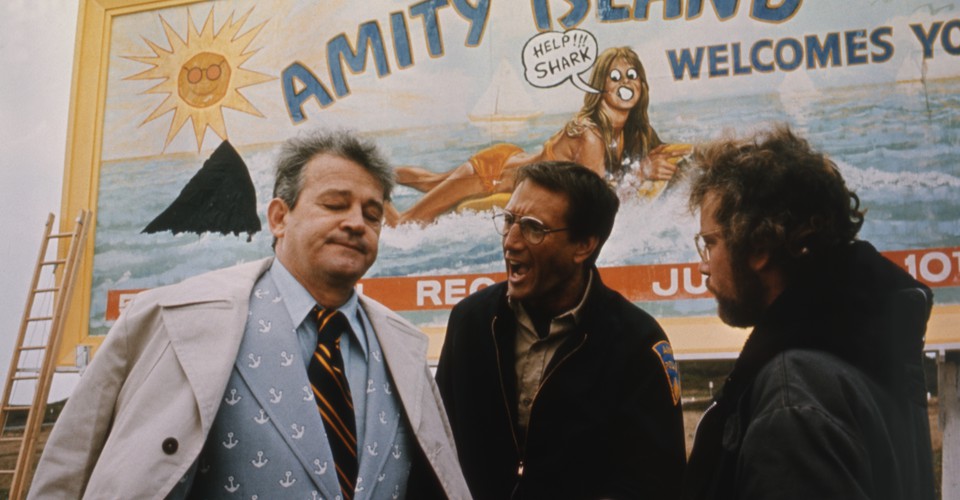
Jaws‘s impact was not confined to its genre or its production. It fundamentally changed the film industry’s business model, pioneering what is now known as the “summer blockbuster”. It was the first film to open simultaneously in hundreds of theaters across the country and was supported by an unprecedented national television advertising campaign. This model, designed to recoup costs quickly, created a cinematic ritual that dominates Hollywood to this day.
The film’s legacy is a fascinating duality of environmental harm and conservation. While the film fueled a global panic and an increase in shark hunting, doing a “number on the global shark population,” it also inspired a new generation of marine biologists and conservationists.
Peter Benchley, the author of the novel on which the film was based, spent the rest of his life as an ocean conservationist, a direct response to his own creation’s unintended consequences. This powerful example demonstrates how a film’s cultural influence can spur a counter-movement, with the conversation continuing to evolve five decades later.
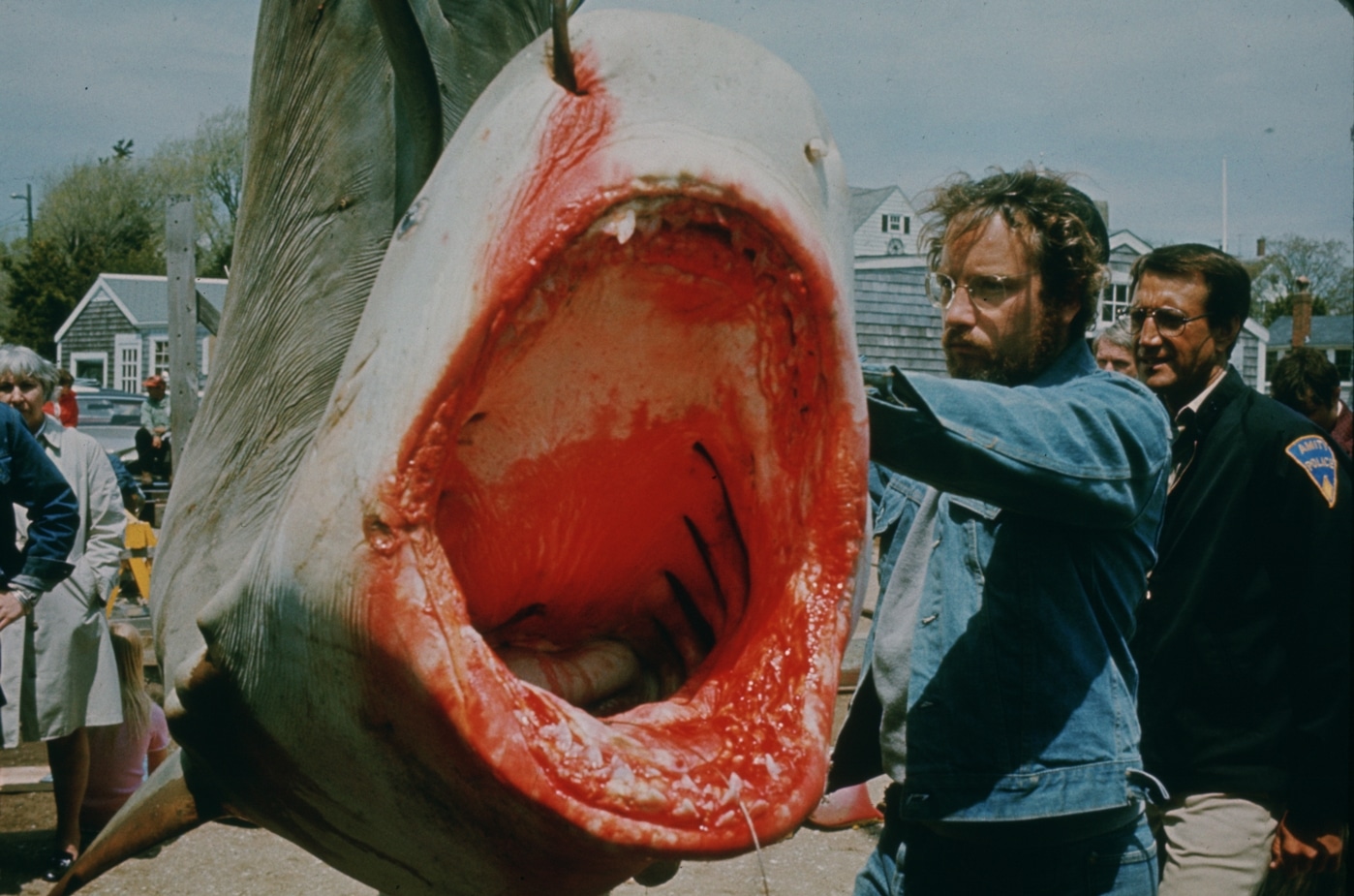
Looking back across fifty years, what’s most striking is not simply that these films endure, but that they continue to shape how we experience fear. Their relevance has outlasted shifting cultural landscapes, and their imagery is seared into the collective consciousness.
And at the center of it all, JAWS—a film born of malfunction, pressure, and improvisation—still towers above, as terrifying and exhilarating today as it was in 1975.
If Romero showed us our collapse, Friedkin our crisis of faith, Hooper our cannibalistic systems, and Carpenter our faceless boogeymen, Spielberg gave us a shark that never stops circling. Together, they form not just a canon, but a living dialogue about horror, culture, and the monsters we create to understand ourselves.
By giving a terrifying form to our societal anxieties, these films ensure that they will remain a subject of discussion, analysis, and appreciation for generations to come.
They have earned their place in the hallowed halls of horror not just by scaring us, but by showing us what we are truly afraid of.

She’s a lover, he’s a fighter. Together, they’re CHEER AND LOATHING. Tune in to hear your hosts, Stephanie (Cheer) and Casey (Loathing), clash over the films they love — and the ones they love to hate.
In this holiday extravaganza episode of Guilty Pleasures, join hosts Stephanie, Kelly, and our newest addition, Jonathan (Jack was tied up in tinsel and couldn't join us), as they unwrap the bizarre and unhinged world of holiday cinema. They dive into the depths of Elves, a film that's as chaotic as it is entertaining. It's a sleigh full of questionable decisions, diabolical dialogue, absurd plot twists, wildly offensive antics, and unhinged holiday mischief.
And that's not all! In the second half of the podcast, join your festive cinephile friends for a look at four more ”nutty as a fruitcake” holiday treats: A New York Christmas Wedding, Elf Bowling, A Medea Christmas, and Jack Frost. Plus, we each offer a bonus Christmas flick guaranteed to make you say, ”Ho, Ho, HO-LY Hell!”
Expect laughter, disbelief, and a spirited debate about what truly makes a movie a guilty pleasure. Don't miss this festive journey through the weirdest corners of holiday films!



Follow Us!