
From bluffing to betrayal, poker scenes in horror films turn the table into a stage for paranoia, mistrust, and survival.
Poker has always been more than a game of cards. It’s about bluffing, reading tells, and deciding who to trust — skills that feel eerily close to survival tactics in horror. Whether around a kitchen table or in a high-stakes den, the quiet tension of poker often mirrors the dread that powers great genre films. And while horror cinema hasn’t given us many straight “poker horror” movies, directors have long been drawn to the psychological warfare of the table.
Ordinary Turns Menacing at the Table
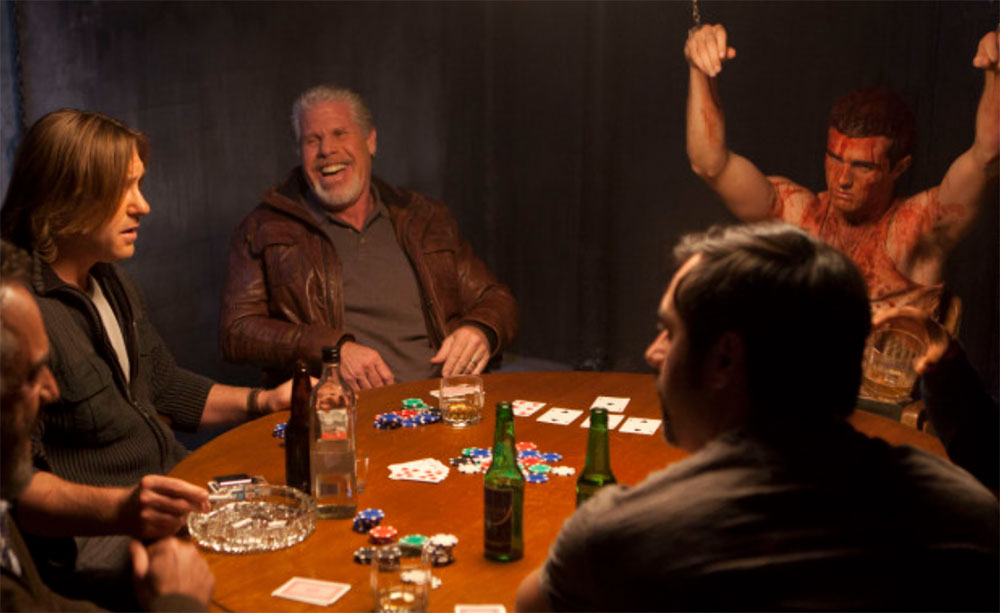
Everyday rituals can turn sour quickly in horror. A poker night that feels friendly, even cozy at first, can tilt toward danger once grudges or secrets slip into the conversation.
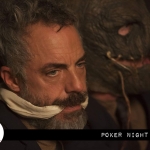
Take Poker Night (2014). Though it plays more as a crime thriller, its central conceit is a psychological trap: a young cop caught between bluffs, confessions, and escalating threats. The card table becomes a stage for paranoia, each hand a test of nerves and survival instinct.
Other films push this tension even further. In Cheap Thrills (2013), the dares escalate like twisted wagers, daring its players to outbid each other in cruelty. It’s not poker, but the mechanics of betting and bluffing drive the story, turning the table into a place where social contracts collapse and horror creeps in.
Online Play and Virtual Dread
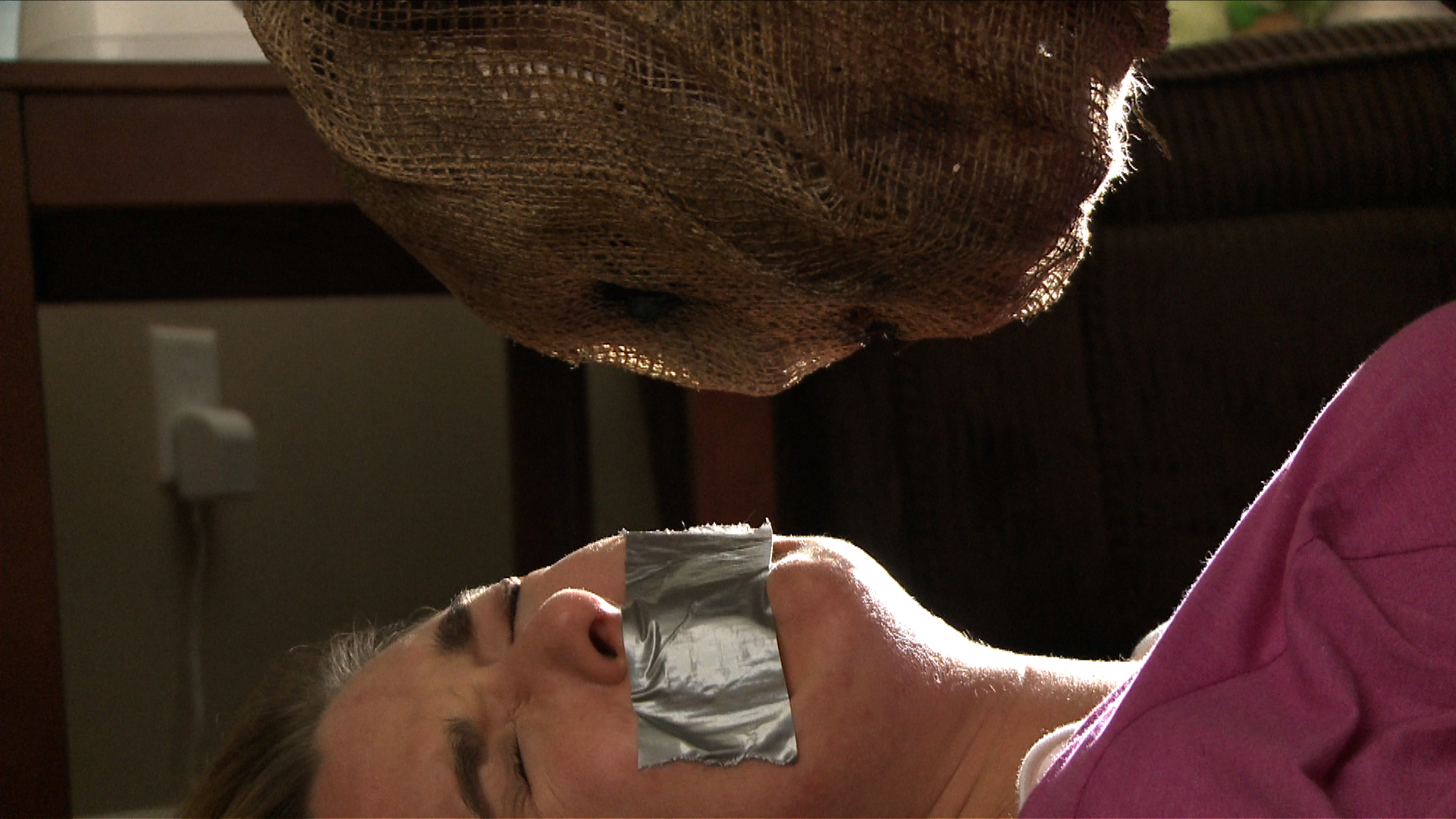
Games of chance feel different when they unfold in digital spaces. Online poker, with its anonymous avatars and lagging reveals, has occasionally slipped into horror storytelling as a metaphor for disconnection and mistrust. The lack of face-to-face contact only sharpens paranoia: every pause or silence feels loaded, every reveal delayed just long enough to make you wonder if you’re about to lose more than money.
Films like The Den (2013) — not about cards, but about online chat rooms — capture the same uncanny energy. Avatars and masked screens obscure real intentions, while off-screen noises and glitches play like the digital equivalent of a bad bluff. Poker scenes, when used this way, channel the fear of what might be hiding on the other side of the screen.
Poker as Psychological Warfare
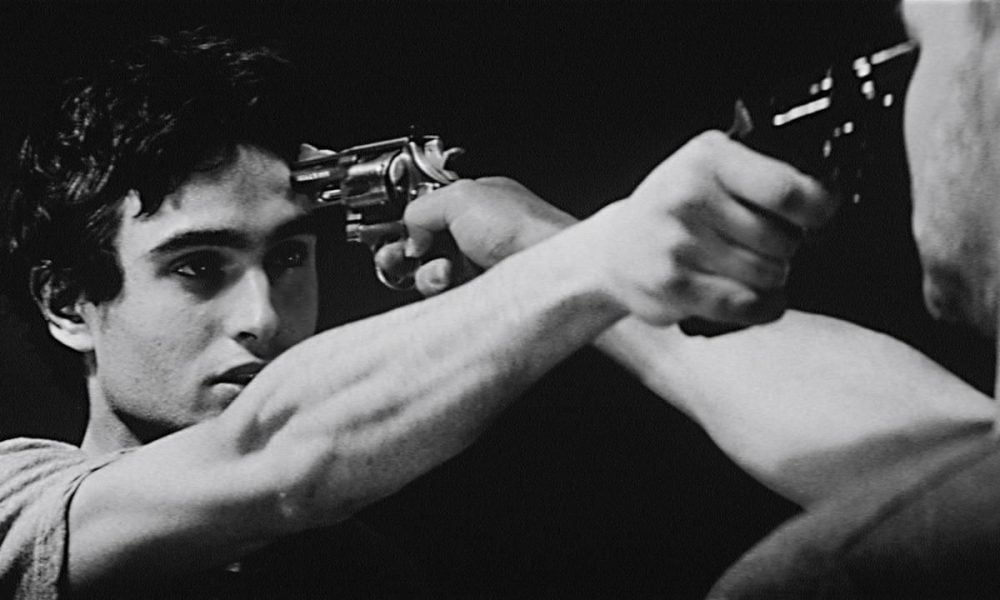
The reason poker works so well in horror is simple: it’s already a game of deceit.
Reading a face, catching a tell, or spotting a lie taps directly into the unease that horror thrives on. When the stakes shift from chips to lives, even a casual bluff can feel like a death sentence.
That’s why films such as 13 Tzameti (2005) or its American remake 13 (2010) resonate. They swap cards for Russian roulette, but the dynamics are familiar. Strangers are locked in a circle, forced to play a game of chance where trust is impossible and survival hangs in the balance.
The bead of sweat, the twitch of a hand, the decision to fold or push forward: it’s pure psychological horror disguised as play.
Contrast as a Jump Scare
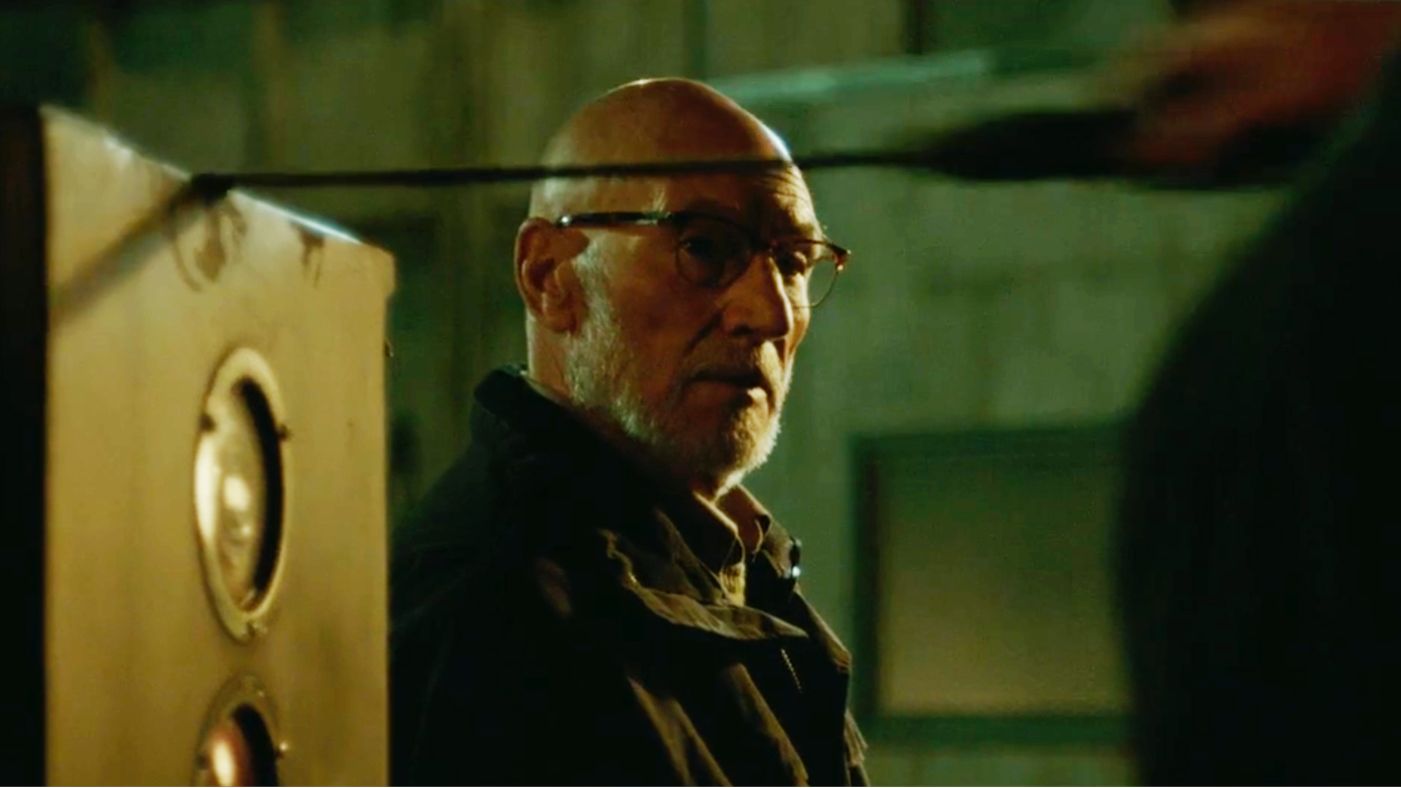
Part of what makes poker cinematic is its rhythm. The quiet shuffle of chips, the long silences between bets, the stillness before the turn of a card. It all creates a hum of expectation. When violence or chaos suddenly breaks that rhythm, the impact feels jarring.
Compare it to Green Room (2015), where quiet, controlled moments give way to sudden bursts of violence.
Poker scenes work the same way: a low murmur one moment, an explosion of fear the next. That sudden contrast makes even ordinary gestures — a card flip, a muttered bluff — feel like preludes to something monstrous.
Staying in Control
Onscreen, poker reads as volatile and emotionally charged, which makes for great scares but not necessarily great habits. The same tension that makes poker thrilling in horror can, in real life, cloud judgment and push players past their limits.
The National Council on Problem Gambling advises setting budgets and being mindful of triggers. Horror thrives on losing control; poker doesn’t have to.
Enjoy the dread that films wring from the table, then keep your own game firmly in check.




Follow Us!