The Evolution of Black Horror: Fear, Resistance, and Rebirth


Horror has always been a reflection of societal anxieties, and Black horror, in particular, has carried the weight of history, oppression, and cultural evolution.
From the early days of Black representation in horror to the genre’s modern renaissance, Black horror has undergone a complex transformation, balancing entertainment with sharp social critique. This journey can be divided into four major phases: uncomfortable early depictions, the emergence of social commentary, the rise and impact of Blaxploitation horror, and the gradual progress—alongside persistent stereotypes—that defined Black representation in horror leading up to Get Out and the rebirth of Black horror.
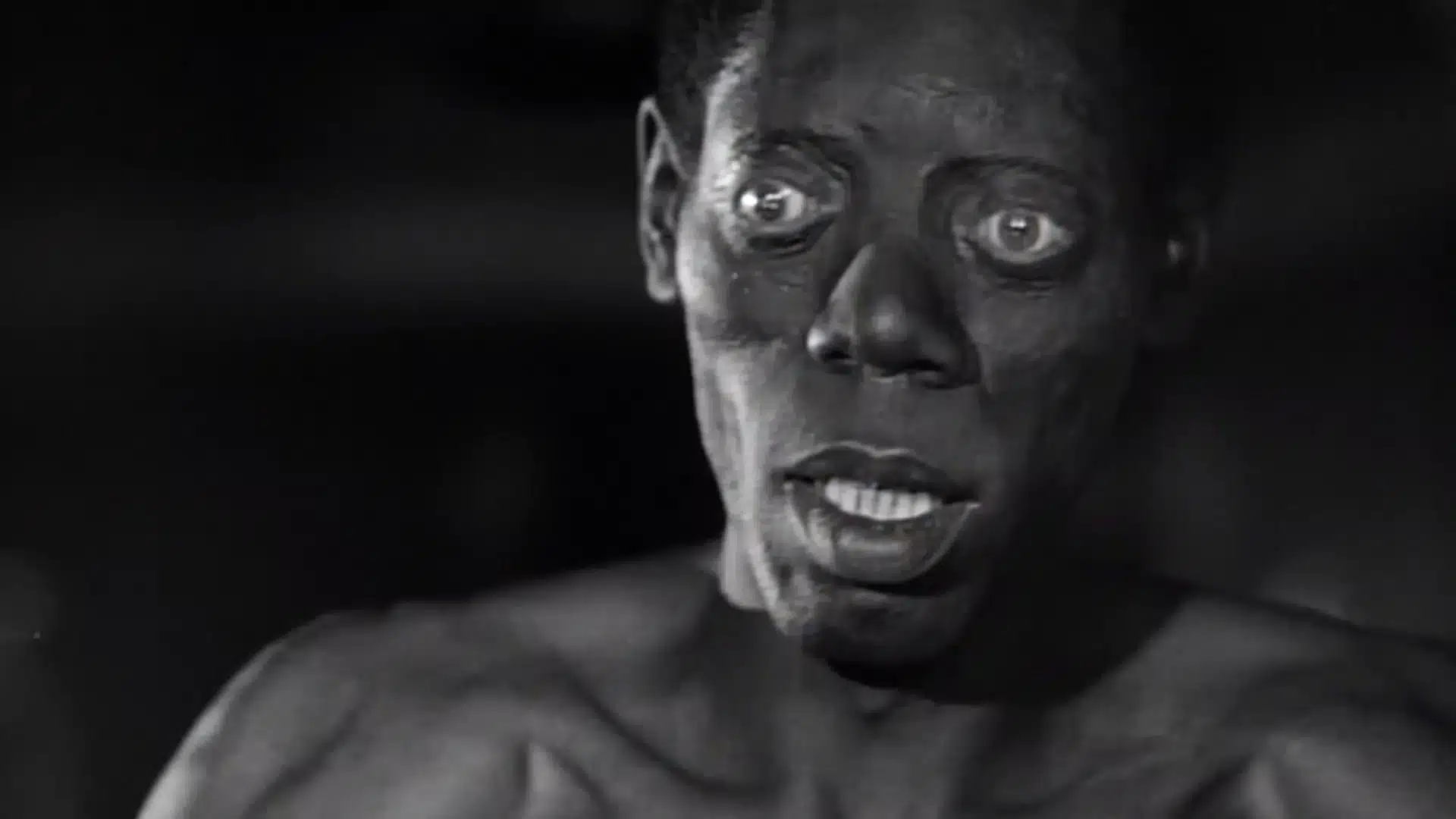
In the early days of cinema, horror films often perpetuated harmful racial stereotypes and caricatures. The 1915 film The Birth of a Nation, while not strictly a horror movie, set a precedent for depicting Black men as monstrous and savage.
This influence extended into the horror genre, with films like King Kong and Creature from the Black Lagoon using allegorical monsters to represent racial ‘otherness’.
Throughout much of the 20th century, horror films frequently employed problematic tropes when including Black characters:
Black characters were frequently marginalized, either absent from the narrative or existing only to die early in the story. This reflected the broader societal marginalization of Black people during this period.
During the 1980s and 1990s, some progress was made, but it was a slow process. While there were more Black characters in horror films during this period, they were often tokenized, with few films delving deeply into systemic racism. Black characters were still frequently the first to die, reinforcing harmful tropes.
While George A. Romero’s Night of the Living Dead (1968) is often credited as an early and groundbreaking moment in Black horror—primarily due to Duane Jones’ casting as the intelligent and resourceful Ben—it was not an intentional social commentary on race. However, the film’s shocking ending, in which Ben survives the zombie onslaught only to be mistaken for a threat and shot by a white posse, resonated deeply with the racial tensions of the Civil Rights era.
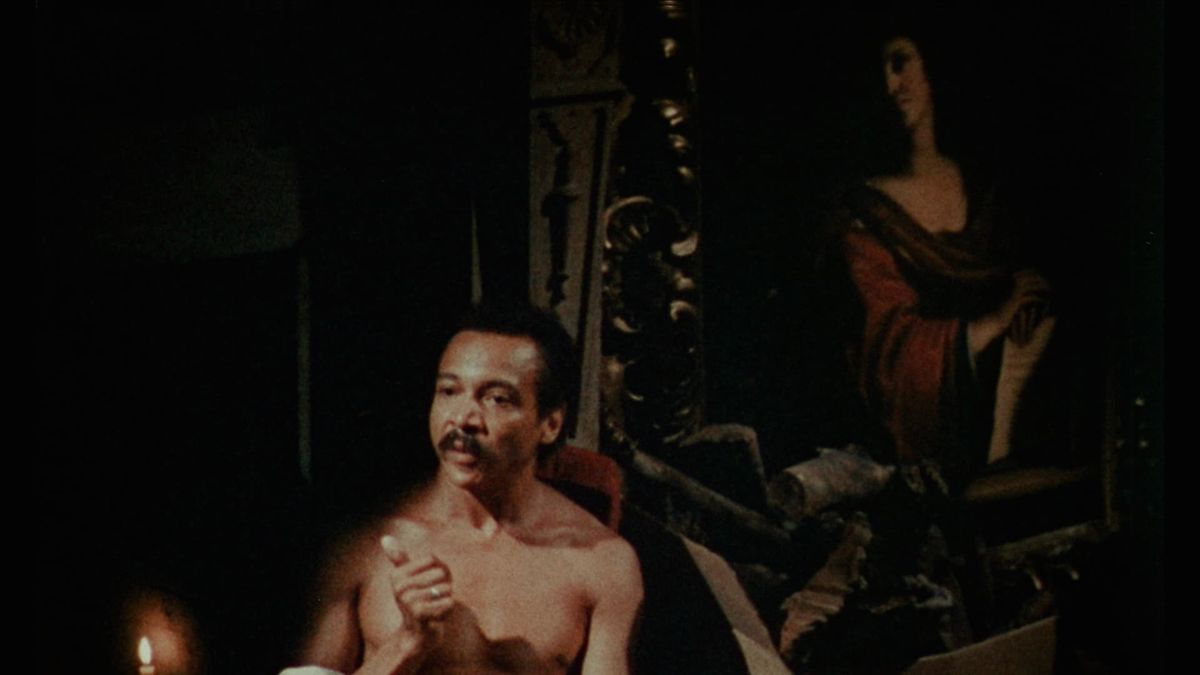
Beyond Night of the Living Dead, films of the 1970s and 1980s began engaging more deliberately with racial issues. Ganja & Hess (1973), directed by Bill Gunn, was a radical departure from the traditional vampire narrative, infused with Afrocentric themes and complex reflections on addiction, immortality, and cultural erasure. Unlike the exploitative nature of many Black-led horror films of the era, Ganja & Hess subverted genre tropes by exploring Black spirituality and identity through a surreal, almost experimental lens.
Similarly, JD’s Revenge (1976) played with supernatural horror as a means of confronting historical trauma. The film follows a law student possessed by the vengeful spirit of a murdered gangster, using horror to examine the psychological scars of systemic oppression.
These films, though not widely recognized in mainstream horror circles at the time, laid an early foundation for horror as a vessel for Black social commentary.
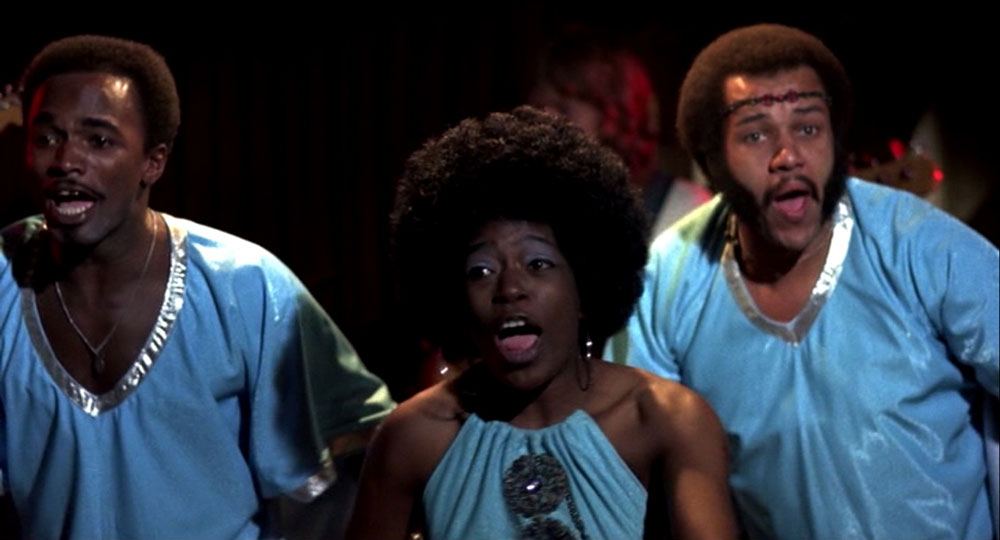
The 1970s ushered in the Blaxploitation era, a time when Black audiences were finally seeing themselves as protagonists in genres that had long relegated them to side characters or victims. Horror was no exception. Films like Blacula (1972) and its sequel Scream Blacula Scream (1973) blended horror with the unmistakable aesthetic and themes of Blaxploitation cinema—empowered Black heroes, urban settings, and critiques of white supremacy.
While Blacula was initially seen as a cash grab in the vein of Dracula, it also subverted traditional horror by casting William Marshall, a classically trained Black actor, as a dignified, tragic vampire. The film subtly commented on colonialism, with its protagonist, Prince Mamuwalde, cursed by Count Dracula after appealing to European leaders to end the transatlantic slave trade.
Other films such as Abby (1974), often called the “Black Exorcist,” capitalized on the success of mainstream horror hits while providing audiences with Black protagonists in supernatural narratives. However, Blaxploitation horror was often a double-edged sword. While it allowed for Black characters to take center stage, it also leaned into negative stereotypes, reinforcing ideas of hypersexuality, crime, and mysticism.
By the late 1970s and early 1980s, the decline of Blaxploitation cinema led to fewer Black-led horror films. Instead, Black characters reverted to secondary roles, often as disposable figures in slasher films, perpetuating the “Black guy dies first” trope that plagued horror for decades.

From the 1980s through the early 2000s, Black characters in horror films were often relegated to supporting roles or victims.
Films like Friday the 13th Part VIII: Jason Takes Manhattan (1989) and Scream 2 (1997) exemplified the expendability of Black characters in the genre. Even when films starred Black leads, such as Tales from the Hood (1995), which brilliantly fused urban horror with social justice themes, they were often overlooked by mainstream audiences or dismissed as niche entertainment.
However, progress was slowly being made. Films like Candyman (1992) introduced a complex Black antagonist in Tony Todd’s Daniel Robitaille, a tragic yet vengeful spirit born from racial violence. While the film reinforced some racial anxieties (depicting Cabrini-Green as a crime-ridden nightmare), it also highlighted historical racial trauma and gentrification.
The early 2000s saw more Black-led horror films, including Bones (2001), starring Snoop Dogg as a supernatural avenger, and Anaconda (1997), featuring Ice Cube as an action-ready hero. Yet, the overarching trends in horror still positioned Black characters as sidekicks, comic relief, or early casualties rather than fully realized protagonists.
It wasn’t until Get Out (2017) that mainstream horror fully acknowledged the potential of Black horror as both a commercial powerhouse and a sophisticated medium for social critique.
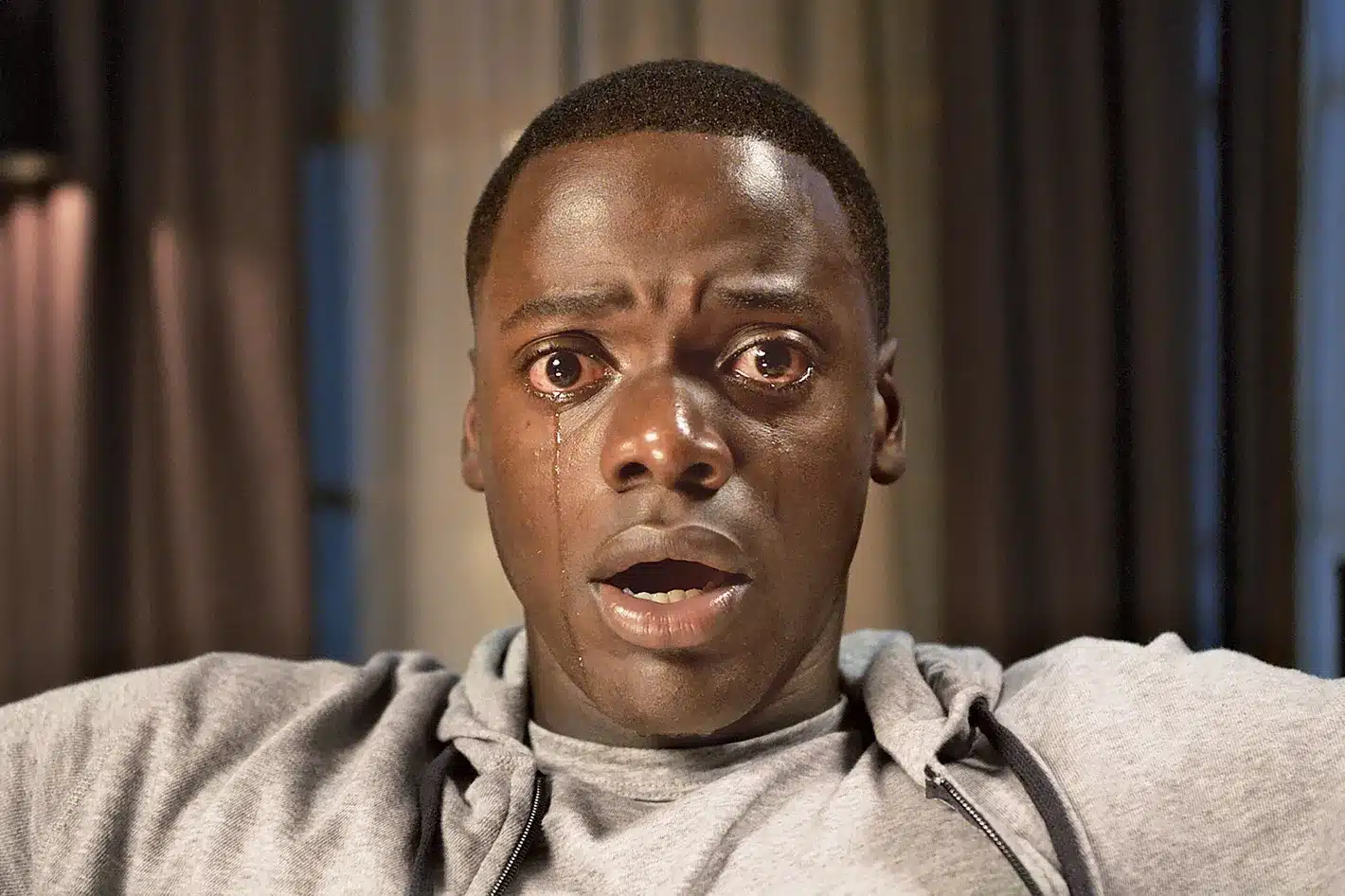
Jordan Peele’s Get Out (2017) marked a seismic shift in horror, proving that films centered on Black stories could be commercially successful, critically acclaimed, and deeply relevant.
The film’s exploration of liberal racism, cultural appropriation, and systemic oppression resonated in a way few horror films had before. By subverting the traditional horror structure—where the Black character often dies first—Get Out allowed its protagonist, Chris (Daniel Kaluuya), to survive and fight back against his oppressors, providing a cathartic resolution rarely afforded to Black characters.
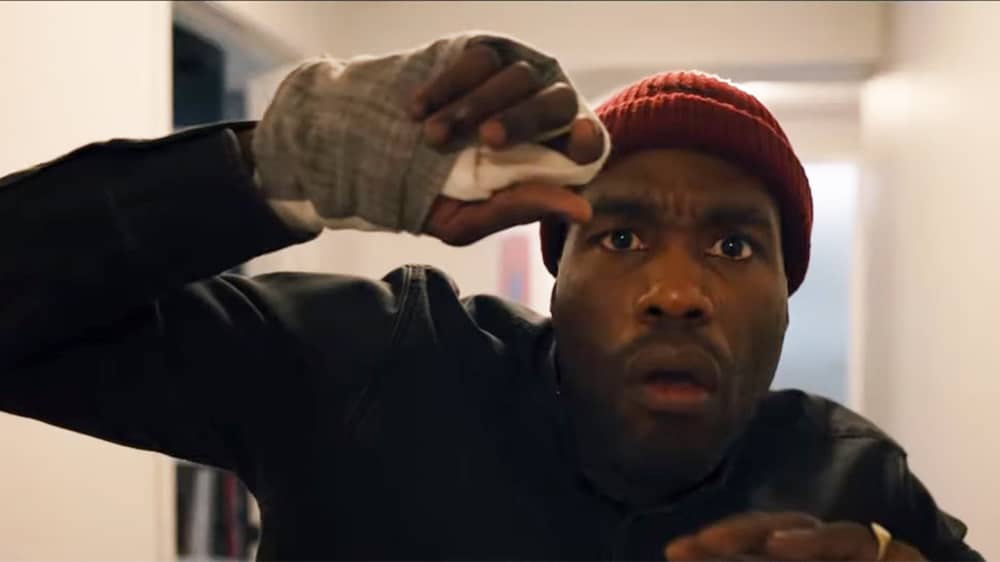
Following Get Out, a new wave of Black horror emerged. Peele’s Us (2019) delved into themes of class, duality, and the overlooked underclass, while Nia DaCosta’s Candyman (2021) reimagined the 1992 film through a sharper, more direct lens on gentrification and historical trauma.
Other films like His House (2020) explored the immigrant experience through supernatural horror, while The Blackening (2023) playfully deconstructed horror tropes while centering a fully Black cast. Meanwhile, TV shows like Lovecraft Country (2020) blended cosmic horror with racial history, reinforcing the growing trend of reclaiming and reshaping the genre.
Modern horror films addressing systemic racism tend to:
However, it’s important to note that not all contemporary Black-led horror films focus explicitly on racial themes.
There’s a growing recognition that Black characters should be able to exist in horror narratives without their race being the central focus.
Fortunately, the portrayal of systemic racism in horror has evolved from perpetuating harmful stereotypes to becoming a powerful tool for social commentary and critique. Modern horror films are increasingly using the genre’s unique ability to explore fear and discomfort to shed light on the real-world horrors of racism and systemic oppression. They are also increasingly exploring intersectionality, addressing how race intersects with other forms of oppression, such as gender and class.
We’ve come a long way from the days of Black representation in the genre being an afterthought or a stereotype-driven spectacle. Today, films by Black filmmakers and about Black characters stand at the forefront of genre innovation, offering powerful social critiques while reclaiming horror as a space for Black creativity and empowerment. As filmmakers continue to push boundaries, the evolution of Black horror promises to remain as dynamic, thought-provoking, and terrifying as ever.
As the success of filmmakers like Jordan Peele has shown, there is a significant appetite for horror stories told from Black perspectives. We can expect to see more Black directors, writers, and producers entering the genre, bringing fresh and diverse narratives.
We should also expect to see more representation from outside the United States, offering diverse perspectives on race and horror from different cultural contexts. This could include stories from the African diaspora, exploring unique folklore and historical experiences.
Black Horror will continue to serve as a vehicle for social and political commentary, addressing contemporary issues such as police brutality, systemic racism, and social justice. The genre may also be used to raise awareness and inspire activism, using the visceral power of horror to galvanize audiences and provoke thought. In today’s fraught sociopolitical climate, Black Horror has the potential to not only entertain but also educate, inspire, and provoke meaningful change.
The future of Black Horror looks promising and dynamic, especially given the current sociopolitical climate and the increasing demand for diverse voices and stories.

She’s a lover, he’s a fighter. Together, they’re CHEER AND LOATHING. Tune in to hear your hosts, Stephanie (Cheer) and Casey (Loathing), clash over the films they love — and the ones they love to hate.
In this holiday extravaganza episode of Guilty Pleasures, join hosts Stephanie, Kelly, and our newest addition, Jonathan (Jack was tied up in tinsel and couldn't join us), as they unwrap the bizarre and unhinged world of holiday cinema. They dive into the depths of Elves, a film that's as chaotic as it is entertaining. It's a sleigh full of questionable decisions, diabolical dialogue, absurd plot twists, wildly offensive antics, and unhinged holiday mischief.
And that's not all! In the second half of the podcast, join your festive cinephile friends for a look at four more ”nutty as a fruitcake” holiday treats: A New York Christmas Wedding, Elf Bowling, A Medea Christmas, and Jack Frost. Plus, we each offer a bonus Christmas flick guaranteed to make you say, ”Ho, Ho, HO-LY Hell!”
Expect laughter, disbelief, and a spirited debate about what truly makes a movie a guilty pleasure. Don't miss this festive journey through the weirdest corners of holiday films!






1 Comment
1 Record
Larrod Evans wrote: