Trash, Blood, and Celluloid: Revisiting Andy Milligan and the World of Exploitation


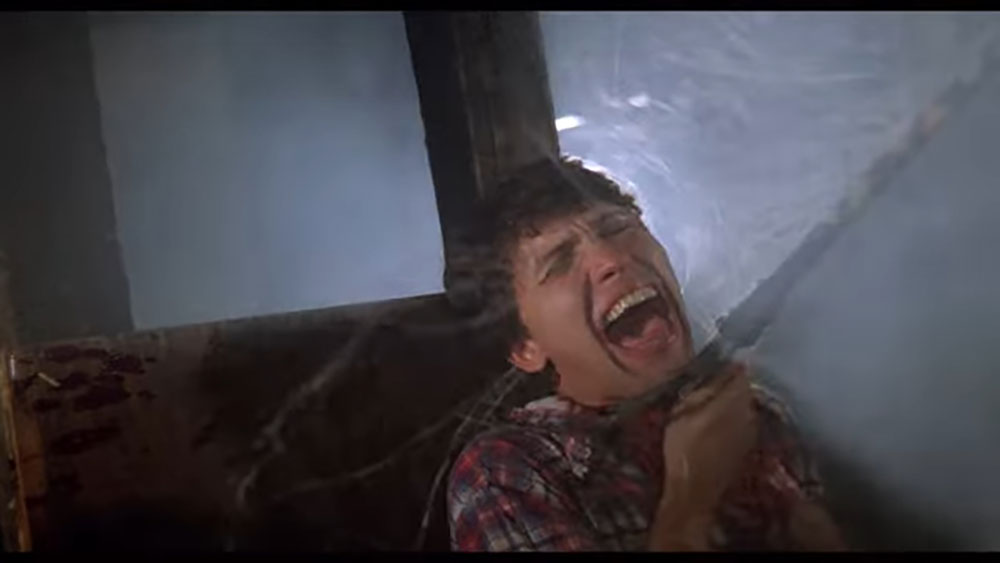

Andy Milligan isn’t exactly a household name. He never had the luxury of glossy studio budgets, prestige premieres, or the kind of critical attention lavished on his New York contemporaries like Scorsese or Ferrara. Instead, Milligan worked in the shadows, toiling away in the low-rent grindhouses of 42nd Street, hammering out horror, sexploitation, and period melodramas with more bile than polish.
Josh Johnson and Grayson Tyler Johnson’s documentary The Degenerate: The Life and Films of Andy Milligan is both a reclamation project and an unflinching portrait of one of cinema’s most maligned figures.
It’s a film that asks us to reconsider the role of exploitation in cinematic history—and to finally acknowledge Milligan as an outsider artist whose work mattered.
The documentary dives deep into Milligan’s turbulent life. Born in 1929, he grew up in an abusive household marked by cruelty and neglect, formative wounds that bled into his films. His onscreen worlds were filled with sadistic matriarchs, incest, betrayal, and grotesque violence. His films were a fractured mirror reflecting his own personal scars.
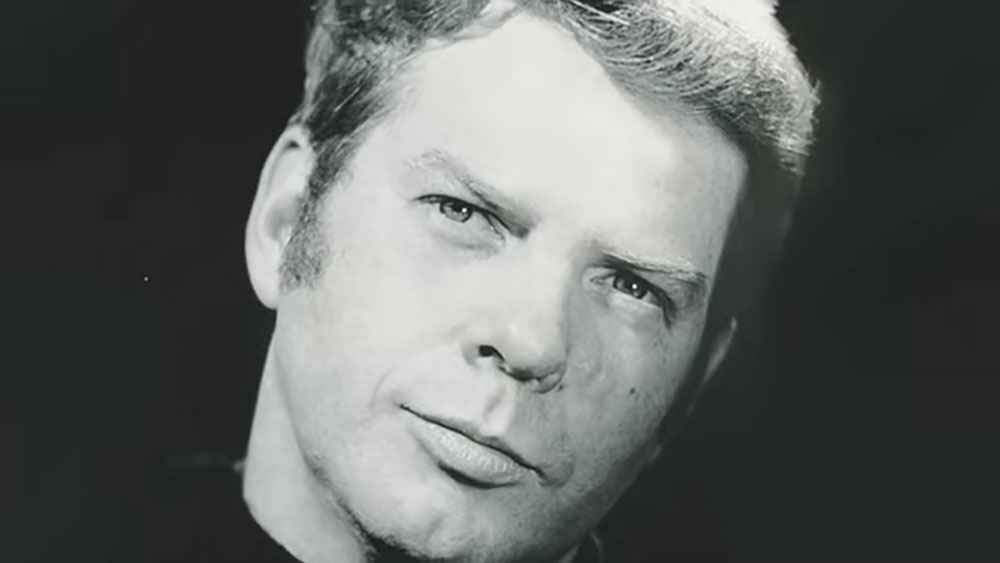
After early successes in New York’s Off-Off-Broadway scene at Café Cino, he transitioned into filmmaking. A deal with notorious exploitation distributor William Mishkin sent him down a path that would define the rest of his life: making films as cheaply, quickly, and salaciously as possible.
In fact, the way he mainly toiled in obscurity is one of the more tragic revelations of this endlessly compelling documentary. He was a passionate artist who was constantly held back by an industry that demanded he relentlessly churn out as many films as possible for as little money as possible—turning his art into disposable commerce.
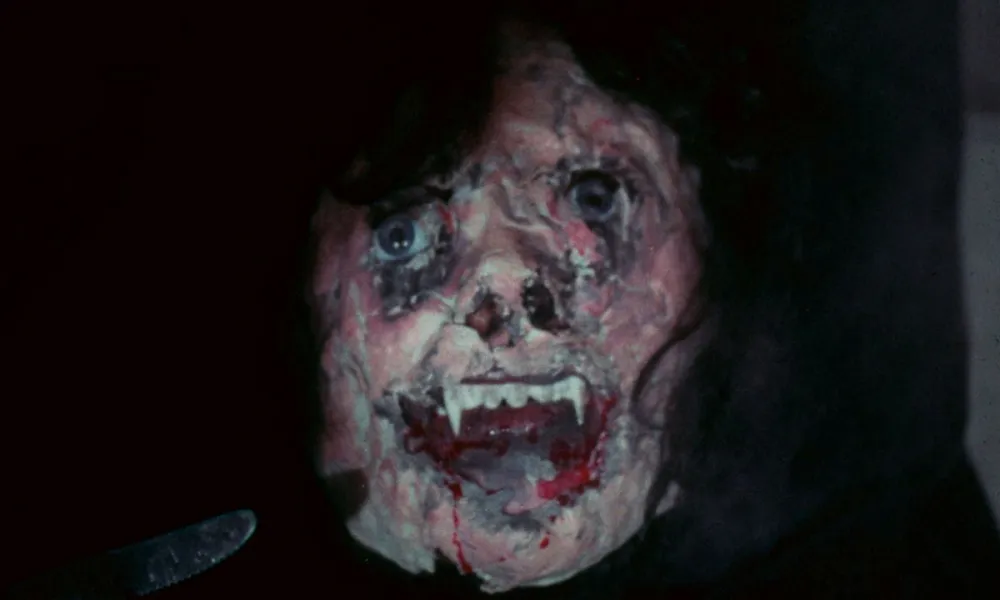
From Vapors (1965) to lurid grindhouse staples like The Ghastly Ones (1968), Bloodthirsty Butchers (1970), and The Rats Are Coming! The Werewolves Are Here! (1972), Milligan’s output straddled the line between amateurish chaos and anarchic brilliance.
His films were cheap and unrefined, but they were also unmistakably his. What Milligan lacked in finesse, he made up for with energy.
His films pulse with a furious, renegade spirit. They are angry, messy, often misogynistic, but always alive. And that vitality—combined with their unapologetic confrontation of taboo subjects—has made them enduring artifacts of a cinematic underworld.
As John Waters once quipped, “Can a genius be untalented too?” With Milligan, the answer is complicated but undeniably fascinating.
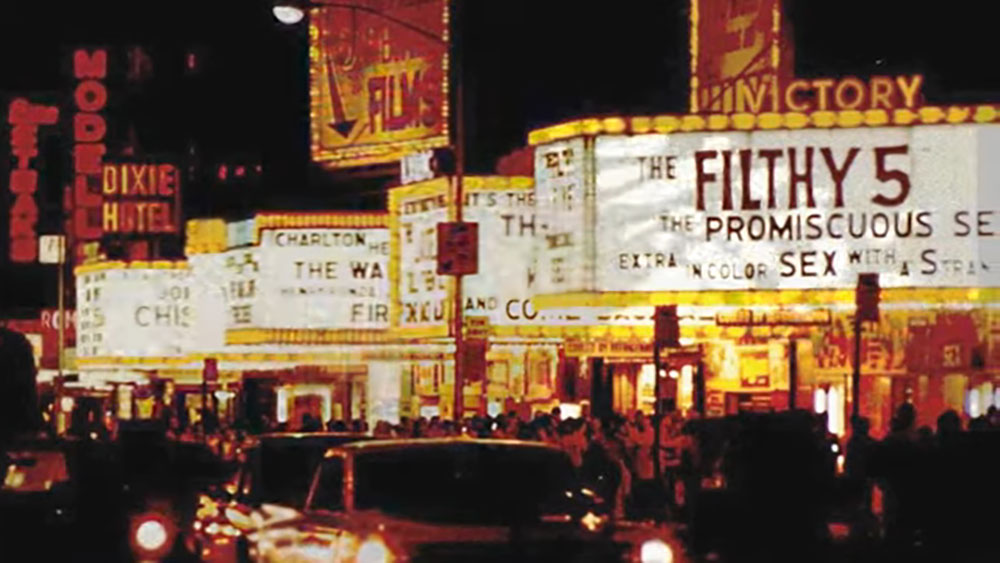
Often dismissed as trash, grindhouse films were in fact laboratories of invention. With no oversight and little to lose, filmmakers could experiment wildly with form, content, and tone.
Exploitation cinema tackled taboo subjects mainstream Hollywood wouldn’t touch—sexuality, violence, queerness, race, and class tensions. Though crude, these films shaped the vocabulary of horror and indie filmmaking. Their fingerprints are everywhere, from Quentin Tarantino to Rob Zombie to underground queer cinema.
Milligan, as a queer filmmaker pushing against every boundary, was both emblematic of and essential to this tradition.
He was a workaholic, constantly driving himself to the point of exhaustion. His relentless pace left him irritable and volatile, and his life was marked by hard living and dangerous escapades. Yet, as the documentary shows, he was fiercely artistic in his own way—funneling trauma, rage, and queerness into films that were undeniably his own.
His life ended as tragically as it was lived. He died of AIDS-related illness in 1991, buried in poverty in an unmarked grave.
Yet his story has gained new resonance in recent years. Severin Films’ Dungeon of Andy Milligan Collection introduced his work to new audiences, and The Degenerate continues that effort by humanizing the man behind the madness.
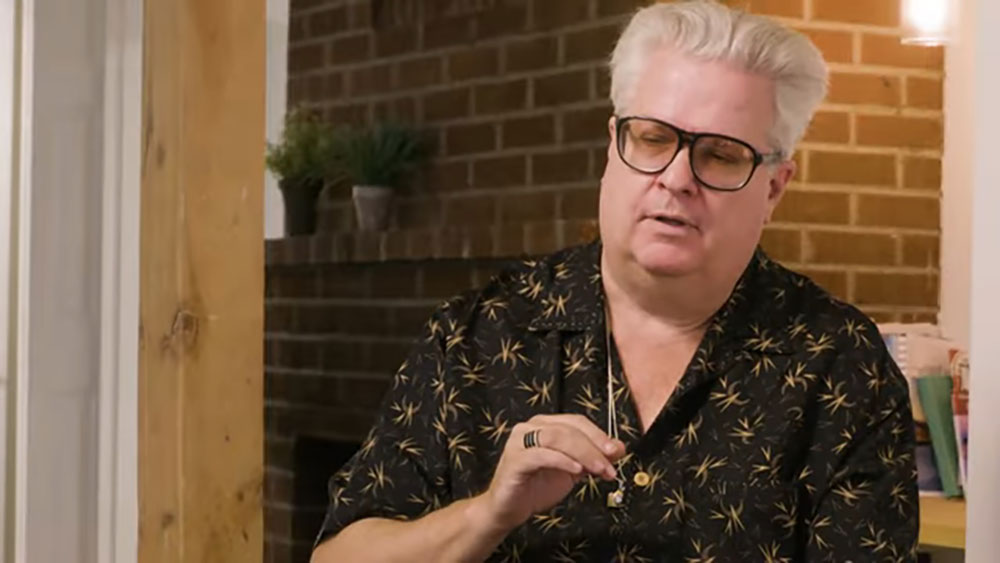
The film features interviews with biographer Jimmy McDonough (The Ghastly One), collaborators, critics, and friends who speak candidly about Milligan’s cruelty, sensitivity, and unrelenting drive. There’s no attempt to sanitize his misogyny or soften his rough edges.
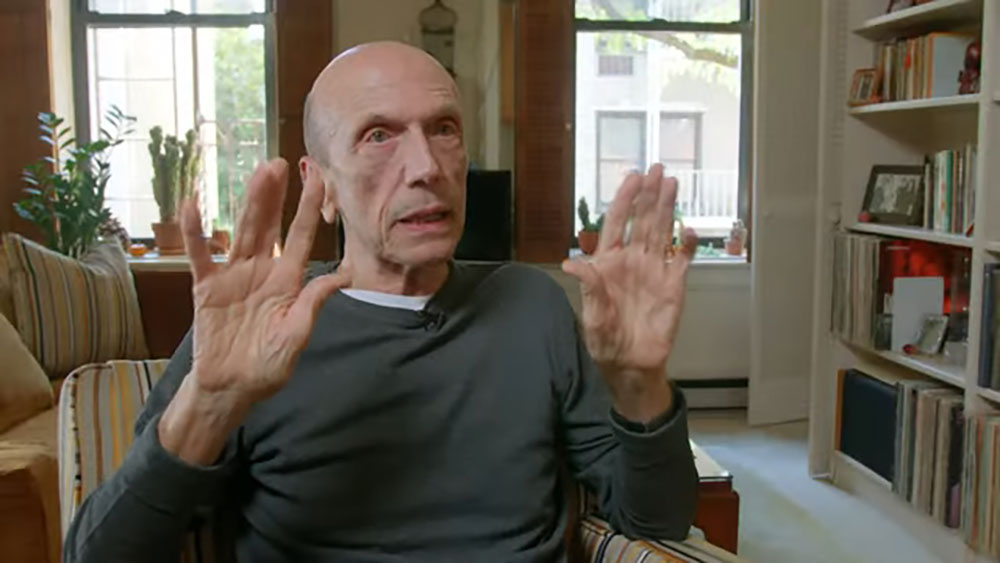
The Degenerate is more than just a biographical documentary; it’s a cultural corrective. It asks us to look at the margins of cinema, to consider the messy, abrasive figures who never got their due but whose fingerprints are all over the history of film.
For longtime fans, it’s a revelatory deep dive with new insights and unearthed footage. For newcomers, it’s a perfect entry point into a filmmaker who has too long been written off as an untalented hack rather than the complicated outsider artist he truly was.
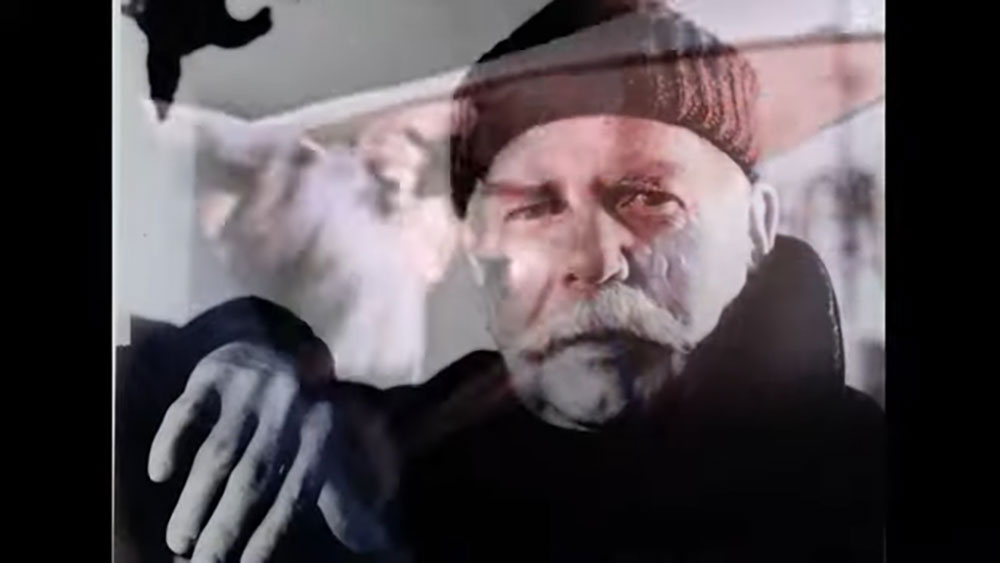
The film even includes excerpts from a recently discovered interview with Milligan, thought to be the only one that exists. Hearing his voice adds a ghostly immediacy, as if the long-lost provocateur is finally being allowed to speak for himself.
It’s a messy, tragic, and fascinating story—one that mirrors the films Milligan left behind. And in telling it so honestly, Johnson and Johnson have given Milligan the only tribute he ever really deserved: one without compromise.

She’s a lover, he’s a fighter. Together, they’re CHEER AND LOATHING. Tune in to hear your hosts, Stephanie (Cheer) and Casey (Loathing), clash over the films they love — and the ones they love to hate.
In this holiday extravaganza episode of Guilty Pleasures, join hosts Stephanie, Kelly, and our newest addition, Jonathan (Jack was tied up in tinsel and couldn't join us), as they unwrap the bizarre and unhinged world of holiday cinema. They dive into the depths of Elves, a film that's as chaotic as it is entertaining. It's a sleigh full of questionable decisions, diabolical dialogue, absurd plot twists, wildly offensive antics, and unhinged holiday mischief.
And that's not all! In the second half of the podcast, join your festive cinephile friends for a look at four more ”nutty as a fruitcake” holiday treats: A New York Christmas Wedding, Elf Bowling, A Medea Christmas, and Jack Frost. Plus, we each offer a bonus Christmas flick guaranteed to make you say, ”Ho, Ho, HO-LY Hell!”
Expect laughter, disbelief, and a spirited debate about what truly makes a movie a guilty pleasure. Don't miss this festive journey through the weirdest corners of holiday films!

Follow Us!