Trash, Blood, and Celluloid: Revisiting Andy Milligan and the World of Exploitation


If you’re new to Andy Milligan and want to see what the fuss (and the fury) is all about, here are five essential films that define his chaotic career.
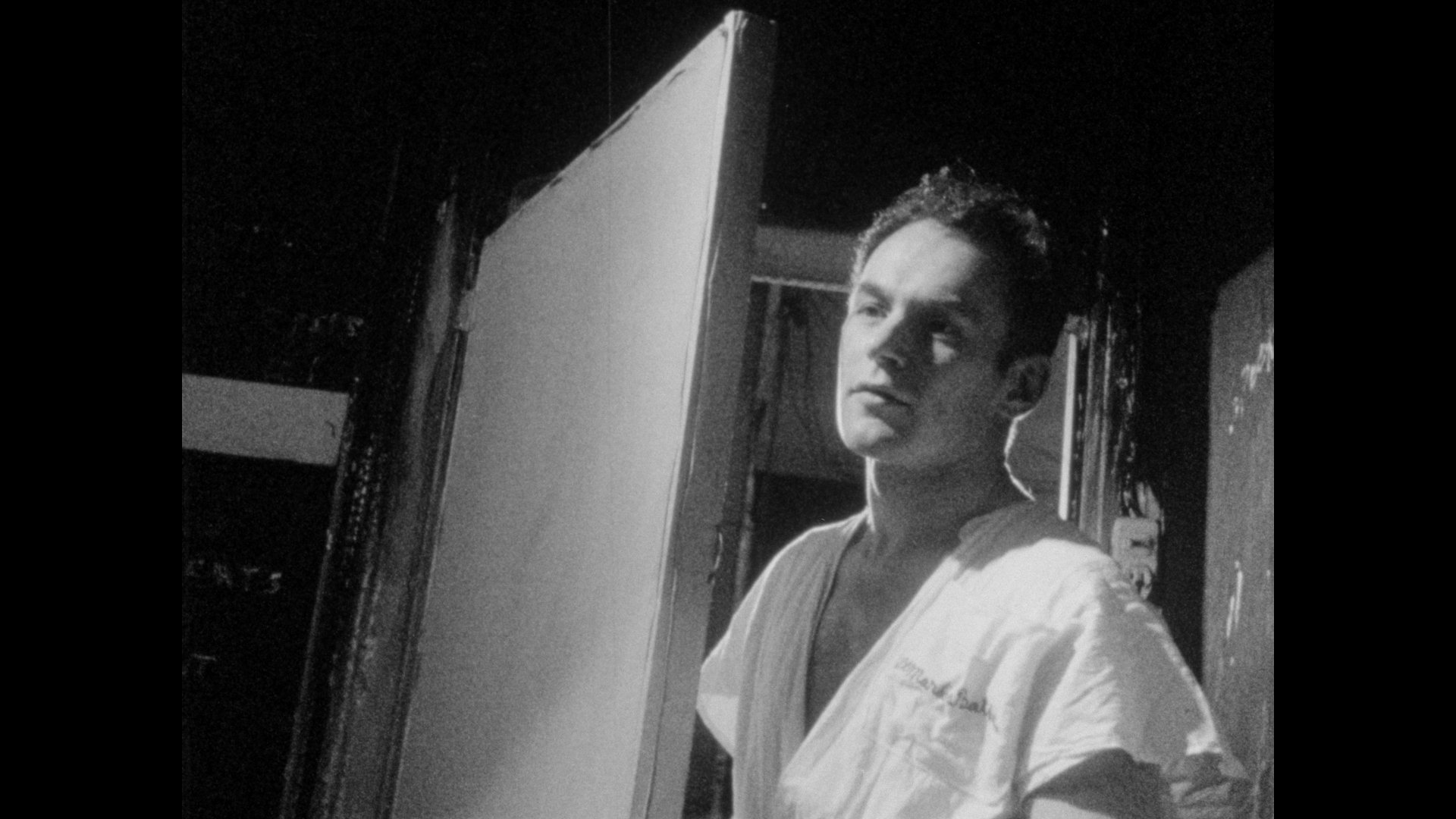
Before the gore, before the exploitation deals, Milligan’s very first film was a tender, queer short. Set in a Greenwich Village bathhouse, Vapors depicts two men—one young, one middle-aged—tentatively revealing pieces of their lives in conversation. It’s quiet, intimate, and radical for its time, offering an unfiltered look at queer experience at a moment when such representation was virtually nonexistent.
The fact that Milligan’s debut showed such sensitivity only makes his later descent into cruelty and excess more fascinating—and, perhaps, more tragic.
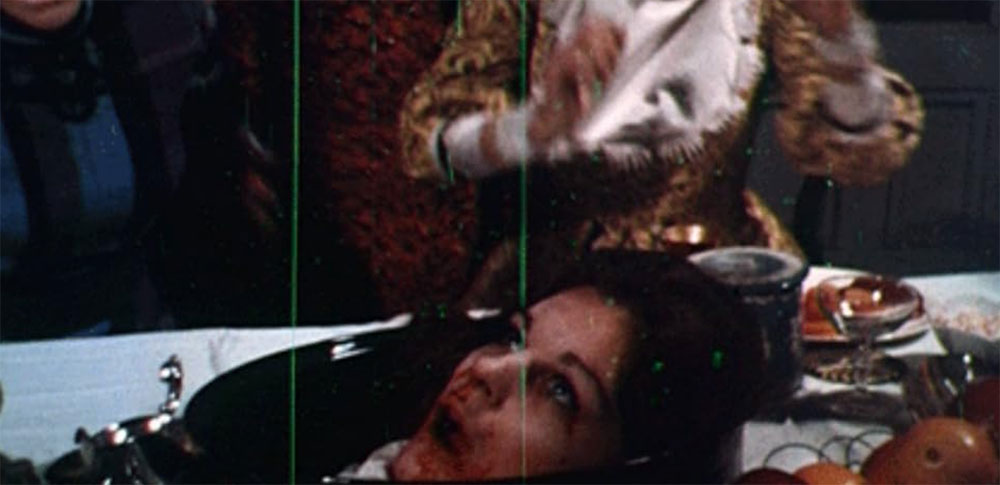
Often cited as Milligan’s calling card, The Ghastly Ones is a lurid, gore-soaked inheritance melodrama where sisters gather in a creaky old mansion to hear a will read, only to be picked off one by one.
It was the first of his horror films to gain notoriety and played to packed grindhouse crowds. While critics derided it as tasteless schlock, its combination of gothic atmosphere, theatrical hysteria, and buckets of blood became essential Milligan trademarks.
It also cemented his reputation as someone who could deliver what 42nd Street audiences craved: cheap shocks and raw violence.
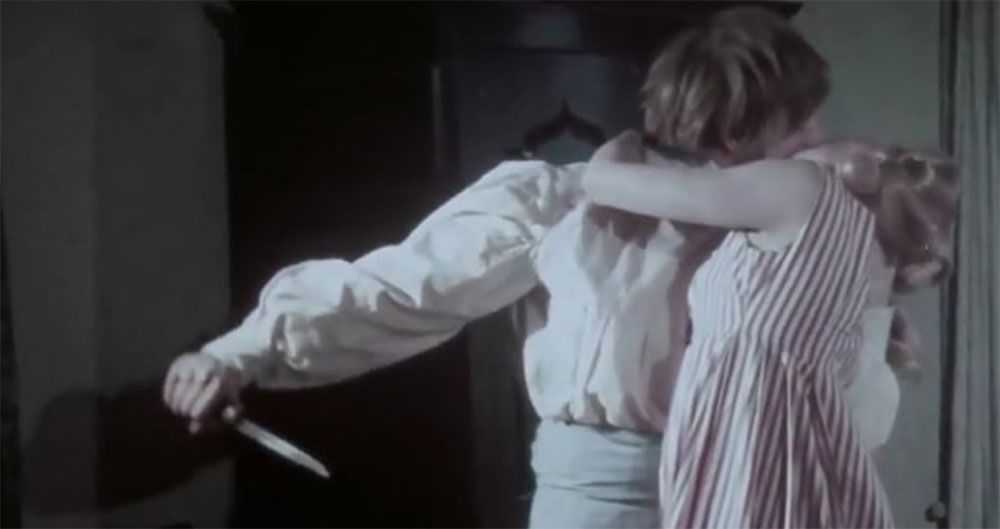
Milligan’s stab at literary adaptation plays like Sweeney Todd by way of Staten Island. The sets are wobbly, the costumes are threadbare, and the performances are pitched to the rafters, but the result is strangely hypnotic.
Rather than polish, the film thrives on its ragged theatricality, blurring the line between stage melodrama and cinematic gore. It also reveals Milligan’s ambition: even with no money, he attempted sweeping period pieces, costuming his cast himself and staging Shakespearean-sized betrayals in apartments and basements.
It’s Milligan’s vision of grand horror, filtered through exploitation’s bargain bin.
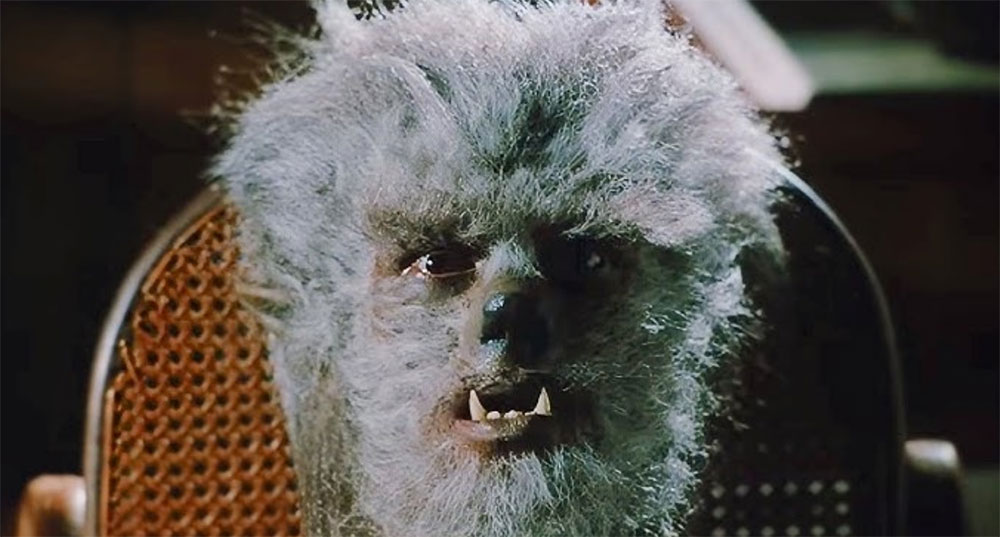
If one film distills Milligan’s obsession with shrill family melodramas, it’s this one.
A clan of werewolves bickers, schemes, and turns on one another in endless shouting matches before the supernatural mayhem explodes. For some, it’s near-unwatchable chaos; for others, it’s a hypnotic swirl of dysfunction, cruelty, and no-budget monster effects.
The film embodies Milligan’s signature energy: hysterical arguments, grotesque transformations, and the sense that you’re watching someone exorcise their personal demons on screen in real time.
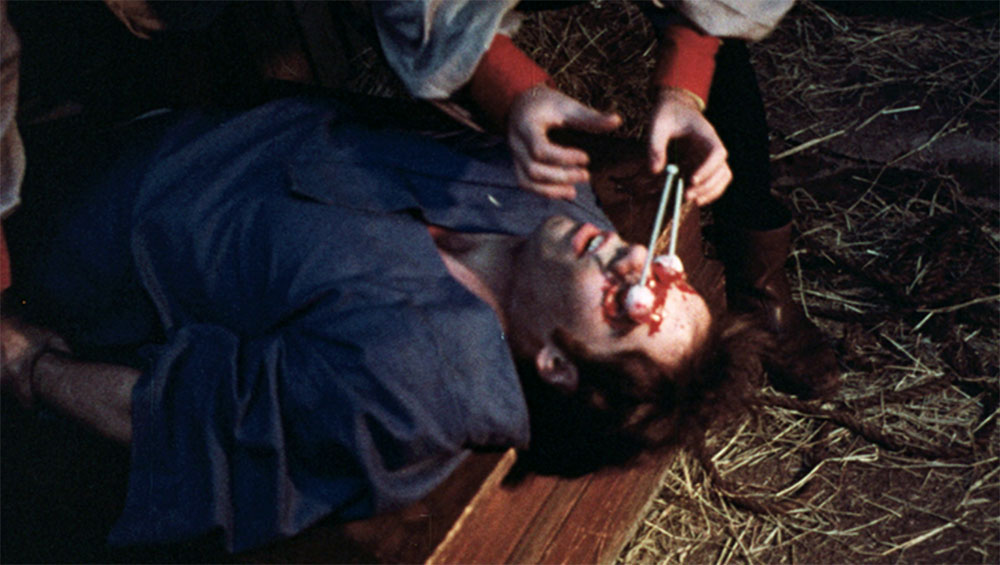
Shot in a single Staten Island location with virtually no budget, Guru is one of Milligan’s most distilled works.
The story of a corrupt clergyman who sadistically abuses his power, the film showcases Milligan’s fascination with cruel authority figures and moral hypocrisy. Here, his themes of sadism and betrayal come into stark focus.
While crude in execution, the film’s intensity—and its willingness to skewer religion and institutional corruption—makes it feel ahead of its time.
It’s Milligan stripped down to his core obsessions: power, cruelty, and human weakness.
These films may not be “good” by traditional standards, but they are undeniably Milligan: shrill, furious, uncompromising, and utterly unique. Together, they chart the jagged arc of a filmmaker who turned his pain, rage, and queerness into some of the most infamous exploitation cinema ever made.

She’s a lover, he’s a fighter. Together, they’re CHEER AND LOATHING. Tune in to hear your hosts, Stephanie (Cheer) and Casey (Loathing), clash over the films they love — and the ones they love to hate.
In this holiday extravaganza episode of Guilty Pleasures, join hosts Stephanie, Kelly, and our newest addition, Jonathan (Jack was tied up in tinsel and couldn't join us), as they unwrap the bizarre and unhinged world of holiday cinema. They dive into the depths of Elves, a film that's as chaotic as it is entertaining. It's a sleigh full of questionable decisions, diabolical dialogue, absurd plot twists, wildly offensive antics, and unhinged holiday mischief.
And that's not all! In the second half of the podcast, join your festive cinephile friends for a look at four more ”nutty as a fruitcake” holiday treats: A New York Christmas Wedding, Elf Bowling, A Medea Christmas, and Jack Frost. Plus, we each offer a bonus Christmas flick guaranteed to make you say, ”Ho, Ho, HO-LY Hell!”
Expect laughter, disbelief, and a spirited debate about what truly makes a movie a guilty pleasure. Don't miss this festive journey through the weirdest corners of holiday films!

Follow Us!