

“The Hater” (2020) is a chilling look at digital propaganda, showing how easy it is to control narratives and fuel real-world destruction.
No time to read? Click the button below to listen to this post.

“Whoever controls the message controls the world.”
It’s a phrase that sounds almost cliché in our media-saturated age, but it has never been more terrifyingly accurate. Propaganda isn’t a relic of wartime radio or Cold War posters. It’s alive, thriving, and hiding in plain sight in the curated feeds of our social media timelines.
We like to think we’re sharp enough to see through it, that our opinions are formed by free will and critical thought. But what if those thoughts were never really ours to begin with?
We’ve watched it unfold in real time: the public execution of celebrities and public figures, fueled by bot armies and monetized outrage. Scandals where narratives turned on a dime, leaving millions convinced they despised someone they hadn’t even thought twice about the day before.
In these cases, the masses aren’t just spectators; they are participants in a carefully crafted smear campaign.
In a world where likes, clicks, and shares are the new weapons of mass destruction, horror once again proves itself to be our most prophetic genre.
Few films capture the monstrous power of message manipulation as unflinchingly as Jan Komasa’s Polish thriller The Hater (2020).
THE RIGHT FILM FOR THE RIGHT TIME

The terror here doesn’t come from supernatural creatures or masked killers but from algorithms and the terrifying ease with which reality itself can be rewritten.
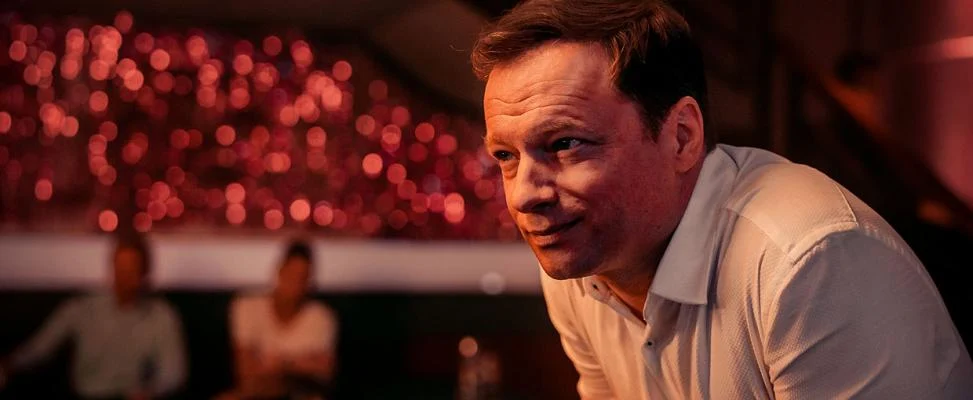
The Hater follows Tomasz, a disgraced law student desperate to claw his way into relevance. His opportunity arrives when he takes a job at a shadowy PR firm specializing in online manipulation. His assignment? Craft smear campaigns, generate fake outrage, and manufacture consent through lies disguised as truth.
Tomasz quickly discovers a knack for digital warfare, and the film charts his rise from petty manipulator to powerful architect of perception.
His personal vendettas merge with broader political aims as he directs troll farms, fabricates scandals, and deploys bots to drown out dissent. Every move he makes erodes the line between truth and fiction. And every target he chooses reminds us how fragile reputations, movements, and even democracies really are.
The horror isn’t just that Tomasz does these things; it’s how easy it is for him to succeed.
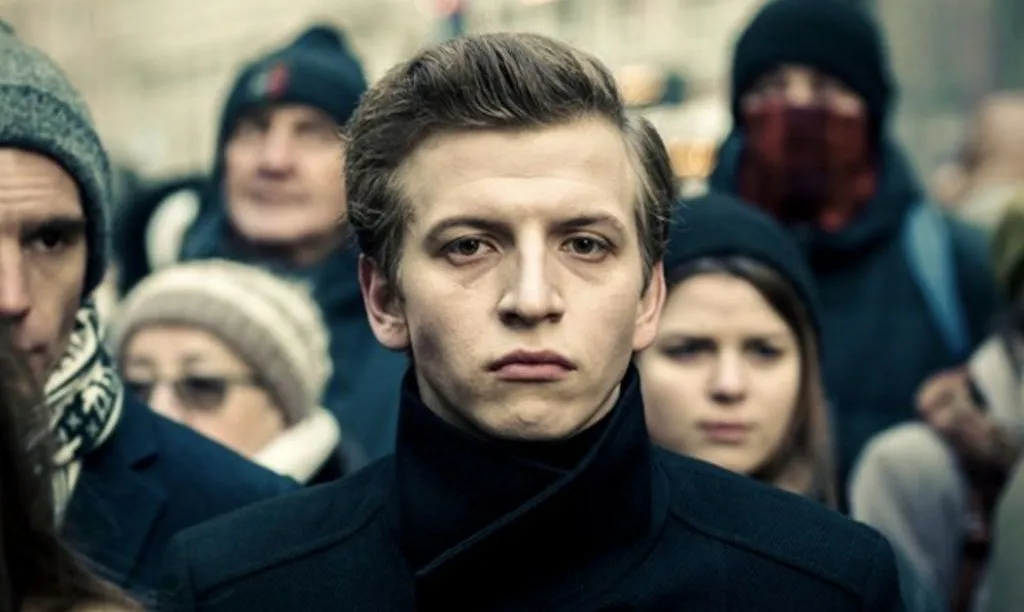
The Hater brilliantly captures the way hate, fear, and bigotry are weaponized for political gain.
In the film’s political subplot, Tomasz is tasked with stoking fears about immigration. He crafts stories about crime, violence, and cultural threat—not because the facts matter, but because fear is the most effective common denominator.
Fear overrides nuance, reason, and empathy. It unites disparate people under a single banner of paranoia, fueling nationalism that bad actors can manipulate for power.
Komasa doesn’t stop at xenophobia. The film also addresses anti-LGBT sentiment, showing how vulnerable communities become convenient scapegoats for politicians and power brokers who need to rally a base.
These campaigns aren’t rooted in genuine concern or moral principles. They’re tactical lies, cloaked in the language of protection, used to consolidate control.
Perhaps most devastating is the film’s commentary on the exploitation of the vulnerable.
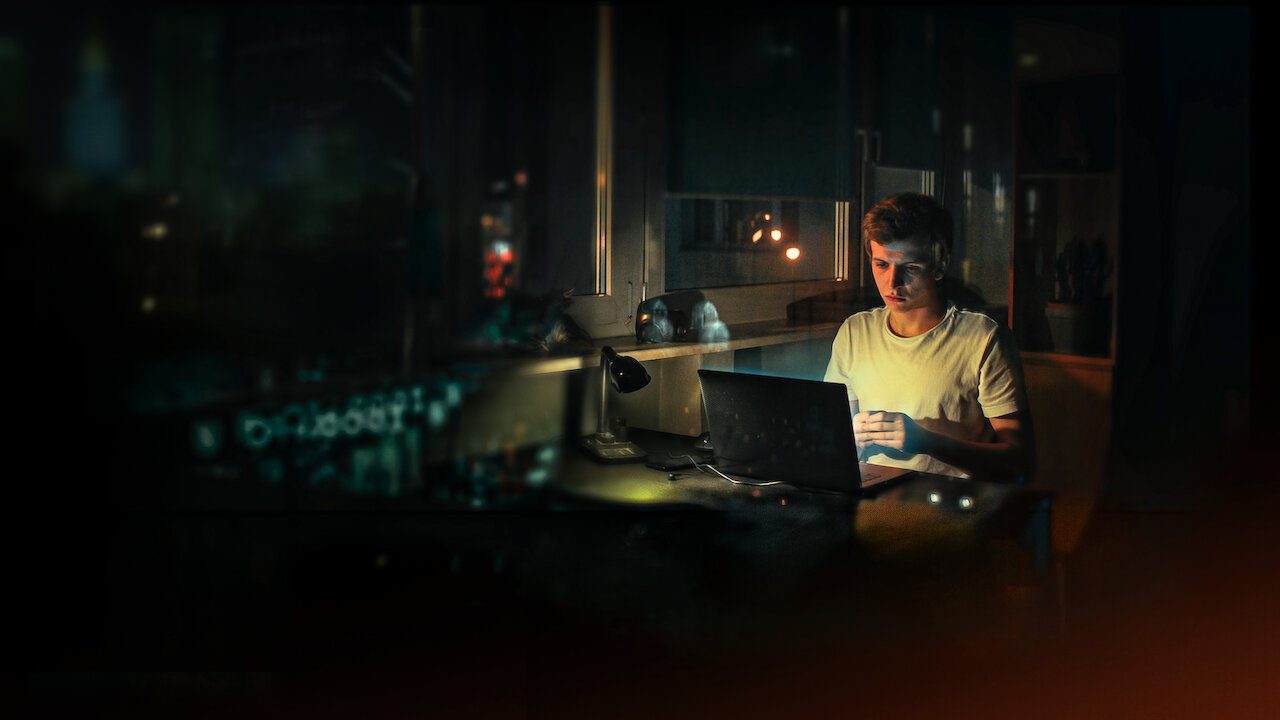
Tomasz himself is lonely, humiliated, and desperate for belonging. He is precisely the kind of outsider who is easy to weaponize. Troll farms and propaganda machines thrive on these people, giving them the illusion of control and purpose.
Their anger, resentment, and pain are funneled into targeted attacks, transforming them into pawns who feel like knights. Their rage becomes ammunition, their posts and shares the missiles aimed at whichever scapegoat the campaign demands.
It’s not just a metaphor. The Hater makes clear that this kind of manipulation doesn’t stay online. It metastasizes into real-world violence, polarization, and destruction.
The digital battlefield bleeds into the streets.
WHY IT MATTERS

What makes The Hater so unsettling is its portrait of how propaganda works best: by convincing you that you’ve never been manipulated at all.
Tomasz doesn’t just spread lies; he seeds doubt, reframes narratives, and amplifies anger. He understands the golden rule of modern spin: if you can make someone feel something strongly enough, facts no longer matter.
Every smear campaign, every whisper of xenophobia, every cynical use of prejudice to inflame a base feels ripped from headlines across the globe—but especially in America, where immigration, LGBTQ rights, and nationalism remain constant flashpoints.
It’s an uncomfortable reminder that those who manipulate the message aren’t defending values. They’re manufacturing fear to hold power.

It’s impossible to watch without thinking of real-world examples.
Bot swarms and fake accounts that simulate organic outrage. Manufactured scandals that shift blame onto carefully chosen scapegoats. Viral narratives that are designed to humiliate, discredit, and dehumanize. The monetization of someone’s downfall.
Most terrifying of all? How willingly we participate.
In The Hater, the public becomes Tomasz’s accomplice, doing his dirty work by liking, sharing, and dogpiling. The mob is manipulated into thinking it chose the target. But the crosshairs were painted long before they clicked “retweet.”
The Hater doesn’t warn us about what might happen. It shows us what’s already happening, right now, on every platform we log into.
WATCH THE HATER NOW
The Hater is a haunting reminder that the battle for truth isn’t being fought in the streets. It’s being fought in the comment sections, the trending hashtags, and the algorithm-driven feeds we refresh every few minutes.
This is a film about how power brokers weaponize fear, how prejudice becomes policy, and how the lonely and angry are exploited to keep the machine running. In a further twist of the screw, Komasa never lets us sit comfortably as detached observers. He forces us to confront our complicity in these systems, to ask how often we’ve believed a narrative that was never ours to begin with.
As a chilling commentary on the terrifying fragility of truth, it’s one of the most urgent films to include in the ongoing conversation about horror’s ability to reflect—and warn us about—the world we live in.
Overall Rating (Out of 5 Butterflies): 4.5









Follow Us!