
From cackling villains to feminist icons, cinematic witches reflect cultural fears, societal shifts, and the allure of forbidden power.
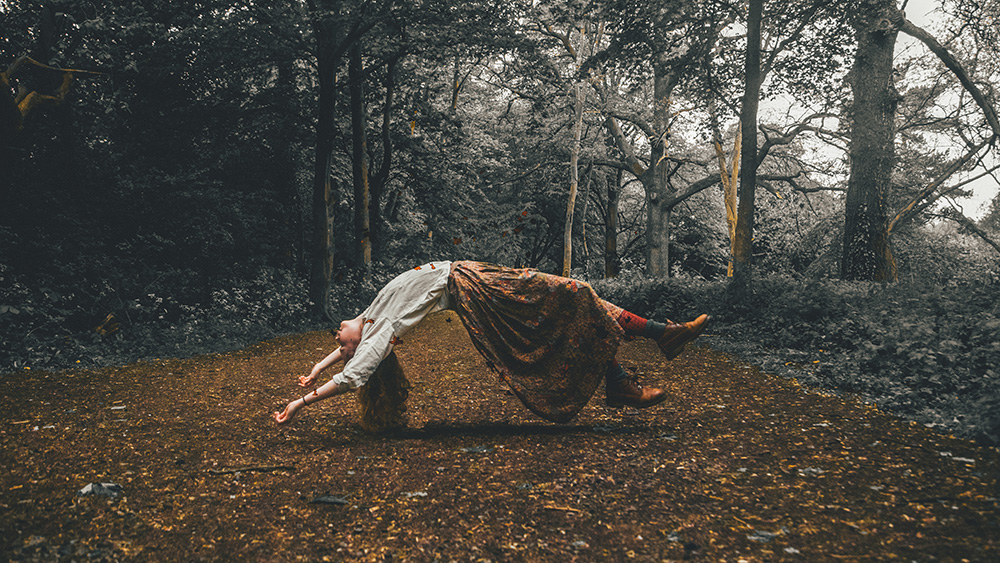
For hundreds of years, the witch has haunted our dreams, stalking us through dark forests and superstitious villages. The horror movie industry has always loved her, sometimes as a creepy old woman and other times as a mysterious seductress. People are afraid of her independence and the things she knows that they shouldn’t. She is the personification of rebellion and temptation. Witches have been among the most iconic characters in horror movies since the days of silent films.
What makes them unforgettable is not just their supernatural powers, but how each generation perceives them in a new light. Witches are a reflection of our cultural fears, whether they are hiding in the woods, dazzling with neon glamor, or calling up fear with whispered spells.
The Witch Archetype
There is a contradiction at the heart of the witch. She is both a healer and a destroyer, a victim and a villain. Folklore gave birth to her through hundreds of years of fear, as seen in the Salem trials in America, the Inquisition in Europe, and Slavic stories about Baba Yaga. Every legend showed women who were free as dangerous. Horror movies adapted these stories, transforming them into terrifying visions that still haunt us.
The witch on screen represents the fear that women having power is something society can’t control. She breaks the rules, messes with nature, and threatens the order of men. That’s why she has been one of horror’s most adaptable archetypes, changing shape to scare each new group of people.
Witch Horrors from the Past
The Wicked Witch of the West (The Wizard of Oz, 1939)
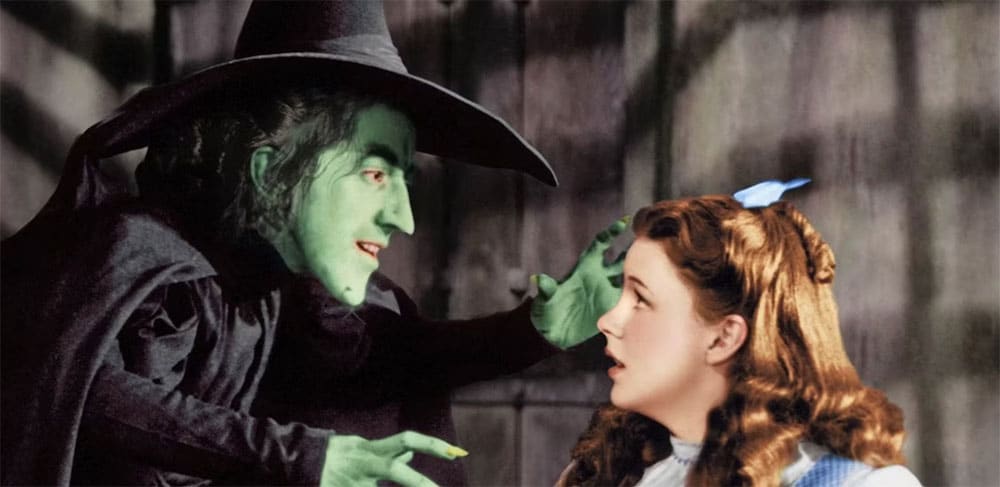
The Wicked Witch of the West is probably the most famous cinematic witch, even though she does not originate from a horror movie. People still remember her green skin, pointed hat, and crazy laugh. She was scary for kids because she flew on her broomstick with a bunch of monkeys with wings. She set the standard for horror and proved that witches weren’t just characters; they were icons.
The Wicked Witch of the West has been read as many different things in allegorical interpretations of The Wizard of Oz (both L. Frank Baum’s novel and the 1939 film), including a symbol of economic hardship, political corruption, tyranny, shadow self, capitalist exploitation, or even patriarchal fear of powerful women. Which allegory feels most “true” depends on whether you read Oz as political satire, psychological myth, or social commentary.
Asa Vajda (Black Sunday, 1960)
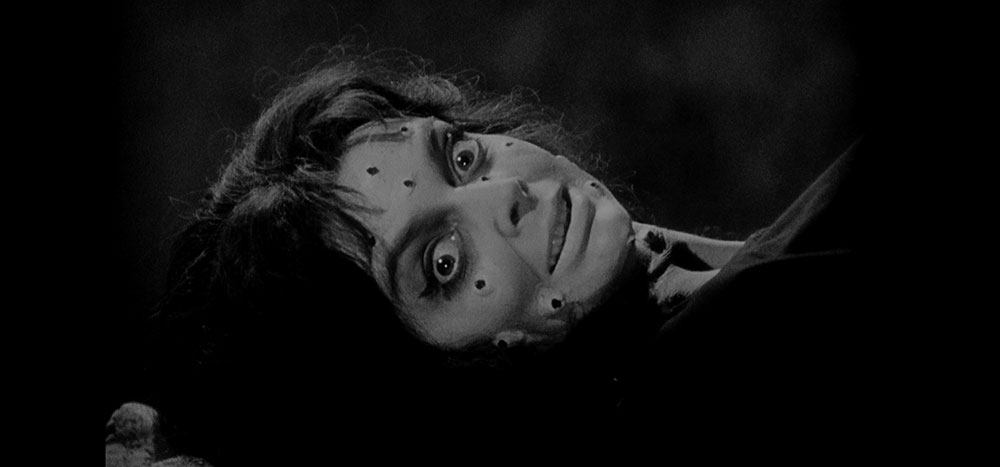
Barbara Steele made her big break in Mario Bava’s Gothic classic, where she played Asa Vajda, a witch who was burned at the stake and then returned centuries later with a thirst for blood. Steele’s haunting beauty and vengeful gaze made her one of the best femme fatales in horror. The movie blended witchcraft with Gothic romance, and it changed the way horror movies were perceived in Europe for good.
Helena Markos (Suspiria, 1977)
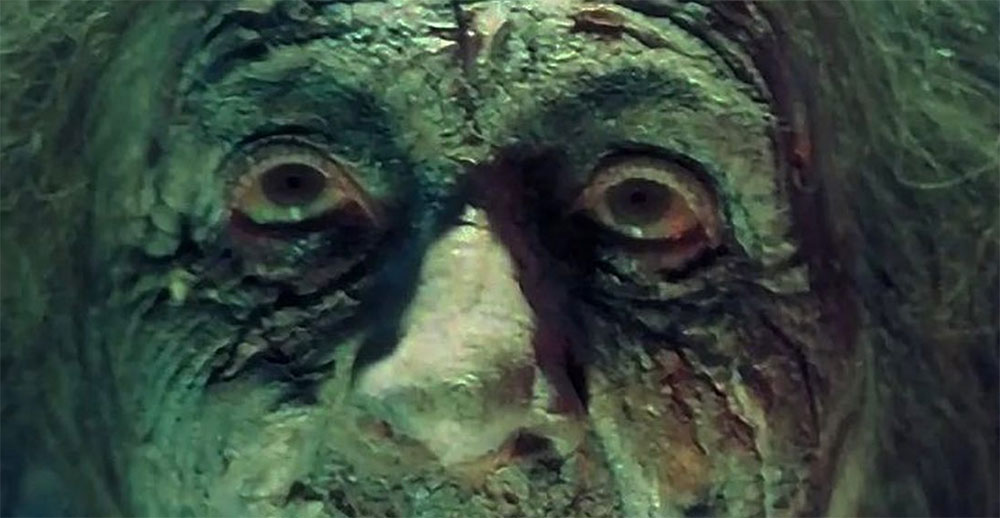
Suspiria by Dario Argento was a surreal blend of color and sound that made witchcraft seem all the more real and menacing. Helena Markos, a broken witch whose coven feeds on innocence, is at the center of the nightmarish ballet academy. Even though she only shows up for a short time, her presence is felt in every frame. Argento’s vision transformed witches into people who could bring scary dreams to life.
Horrors of Modern Witches
The Blair Witch (The Blair Witch Project, 1999)
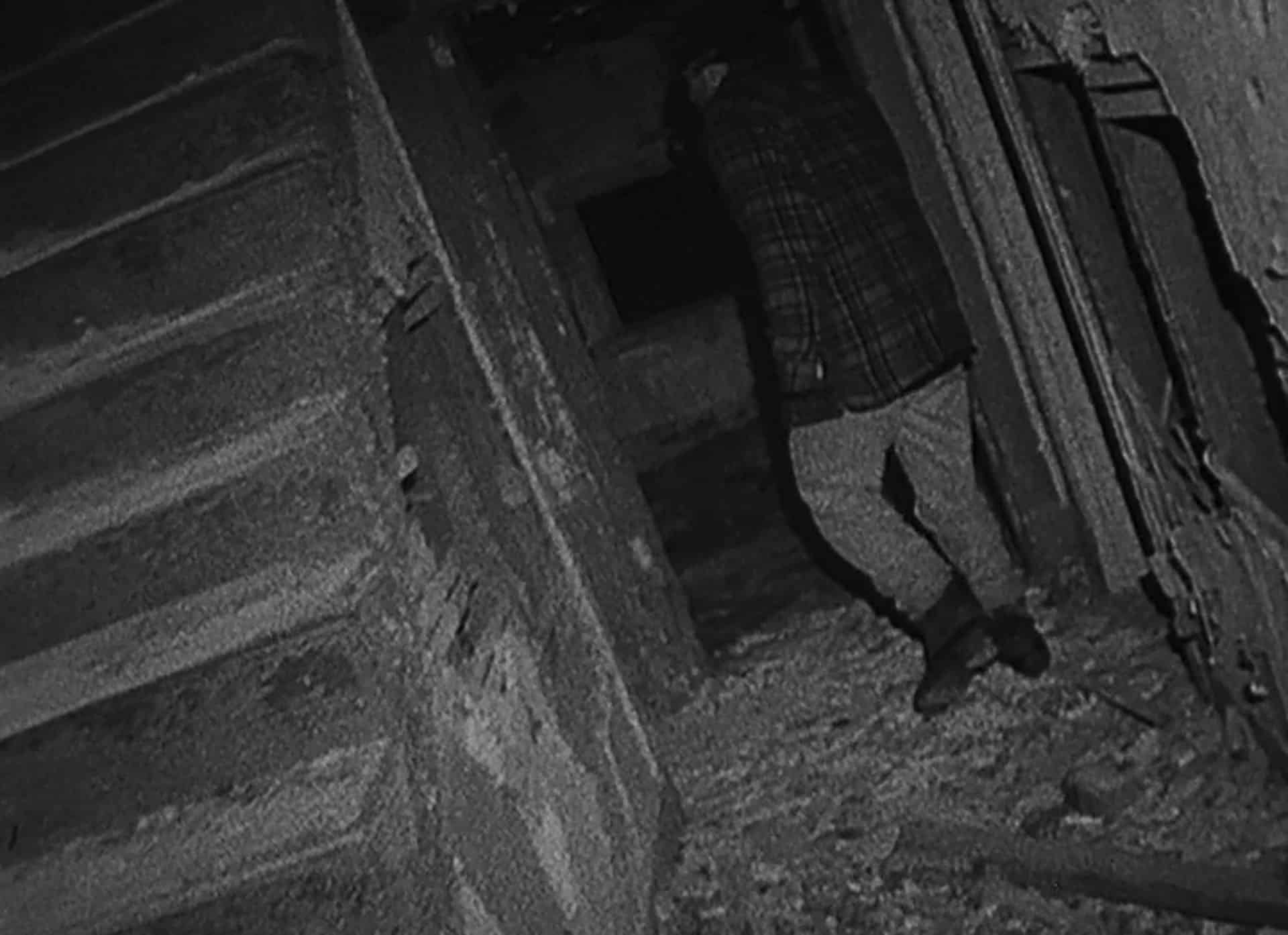
The Blair Witch is one of the most famous unseen villains in the horror genre. Though we never see her face, she has the power to strike fear into the hearts of viewers. The film is a hallmark of found footage brilliance—shaky handheld cameras, improvised and compelling performances from unknown actors, and a potent viral marketing campaign. Together, these elements helped create a myth so convincing that the witch herself became real in people’s minds. Ultimately, she is a symbol of how much we fear the unknown and the power of the imagination to rattle us in ways beyond what we can see with our own eyes.
Teenage Coven (The Craft, 1996)
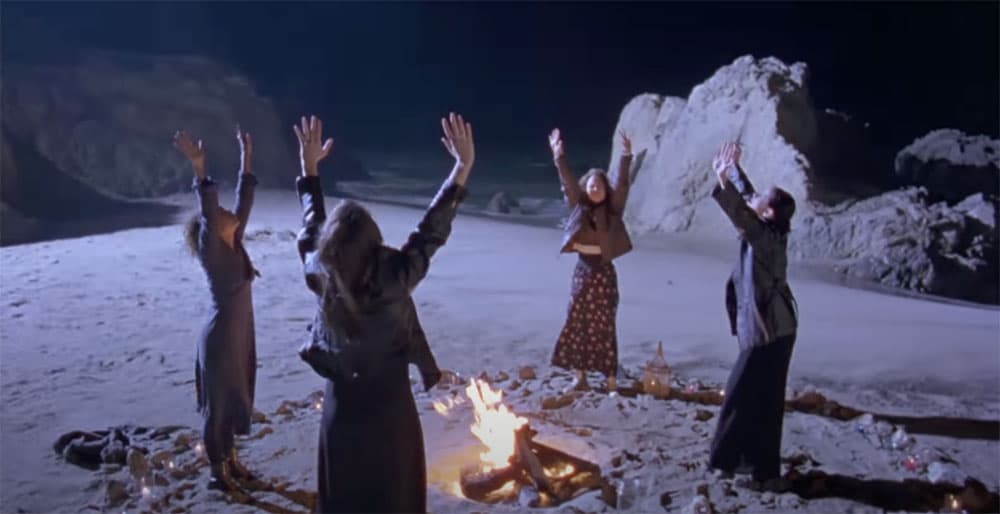
Teenage rebellion gave witches a new shape in the 1990s. The Craft introduced four outcast girls to the power of witchcraft, but their power soon turned into corruption. While the girls themselves were not inherently evil and did not begin their practice with malevolent intentions, the film explores how power corrupts everyone, from the innocent to the guilty alike.
The movie became a cult classic, beckoning an entire generation to the allure of witchcraft. While the film may have been a cautionary tale for the abuse of power, it became a rallying cry for the outcasts and “weirdos”—a symbol of reclaiming power when the world tries to silence or shame you.
Thomasin (The Witch, 2015)
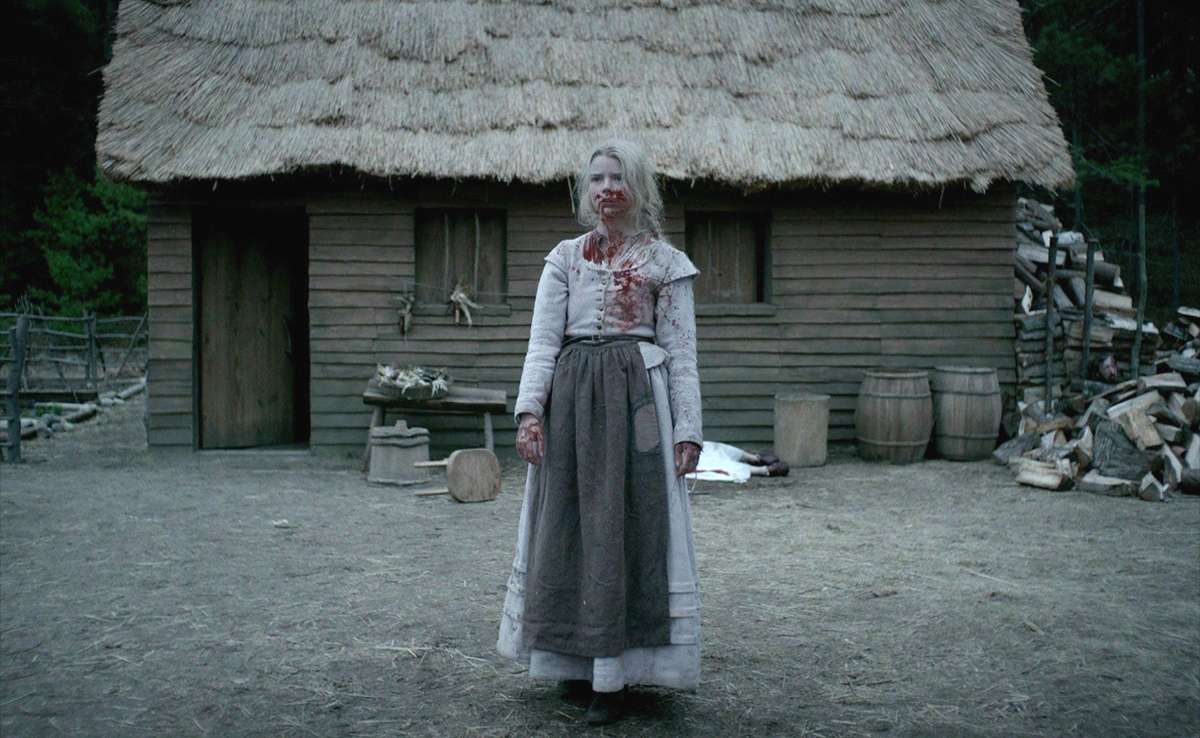
Robert Eggers’ slow-burn masterpiece brought witchcraft back to Puritan New England. Thomasin’s religious paranoia leads to her release via a pact with the devil. The last scene, when she enters the woods to join the coven, is both scary and triumphant. It’s a feminist reclaiming of witchcraft as freedom.
Witchcraft and Folk Horror
Witches thrive in folk horror, where fear breeds in superstitious rural areas. The Wicker Man (1973) showed pagan priestesses conducting ritual sacrifice. Häxan (1922) mixed documentary and horror to show how crazy witch trials were, with disturbing reenactments that still shock people today.
In these movies, witches aren’t just evil people who do bad things on their own. They are the embodiment of whole communities that either practice or fear the occult, representing the potential danger of shared belief systems.
Feminist Reclamation of the Witch

Over the last few decades, the witch has evolved from being a terrifying villain to a complex hero. Elaine, a woman who uses witchcraft to find love, is the main character in The Love Witch (2016), a film characterized by its gorgeous retro Technicolor style. Anna Biller’s feminist film pokes fun at the male gaze while also embracing camp. It’s a film that makes the mysterious witch seem both sexy and sad.
Some independent films have utilized witches as symbols of resistance, depicting women reclaiming stories that were once used to harm them. This reclamation is similar to real-life movements that celebrate witchcraft as a way to gain power, build community, and stay alive.
Why Witches Last
The witch stays alive because she can transform at will. She can be a creepy old woman, a beautiful temptress, a misunderstood outsider, or a righteous avenger. Horror uses her to tap into cultural fears, like the fears a patriarchal society has about untamed women: fears of empowerment and freedom from patriarchal control, fears of forbidden knowledge and broadened horizons, and fears of bucking tradition or societal rules.
The witch makes it hard for us to differentiate between good and evil, victim and villain, holy and unholy. It’s this uncertainty that haunts our nightmares; we fear what we don’t understand.
And just like a 20 burning hot demo makes us want to play with fire, witches in horror movies make us want to push the limits. They are a siren call to those who seek to escape rigid boundaries and seek knowledge and power beyond a limited set of religious doctrines. They are dangerous, tempting, and powerful because they can’t be tamed.
In Conclusion
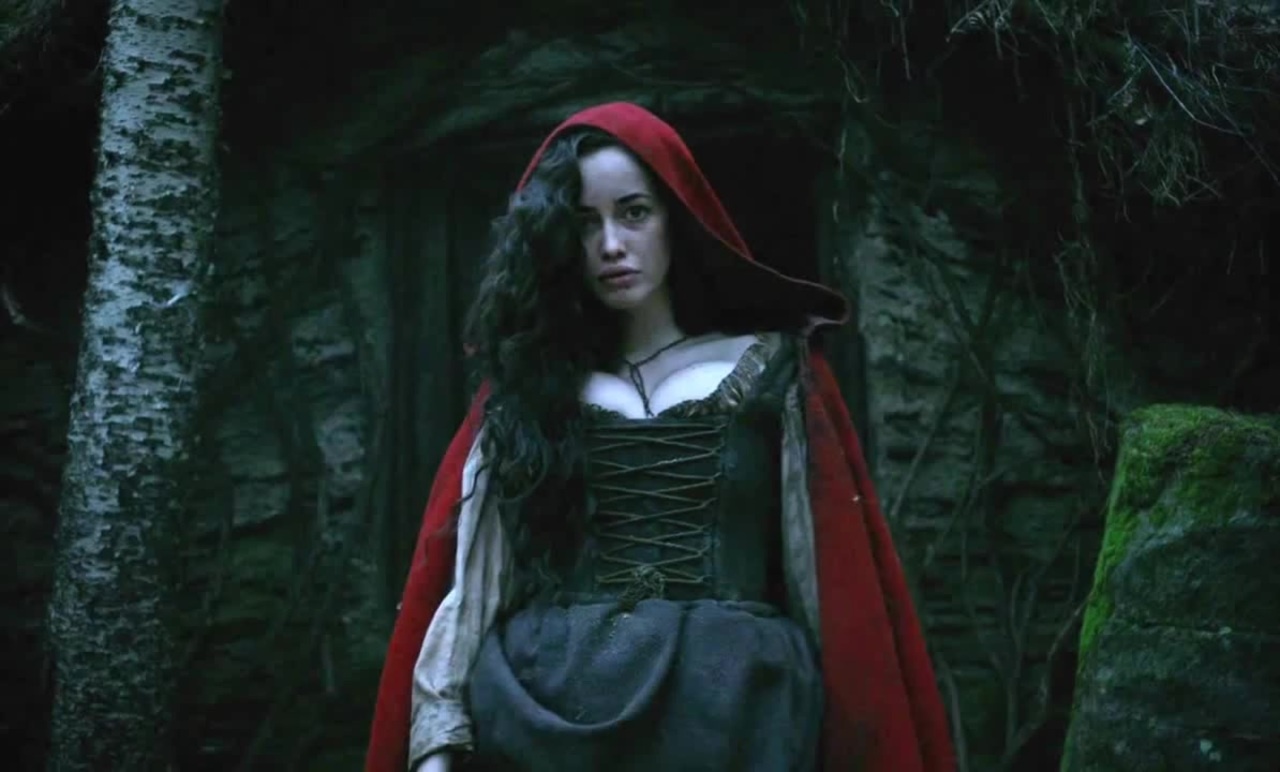
Witches have defined horror movies’ ability to scare and seduce, from the cackling Wicked Witch, representing fear and tyranny, to Thomasin in The Witch, representing freedom from oppression and feminine power. Cinematic witches show how our fears and attitudes evolve as a society.
Once, they were viewed purely as evil beings—threats to societal rule and order. As women’s rights have expanded and their role in society has evolved, so too have our views on witches, which can now often be seen as empowering figures.
These witches remind us that horror isn’t just about monsters; it’s about the representation of our collective fears and hopes, as well as our societal progress and setbacks. Witches represent desire, whether that’s the desire to control or escape control. It’s a seduction that dances in the neon shadows of Suspiria and hides in the woods of Maryland.



Follow Us!