Life Lessons from David Lynch’s Creative Journey


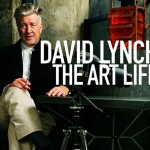
In the riveting documentary David Lynch: The Art Life, we witness an artist grappling with existence’s fundamental dualities: light and dark, beauty and horror, isolation and connection. Through Lynch’s candid reflections, we discover a philosophical framework for navigating life’s complexities that has profound relevance for our uncertain times.
Here’s how his life philosophy manifests in his most unsettling works.
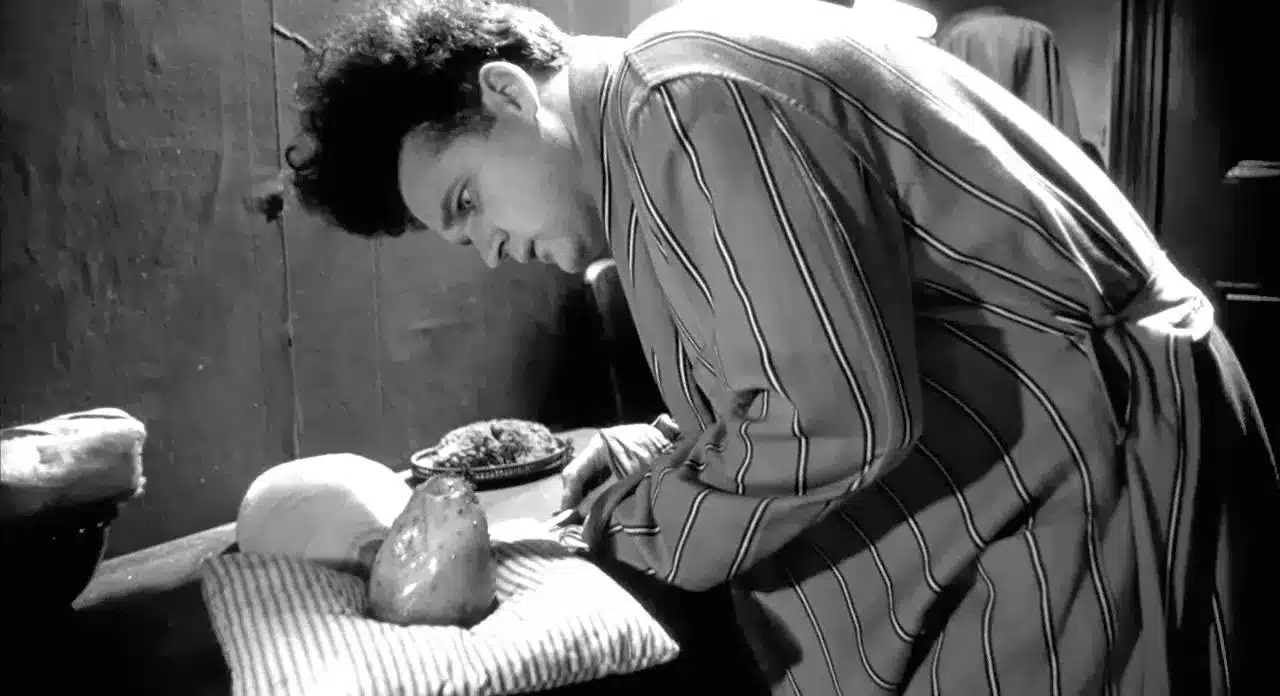
Lynch’s first feature film emerged directly from his experiences living in Philadelphia’s industrial wasteland, where crime, decay, and urban horror shaped his artistic vision. In The Art Life, Lynch recalls discovering a naked, injured woman walking down his street as a child—a moment that would later influence his comfort with exploring humanity’s shadowy corners.
Eraserhead transforms Lynch’s personal anxieties about parenthood and urban decay into a nightmare landscape of industrial horror. The film’s protagonist, Henry Spencer, navigates a world of mechanical reproduction, body horror, and cosmic dread that perfectly encapsulates Lynch’s belief that our darkest fears can become powerful artistic fuel.
The infamous “baby” in the film represents Lynch’s own fears of fatherhood and responsibility, transformed into one of cinema’s most memorable monsters.
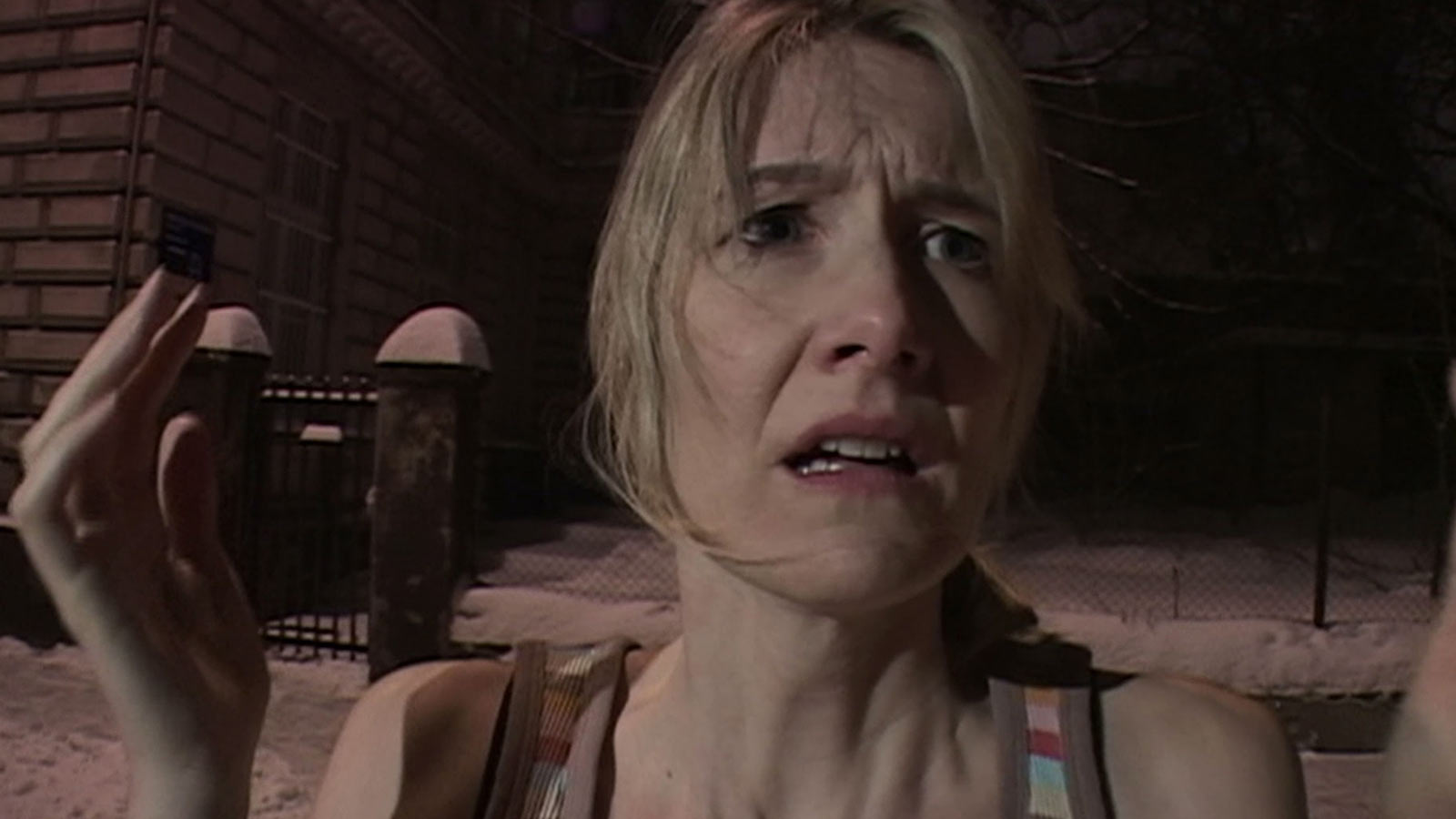
Moving from his first to his final feature film, Inland Empire is where you’ll find Lynch’s most direct expression of his devotion to dedicated creative sanctuary. This is a film where the boundaries between creative space and reality dissolve completely. It follows an actress (Laura Dern) whose role begins bleeding into her real life, mirroring Lynch’s own experiences of total immersion in his creative space.
Shot largely in Lynch’s own home studio, the film’s labyrinthine structure reflects his belief that creative spaces become portals to other dimensions of consciousness. The rough digital video aesthetic emerged from Lynch’s desire to work in complete creative freedom, showing how limited resources can lead to innovative solutions.
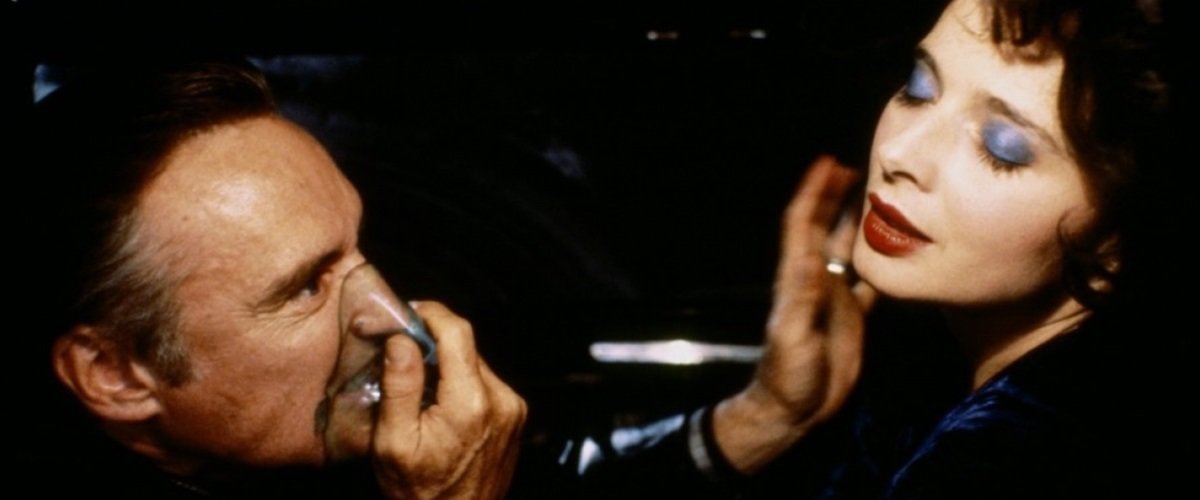
Lynch’s ability to transmute suburban anxiety into surreal horror reaches its apex in Blue Velvet. The film draws directly from his childhood memories of pristine suburban surfaces concealing rot underneath—a theme he discusses candidly in The Art Life when reflecting on his seemingly idyllic but internally turbulent childhood.
The film’s opening sequence—moving from picturesque flowers to writhing insects underground—perfectly encapsulates Lynch’s philosophy of finding beauty and horror in close proximity. Jeffrey’s journey into darkness mirrors Lynch’s own willingness to explore disturbing territory while maintaining an almost childlike sense of curiosity.
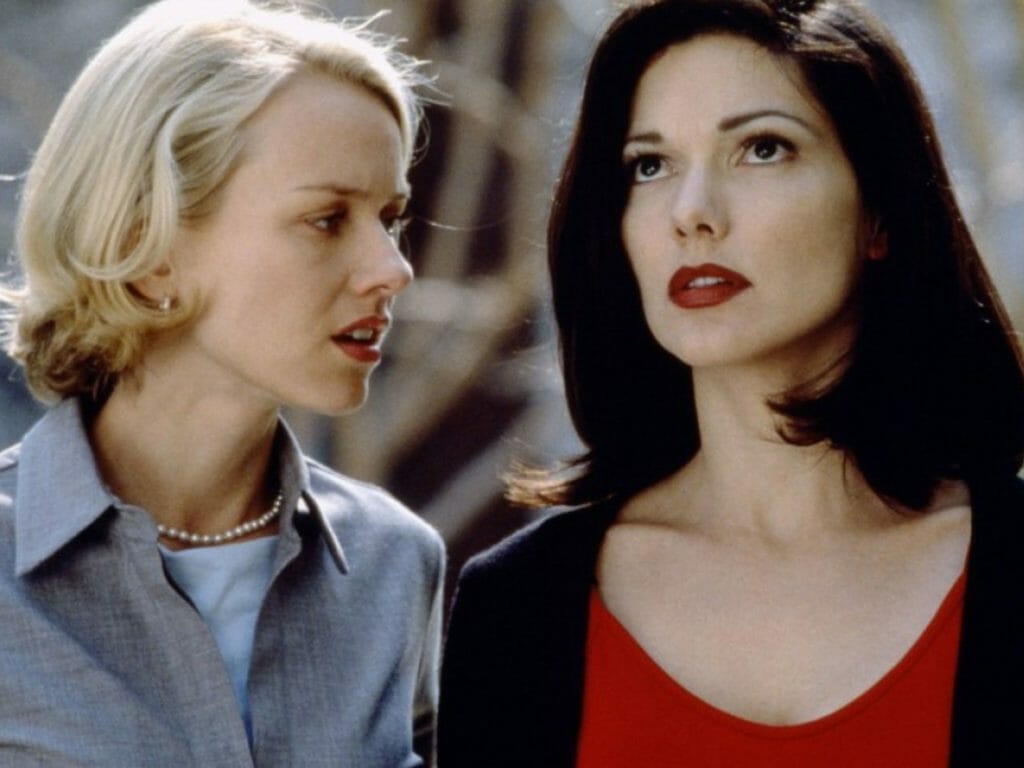
Lynch’s unflagging dedication to his vision, despite numerous setbacks, finds its perfect metaphor in Mulholland Drive. Originally conceived as a TV pilot and rejected by networks, Lynch transformed it into one of cinema’s most celebrated nightmare films through sheer persistence and creativity.
The film’s exploration of Hollywood dreams and disillusionment parallels Lynch’s own artistic journey. Its structure, shifting from dream to nightmare, reflects his belief that dedication to one’s vision requires embracing both the light and dark aspects of the creative process. Betty/Diane’s journey mirrors the price of pursuing dreams at any cost—a theme Lynch explores with both sympathy and horror.
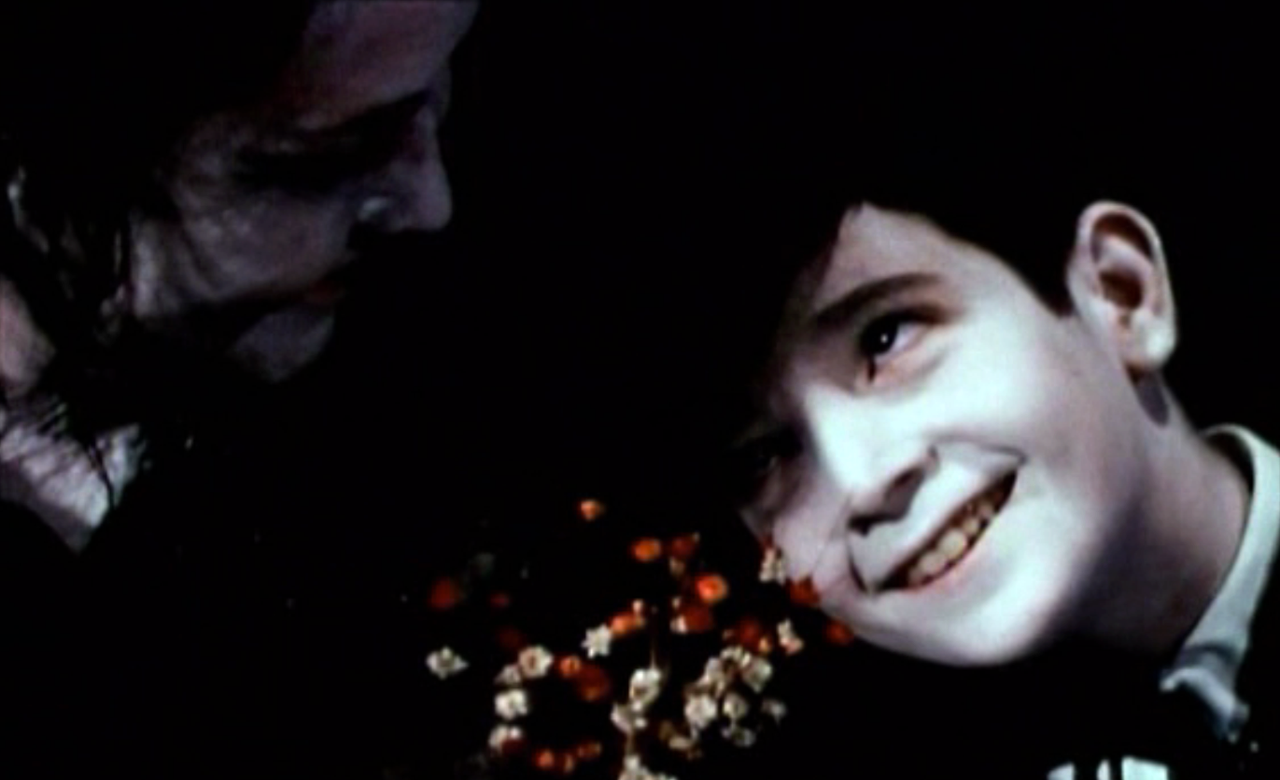
One of Lynch’s earliest films, The Grandmother demonstrates how technical and financial limitations can spark innovation. Unable to afford traditional animation, Lynch created a haunting mixture of live-action and animated sequences that would define his early style.
The film’s story of a lonely boy who grows a grandmother from a seed emerged from Lynch’s limited resources combined with an unlimited imagination. Its crude but effective practical effects and sound design show how working within constraints can lead to uniquely disturbing and beautiful results.

Lost Highway represents perhaps Lynch’s most complete integration of personal obsessions with genre filmmaking. The film’s exploration of identity dissolution, jealousy, and transformation draws from Lynch’s interest in how we construct and maintain our sense of self in the face of overwhelming darkness.
The movie’s famous “psychogenic fugue” structure mirrors Lynch’s belief that art should follow dream logic rather than conventional narrative. Its protagonist’s transformation from one person into another reflects Lynch’s own artistic metamorphosis from painter to filmmaker.
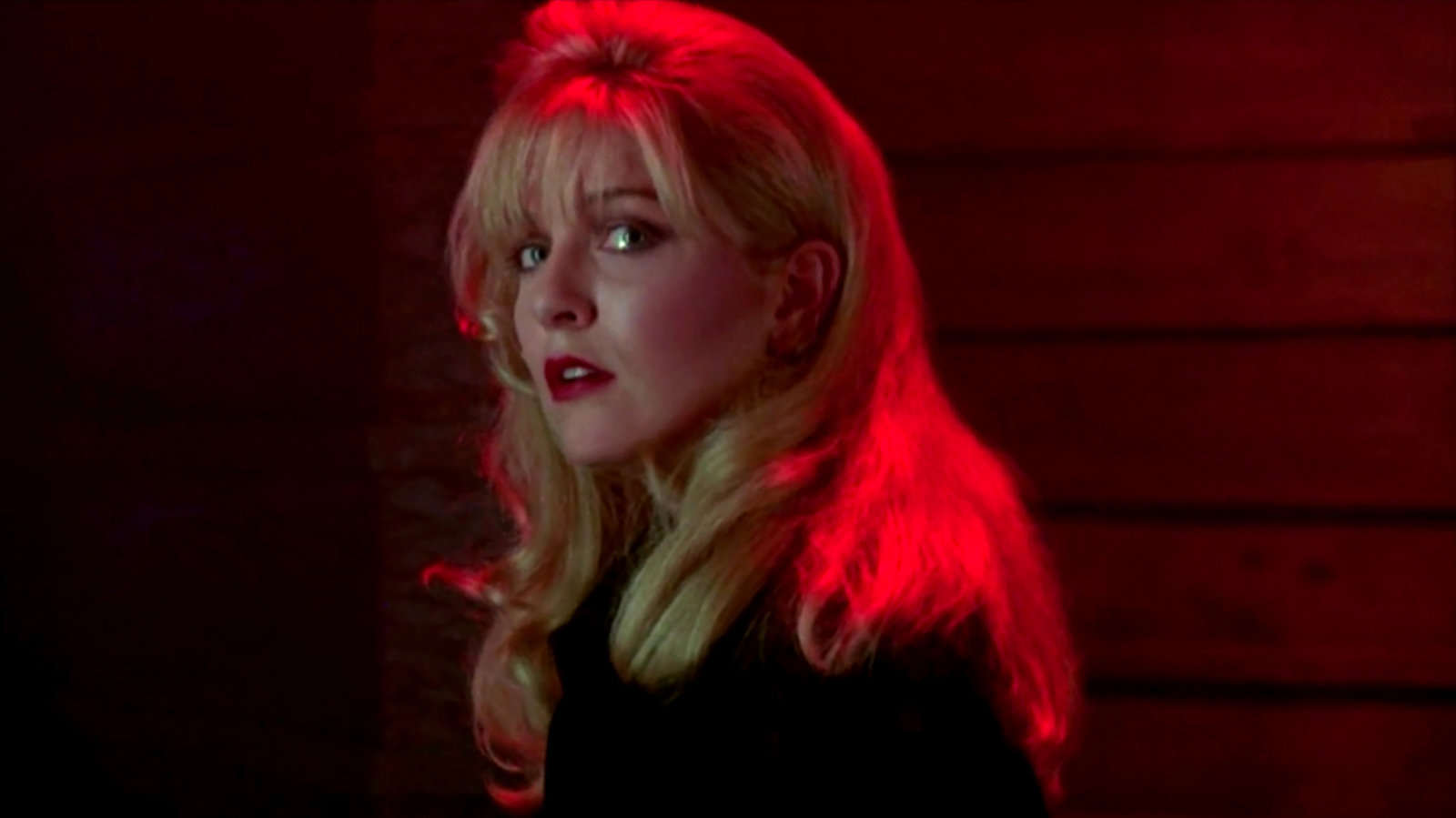
Lynch’s prequel to his groundbreaking series demonstrates his unique ability to find moments of transcendent beauty within stories of ultimate darkness. Twin Peaks: Fire Walk with Me offers an unflinching portrayal of Laura Palmer’s final days. Yet, it is balanced with moments of surreal beauty and genuine emotional connection.
This balance reflects Lynch’s philosophy that light and dark are inseparable aspects of experience. The film’s controversial reception upon release also demonstrates his willingness to follow his vision despite potential misunderstandings or criticism.
…
Through these films, we see how Lynch’s personal philosophy manifests in increasingly sophisticated ways. His work teaches us that horror can be both a mirror for our darkest fears and a doorway to understanding them.
In dark times, this ability to transform fear into art becomes not just creatively valuable but personally essential.

She’s a lover, he’s a fighter. Together, they’re CHEER AND LOATHING. Tune in to hear your hosts, Stephanie (Cheer) and Casey (Loathing), clash over the films they love — and the ones they love to hate.
In this holiday extravaganza episode of Guilty Pleasures, join hosts Stephanie, Kelly, and our newest addition, Jonathan (Jack was tied up in tinsel and couldn't join us), as they unwrap the bizarre and unhinged world of holiday cinema. They dive into the depths of Elves, a film that's as chaotic as it is entertaining. It's a sleigh full of questionable decisions, diabolical dialogue, absurd plot twists, wildly offensive antics, and unhinged holiday mischief.
And that's not all! In the second half of the podcast, join your festive cinephile friends for a look at four more ”nutty as a fruitcake” holiday treats: A New York Christmas Wedding, Elf Bowling, A Medea Christmas, and Jack Frost. Plus, we each offer a bonus Christmas flick guaranteed to make you say, ”Ho, Ho, HO-LY Hell!”
Expect laughter, disbelief, and a spirited debate about what truly makes a movie a guilty pleasure. Don't miss this festive journey through the weirdest corners of holiday films!





1 Comment
1 Record
Informatika wrote: