


“The Soul Eater” is a chilling tale of darkness and depravity, cementing Bustillo and Maury’s status as masters of modern horror.
No time to read? Click the button below to listen to this post.
The Soul Eater is a nasty bit of bleak horror, a deeply nihilistic and cruel descent into the heart of human darkness. For those who find such a description more of a siren song than an alarm bell, you’re in for an extraordinary treat.
Frequent collaborators Alexandre Bustillo and Julien Maury burst onto the scene with their raw and uncompromising film Inside, often hailed as a pinnacle of the New French Extremity movement — a cinematic subgenre known for its extreme violence, psychological terror, and boundary-pushing content. With its relentless assault on the senses and subversive narrative, it pushed boundaries and left a lasting impact on the horror landscape.
Since their jaw-dropping debut, the duo has yet to strike the same chords of shock and awe with viewers, with every outing inevitably compared to the tour de force that put them on the map.
Still, the marketing tagline “From the creators of Inside” — used for the duo’s latest venture, The Soul Eater — still carries considerable weight.
If that encourages genre fans to seek this one out, I’m all for it. Yet, I caution fellow fans of French Extreme Horror to approach this without expectations of Inside-level viscera and mayhem.
The Soul Eater is not a showcase for graphic violence. It’s a far more nuanced and psychologically complex narrative that forces us to confront uncomfortable truths about human nature and the capacity for darkness that lurks within us all.
It’s also the duo’s most mature and unsettling work to date.
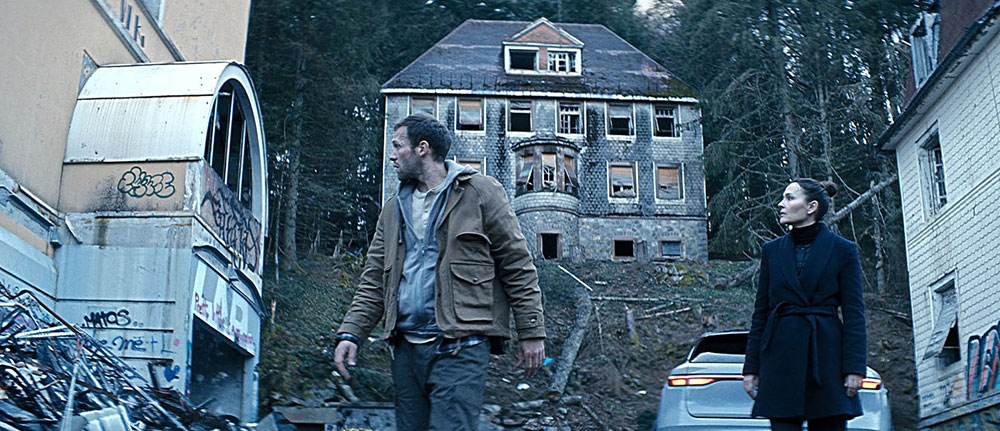
Bustillo and Maury build tension through a pervasive sense of dread. The directors skillfully blend elements of dark fairy tales with gritty realism, creating a unique atmosphere that’s both familiar and deeply unsettling.
Set in a remote, dying French hamlet, the film follows two investigators, Elisabeth (Virginie Ledoyen) and Franck (Paul Hamy), as they unravel a series of gruesome deaths and cases of missing children plaguing the community.
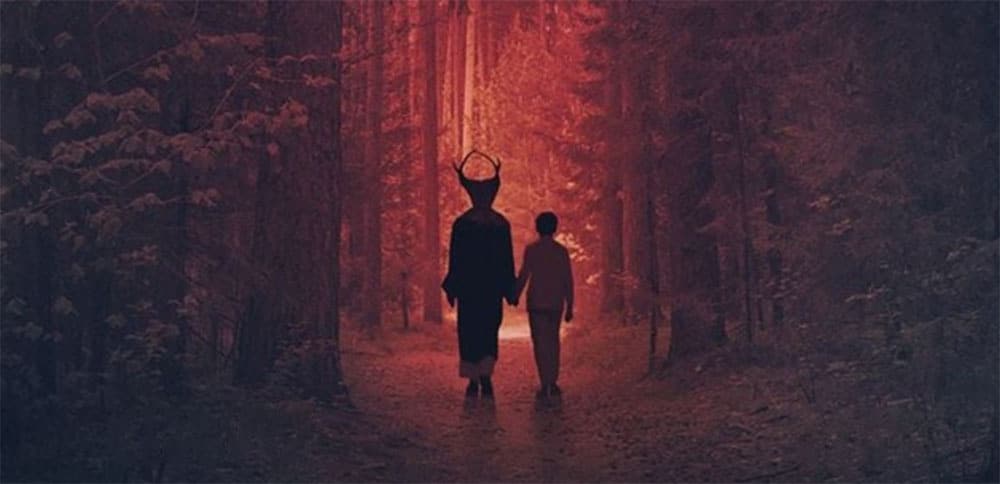
As they delve deeper into the case, they are confronted with stories of a malevolent force tied to local folklore: the titular Soul Eater. This force is said to devour the souls of its victims and inhabit their bodies, presenting itself as someone trusted.
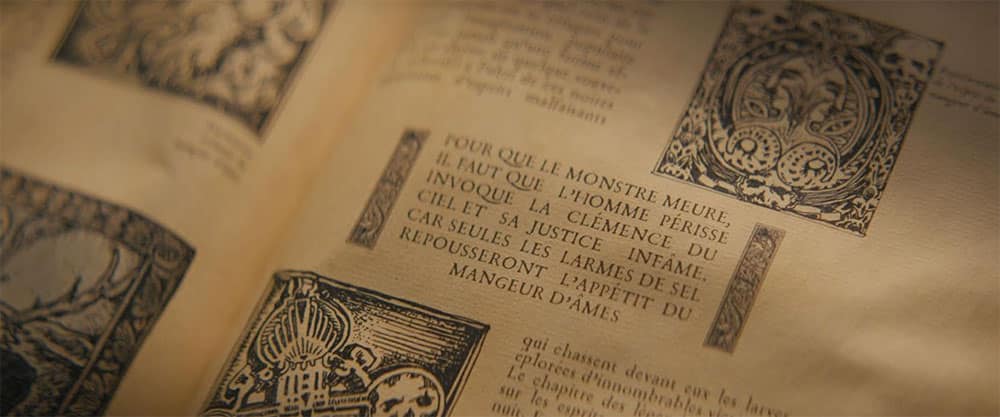
Passed down through generations, tales of its atrocities and the horrific consequences of its presence have become part of the village’s collective memory.
The setting’s eerie emptiness and crumbling facades create a pervasive sense of unease. The abandoned sanitarium, once the town’s crowning glory and most significant economic driver, now looms large over the desolate landscape. It serves as a haunting reminder of the faded glory of the remote French mountain town of Roquenoir, a monument to the palpable sense of decay and loss.
This backdrop serves as a perfect mirror for the human trauma at the heart of the story.
The inevitable showdown at the shut-down sanitarium is foreshadowed early on, and it’s the kind of inherently unnerving setting that immediately puts horror fans on pins and needles, anxiously awaiting the promise of unspeakable terrors.
The Soul Eater more than delivers on that promise, but it’s far from what you expect or imagine.
The restrained use of gore may not be what fans of Inside are hoping for, but it makes the moments of violence all the more impactful. The blood and onscreen brutality we do get is masterfully handled by practical effects master Olivier Afonso (Raw) and looks both realistic and properly horrifying.
The film’s most horrific scenes are often left to the viewer’s imagination, proving far more disturbing than what’s shown on screen.
Ledoyen and Hamy deliver powerhouse performances. Their characters’ painful pasts and driving motivations are slowly and powerfully revealed as they become entangled in the horrors they investigate.
The chemistry between the two protagonists crackles with tension, and their complex relationship serves as the film’s emotional core.
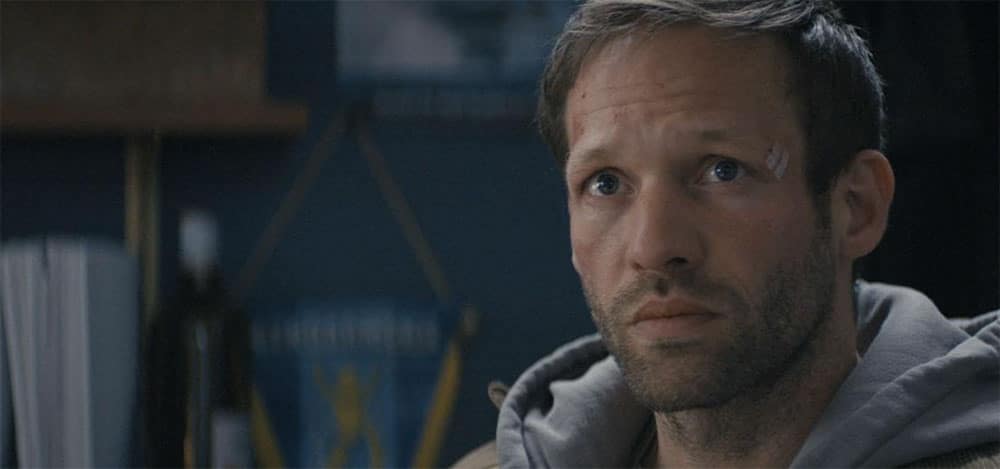
She’s a big city cop with a chip on her shoulder, a cold and detached outsider who elicits distrust and disdain from the locals. He’s a more sympathetic protagonist, though it’s clear he’s harboring more than a few secrets of his own. She doesn’t want his help but soon discovers she desperately needs it.
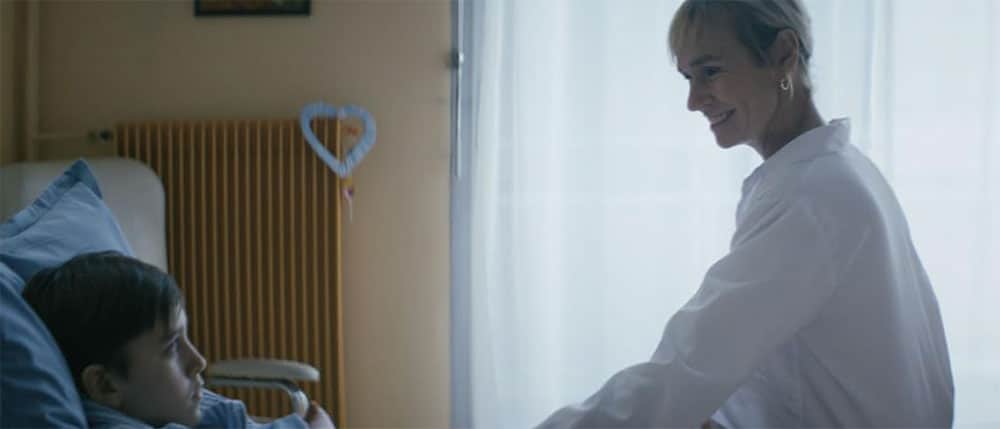
The supporting cast, particularly Sandrine Bonnaire as the enigmatic Dr. Marbas, adds intrigue and menace to the unfolding mystery.
Bustillo and Maury keep the audience off-balance, doling out information in tantalizing morsels that defy easy categorization. The film’s mysteries unravel deliberately, with each revelation more disturbing than the last.
By the time the shocking finale arrives, viewers will question everything they thought they knew.
While some may argue that certain plot elements feel familiar, The Soul Eater elevates itself through its commitment to tone and its exploration of deeper themes.
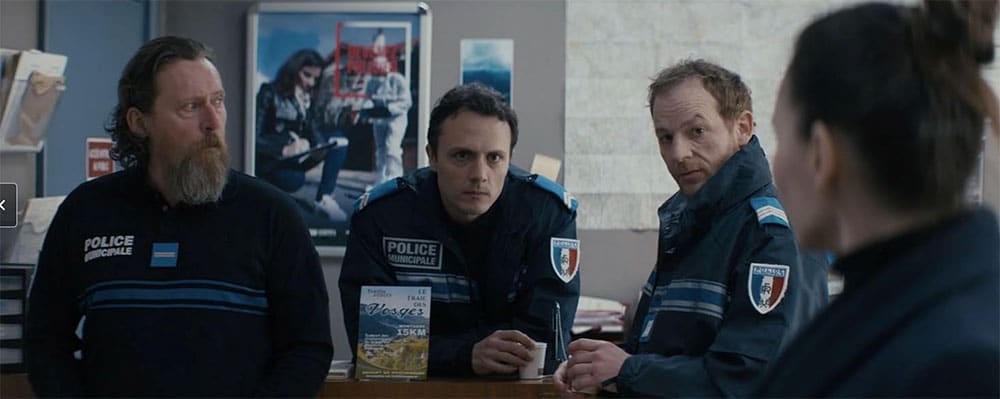
Adapted from Alexis Laipsker’s 2001 novel by Annelyse Batrel and Ludovic Lefebvre, the screenplay deftly balances character development with mounting dread. The film delves into the themes of guilt, manipulation, trust, and betrayal — all while keeping viewers guessing until its explosive conclusion.
Some viewers may find the film’s pacing deliberate and its characters somewhat archetypal. However, these choices feel intentional, heightening the film’s mythic qualities and reinforcing its darker themes.
The bleak tone and uncomfortable subject matter may also prove challenging for some, but they’re essential to the film’s unflinching examination of human nature.
While it may not be for the faint of heart, it offers a richly rewarding experience for those willing to confront its bleak and uncomfortable truths — a must-see for those who appreciate psychological thrillers with a dark, folkloric edge.
It’s a film that lingers long after the credits roll, a haunting masterpiece that solidifies Alexandre Bustillo and Julien Maury’s status as visionaries of modern French horror.
Overall Rating (Out of 5 Butterflies): 5
THE SOUL EATER had its North American premiere at Fantasia 2024, where it was screened for this review.









Follow Us!