Point-Counterpoint: Strange Darling (2024) Review


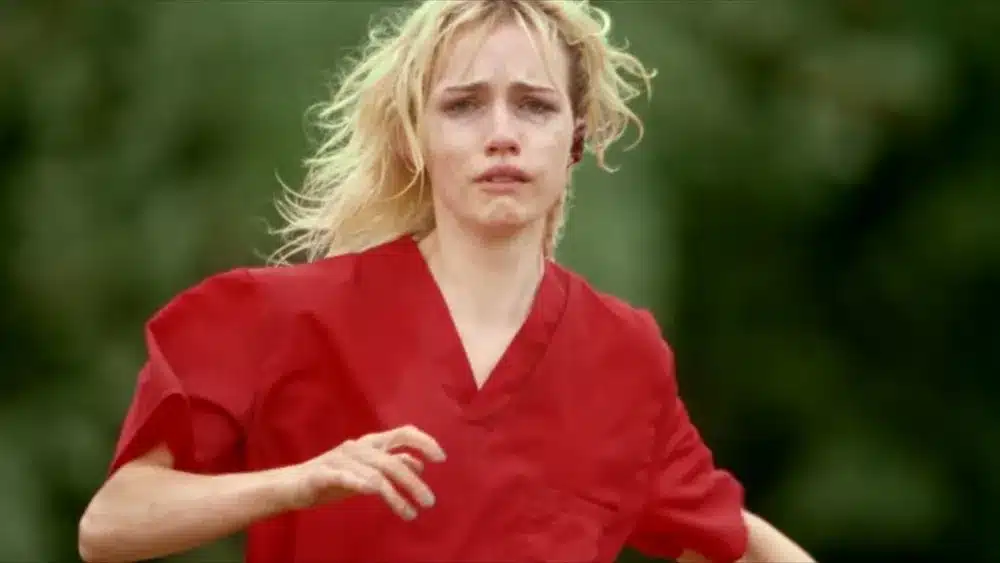
In my recent review of Tilman Singer’s Cuckoo, I said that knowing as little as possible about the film would help viewers enjoy it. However, with JT Mollner’s Strange Darling, I’d go even further and say that it is essential (we’re talking The Sixth Sense levels of ignorance are bliss here).
The problem with this sort of disclaimer is that it is in itself a spoiler—if someone tells you that a film is going to surprise you, then you will unwillingly spend your time trying to figure out how it will do it. The ideal then—and I’m sorry to say that if you’ve read this far, that ideal is already beyond you—is to go into the film not knowing that going into the film not knowing is the best course of action.
But since I have no intention of ruining the pleasure of the unexpected for you any more than I already have, this review will include no plot spoilers and only briefly outline the film’s basic premise. Here it is in its most pared-down form: a serial killer and their victim engage in a cat-and-mouse chase over the course of a day.
Despite this vanilla concept, Mollner’s movie takes obvious pride in defying conventions. While it is impossible to go into details without spoilers, it is enough to say that Strange Darling frequently betrays the audience’s expectations. In doing so, it begins to question not only the traditional narrative of the serial killer movie but also the appeal of an, at times, bleak and brutal genre.
One obvious example is its reordering of chronology, which keeps the audience guessing. Less obvious is its use of music.
While its pairing of upbeat jingles with horrific scenes is by now old hat, where the film really excels is in its hybridization of score, mixing classical pieces with guitar shreds that introduce and then blur the angelic and demonic characters. The score also reacts to what is happening on screen, adding to the tense atmosphere Strange Darling maintains for much of its runtime.
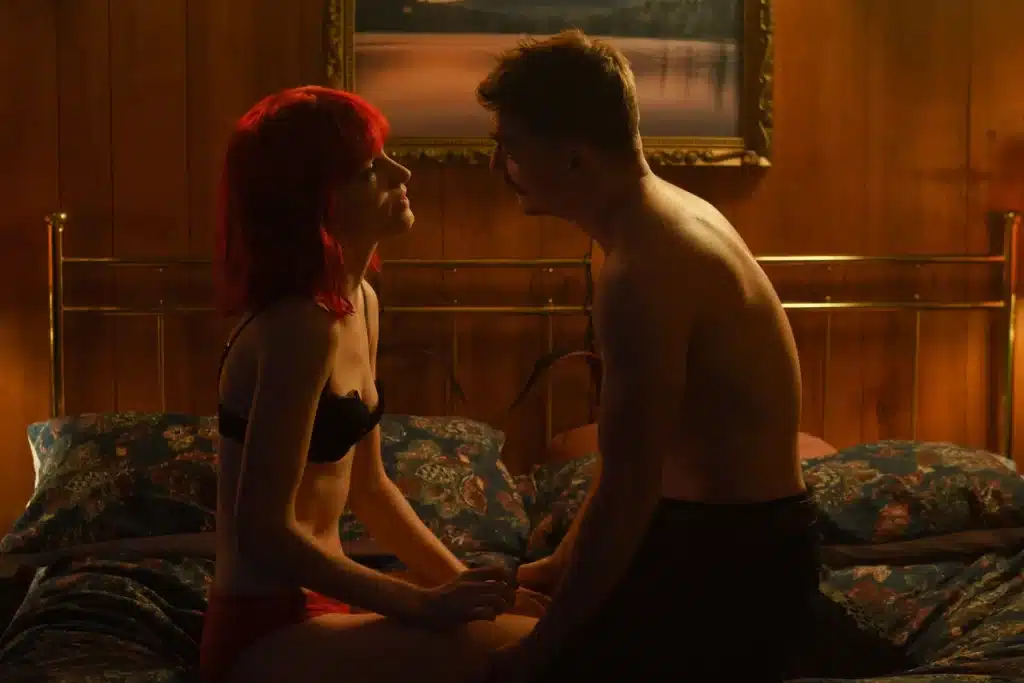
Particular note should be given to Willa Fitzgerald, who was recently seen in Mike ‘Safe Hands’ Flanagan’s The Fall of the House of Usher.
This is a stand-out performance of emotional depth that will no doubt see her in demand with filmmakers. While her turn in Usher was at times grating in its unrelenting haughtiness, here Fitzgerald is so complex that her almost robotic disassociation is always undercut with an enigmatic human fragility. It really is a sight to behold.
It’s possible to acknowledge all the things a film does well and still not really like it.
Reviewing is like that sometimes—you can lay out all of the objective merits of a work throughout the review. Still, by the time you reach the concluding paragraph, subjectivity takes over, and it’s hard to shake off opinion. Horror walks the line of aversion and attraction more than any other genre, sometimes making the two one and the same.
But here’s the thing: I don’t like this movie.
While I acknowledge its brilliant use of music, the cleverness of its narrative plotting, and the jaw-dropping strength of its performances, there is something hollow and hateful below all of it that doesn’t sit well with me. Perhaps this is because I’ve never had a fascination with serials killers or true crime stories, two things the film likes to poke, prod and deconstruct.
I never thought Hannibal Lecter was cool.
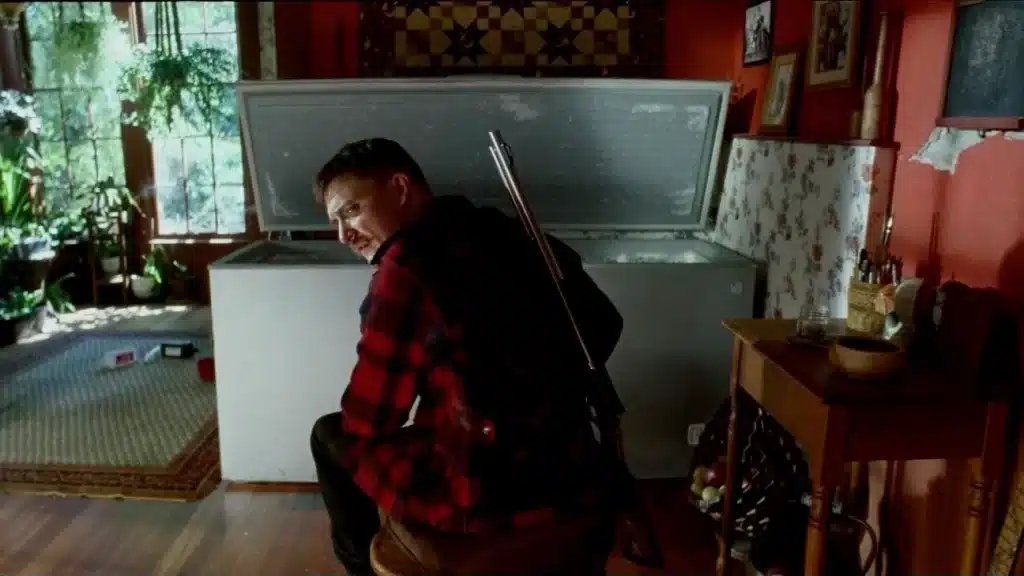
The lurid delights of those same conventions ultimately become its identity.
Having said all of this, if you are looking for a serial killer picture with a fresh coat of paint, look no further than this stylish piece of filmmaking. However, anyone looking for something genuinely genre-subversive may find Strange Darling oddly familiar. It is still a movie that revels in the cruelty of serial killers.
All reviews are awkward chimeras of the objective and subjective, and this one may well be more awkward than most. The score below, then, is one that takes into account both my natural aversion to the film and my acknowledgment of its many strengths.
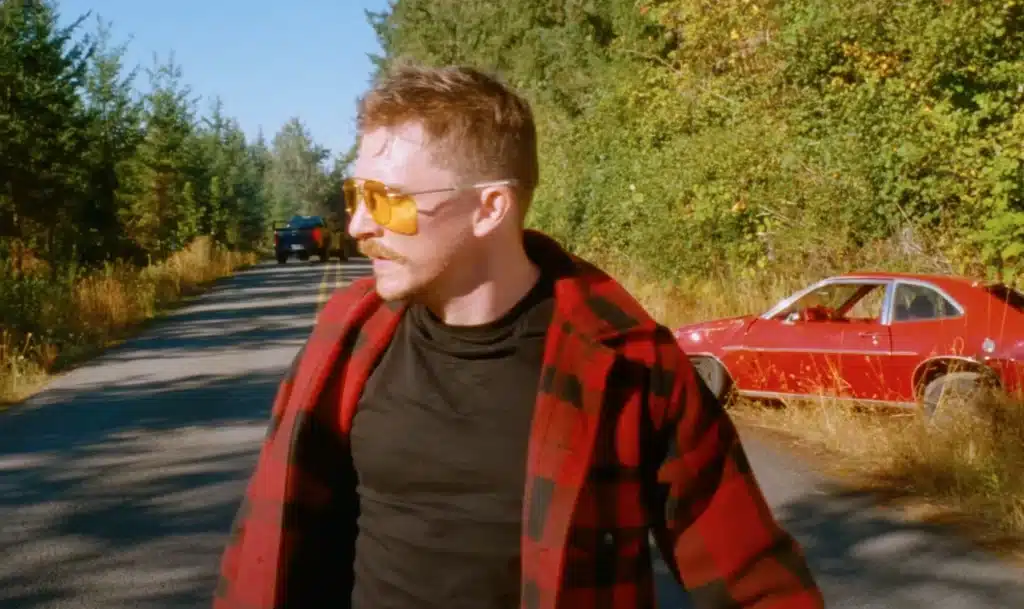
Strange Darling emerges as a bold, subversive take on the serial killer genre, offering viewers an unpredictable and visually stunning experience that challenges conventions at every turn. Director J.T. Mollner‘s sophomore feature is a feverish descent into a neon-soaked nightmare that hooks you from the first frame and never lets go.
The film’s clever narrative approach adds layers of mystery, engaging viewers in an active process of piecing together the story. It’s a testament to Mollner’s confidence as a filmmaker that he trusts his audience to follow along, rewarding attentive viewing with satisfying revelations.
Visually, the film is a feast for the eyes. Shot entirely on 35mm film, actor-turned-cinematographer Giovanni Ribisi crafts a lush, intoxicating visual palette. The film’s 70s grindhouse aesthetic is executed with meticulous attention to detail, strikingly contrasting its violent themes and aesthetic beauty. Every frame feels carefully composed, lending the film a stylish, almost dreamlike quality.
The film’s pacing, particularly in its first hour, is relentless. Mollner creates a sense of frenetic energy that keeps viewers on edge, building tension through both visceral action and psychological twists. This rapid-fire approach generates a palpable anxiety, making for an exhilarating viewing experience.
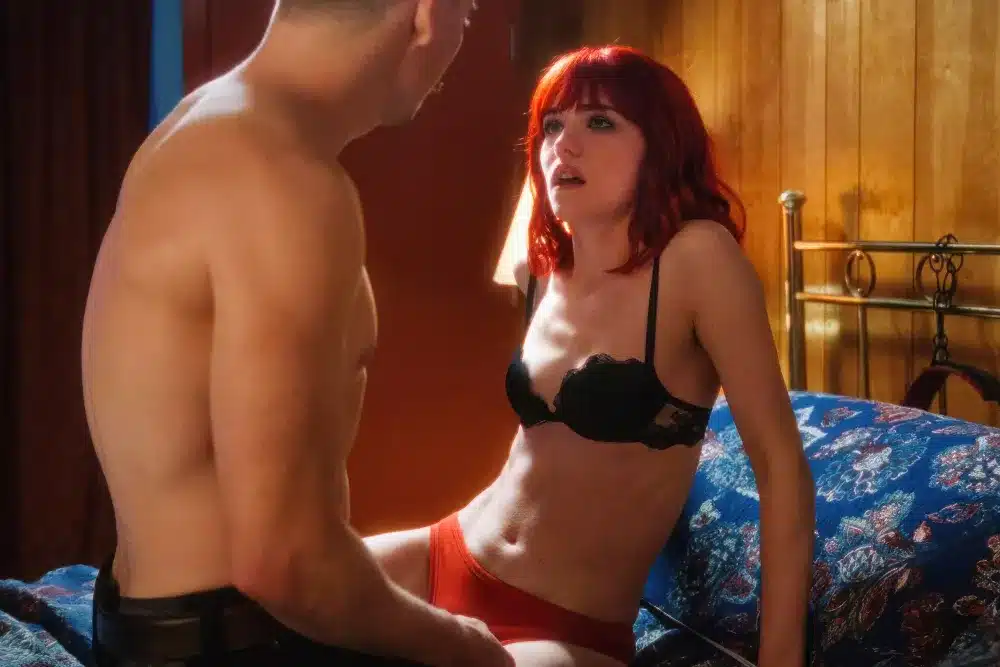
To explain why it’s so exceedingly smart and compelling, I’d have to say too much and risk ruining the magic. I’ll keep this as vague as possible and highlight that the film offers a deep and thought-provoking reflection on consent, power dynamics, gender norms, and sexual politics.
Willa Fitzgerald and Kyle Gallner deliver electrifying performances.
Gallner is fantastic; he’s always so good, and every time he turns up in a film, it’s a treat. He’s becoming a genre mainstay, from studio tentpoles like Smile and Scream to impressive indie darlings like The Passenger, Mother May I?, and Dinner in America.
However, it’s Fitzgerald who steals the show. She delivers a tour de force demonstrating remarkable range, nuance, and intensity.
At the heart of Fitzgerald’s performance is her ability to embody the complexity and ambiguity of her character that defies simple categorization. She navigates this challenging role with exceptional skill. Her eyes, in particular, are expressive tools that she wields with precision — at times vulnerable and searching, at others cold and calculating. This ability to communicate complex emotional states without words adds layers of depth to her character and elevates the overall tension of the film.
Her chemistry with co-star Gallner is electric. Their interactions crackle with heat and tension. Fitzgerald matches Gallner’s intensity beat for beat, creating a dynamic that feels both dangerous and passionately charged.
Perhaps most impressively, she navigates the film’s tonal shifts with ease. Strange Darling blends elements of psychological thriller, horror, and even dark comedy, and Fitzgerald adapts her performance accordingly. She can pivot from moments of intensity to subtlety without missing a beat, maintaining the film’s off-kilter energy throughout.
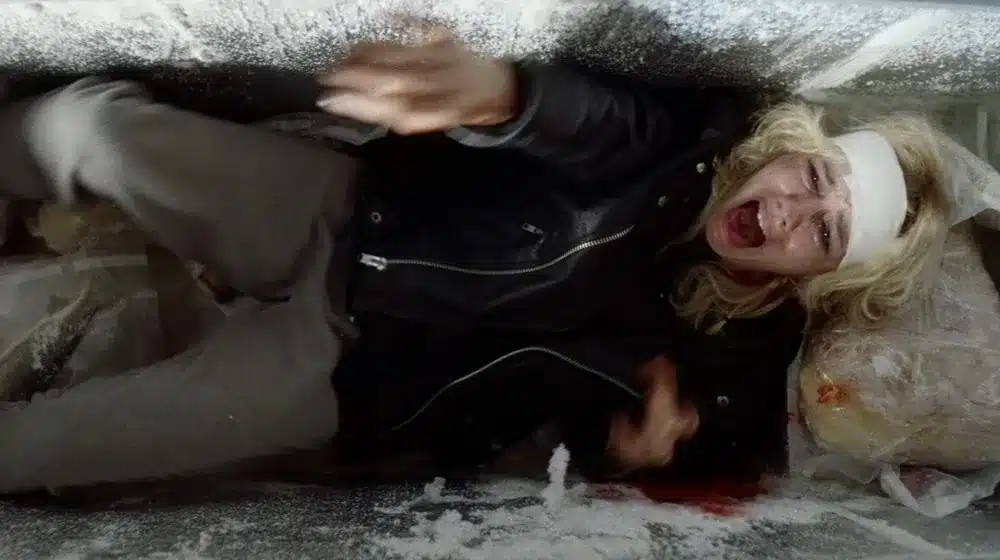
The film’s willingness to take risks narratively and visually sets it apart in a crowded field. It’s difficult not to be swept up in its unique narrative flow and be bowled over by the potent and memorable viewing experience.
Of course, as with all challenging art, not everyone loves the film (as my colleague’s review above demonstrates). For me, however, it stands out as a daring and creative entry in the indie horror landscape. Mollner’s use of style and narrative trickery keeps the audience in a constant state of disorientation, subverting expectations at every turn.
This unpredictability, combined with strong performances and inventive direction, cements the film’s status as a must-see for genre enthusiasts.
Oh, and that soundtrack? Swoon.
4.5/5 Stars

She’s a lover, he’s a fighter. Together, they’re CHEER AND LOATHING. Tune in to hear your hosts, Stephanie (Cheer) and Casey (Loathing), clash over the films they love — and the ones they love to hate.
In this holiday extravaganza episode of Guilty Pleasures, join hosts Stephanie, Kelly, and our newest addition, Jonathan (Jack was tied up in tinsel and couldn't join us), as they unwrap the bizarre and unhinged world of holiday cinema. They dive into the depths of Elves, a film that's as chaotic as it is entertaining. It's a sleigh full of questionable decisions, diabolical dialogue, absurd plot twists, wildly offensive antics, and unhinged holiday mischief.
And that's not all! In the second half of the podcast, join your festive cinephile friends for a look at four more ”nutty as a fruitcake” holiday treats: A New York Christmas Wedding, Elf Bowling, A Medea Christmas, and Jack Frost. Plus, we each offer a bonus Christmas flick guaranteed to make you say, ”Ho, Ho, HO-LY Hell!”
Expect laughter, disbelief, and a spirited debate about what truly makes a movie a guilty pleasure. Don't miss this festive journey through the weirdest corners of holiday films!

Follow Us!