“Wicked” may be a musical masterpiece, but its not-so-subtle themes are much darker and more painfully resonant than you might realize.
No time to read? Click the button below to listen to this post.
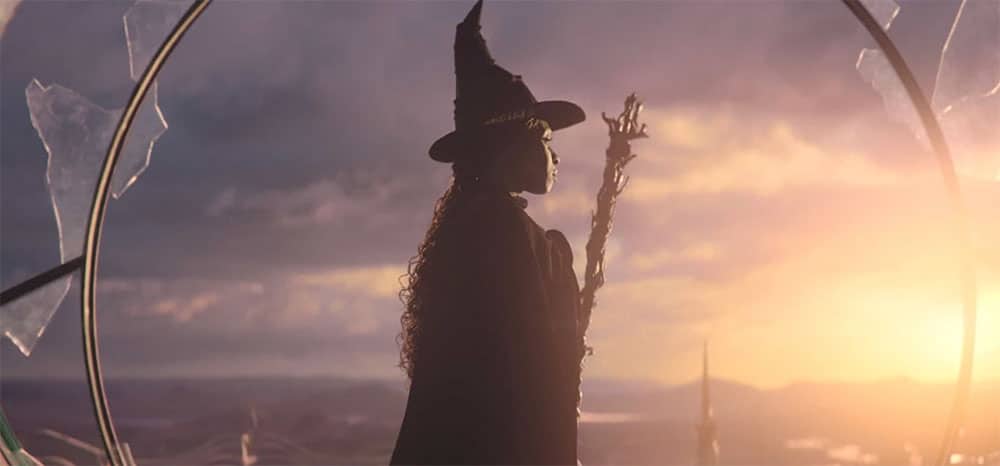
The 2024 film adaptation of Wicked is more than a fantastical retelling of the Wizard of Oz mythos. It’s a searing exploration of human tendencies to “other,” marginalize, and scapegoat individuals who defy societal norms. Directed with sharp wit and emotional nuance, the film masterfully blends entertainment with social commentary, making its themes as relevant today as they are timeless.
At its core, Wicked examines the mechanisms of prejudice and power, showing how fear and misunderstanding are weaponized to maintain control.
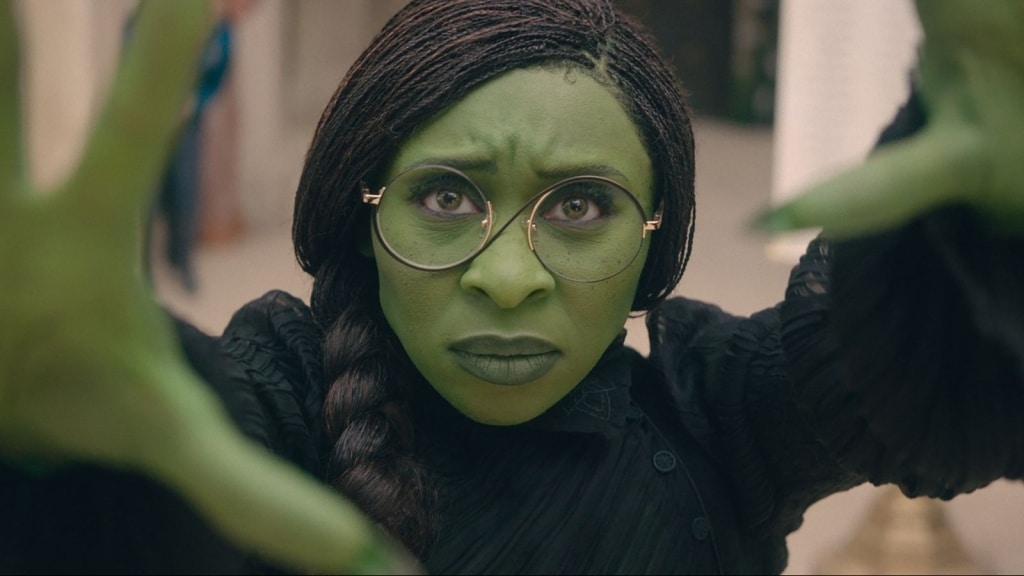
The narrative of Elphaba, the so-called Wicked Witch, is a poignant allegory for those vilified simply for being different. Her green skin becomes a metaphor for all forms of perceived “otherness,” from race and religion to gender and sexuality. Through this, the story explores how societies mark and exclude individuals who don’t conform to narrow definitions of “normal.” Elphaba is immediately judged, feared, and ostracized before she ever does anything “wicked” — her difference itself becomes her perceived crime.
The film delves into the societal impulse to shift blame to an oppressed group, echoing historical patterns where marginalized communities are scapegoated to consolidate power or distract from systemic failures.
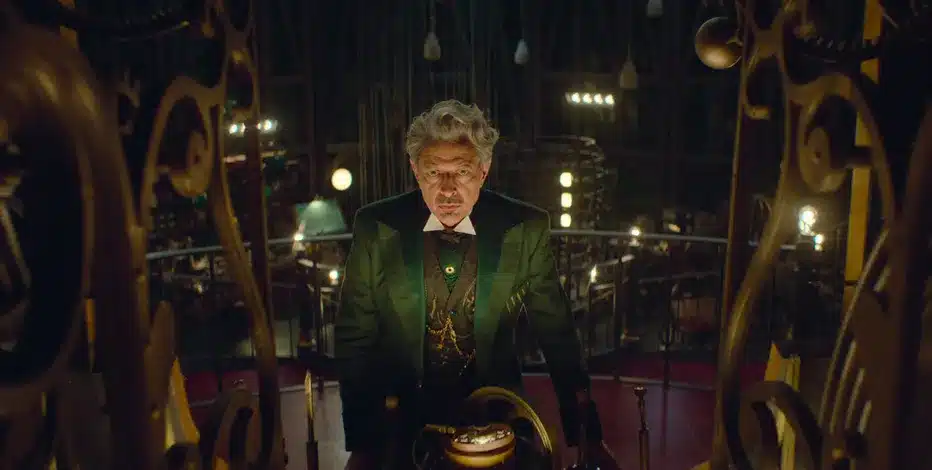
One of the most striking aspects of Wicked is its commentary on gaslighting and the corruptive nature of propaganda.
The Wizard and his regime manipulate the masses into believing Elphaba is a threat, turning her into a symbol of fear. By controlling the narrative, he transforms her acts of compassion and resistance into supposed threats to the social order. This tactic parallels real-world authoritarian practices, where leaders create enemies to unify their base and silence dissent.
Oz, in this iteration, becomes an allegory for fascism—a glittering utopia that conceals a system built on lies, oppression, and fear. It serves as a chilling reminder of how easily fear can be weaponized to maintain the status quo.
Elphaba’s story resonates deeply with anyone who has ever felt ostracized, judged, or persecuted.
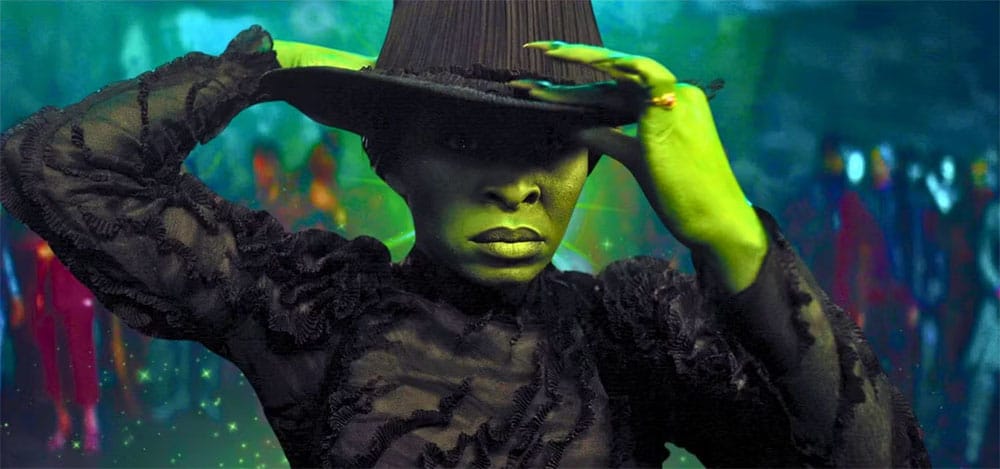
Her struggle to embrace her individuality amid relentless criticism is heartbreaking and empowering.
The film speaks to those who have hidden parts of themselves out of fear, offering a message of hope: that the real magic lies in authenticity and compassion. Elphaba’s defiance of tyranny and her unwavering commitment to her values, even at great personal risk, make her a symbol of resilience and moral courage.
Crucially, the story argues that kindness can be a radical act of resistance. Elphaba’s compassion—particularly her commitment to defending sentient Animals who are being systematically disenfranchised—is presented as more powerful magic than any spell. Her willingness to be vilified while protecting the vulnerable becomes her true heroism.
The film suggests that oppressive systems rely on people’s fear and silence. Characters who challenge the status quo are immediately branded as threats. This reflects how societies historically suppress voices that expose uncomfortable truths about systemic injustice.
The film’s portrayal of bystander apathy is equally compelling. Glinda’s initial complicity—her desire to please others and align with societal expectations—mirrors the all-too-common tendency to prioritize personal comfort over moral conviction.
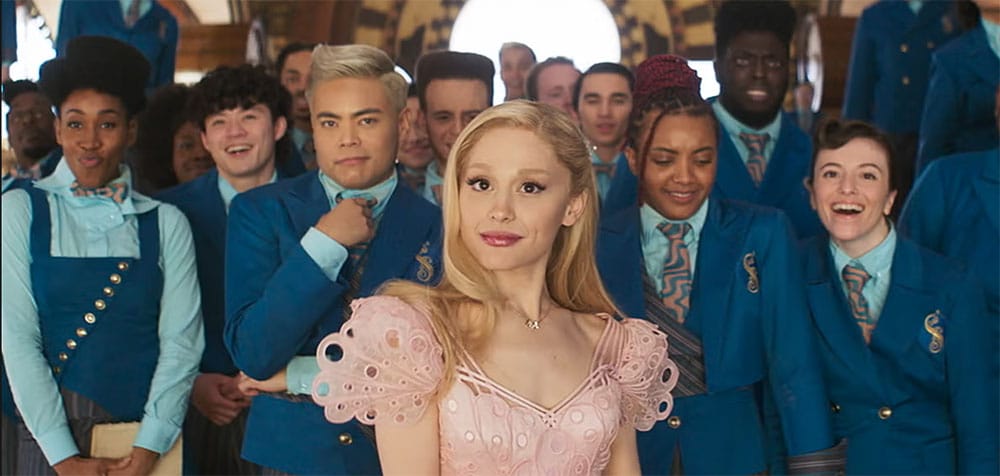
Through her arc, Wicked explores the painful truth that silence and passivity enable cruelty to thrive.
The narrative powerfully articulates that true courage isn’t about popularity or conformity but about maintaining compassion and individual moral integrity in the face of systemic oppression.
Elphaba’s famous song “Defying Gravity” becomes an anthem of resistance — a declaration that one’s authentic self is more important than societal acceptance.
What makes Wicked so resonant is its nuanced understanding that nobody is purely good or evil.
Even “villains” are products of their environment, shaped by trauma, fear, and systemic constraints. The story invites empathy and understanding rather than simplistic moral judgments.
These themes remain devastatingly relevant in today’s sociopolitical context. The rise of divisive rhetoric, scapegoating, and systemic inequality underscores the film’s central themes. It challenges viewers to question their own biases, recognize the humanity in those who are different, and resist the allure of conformity.
The world doesn’t need more people who go along to get along; it needs individuals willing to challenge injustice and protect the vulnerable.
The film explores how acts of compassion can create ripples of change, even in the darkest circumstances, while cruelty—whether through malice or indifference—corrupts and destroys. The juxtaposition of Glinda’s initial people-pleasing and Elphaba’s uncompromising morality highlights the tension between popularity and principle, reminding us that doing what is right often comes at a cost.
In the end, Wicked is a call to action. It asks us to stand up for what we believe in, even when it’s hard, and to embrace the power of individuality and kindness.
It is a reminder that life’s most profound magic isn’t found in wands or spells but in the courage to be ourselves and to fight for a world where everyone can do the same.






2 Comments
2 Records
Allyssa Gaines wrote:
Stephanie Malone wrote:
Thank you so much for the kind feedback. I truly hope you love the film when you get a chance to watch it. It just landed on streaming for rental!